🥘 The Best Salsberry Meatballs Recipe: Easy & Savory!
👩🍳 The Busy Home Cook's Arsenal
Consistently cooking incredible meals for your family doesn't mean spending three hours in the kitchen every night. These are the 5 absolute life-saving appliances and culinary tools that dramatically cut down prep time while guaranteeing restaurant-quality results.
🌪️ Ninja 4-Quart Air Fryer
The machine that completely changed weeknight dinners. It preheats in seconds and cooks frozen vegetables, chicken wings, and battered fish to an incredibly crispy, deep-fried texture using 75% less oil and taking half the time of a traditional oven.
⏱️ Instant Pot Duo 7-in-1 Pressure Cooker
Forget slow cookers that take 8 hours. This legendary appliance aggressively pressure cooks tough cuts of meat into melt-in-your-mouth tender roasts, stews, and perfectly fluffy rice in under 45 minutes, saving you when you forget to defrost dinner.
🔪 Victorinox Fibrox Pro 8" Chef's Knife
A dull knife is dangerous and makes chopping vegetables a miserable chore. This exact blade reigns supreme in professional kitchens because it holds a terrifyingly sharp edge, features a non-slip grip, and costs significantly less than heavy German steel.
🌡️ ThermoPro Instant Read Thermometer
The secret difference between dry, rubbery chicken and juicy perfection. Stop nervously slicing your proteins open to check if they're done—this waterproof digital pen gives you a highly accurate temperature reading in less than three seconds.
🥤 Vitamix 5200 Professional-Grade Blender
Whether you are making silky-smooth breakfast smoothies, pureed soups from scratch, or blending absolutely lump-free sauces, this famously indestructible motor pulverizes anything you throw at it. It literally heats soup from the friction of the blades alone.
So, you’re craving something tasty but too lazy to spend forever in the kitchen, huh? Same.
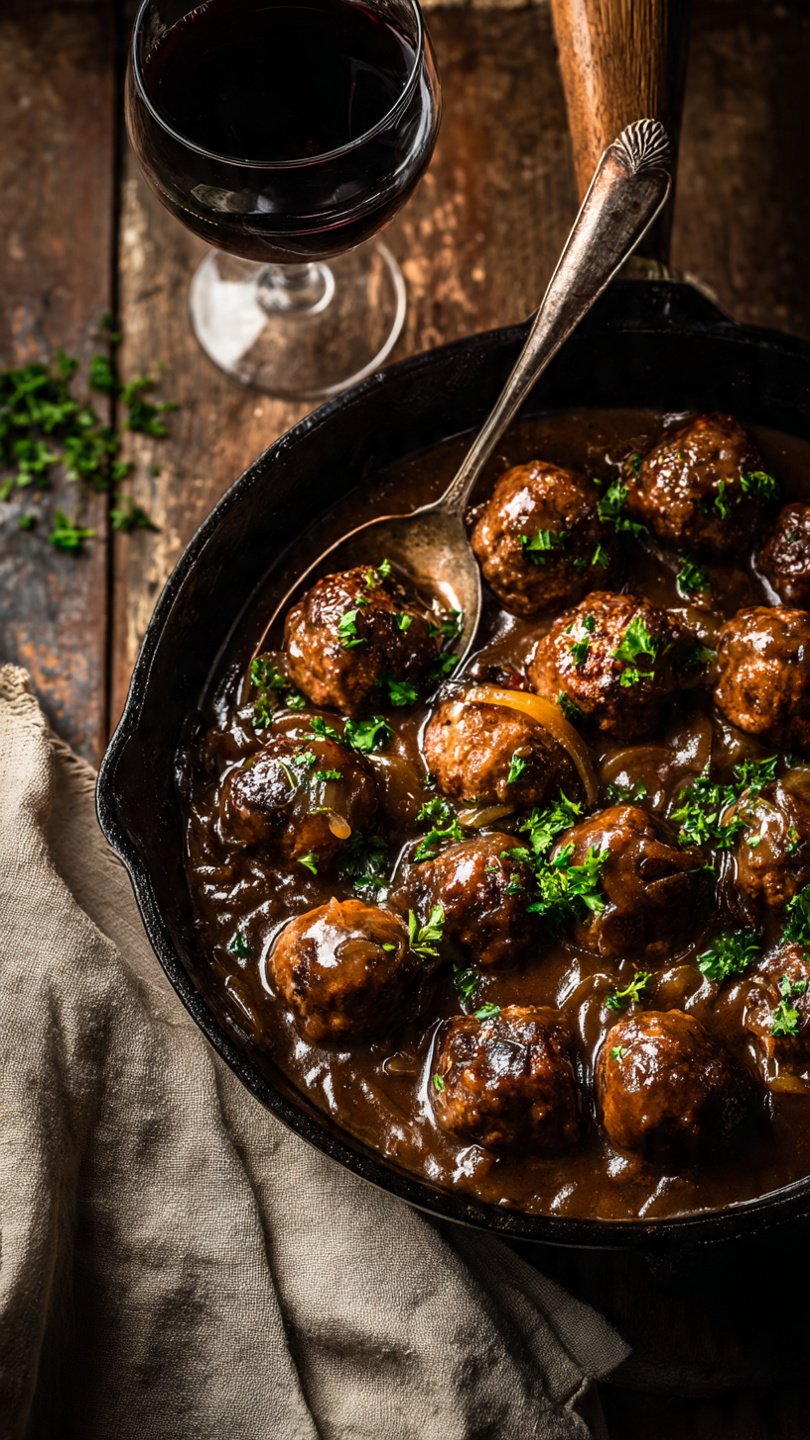
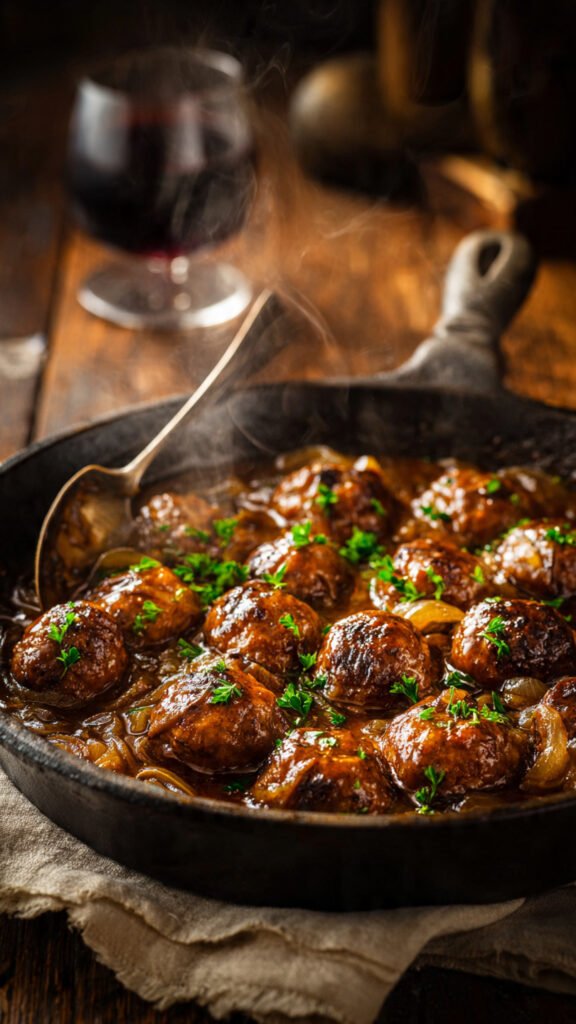
Let’s be real for a second. There are days when you want a delicate, tweezed-microgreen salad, and then there are days when you want a warm hug in a bowl. This is for the latter. We are talking about savory, juicy beef swimming in a rich, glossy, onion-mushroom gravy that begs—nay, demands—to be ladled over a mountain of mashed potatoes.
If you grew up eating those frozen TV dinners with the “steak” that tasted vaguely like a salty shoe, prepare to have your mind blown. We are taking that nostalgic concept, apologizing to your childhood tastebuds, and upgrading it into something spectacular. This is the Salisbury Steak Meatballs recipe (or as some affectionately typo it, the “Salsberry” special). It’s hearty, it’s unpretentious, and it’s about to become your new Tuesday night obsession.
Why This Recipe is Awesome
Look, I don’t use the word “life-changing” lightly (mostly because I save it for finding money in old coat pockets), but this recipe is pretty close.
First off, it’s forgiving. unlike a soufflé that senses fear and collapses if you look at it wrong, these meatballs are resilient. If you make them a little too big? Fine. A little too small? Who cares. They are getting drowned in gravy anyway. It’s practically idiot-proof, and I say that with love because even I haven’t managed to mess it up yet.
Secondly, let’s talk about the “Meatball Factor.” Traditional Salisbury steak is a patty. But patties require flipping, and flipping involves the risk of breakage. Meatballs? You just roll them around. Plus, surface area! More surface area on the meat means more browning, and in the culinary world, brown equals flavor (we’ll get to the science of that in a bit). By turning the steak into meatballs, we maximize the crust-to-interior ratio, creating bite-sized poppers of joy.
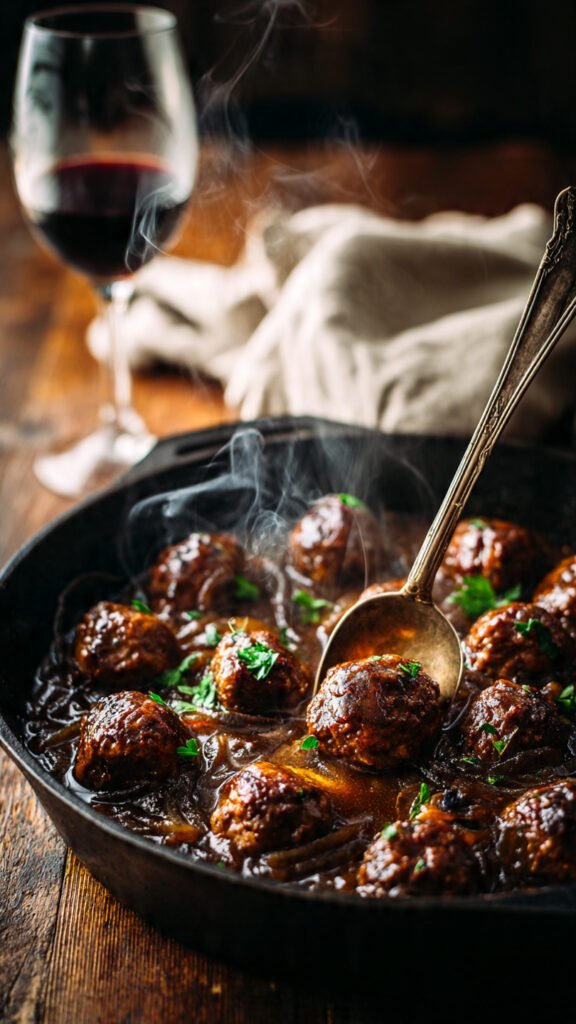
Finally, the gravy. This isn’t some sad, watery packet mix. We are building a sauce from scratch that smells so good your neighbors might knock on your door pretending to borrow sugar just to get a whiff. It utilizes the “fond”—those sticky brown bits left in the pan after searing the meat—to create a depth of flavor that you just can’t buy in a jar. It’s savory, earthy from the mushrooms, and has that distinct umami kick that makes you involuntary say “Mmm” after the first bite.
Ingredients You’ll Need
Here is your shopping list. Don’t panic; you probably have half this stuff in your pantry already.
The Meatballs:
- Ground Beef: Go for 80/20 or 85/15 lean-to-fat ratio. Do not—I repeat, do not—buy the super lean stuff. Fat is flavor and moisture. If you use 96% lean beef, you are making hockey pucks, not dinner.
- Breadcrumbs: Panko or regular Italian style works. This is the structural integrity of your meatball.
- Milk: Any kind works, though maybe skip the vanilla almond milk unless you want a very confusing flavor profile.
- Egg: The glue that holds our meaty dreams together.
- Worcestershire Sauce: The sauce nobody can pronounce but everyone needs. It adds that deep, fermented savory punch.
- Ketchup: Yes, ketchup. It adds a tiny bit of sweetness and acidity to balance the salt. Don’t judge it, just do it.
- Seasonings: Garlic powder, onion powder, salt, and pepper. The classics.
The Gravy (The Liquid Gold):
- Butter & Oil: Because we aren’t on a diet today.
- Onions: Yellow onions, sliced thin. We want them to melt down and get sweet.
- Mushrooms: Cremini or baby bellas are best for flavor. If you hate mushrooms, you can leave them out, but just know you’re missing out on serious umami vibes.
- Beef Broth: Low sodium is best so you can control the salt level yourself.
- Dijon Mustard: Just a teaspoon for a little “zing.”
- Cornstarch: To thicken the sauce so it coats the spoon (and your soul).
Step-by-Step Instructions
Alright, apron on. Let’s do this.
1. The “Panade” Prep (Don’t skip this!)
Grab a large bowl. Mix your breadcrumbs and milk together and let it sit for about 5 minutes until it looks like a weird soggy paste.
- Why? This is called a panade. It prevents the protein strands in the beef from tightening up too much during cooking. It effectively traps moisture inside the meatball, ensuring that even if you accidentally overcook them slightly, they remain tender. It’s the secret weapon of grandmas everywhere.
2. Form the Meatballs
Add the ground beef, egg, ketchup, Worcestershire sauce, and all your dry spices to the bowl with the breadcrumb paste.
- The Technique: Mix this with your hands until just combined. Treat the meat like a fragile ego—handle with care. Overworking the meat activates the myosin (protein), which creates a tough, rubbery texture.
- Roll: Shape them into golf-ball-sized spheres. You should get about 16–20 meatballs depending on how generous you are.
3. The Sear (Maillard Reaction Time)
Heat a swirl of oil in a large skillet over medium-high heat. Place the meatballs in the pan. Do not crowd them! If they are touching, they will steam instead of sear. Do it in two batches if you have to.
- The Science: We aren’t cooking them through yet; we are just browning the outside. This browning is the Maillard reaction, a chemical reaction between amino acids and reducing sugars that gives browned food its distinctive flavor. Sear for 2-3 minutes per side until they have a nice, dark crust. Remove them and set them aside on a plate.
4. Build the Gravy Base
In the same pan (don’t wash it! The flavor is in the mess!), melt your butter. Toss in the sliced onions and mushrooms.
- Cook: Sauté these for about 8–10 minutes. You want the onions soft and translucent and the mushrooms browned.
- Deglaze: Pour in a splash of the beef broth and scrape the bottom of the pan with a wooden spoon to release those stuck-on brown bits (the fond). This is literally concentrated flavor.
5. Thickening and Simmering
Whisk the remaining beef broth, Worcestershire, and Dijon mustard together. Pour it into the pan with the veggies.
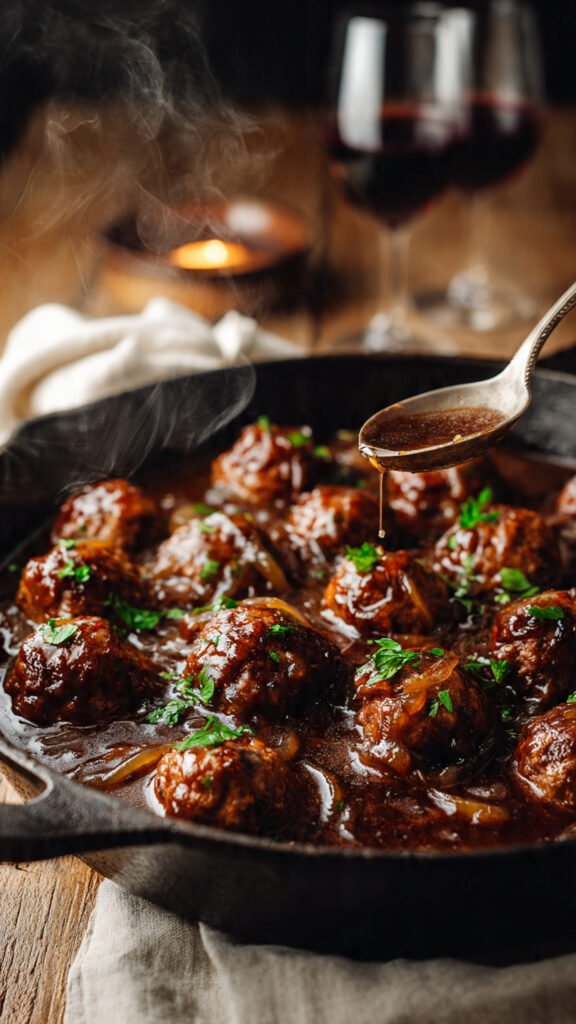
- Slurry Time: In a small cup, mix your cornstarch with a tablespoon of cold water until smooth, then whisk it into the bubbling gravy. It should start to thicken up immediately, looking glossy and rich.
- Reunite: Gently nestle the meatballs back into the gravy. Reduce the heat to low.
6. The Final Braise
Cover the pan and let it simmer for about 10–12 minutes.
- What’s happening now? The meatballs are finishing cooking gently in the liquid, soaking up the onion-mushroom essence, while releasing their own seasoned juices back into the gravy. It’s a symbiotic relationship of flavor.
- Serve: Garnish with some fresh parsley if you want to feel fancy (or to prove you ate a green thing).
Common Mistakes to Avoid
Even though I said this was idiot-proof, let’s not test fate. Here is how people usually ruin this dish.
- Crowding the Pan: As mentioned, if you pack all the meatballs in at once like sardines, the temperature of the pan drops. Instead of a sizzle, you get a sad simmer. You miss out on the crust, and the crust is where the flavor lives. Batch cooking is your friend.
- Using Cold Meat: Try to take your ground beef out of the fridge 15 minutes before cooking. Meat that hits a hot pan while ice-cold tends to seize up and cook unevenly.
- Rushing the Onions: Good caramelized onions take patience. If you try to blast them on high heat, they will burn before they get sweet. Keep it medium and chill out for a few minutes.
- Thinking You Don’t Need to Taste Test: Before you add the meatballs back in, taste your gravy! Does it need more pepper? A pinch of salt? A dash more Worcestershire? You are the chef; trust your tongue.
Alternatives & Substitutions
Missing an ingredient? Don’t want to run to the store? I got you.
- The Meat: Not a fan of red meat? You can absolutely use ground turkey or chicken (ground dark meat chicken is best). Just keep in mind poultry has less fat, so you might want to add a teaspoon of olive oil into the meat mixture to keep it juicy.
- Gluten-Free: This is easily hackable. Use gluten-free breadcrumbs (or crushed GF crackers) for the meatball binder. For the gravy, cornstarch is naturally gluten-free, so just ensure your beef broth and Worcestershire sauce are certified GF.
- Dairy-Free: Swap the butter for olive oil or a plant-based butter alternative. Use unsweetened oat milk or just water for the panade (though milk is richer).
- The “I Hate Mushrooms” Crowd: Look, I don’t understand you, but I respect your right to exist. You can swap the mushrooms for extra onions or even bell peppers if you want a different vibe.
FAQ (Frequently Asked Questions)
1. Can I freeze these? Absolutely. In fact, they freeze beautifully. You can freeze the cooked meatballs in the sauce. Just thaw them in the fridge overnight and reheat gently on the stove. It’s the ultimate meal-prep move.
2. Can I use margarine instead of butter? Well, technically yes, but why hurt your soul like that? Butter adds a specific creamy mouthfeel that margarine struggles to replicate. But if it’s all you have, it’ll still be edible.
3. What do I serve this with? The Holy Trinity of sides for this dish are:
- Mashed Potatoes: The classic. The gravy acts as a volcano lava flow.
- Egg Noodles: Buttered noodles with parsley are a close second.
- Rice: If you really must, but potatoes are superior here. FYI.
4. My gravy is too thin! What did I do? You probably added too much broth or didn’t simmer it long enough. Just mix another teaspoon of cornstarch with cold water and stir it in while boiling. It should tighten up.
5. Can I make this in a slow cooker? Yes! Brown the meatballs in a pan first (don’t skip this, or they will look pale and sad). Then throw the browned meatballs and all the gravy ingredients into the slow cooker. Cook on Low for 4 hours.
6. Is it “Salisbury” or “Salsberry”? Technically, it’s named after Dr. James Salisbury, a 19th-century American physician who was an early advocate of a meat-centered diet (the original keto bro, basically). So, it’s Salisbury. But if you Google “salsberry meatballs recipe,” you’ll find plenty of friends who spell it phonetically. We don’t judge spelling here; we only judge flavor.
Final Thoughts
There you have it. A dinner that feels fancy enough for Sunday night but is easy enough for a Wednesday when you’re running on dry shampoo and caffeine.
The beauty of these Salisbury Steak Meatballs is in the texture contrast—the tender interior of the meat against the rich, silky gravy. It hits every sensory note you want in a comfort meal. Plus, the leftovers (if there are any) usually taste even better the next day because the flavors have had time to get to know each other intimately in the fridge.
Now go impress someone—or yourself—with your new culinary skills. You’ve earned it!