🍋 Sunshine in a Jar: The Best Lemon Vinaigrette Recipe Ever!
👩🍳 The Busy Home Cook's Arsenal
Consistently cooking incredible meals for your family doesn't mean spending three hours in the kitchen every night. These are the 5 absolute life-saving appliances and culinary tools that dramatically cut down prep time while guaranteeing restaurant-quality results.
🌪️ Ninja 4-Quart Air Fryer
The machine that completely changed weeknight dinners. It preheats in seconds and cooks frozen vegetables, chicken wings, and battered fish to an incredibly crispy, deep-fried texture using 75% less oil and taking half the time of a traditional oven.
⏱️ Instant Pot Duo 7-in-1 Pressure Cooker
Forget slow cookers that take 8 hours. This legendary appliance aggressively pressure cooks tough cuts of meat into melt-in-your-mouth tender roasts, stews, and perfectly fluffy rice in under 45 minutes, saving you when you forget to defrost dinner.
🔪 Victorinox Fibrox Pro 8" Chef's Knife
A dull knife is dangerous and makes chopping vegetables a miserable chore. This exact blade reigns supreme in professional kitchens because it holds a terrifyingly sharp edge, features a non-slip grip, and costs significantly less than heavy German steel.
🌡️ ThermoPro Instant Read Thermometer
The secret difference between dry, rubbery chicken and juicy perfection. Stop nervously slicing your proteins open to check if they're done—this waterproof digital pen gives you a highly accurate temperature reading in less than three seconds.
🥤 Vitamix 5200 Professional-Grade Blender
Whether you are making silky-smooth breakfast smoothies, pureed soups from scratch, or blending absolutely lump-free sauces, this famously indestructible motor pulverizes anything you throw at it. It literally heats soup from the friction of the blades alone.
So, you’re staring into the fridge, mourning another sad, wilted bag of spinach, wondering if you can stomach another dry salad. We’ve all been there. The struggle is real. But listen up, because I’m about to save your lunch hour—and possibly your soul—with literally the easiest thing you’ll ever make.
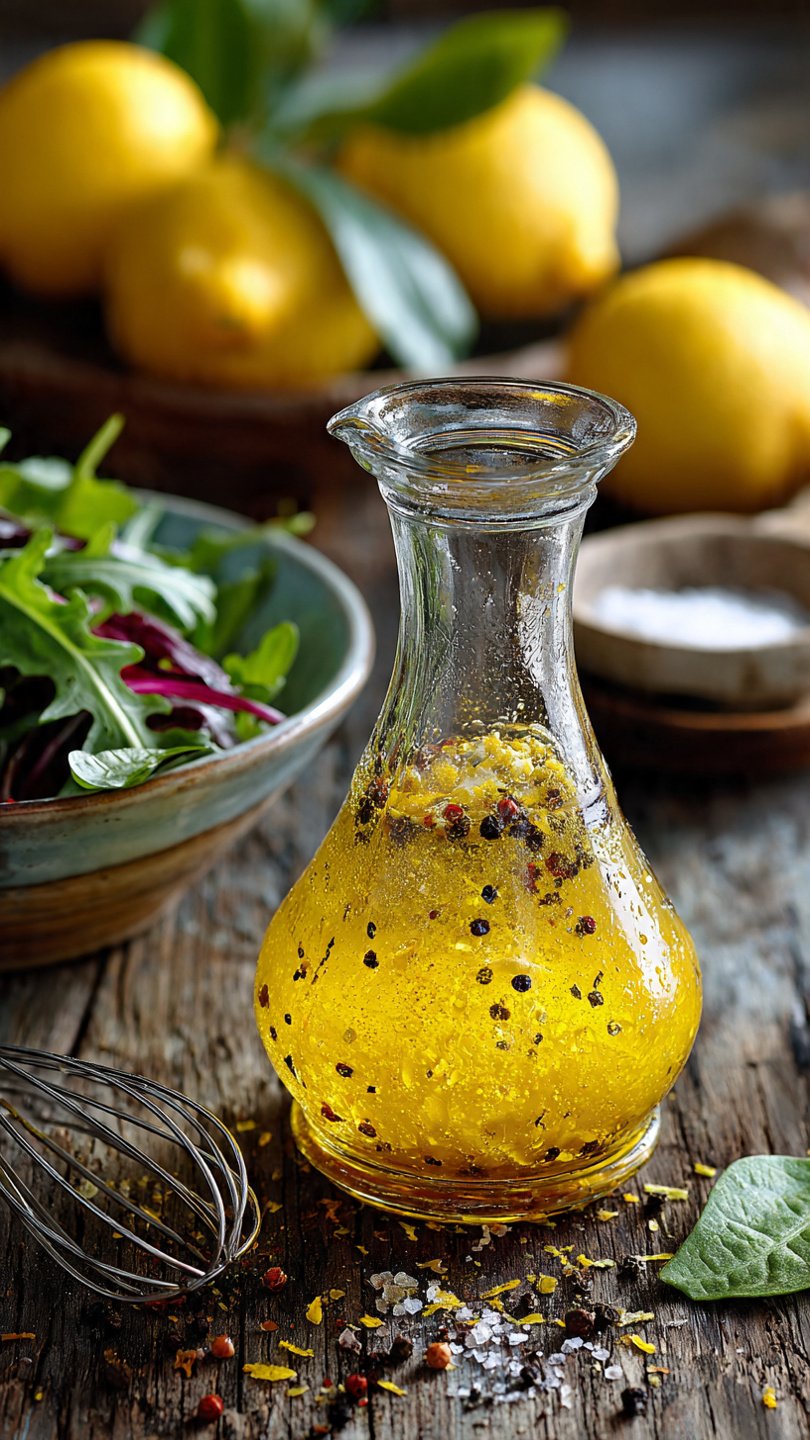
Forget those sad, shelf-stable bottles of “dressing” at the grocery store that list ingredients you can’t pronounce and taste vaguely of preservatives and regret. Today, we are making liquid gold. We’re talking about a bright, zippy, fresh lemon vinaigrette recipe that comes together faster than you can find the lid to your Tupperware. It’s time to stop treating your greens like a punishment and start treating them like the main event. Let’s get mixing.
Why This Recipe is Awesome
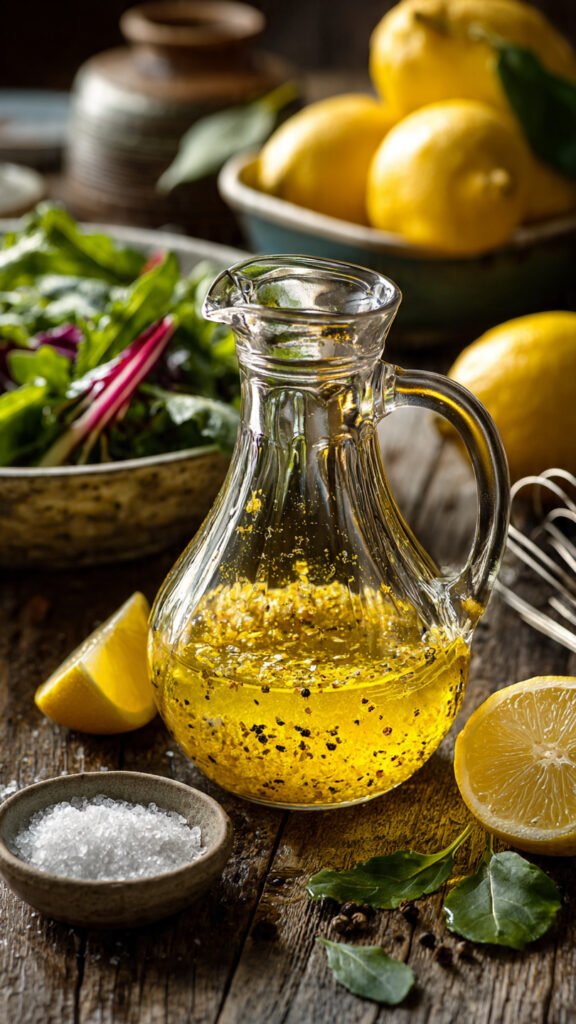
Look, I don’t use the word “life-changing” lightly—usually only for really good dry shampoo or finding a pair of jeans that actually fits—but this lemon vinaigrette recipe is borderline spiritual.
First off, the flavor profile is insane. It’s the perfect tightrope walk between sharp, acidic brightness and mellow, savory richness. Store-bought dressings are often loaded with high fructose corn syrup, weird gums, and artificial flavors that coat your tongue in a weird way. This? This is pure, unadulterated freshness. It tastes like sunshine. It tastes like you actually got your life together and shopped at a farmers’ market, even if you just bought the lettuce at a gas station five minutes ago (no judgment).
Secondly, it is ridiculously easy. It’s practically idiot-proof. Even if the extent of your cooking skills is burning toast, you cannot mess this up. It requires zero cooking, zero heat, and only one bowl to wash later.
But the real magic here—and the reason this recipe needs to be in your permanent rotation—is the science of the emulsion.
Stay with me, science nerds. An emulsion is what happens when you force two things that hate each other (like oil and water/lemon juice) to become best friends. Left to their own devices, they will separate faster than a celebrity couple. But with the right technique and a little magical binding agent (we’ll get to that), you create a creamy, luscious, velvety liquid that defies gravity and clings perfectly to every single leaf of lettuce.
When you master this simple emulsion, you aren’t just making dressing; you’re performing culinary alchemy. You’re taking simple pantry staples and turning them into something greater than the sum of their parts. Plus, it makes you feel incredibly chef-y to whip up homemade dressing on a Tuesday night.
Ingredients You’ll Need
You probably have most of these right now. If you don’t, a quick grocery run is totally worth it. Don’t skimp on quality here; since there are so few ingredients, they all need to pull their weight.
- Fresh Lemons (The Star Show): Do not, and I repeat, DO NOT use that pre-squeezed lemon juice from the plastic lemon-shaped bottle. That stuff tastes like battery acid and sadness. You need real, fresh lemons. You’ll want about 1/4 cup of juice, which is usually 1 large juicy lemon or 2 smaller mediocre ones.
- Extra Virgin Olive Oil (The Backbone): This is the main carrier of flavor. Use the good stuff—the stuff you save for dipping bread in, not the cheap stuff you use for sautéing onions. You want a grassy, peppery, high-quality EVOO.
- Dijon Mustard (The Secret Weapon): This isn’t just for flavor; it’s our emulsifier. Dijon contains mucilage from the mustard seeds, which acts as a surfactant. Basically, it holds the oil droplets and water droplets together so they don’t break up. Don’t skip it, or your dressing will be a separated mess in 10 minutes.
- Honey or Maple Syrup (The Balancer): Lemons are aggressive. You need a touch of sweetness to tame the acid and round out the edges. Just a teaspoon or two works wonders. Use maple syrup if you want to keep it vegan.
- Fresh Garlic (The Kick): One small clove, grated into oblivion. We want the flavor, not chunks of raw garlic burning your tastebuds.
- Salt and Freshly Cracked Pepper: The non-negotiables. Kosher salt or sea salt is best. If you use pre-ground pepper dust, we can’t be friends.
Step-by-Step Instructions
Okay, let’s make some magic. You can do this in a bowl with a whisk, or my personal favorite lazy method: a mason jar with a tight lid. We’ll focus on the bowl method to really nail that emulsion technique.
1. Prep Your Aromatics Before you cut that lemon, zest it! The yellow skin holds essential oils that pack a massive aromatic punch that the juice alone can’t provide. You want about a teaspoon of zest. Once zested, roll the lemon on the counter with your palm to break up the segments inside, then slice and squeeze the juice. Peel and grate your garlic clove using a microplane so it turns into a paste.
2. Create the Flavor Base In a medium bowl, combine the lemon juice, lemon zest, grated garlic, Dijon mustard, honey (or maple syrup), a generous pinch of salt, and several cranks of black pepper. Give this a vigorous whisk. Why do this first? Salt doesn’t dissolve well in oil. By mixing it with the lemon juice first, you ensure the seasoning is evenly distributed throughout the whole dressing instead of sitting grittily at the bottom.
3. The Slow Drizzle (The Crux of the Operation!) This is where the magic happens. Secure your bowl (put a damp paper towel underneath it so it doesn’t spin around). While whisking constantly and vigorously with your dominant hand, begin adding the olive oil with your other hand in a very slow, thin stream.
Science Note: You are mechanically breaking the oil into tiny, microscopic droplets. The Dijon mustard coats these droplets and keeps them suspended in the lemon juice, preventing them from pooling back together. If you dump all the oil in at once, the mustard gets overwhelmed, the oil pools up, and you end up with a greasy, broken mess. Patience is a virtue here.
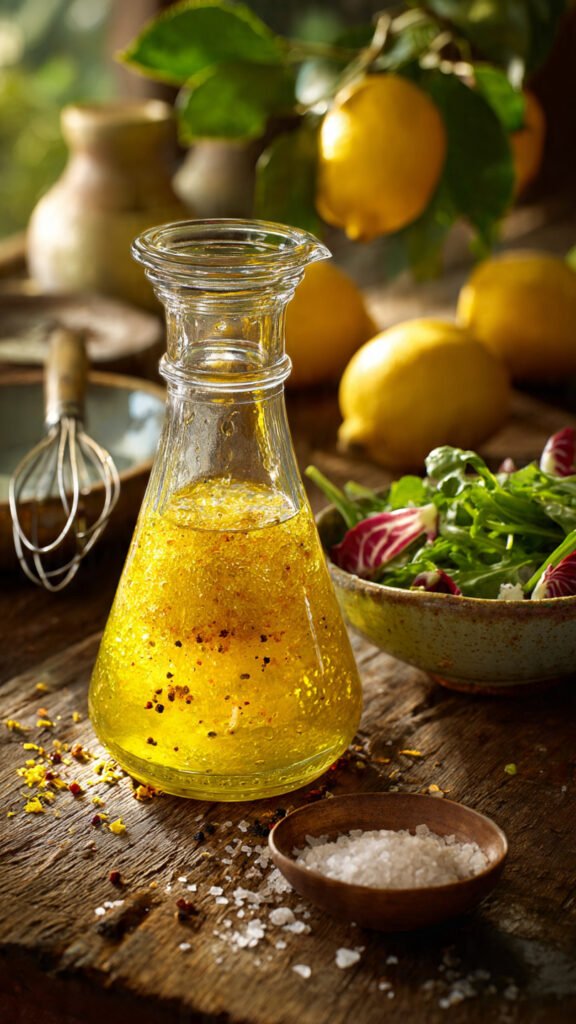
4. Watch it Transform As you continue whisking and drizzling, you’ll notice the mixture changing. It will go from a thin, watery liquid to a creamy, opaque, velvety yellow sauce that looks thicker than either the oil or juice started out. That’s the emulsion! Keep whisking until all the oil is incorporated.
5. The Final Taste Test This is crucial. Stick a lettuce leaf (or your finger, I won’t tell) into the dressing and taste it. Does it make your jaw tingle too much? Add a tiny drop more honey or oil. Does it taste flat? It needs more salt and a squeeze more lemon. Adjust it until it sings to you.
Common Mistakes to Avoid
Even though this is easy, things can go sideways. Here’s how to avoid a vinaigrette disaster.
- Using Rancid Oil: FYI, olive oil goes bad. If you’re using that dusty bottle from the back of the pantry that you bought three years ago, smell it first. If it smells like crayons or old play-dough, toss it. It will ruin your dressing.
- The “Dump and Run”: As mentioned above, dumping all the oil in at once is the rookie mistake of the century. You cannot rush the emulsion. Respect the slow drizzle.
- Under-seasoning: Vinaigrettes need to be punchy because they are going to be diluted when spread over a big bowl of watery lettuce. If it tastes “just okay” straight out of the bowl, it will taste bland on a salad. It should taste almost too strong on its own.
- Skipping the Mustard: “But I don’t like mustard!” I hear you cry. Trust me, you won’t really taste “mustard” in the final product. You’ll just taste a balanced, creamy dressing. Without it, you just have oily lemon juice.
Alternatives & Substitutions
Make this recipe your own! Once you have the basic ratio down (usually 3 parts oil to 1 part acid), you can play around.
- Swap the Acid: Out of lemons? Use white wine vinegar, champagne vinegar, or even apple cider vinegar. Lime juice works great for a more tropical vibe.
- Change the Sweetener: Agave nectar works well, or even plain old sugar (just make sure you whisk it into the lemon juice really well so it dissolves). IMO, honey gives the best viscosity.
- Herb it Up: This is the perfect blank canvas for fresh herbs. Finely chopped dill, parsley, basil, or chives are incredible additions. Stir them in at the very end.
- Make it Creamy: Want a mock Caesar vibe? Whisk in a tablespoon of Greek yogurt or mayonnaise for an extra creamy, thicker dressing.
- Shallots over Garlic: If raw garlic is too intense for you, try finely minced shallots instead. They offer a milder, sweeter onion flavor that is very classic French.
FAQ (Frequently Asked Questions)
1. How long does this last in the fridge? It will keep happily in an airtight container (mason jars are best) for about a week. Honestly though, you’ll probably eat it all before then.
2. Why did my dressing solidify in the fridge? Don’t panic! Real olive oil solidifies when it gets cold. It’s actually a sign that you used good quality oil. Just pull the jar out of the fridge about 15–20 minutes before you need it, and give it a vigorous shake once it warms up. It’ll come right back together.
3. Can I use a blender instead of whisking? Absolutely. If you want to save your arm strength, toss everything in a blender or use an immersion blender. It actually creates an even tighter, creamier emulsion. Just be careful not to over-blend warm olive oil, sometimes it can develop a bitter taste.
4. Is this recipe healthy? Compared to store-bought ranch? It’s practically health food. You’re getting good healthy fats from the olive oil and Vitamin C from the lemon. Plus, no weird stabilizers.
5. What else can I put this on besides salad? Oh, honey, everything. Drizzle it over roasted asparagus or broccoli. Use it as a marinade for grilled chicken or shrimp. Toss it with warm pasta and some parmesan cheese for a quick dinner. Dip crusty bread in it. The world is your oyster (it would actually be good on oysters, too).
Final Thoughts
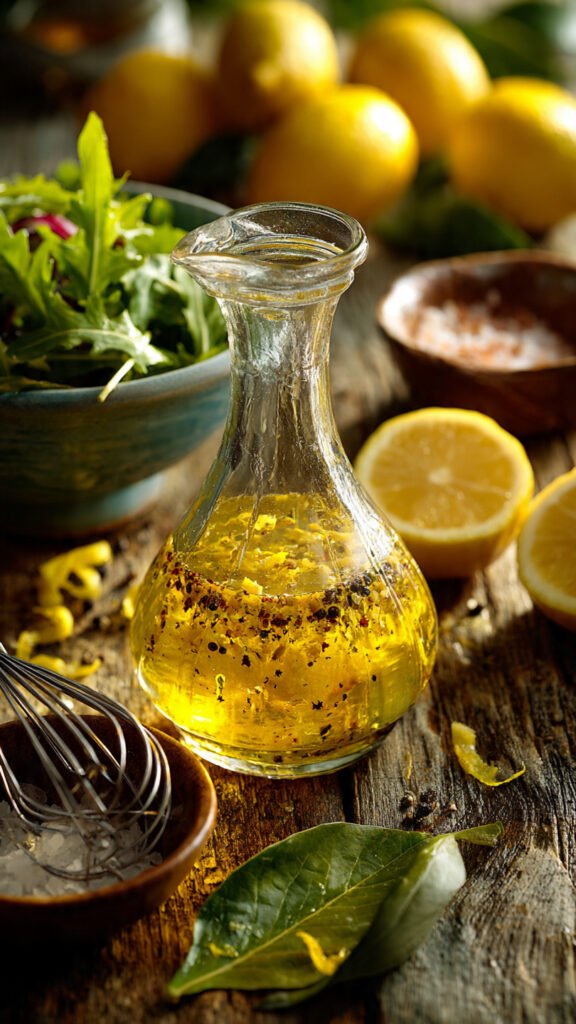
See? I told you it was easy. You have officially graduated from the school of sad, bottled dressings. You now possess the knowledge to make something fresh, vibrant, and utterly delicious in less time than it takes to brew a pot of coffee.
So go forth, grab some greens, and give them the dressing they deserve. Impress your friends, impress your family, or just impress yourself at lunchtime tomorrow. Now go eat some veggies!