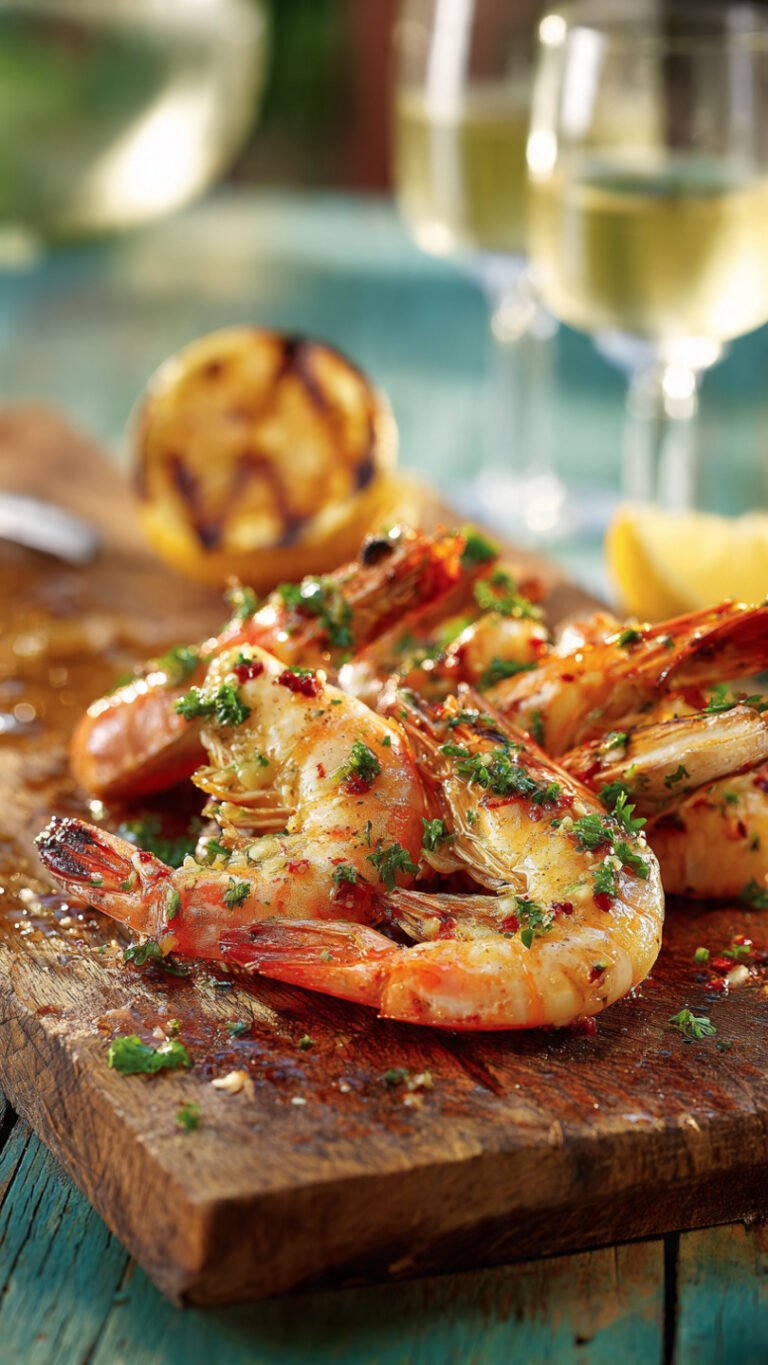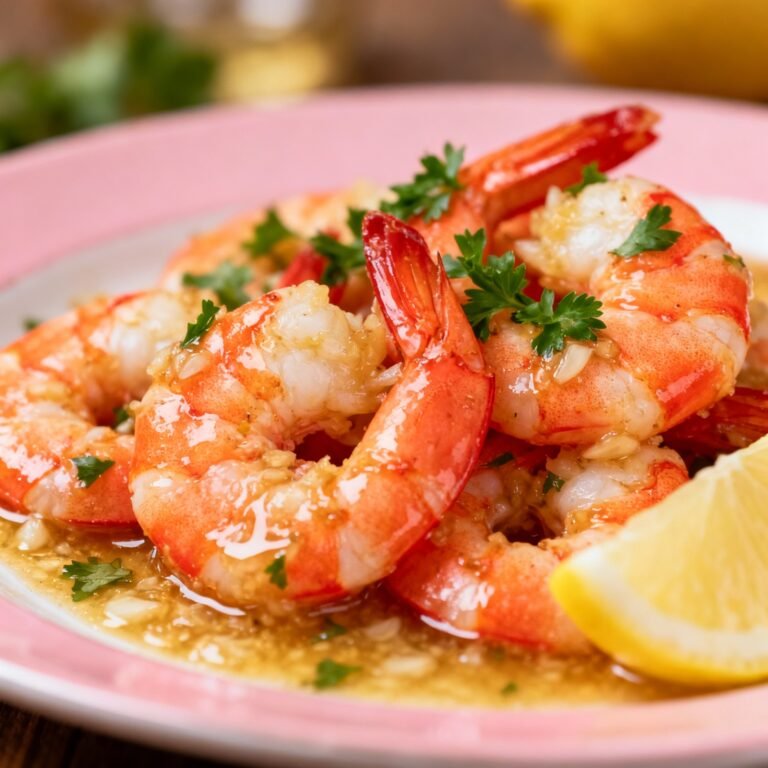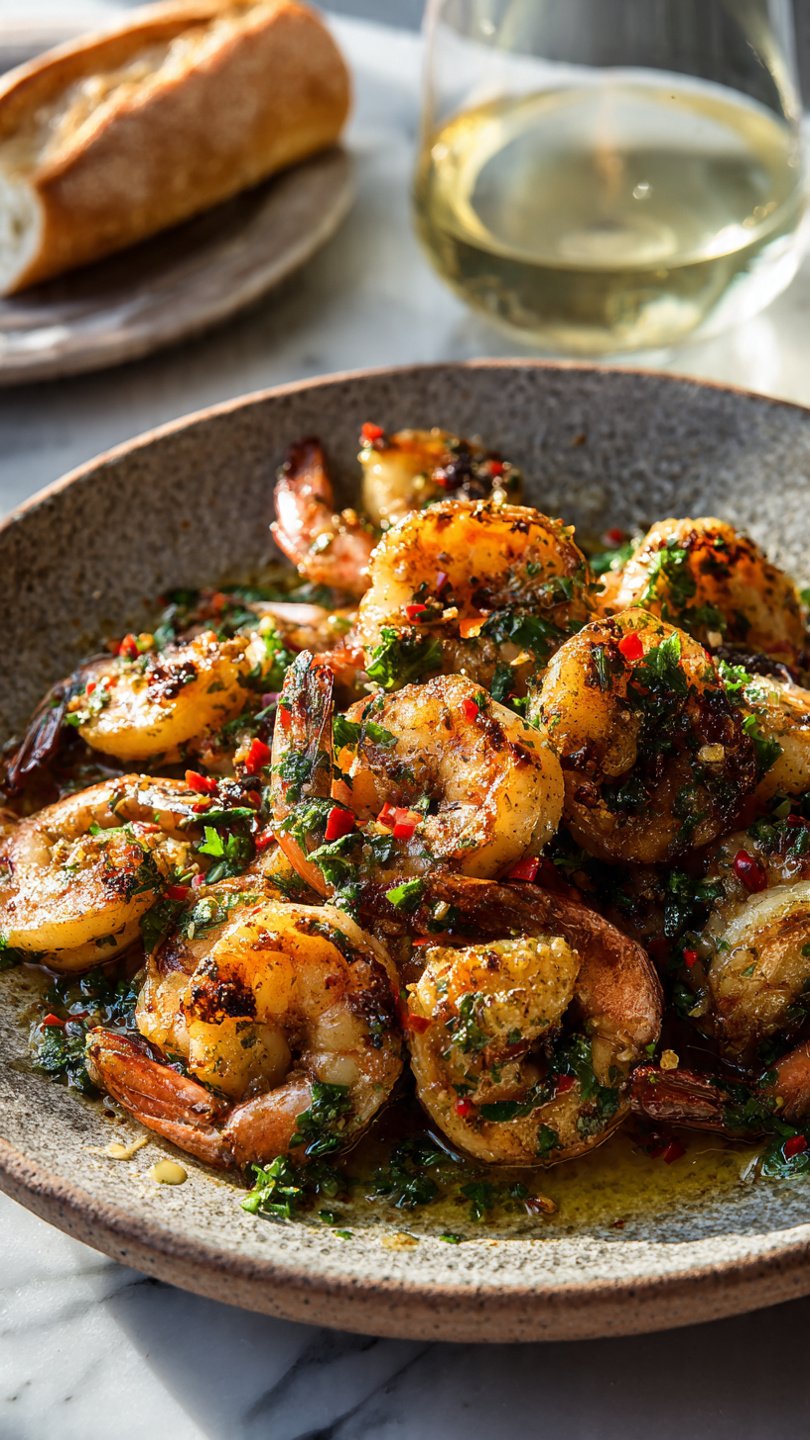
🦐 The Best Colossal Shrimp Recipe: Garlic Butter & Lemon
👩🍳 The Busy Home Cook's Arsenal
Consistently cooking incredible meals for your family doesn't mean spending three hours in the kitchen every night. These are the 5 absolute life-saving appliances and culinary tools that dramatically cut down prep time while guaranteeing restaurant-quality results.
🌪️ Ninja 4-Quart Air Fryer
The machine that completely changed weeknight dinners. It preheats in seconds and cooks frozen vegetables, chicken wings, and battered fish to an incredibly crispy, deep-fried texture using 75% less oil and taking half the time of a traditional oven.
⏱️ Instant Pot Duo 7-in-1 Pressure Cooker
Forget slow cookers that take 8 hours. This legendary appliance aggressively pressure cooks tough cuts of meat into melt-in-your-mouth tender roasts, stews, and perfectly fluffy rice in under 45 minutes, saving you when you forget to defrost dinner.
🔪 Victorinox Fibrox Pro 8" Chef's Knife
A dull knife is dangerous and makes chopping vegetables a miserable chore. This exact blade reigns supreme in professional kitchens because it holds a terrifyingly sharp edge, features a non-slip grip, and costs significantly less than heavy German steel.
🌡️ ThermoPro Instant Read Thermometer
The secret difference between dry, rubbery chicken and juicy perfection. Stop nervously slicing your proteins open to check if they're done—this waterproof digital pen gives you a highly accurate temperature reading in less than three seconds.
🥤 Vitamix 5200 Professional-Grade Blender
Whether you are making silky-smooth breakfast smoothies, pureed soups from scratch, or blending absolutely lump-free sauces, this famously indestructible motor pulverizes anything you throw at it. It literally heats soup from the friction of the blades alone.
So, you’re craving something that feels undeniably fancy but you are also biologically incapable of spending three hours over a hot stove today? Same. I get it. We all want to eat like royalty, but sometimes the energy levels are giving “cereal for dinner.”
Enter the absolute unit of the sea: the Colossal Shrimp.
We aren’t talking about those sad, tiny salad shrimp that look like commas. We are talking about the monsters of the deep—the meaty, succulent, “is this a lobster?” sized prawns that actually fill you up. This colossal shrimp recipe is my go-to when I want to impress guests (or just treat myself because I’m worth it) without needing a culinary degree or a panic attack.
It’s fast, it’s swimming in garlic butter, and it’s going to change your life. Let’s get cooking.
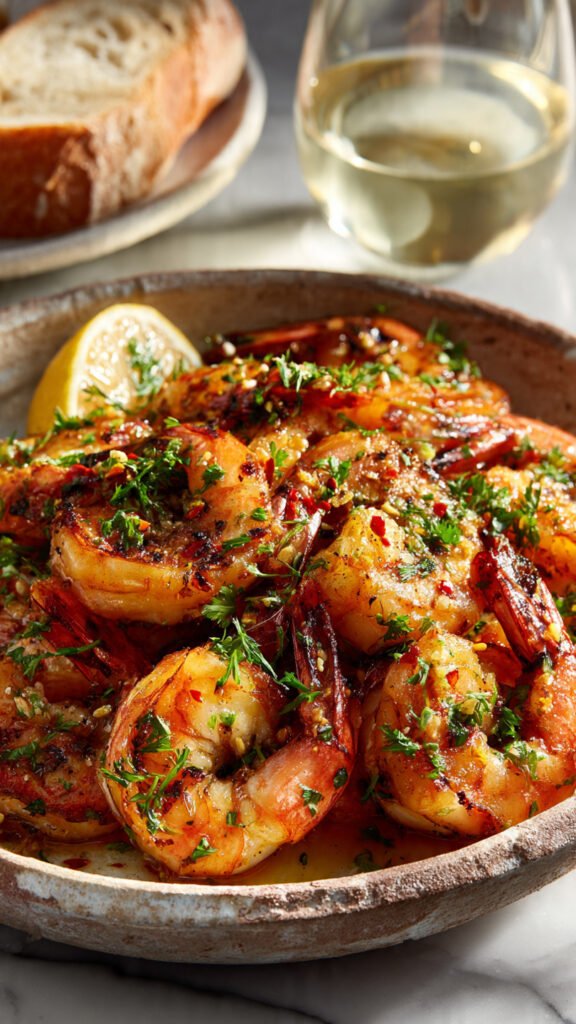
Why This Recipe is Awesome
Look, I’m not here to oversell you, but this recipe is basically a cheat code for looking like a professional chef. Here is why this specific method works better than whatever you were planning to do:
- The “High Effort” Illusion: You put a plate of colossal shrimp in front of someone, and their brain immediately registers “expensive” and “luxury.” You don’t have to tell them it took you less than 15 minutes. That can be our little secret.
- Texture is King: Because colossal shrimp are so thick, they are much more forgiving than smaller shrimp. It’s harder to overcook them into rubber bullets (though still possible, so pay attention). When cooked right, they have a “snap” and a juiciness that rivals a good steak.
- The Sauce Ratio: We are using a classic garlic butter emulsion here. Because these shrimp are huge, they have more surface area to hold onto that liquid gold.
- It’s Idiot-Proof: Seriously. Even if you have burned toast in the past, you can do this. The visual cues are huge. The smell is intoxicating. As long as you don’t fall asleep while the burner is on, you’re going to nail this.
Plus, it’s keto-friendly, gluten-free (if you check your spices), and high protein. Basically, it’s health food… if you ignore the stick of butter. But let’s ignore the butter for morale purposes.
Ingredients You’ll Need
We are keeping it simple. High-quality ingredients mean you don’t need to hide behind heavy sauces. Here is your shopping list:
- Colossal Shrimp (1 lb): Look for “U15” or “U12” count. This means there are under 15 (or 12) shrimp per pound. If they look like they could beat you in an arm-wrestling match, buy them. Fresh is great, but frozen is totally fine (and often fresher).
- Unsalted Butter (4 tbsp): Split this up. You’ll need some for searing and some for finishing. Use the good stuff—European butter has higher fat content and less water, which means less splattering.
- Olive Oil (1 tbsp): This stops the butter from burning instantly when it hits the hot pan.
- Garlic (4-5 cloves): Do not—I repeat, do not—use the jarred stuff that sits in weird water. Chop fresh garlic. Measure with your heart. If you want 8 cloves, I won’t judge you.
- Lemon (1 large): You need the juice to cut through the richness of the butter, and the zest to make it smell like an Italian summer.
- Fresh Parsley: For color. Because brown food tastes good but looks boring.
- Red Pepper Flakes: Just a pinch for a little “hello” on the tongue.
- Dry White Wine (Optional, ¼ cup): Pinot Grigio or Sauvignon Blanc work best. If you don’t drink alcohol, chicken stock works, but the wine adds a acidity that is chef’s kiss.
- Salt & Black Pepper: Kosher salt is best for cooking.
Step-by-Step Instructions
Okay, apron on (or not, I’m not your mom). Let’s turn these raw crustaceans into a masterpiece.
1. The Prep (Don’t Skip This!)
First, if your shrimp are frozen, thaw them in a bowl of cold water for about 20 minutes. Never use warm water unless you want bacteria soup. Once thawed, peel and devein them if the butcher didn’t. Leave the tails on—it makes them easier to pick up and looks fancier.
Crucial Step: Pat those shrimp dry with paper towels. I mean really dry. If they are wet, they will steam instead of sear, and you’ll miss out on that beautiful golden-brown crust. We want a sear, not a sauna. Season them generously with salt and pepper on both sides.
2. Heat the Pan
Grab your largest skillet (cast iron is great for this, or stainless steel). Place it over medium-high heat. Add your olive oil and half of the butter. Wait for the butter to melt and start foaming. When the foam subsides and it smells nutty, you are ready.
3. The Sear
Place the shrimp in the pan in a single layer. Do not crowd the pan. If they are touching, they are steaming. If you have to do two batches, do two batches. Patience, grasshopper.
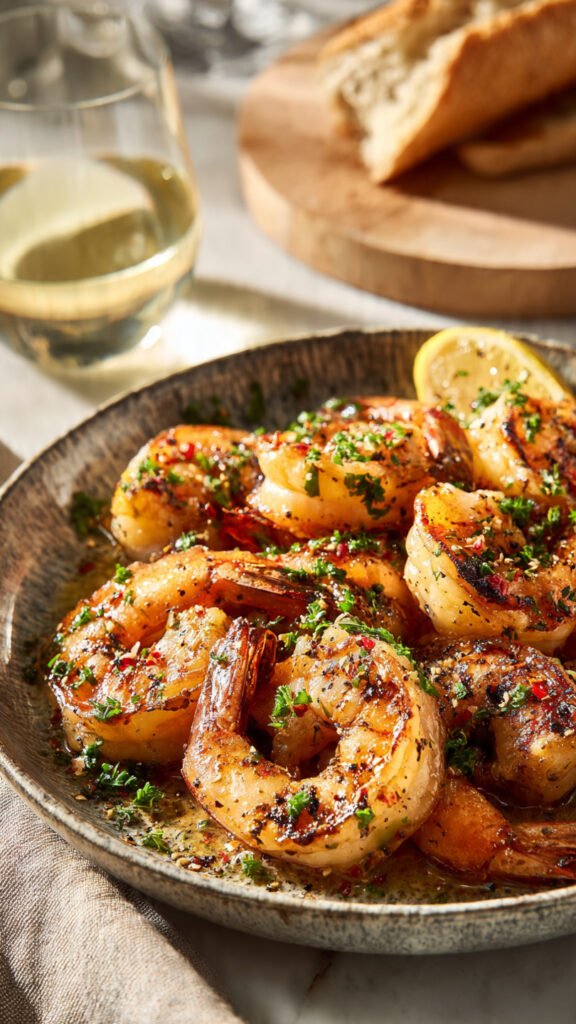
Let them sit undisturbed for 2–3 minutes. You want the bottom to turn a deep pink and the edges to get opaque. You should hear a distinct sizzle—that is the sound of the Maillard reaction (fancy science talk for “flavor happening”).
4. The Flip & Garlic
Flip the shrimp. They should be golden on the seared side. Now, toss in your minced garlic and red pepper flakes. We add the garlic after the flip because if we added it at the start, it would be burnt charcoal by now. Cook for another 1–2 minutes.
Tip: Keep the garlic moving in the oil/butter mixture so it becomes fragrant but not dark brown.
5. Deglaze and Emulsify
If you’re using wine, pour it in now. It will hiss aggressively. Scrape up any brown bits stuck to the bottom of the pan (that’s the “fond,” aka pure flavor). Let the wine reduce by half (about 1 minute).
Add the remaining butter and the lemon juice. Swirl the pan around. As the cold butter melts into the hot liquid, it will create a creamy, glossy sauce without needing any cream. This is a technique called monter au beurre. It makes you sound very French.
6. Finish and Garnish
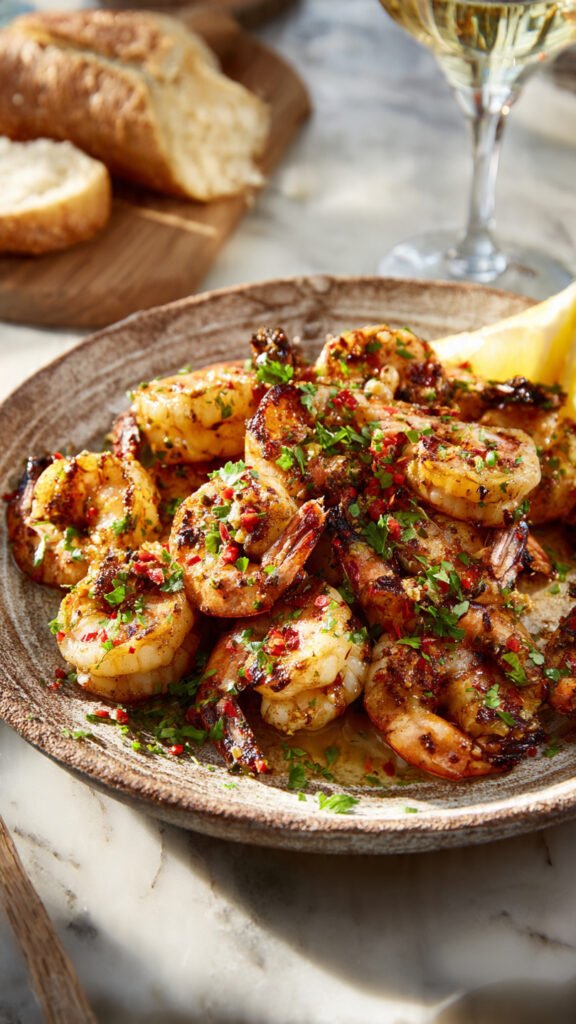
Turn off the heat immediately. The residual heat will finish cooking the shrimp. You’ll know they are done when they form a loose “C” shape. If they look like a tight “O,” you’ve gone too far (RIP).
Toss in the fresh parsley and lemon zest. Stir to coat everything in that glorious garlic butter bath.
Common Mistakes to Avoid
Even the best of us trip up sometimes. Here is how to avoid ruining your expensive seafood.
- The “Rubber Tire” Effect: Overcooking shrimp is a crime against humanity. Colossal shrimp cook slower than small ones, but they still cook fast. The second they are opaque all the way through, get them off the heat.
- The Soggy Sear: I mentioned this before, but putting wet shrimp in a pan guarantees disappointment. Dry your shrimp. It’s the single biggest factor in flavor development.
- Burning the Garlic: Burnt garlic tastes bitter and acrid. It ruins the whole dish. If you see your garlic turning black, honestly? Start the sauce over. It’s not worth saving.
- Using Margarine: Just don’t. Margarine is oil trying to be butter. It won’t emulsify the same way, and the flavor will be lacking. Real butter or bust.
- Crowding the Pan: If you pile all the shrimp on top of each other, the temperature of the pan drops drastically. You end up with a gray, watery mess. Give them personal space.
Alternatives & Substitutions
Not feeling the garlic butter vibe? Or missing an ingredient? Here is how to pivot:
- Make it Spicy (Cajun Style): Swap the Italian herbs for a heavy dusting of Cajun seasoning or Old Bay. Ditch the wine for a splash of beer or chicken stock. Serve over grits if you want to win at life.
- Dairy-Free: Okay, if you must. Swap the butter for high-quality Ghee (which has the milk solids removed) or just stick to extra virgin olive oil. It won’t be as creamy, but it will still be tasty.
- Grilling: If the weather is nice, skewer these bad boys. Brush them with the garlic butter mixture after you flip them on the grill so the garlic doesn’t burn in the flames.
- Asian Fusion: Swap lemon for lime, parsley for cilantro, and add a splash of soy sauce and ginger instead of salt and wine. Boom. Totally different vibe.
FAQ (Frequently Asked Questions)
Q: Can I use frozen colossal shrimp? A: Absolutely. Most “fresh” shrimp at the counter were previously frozen anyway. Just buy the bag of frozen ones—they are usually cheaper and processed right on the boat for peak freshness.
Q: How do I know when they are done? A: Visually, they turn pink and opaque. Texturally, give them a poke. They should feel firm with a slight spring back. If they are squishy, they are raw. If they are rock hard, you made bouncy balls.
Q: Can I reheat leftovers? A: Technically, yes. But microwaving seafood is a workplace felony for a reason—it smells, and it destroys the texture. If you must reheat, do it gently in a pan with a little water or butter over low heat. Or just eat them cold over a salad!
Q: What is the “vein” and do I really have to remove it? A: The “vein” is the shrimp’s digestive tract. AKA: poop chute. Is it harmful to eat? No. Is it gritty and gross? Yes. Remove it.
Q: What do I serve this with? A: Pasta (linguine is best), crusty sourdough bread (mandatory for mopping up sauce), roasted asparagus, or a simple risotto.
Q: My sauce broke and looks oily! What happened? A: The pan was probably too hot when you added the final butter or lemon juice. Add a teaspoon of cold water and whisk vigorously off the heat—it might come back together!
Final Thoughts
There you have it. You are now fully equipped to tackle this colossal shrimp recipe like a pro.
Cooking seafood doesn’t have to be scary. It’s actually one of the fastest meals you can make. The key is confidence (and butter—mostly butter). Whether you are making this for a date night, a dinner party, or just because it’s Tuesday and you deserve nice things, I hope you enjoy every bite.
Now go impress someone—or yourself—with your new culinary skills. You’ve earned it!