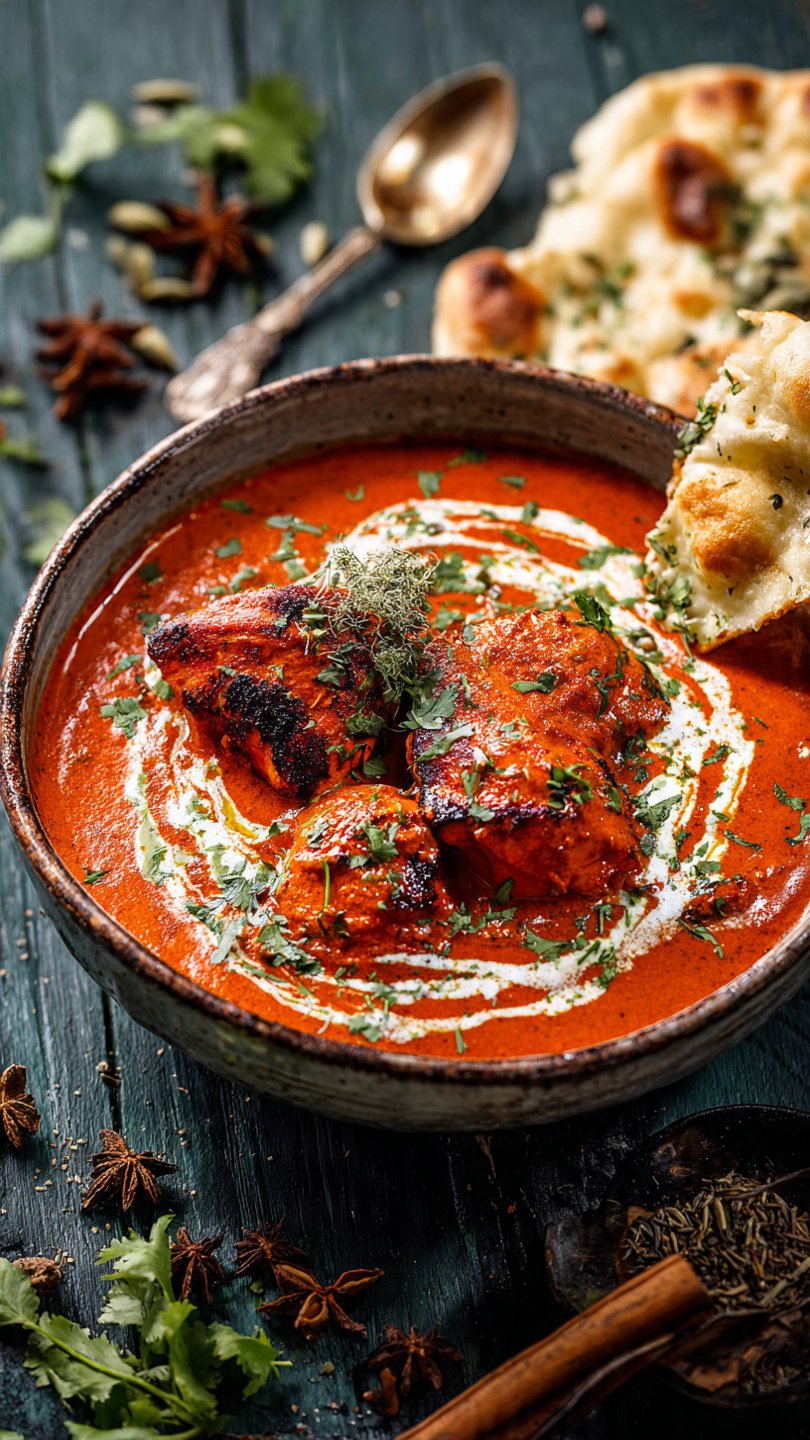
🥘 The Ultimate Chicken Butter Recipe
👩🍳 The Busy Home Cook's Arsenal
Consistently cooking incredible meals for your family doesn't mean spending three hours in the kitchen every night. These are the 5 absolute life-saving appliances and culinary tools that dramatically cut down prep time while guaranteeing restaurant-quality results.
🌪️ Ninja 4-Quart Air Fryer
The machine that completely changed weeknight dinners. It preheats in seconds and cooks frozen vegetables, chicken wings, and battered fish to an incredibly crispy, deep-fried texture using 75% less oil and taking half the time of a traditional oven.
⏱️ Instant Pot Duo 7-in-1 Pressure Cooker
Forget slow cookers that take 8 hours. This legendary appliance aggressively pressure cooks tough cuts of meat into melt-in-your-mouth tender roasts, stews, and perfectly fluffy rice in under 45 minutes, saving you when you forget to defrost dinner.
🔪 Victorinox Fibrox Pro 8" Chef's Knife
A dull knife is dangerous and makes chopping vegetables a miserable chore. This exact blade reigns supreme in professional kitchens because it holds a terrifyingly sharp edge, features a non-slip grip, and costs significantly less than heavy German steel.
🌡️ ThermoPro Instant Read Thermometer
The secret difference between dry, rubbery chicken and juicy perfection. Stop nervously slicing your proteins open to check if they're done—this waterproof digital pen gives you a highly accurate temperature reading in less than three seconds.
🥤 Vitamix 5200 Professional-Grade Blender
Whether you are making silky-smooth breakfast smoothies, pureed soups from scratch, or blending absolutely lump-free sauces, this famously indestructible motor pulverizes anything you throw at it. It literally heats soup from the friction of the blades alone.
So, you’re currently lying on the couch, scrolling through food delivery apps, debating whether you should spend $40 on a single container of curry and some sad, lukewarm naan. I see you. I am you.
But here’s the deal: Put the phone down.
You are craving something rich, creamy, slightly spicy, and soul-huggingly delicious. You want that velvety orange sauce that stains your Tupperware forever but tastes so good you don’t even care. You want the best Chicken Butter recipe (or Butter Chicken, as the cool kids and the rest of the world call it) that you can make in your pajamas.
This isn’t just “another curry.” This is The One. It’s the recipe that will make you text your mom and say, “Sorry, I cook better than you now.”
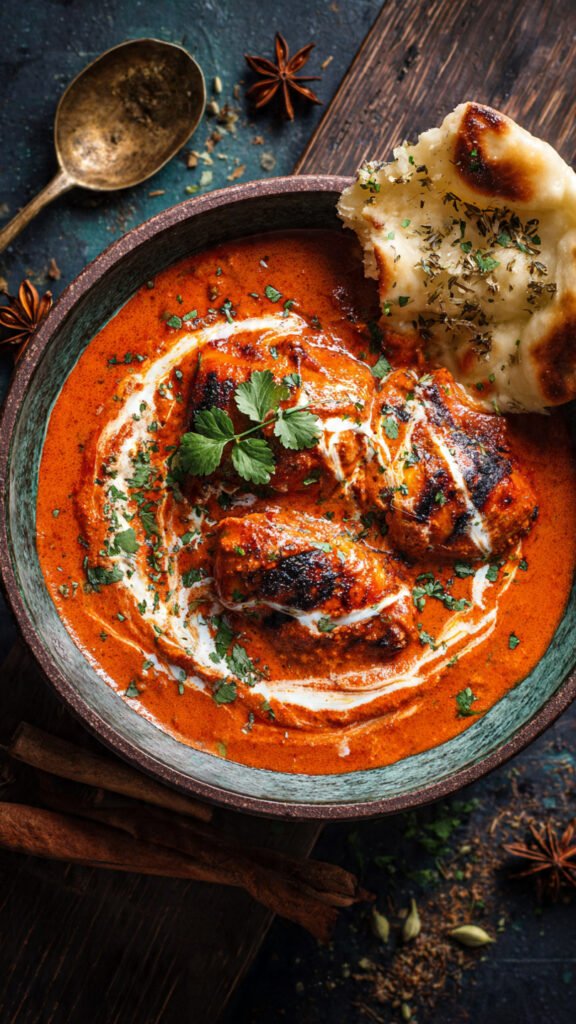
Why This Recipe is Awesome
Look, I know the internet is flooded with recipes claiming to be “authentic.” And honestly? Who has the time to hunt down rare spices that you’ll use once and then let expire in the back of your cupboard for three years?
This Chicken Butter recipe strikes the perfect balance between “legit flavor” and “I can actually find these ingredients at my local grocery store.”
1. It’s Cheaper Than Your Takeout Habit
Let’s be real—ordering Indian food is an expensive hobby. By making this at home, you’re getting a massive pot of gold (liquid gold, that is) for a fraction of the price. Plus, you control the portion sizes. Want a bowl that is 90% sauce? Go for it. No one is judging you here.
2. The Texture is Ridiculous
We are talking about a sauce so smooth it should have its own R&B album. We achieve this through a specific cooking method (more on that later) that emulsifies the butter, cream, and tomatoes into a unified state of bliss. It clings to the chicken; it clings to the rice; it clings to your soul.
3. It’s Forgiving
Unlike baking a soufflé where if you breathe too loud the whole thing collapses, this curry is pretty idiot-proof. Even if I didn’t mess it up the first time—and I once burned microwave popcorn—you’re going to be fine. It’s a slow-simmer situation where the flavors just get to know each other intimately.
4. The Sensory Experience
Cooking this is better than any scented candle you own. The moment the garam masala hits the hot butter, your kitchen will smell like a high-end spice bazaar. It’s warm, it’s inviting, and it screams comfort.
Ingredients You’ll Need
Okay, let’s raid the pantry. Don’t panic at the length of the list; half of it is spices you probably already have.
The Chicken & Marinade (The Foundation)
- Chicken Thighs: Boneless, skinless. Pro Tip: Do not use chicken breast. Just don’t. It dries out faster than my plants when I go on vacation. Thighs stay juicy and tender.
- Yogurt: Plain, full-fat Greek yogurt. This is the tenderizer. The enzymes and lactic acid break down the meat fibers so it melts in your mouth.
- Garlic & Ginger: Fresh is best. If you use the jarred stuff, I won’t call the police, but I will be silently disappointed.
- Lemon Juice: Just a squeeze for acidity.
- Spices: Turmeric, Chili Powder (Kashmiri if you can find it for that bright red color, otherwise regular is fine), and Cumin.
The “Butter” Gravy (The Magic)
- Butter: Unsalted. You need a decent amount. It’s in the name, folks. Don’t try to make this a “diet” recipe. Live a little.
- Onion: Finely chopped. We want it to disappear into the sauce.
- Canned Tomato Puree/Sauce: Or very smooth crushed tomatoes. We aren’t making a chunky salsa here; we want velvet.
- Heavy Cream: Not milk. Not half-and-half. Heavy. Cream.
- Sugar: Just a teaspoon. This balances the acidity of the tomatoes. Essential science stuff.
- Dried Fenugreek Leaves (Kasuri Methi): FYI, this is the secret weapon. If you leave this out, it’s just tomato chicken. This herb gives it that distinct “restaurant” flavor.
- Garam Masala: The holy grail spice mix.
- Cashews (Optional): Soaked and blended if you want it extra thick, but the cream usually does the job.
Step-by-Step Instructions
Ready to feel like a MasterChef? Let’s do this.
Phase 1: The Marination Station
1. Cut and Coat: Cut your chicken thighs into bite-sized chunks. In a bowl, mix the yogurt, garlic, ginger, lemon juice, and the marinade spices. Toss the chicken in there. Massage it with your hands (wash them first, please).
2. The Waiting Game: Let it sit. Ideally, overnight. Realistically? 30 minutes while you prep everything else. This allows the yogurt to tenderize the meat.
Phase 2: The Sear
3. Get it Hot: Heat a large skillet or pot over medium-high heat with a dab of oil.
4. Char it Up: Add the chicken pieces. Do not crowd the pan. If you crowd them, they will steam and turn gray and sad. We want the Maillard reaction—that beautiful browning that creates flavor depth. Cook them until they have a nice char (about 3 mins per side). They don’t need to be fully cooked inside yet; they’ll finish in the bath later. Remove chicken and set aside.
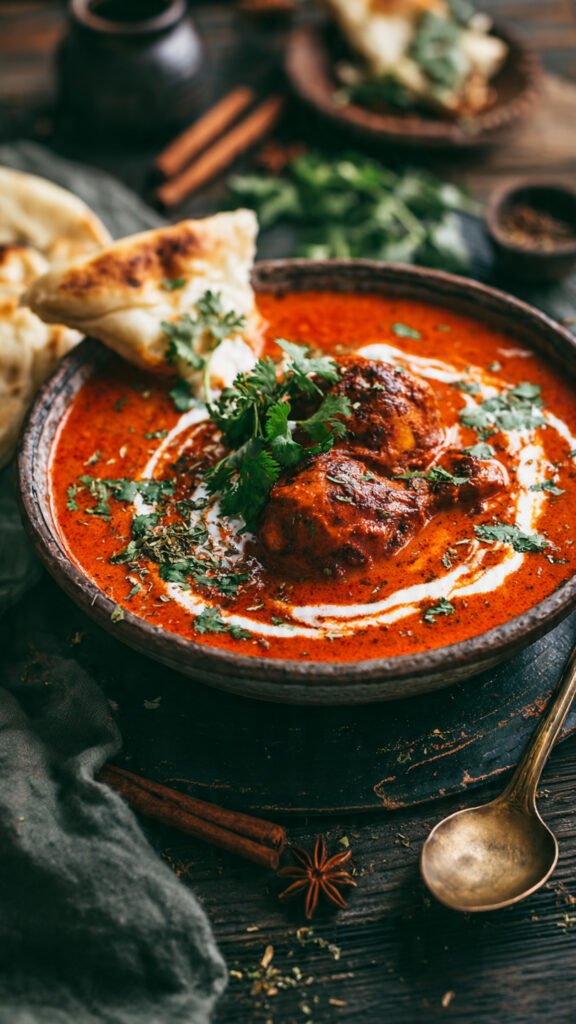
Phase 3: The Gravy (The Science of Sauce)
5. The Aromatics: In the same pan (don’t wash it! That stuck-on brown stuff is flavor!), melt a big knob of butter. Add your onions. Cook them slowly until they are soft and golden. Not burnt, just sweaty and sweet. Add more ginger and garlic because we aren’t vampires.
6. Spice Bloom: Add your garam masala, cumin, and chili powder to the hot butter/onion mix. This is called “blooming” the spices. Fat-soluble flavor compounds are released when spices hit hot oil. It smells incredible.
7. The Simmer: Pour in the tomato puree. Scrape the bottom of the pan to get the charred chicken bits (the fond) mixed in. Let this bubble away for about 10-15 minutes on low. You want the tomato to cook down and lose that raw, metallic taste. It should darken in color.
8. The Union: Toss the cooked chicken (and any juices on the plate) back into the pot. Simmer for another 5-8 minutes until the chicken is cooked through.
9. The “Velveting”: Turn the heat to low. Crucial step: Stir in the heavy cream and the rest of the butter. Watch as the sauce transforms from dark red to that iconic bright orange.
10. The Secret Weapon: Rub the dried fenugreek leaves between your palms over the pot to crush them into a powder. sprinkle them in. Add the sugar and salt to taste. Stir. Taste it. Try not to scream because it’s so hot. Adjust salt if needed.
Common Mistakes to Avoid
Even the best of us trip up sometimes. Here is how to avoid culinary disaster.
- Thinking Chicken Breast is “Healthier”: Sure, it has less fat, but in this recipe, it turns into rubber. The acidity of the tomato and the heat of the curry requires the durability of the thigh meat. Trust me on this one.
- Burning the Garlic: Garlic goes from “aromatic” to “burnt tire” in about 30 seconds. Watch your pan like a hawk when the garlic goes in.
- Adding Cream to Boiling Sauce: If the sauce is boiling violently when you add the cream, it might curdle (separate). Remove the pan from the heat for a second or turn it way down before adding the dairy.
- Skipping the Sugar: Tomatoes are acidic. If your curry tastes sour, it’s because you skipped the sugar. You need that balance to round out the flavor profile.
- Using “Curry Powder”: Generic yellow “curry powder” is not the same as Garam Masala. It will make your dish taste like a generic British pub stew, not authentic Chicken Butter.
Alternatives & Substitutions
I get it, sometimes the pantry is empty, or you have dietary restrictions.
- Dairy-Free / Vegan: Swap the chicken for firm tofu (pressed and cubed) or roasted cauliflower. For the sauce, use full-fat coconut milk instead of cream, and coconut oil or vegan butter. It changes the flavor slightly (more tropical), but it’s still bomb.
- The “I Forgot to Thaw Chicken” Hack: Grab a rotisserie chicken from the store. Shred it. Make the sauce as described, and just toss the cooked rotisserie chicken in at the end to warm through. I won’t tell anyone.
- Spice Level: This dish is traditionally mild. If you want to sweat, add Cayenne pepper or chop up a fresh jalapeño/green chili and sauté it with the onions.
- Nut Allergy: Many restaurants use cashew paste to thicken the sauce. This recipe relies on cream and butter reduction, so it’s naturally nut-free!
FAQ (Frequently Asked Questions)
1. Can I freeze this? Absolutely. In fact, like most stews and curries, it tastes even better the next day after the flavors have had a slumber party in the fridge. Freeze it for up to 3 months. Just thaw it in the fridge before reheating so the cream doesn’t get weird.
2. What do I serve this with? Basmati rice is the standard. Naan bread is the dream. If you are low-carb (why?), cauliflower rice works surprisingly well because the sauce is so flavorful it masks the cauliflower taste.
3. Is this spicy? Not really. It’s aromatic and warm, but not “burn your face off” hot. It’s very kid-friendly.
4. Can I use margarine instead of butter? Well, technically yes, but why hurt your soul like that? Margarine is oil and water emulsion; it doesn’t have the richness of dairy fat. Use the real stuff. IMO, it makes or breaks the dish.
5. Where do I find Fenugreek leaves? Check the international aisle of your grocery store or a local Indian market. It usually comes in a box labeled “Kasuri Methi.” If you absolutely can’t find it, you can skip it, but you’ll be missing that top 5% of flavor magic.
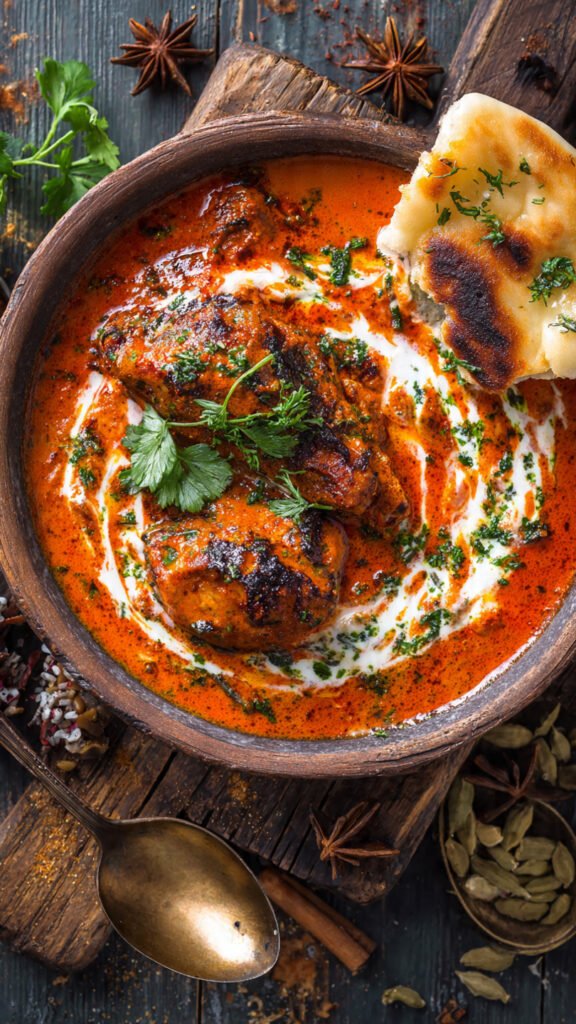
Final Thoughts
And there you have it. A Chicken Butter recipe that is creamy, dreamy, and guaranteed to make you the most popular person in your house (even if you live alone—you’ll like yourself more).
Cooking shouldn’t be stressful. It should be about throwing things in a pot, making the house smell amazing, and eating something that makes you close your eyes and go, “Mmmm.”
Now go impress someone—or yourself—with your new culinary skills. You’ve earned it!