🥟 Spicy Momo Sauce Recipe: The Dip Your Dumplings Deserve
👩🍳 The Busy Home Cook's Arsenal
Consistently cooking incredible meals for your family doesn't mean spending three hours in the kitchen every night. These are the 5 absolute life-saving appliances and culinary tools that dramatically cut down prep time while guaranteeing restaurant-quality results.
🌪️ Ninja 4-Quart Air Fryer
The machine that completely changed weeknight dinners. It preheats in seconds and cooks frozen vegetables, chicken wings, and battered fish to an incredibly crispy, deep-fried texture using 75% less oil and taking half the time of a traditional oven.
⏱️ Instant Pot Duo 7-in-1 Pressure Cooker
Forget slow cookers that take 8 hours. This legendary appliance aggressively pressure cooks tough cuts of meat into melt-in-your-mouth tender roasts, stews, and perfectly fluffy rice in under 45 minutes, saving you when you forget to defrost dinner.
🔪 Victorinox Fibrox Pro 8" Chef's Knife
A dull knife is dangerous and makes chopping vegetables a miserable chore. This exact blade reigns supreme in professional kitchens because it holds a terrifyingly sharp edge, features a non-slip grip, and costs significantly less than heavy German steel.
🌡️ ThermoPro Instant Read Thermometer
The secret difference between dry, rubbery chicken and juicy perfection. Stop nervously slicing your proteins open to check if they're done—this waterproof digital pen gives you a highly accurate temperature reading in less than three seconds.
🥤 Vitamix 5200 Professional-Grade Blender
Whether you are making silky-smooth breakfast smoothies, pureed soups from scratch, or blending absolutely lump-free sauces, this famously indestructible motor pulverizes anything you throw at it. It literally heats soup from the friction of the blades alone.
So, you’ve got the dumplings, but where’s the soul?
Let’s be real for a second. You could have the most perfectly pleated, juicy, hand-crafted momos (dumplings) in the world, but if you dip them in ketchup or—heaven forbid—plain soy sauce, you are committing a culinary crime. I don’t make the rules; I just enforce them.
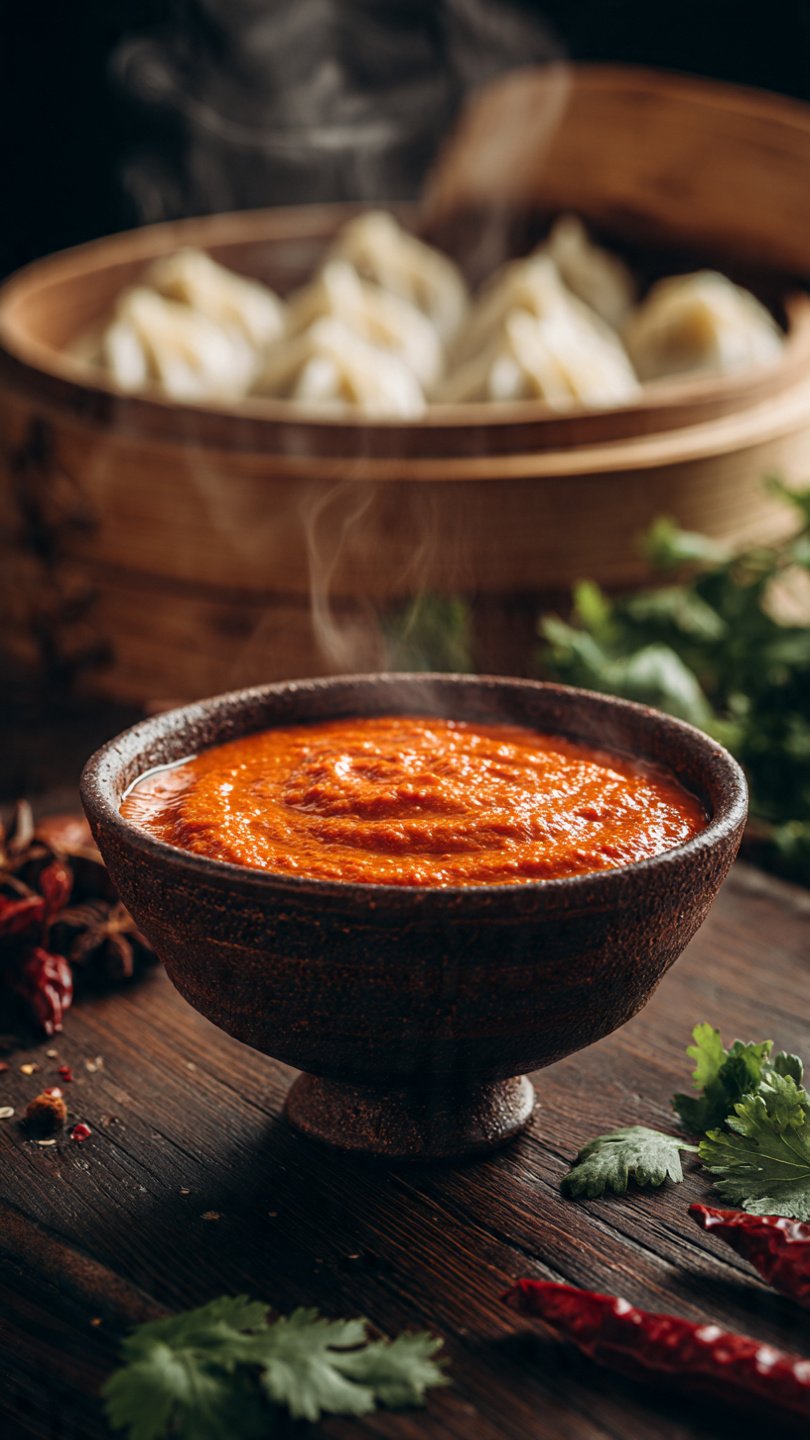
So you’re craving something tasty but too lazy to spend forever in the kitchen, huh? Same. That’s why we’re making this momo sauce recipe. In the Himalayas (and on the streets of Nepal and Tibet), the sauce—often called momo ko achar—is arguably more important than the dumpling itself. It’s that spicy, tangy, vibrant orange elixir that makes your nose run and your heart sing simultaneously.
Grab your blender and let’s fix your dumpling situation.
Why This Recipe is Awesome
Look, I’ve eaten enough momos to turn into a dumpling, and I can tell you that a bad sauce ruins the whole experience. This particular momo sauce recipe is the holy grail for a few reasons, and I’m going to break them down so you understand why we aren’t just mixing Sriracha with mayo and calling it a day.
1. It’s The Perfect Balance of “Hurts So Good”
Have you ever eaten something so spicy you questioned your life choices, but it was so tasty you couldn’t stop? That’s this sauce. We are aiming for a specific flavor profile here: tangy (from the tomatoes), spicy (from the dried chilies), nutty (the secret sesame weapon), and numbing (if you can find Szechuan peppercorns). It hits every single taste receptor on your tongue. It’s complex without being complicated.
2. The Texture is King
Store-bought chili sauces are often too vinegary or too thin. They slide right off the dumpling. Tragedy! This recipe uses toasted sesame seeds and roasted vegetable pulp to create a thick, emulsified texture that clings to your momo like a needy ex. It coats the wrapper perfectly, ensuring every bite is saturated with flavor.
3. It’s a “Fridge Hero”
While we call it momo sauce, let’s be honest: you’re going to put this on everything. It transforms boring scrambled eggs into a gourmet breakfast. It makes plain rice taste like a feast. I’ve even dipped pizza crusts in it (don’t judge me until you try it). Once you make a batch, it sits in your fridge for a week, ready to save your bland meals from mediocrity.
4. It’s Idiot-Proof
I mean this with love: even I didn’t mess it up the first time I made it. And I once burned water. The blender does 90% of the work here. Your job is mostly just “don’t burn the sesame seeds” and “don’t rub your eyes after touching chilies.” If you can follow those two rules, you’re golden.
Ingredients You’ll Need
We aren’t using anything too wild here, but quality matters. Don’t try to substitute the fresh stuff for powders unless you’re truly desperate.
- Ripe Red Tomatoes (3-4 medium): The backbone of the sauce. Use the reddest, ripest ones you can find. If they are hard and pale, your sauce will be sad.
- Dry Red Chilies (8-10 pieces): This depends on your spice tolerance. I use the dried variety because they have a deeper, smokier flavor than fresh green ones. Pro Tip: Soak them in hot water if you want a smoother blend.
- Garlic (5-6 cloves): Don’t be shy. Vampires should fear this sauce.
- Ginger (1-inch piece): Fresh ginger brings that sharp, zesty heat that clears your sinuses.
- Sesame Seeds (2 tablespoons): This is the secret ingredient. White sesame seeds add a nutty creaminess and thicken the sauce. Without this, it’s just salsa.
- Szechuan Peppercorns / Timur (1 teaspoon – Optional but recommended): If you want that authentic Himalayan “tingle” (the numbing sensation), toss these in. If you can’t find them, the sauce is still good, just less magical.
- Vegetable Oil (1 tablespoon): Neutral oil is best. Canola or sunflower works.
- Lemon Juice or Vinegar (1 teaspoon): To brighten everything up at the end.
- Salt: To taste. obviously.
- Pinch of Sugar: Just a tiny bit to balance the acidity of the tomatoes.
- Turmeric Powder (½ teaspoon): Mostly for that vibrant color.
Step-by-Step Instructions
Alright, apron on. Or don’t wear one and live dangerously. Here is how we make the magic happen.
Phase 1: The Roast (Flavor Development)
1. Roast the Tomatoes and Garlic You have two choices here: boil them or roast them. I highly recommend roasting. Why? Because boiling adds water (flavor dilution), while roasting evaporates water and caramelizes the sugars (flavor bomb).
- Cut the tomatoes in half.
- Heat a pan with a little oil over medium heat.
- Throw in the tomatoes (skin side down), the garlic cloves, and the ginger.
- Let them get a nice char. We want the tomato skins to look a little blistered and black. This adds a smoky depth you can’t fake.
- Sensory Check: Your kitchen should smell like an Italian grandmother and a spicy curry house had a baby.
2. Deal with the Chilies While the tomatoes are blistering, take your dry red chilies and soak them in a bowl of very hot water for about 10–15 minutes. This softens the skins so you don’t end up with plasticky flakes in your sauce. If you have a high-powered blender, you can skip the soak, but why risk it?
Phase 2: The Toast (The Secret Step)
3. Toast the Sesame and Peppercorns In a separate small dry pan (no oil!), toss in your sesame seeds and Szechuan peppercorns.
- Turn the heat to low-medium.
- Watch them like a hawk. Sesame seeds go from “perfectly golden and nutty” to “burnt and bitter” in roughly 3.5 seconds.
- Toast them just until the seeds turn a light golden brown and release a nutty aroma. Immediately remove them from the hot pan so they don’t keep cooking.
Phase 3: The Blend (The Transformation)
4. Peel the Tomatoes (Optional) Once your tomatoes are roasted and slightly cooled, you can peel the blackened skins off if you want a super smooth sauce. Personally? I leave them on. I like the rustic texture and the smoky char flavor. It’s your call.
5. Blitz It All This is the easy part. Toss the roasted tomatoes, garlic, ginger, drained soaked chilies, toasted sesame seeds, Szechuan peppercorns, salt, sugar, turmeric, and lemon juice into your blender.
6. Pulse to Perfection Start pulsing. You might need to add a splash of water (or the water you soaked the chilies in) to get it moving.
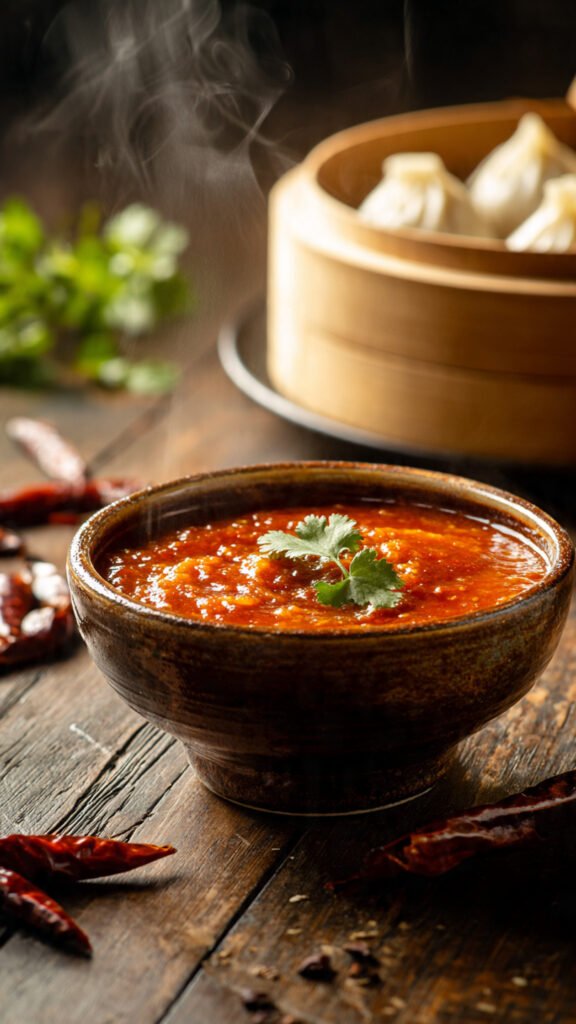
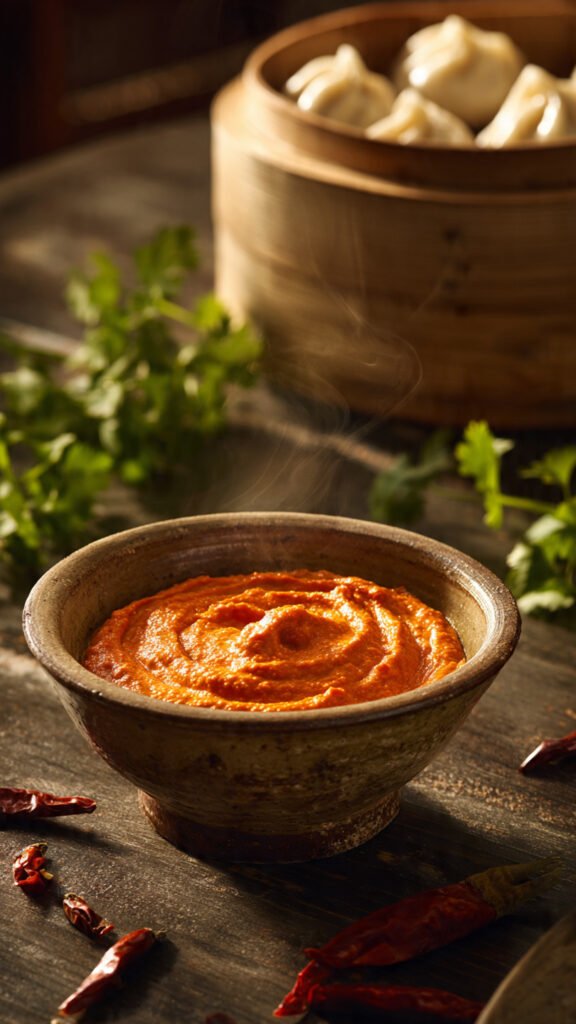
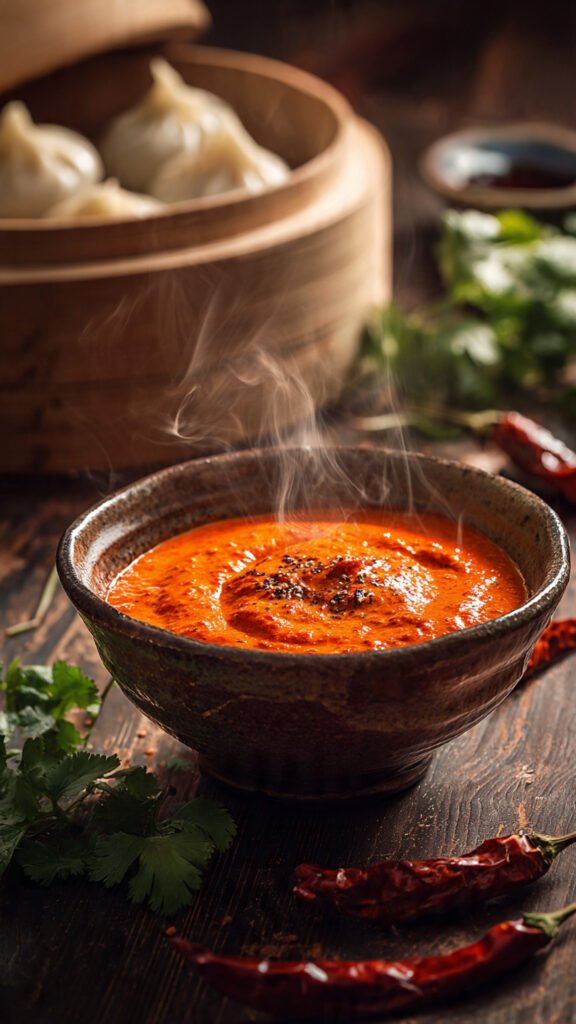
- Texture Goal: You aren’t making a juice. You want a thick, creamy chutney consistency. It should be spoonable, not pourable.
- Blend until it turns a vibrant, angry orange color.
Phase 4: The Taste Test (Critical)
7. Adjust on the Fly Stop the blender and taste it. (Use a spoon, don’t stick your finger in the blades, obviously).
- Too spicy? Add a pinch more sugar or a little more lemon juice.
- Too bland? More salt.
- Not tangy enough? More lemon/vinegar.
- Too thick? Splash of warm water.
8. The Final Tempering (Optional Professional Move) If you want to be extra fancy, heat 1 tablespoon of oil in a small pan, throw in a pinch of fenugreek seeds or cumin seeds, let them crackle, and pour that hot oil directly over the finished sauce. It adds a glossy finish and an extra layer of aroma. Totally optional, but it impresses people.
Common Mistakes to Avoid
Listen, I want you to succeed. Avoid these rookie errors so you don’t end up texting me (or searching Google) in a panic.
- Burning the Sesame Seeds: I mentioned this before, but I’m saying it again because it happens all the time. If the seeds turn dark brown or black, throw them out and start over. Burnt sesame tastes like dirt.
- Using Unripe Tomatoes: If your tomatoes are hard and green inside, your sauce will be sour and watery. If you can’t find good fresh ones, use whole canned San Marzano tomatoes. It’s better than bad fresh ones.
- Forgetting to Salt: Tomatoes need a lot of salt to wake up. If your sauce tastes “flat,” you probably just need another pinch of salt.
- Rubbing Your Eyes: You are handling exorbitant amounts of chili. If you rub your eyes, nose, or… other sensitive areas… you will have a very bad day. Wash your hands thoroughly with soap, or wear gloves if you’re fancy.
- Serving it Ice Cold: The flavors are muted when it’s fridge-cold. Let it sit at room temperature for 20 minutes before serving for maximum flavor impact.
Alternatives & Substitutions
Kitchen catastrophes happen. If you’re missing something, here is how to pivot without crying.
- No Sesame Seeds? You can use peanuts! Roasted unsalted peanuts give a very similar nutty thickness. In fact, peanut-based momo sauce is a popular variation in some parts of Nepal. It changes the flavor profile slightly but is still delicious.
- Can’t Find Dry Red Chilies? You can use red chili powder or cayenne pepper. Start with 1 teaspoon and work your way up. It won’t have the same depth or texture, but it brings the heat. You could also use fresh red chilies (bird’s eye) if you want sharp, fresh heat.
- No Szechuan Peppercorns (Timur)? Just skip them. Or, add a tiny pinch of ground black pepper. It won’t numb your tongue, but it adds a little kick.
- Vegan? Gluten-Free? Good news! This recipe is naturally Vegan and Gluten-Free (assuming you didn’t sneak any soy sauce in there). It’s a crowd-pleaser for dietary restrictions.
- Want it Creamier? Some people add a tablespoon of yogurt. It cuts the spice and makes it super creamy. Technically this moves it toward “tikka” territory, but hey, it’s your kitchen.
FAQ (Frequently Asked Questions)
1. How long does this momo sauce last in the fridge? If you use a clean, dry jar, it lasts about 5 to 7 days. But let’s be real, you’ll eat it all in two days.
2. Can I freeze this sauce? You can, but the texture might get a little weird and watery when it thaws because of the tomatoes. It’s so quick to make, I’d say just make it fresh. If you must freeze it, freeze it in ice cube trays for instant spicy flavor bombs later.
3. Is this sauce only for momos? Absolutely not! Use it as a spread for sandwiches, a dip for spring rolls, mixed into noodles, or served alongside roasted potatoes. It’s basically a spicy Himalayan ketchup.
4. My sauce is too spicy! How do I fix it? Panic mode! Okay, breathe. Add more roasted tomatoes if you have them. If not, add a little bit of sugar or honey. You can also mix in a spoonful of plain yogurt or coconut cream to mellow out the fire.
5. Can I use canned tomatoes? Yes. FYI: Canned whole peeled tomatoes are actually great because they are picked at peak ripeness. Drain them well before roasting or blending so the sauce isn’t too watery.
6. Why is my sauce bitter? You likely burned the garlic or the sesame seeds. There is no fixing burnt bitter flavor, unfortunately. You have to scrap it. RIP.
7. Can I use a food processor instead of a blender? Yes, but your sauce will be chunkier—more like a salsa. A blender gives you that smooth, vibrant, restaurant-style emulsion. Both taste good, it’s just a texture preference.
Final Thoughts
There you have it—the secret to making the ultimate momo sauce recipe right in your own kitchen. It’s spicy, it’s savory, and it’s honestly better than what you get at 90% of takeout spots.
Mastering this sauce is a power move. You are no longer dependent on the tiny, stingy plastic cups of sauce they give you with your delivery. You are the Captain of the Chutney now.
So, grab your dumplings (frozen or fresh, I won’t tell), blend up a storm, and prepare for your tastebuds to throw a party. Now go impress someone—or yourself—with your new culinary skills. You’ve earned it!