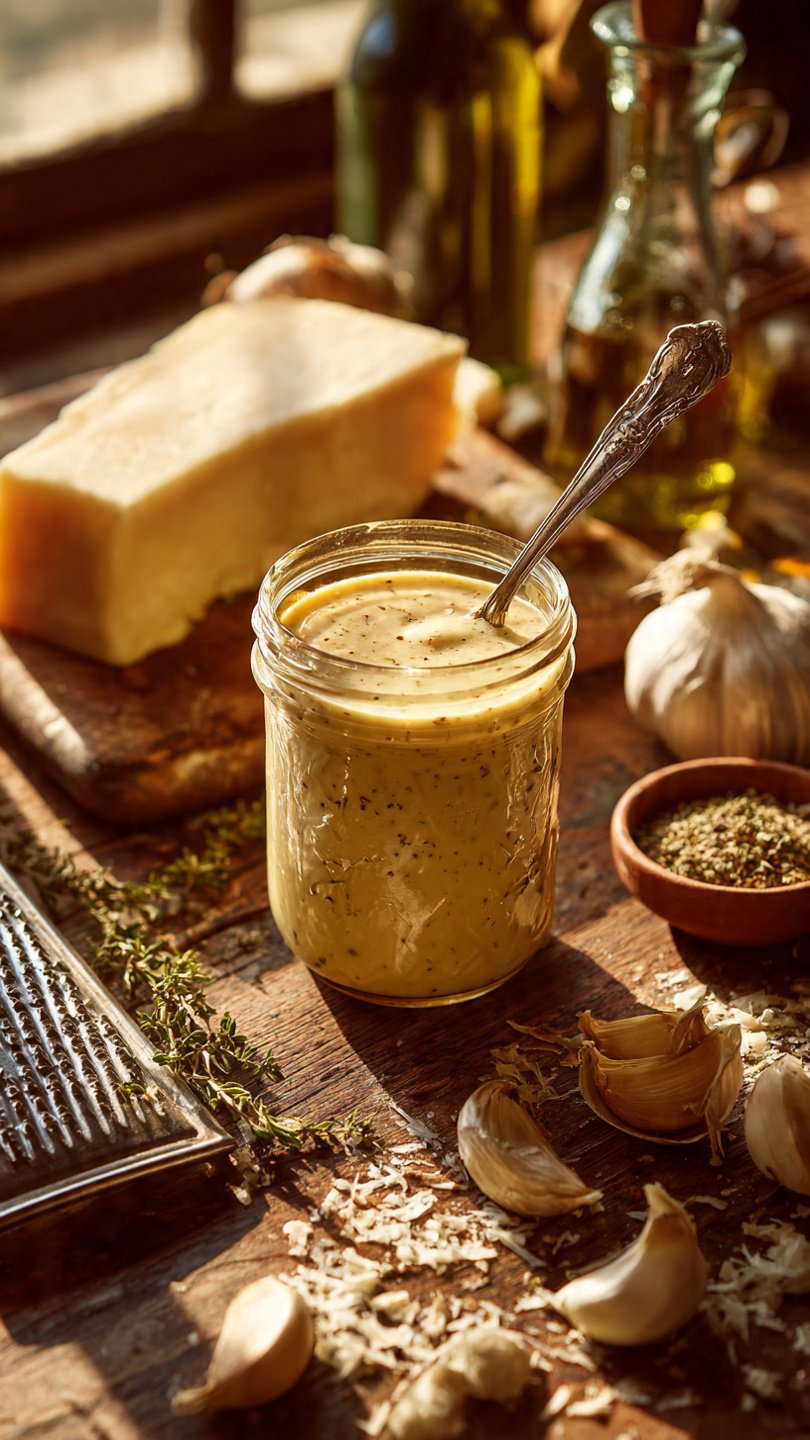
🥗 The Ultimate House Dressing Recipe (Better Than Takeout)
👩🍳 The Busy Home Cook's Arsenal
Consistently cooking incredible meals for your family doesn't mean spending three hours in the kitchen every night. These are the 5 absolute life-saving appliances and culinary tools that dramatically cut down prep time while guaranteeing restaurant-quality results.
🌪️ Ninja 4-Quart Air Fryer
The machine that completely changed weeknight dinners. It preheats in seconds and cooks frozen vegetables, chicken wings, and battered fish to an incredibly crispy, deep-fried texture using 75% less oil and taking half the time of a traditional oven.
⏱️ Instant Pot Duo 7-in-1 Pressure Cooker
Forget slow cookers that take 8 hours. This legendary appliance aggressively pressure cooks tough cuts of meat into melt-in-your-mouth tender roasts, stews, and perfectly fluffy rice in under 45 minutes, saving you when you forget to defrost dinner.
🔪 Victorinox Fibrox Pro 8" Chef's Knife
A dull knife is dangerous and makes chopping vegetables a miserable chore. This exact blade reigns supreme in professional kitchens because it holds a terrifyingly sharp edge, features a non-slip grip, and costs significantly less than heavy German steel.
🌡️ ThermoPro Instant Read Thermometer
The secret difference between dry, rubbery chicken and juicy perfection. Stop nervously slicing your proteins open to check if they're done—this waterproof digital pen gives you a highly accurate temperature reading in less than three seconds.
🥤 Vitamix 5200 Professional-Grade Blender
Whether you are making silky-smooth breakfast smoothies, pureed soups from scratch, or blending absolutely lump-free sauces, this famously indestructible motor pulverizes anything you throw at it. It literally heats soup from the friction of the blades alone.
So, you’re staring at a bag of mixed greens in your fridge, and it’s staring back at you, judging you. It knows you’re considering ignoring it for a slice of leftover pizza. But here’s the thing: salad doesn’t have to be the sad, soggy punishment we often make it out to be. It just needs a wardrobe change.
You know that specific “House Dressing” you get at those old-school Italian-American restaurants? The ones with the red checkered tablecloths and the breadsticks that never stop coming? That dressing is liquid gold. It’s tangy, it’s creamy (but not Ranch creamy), and it has that punch of garlic that scares away vampires and bad dates alike.
Well, guess what? You don’t need to put on pants and drive to a restaurant to get it. We are making it right here, right now. And honestly? It’s easier than finding something to watch on Netflix.
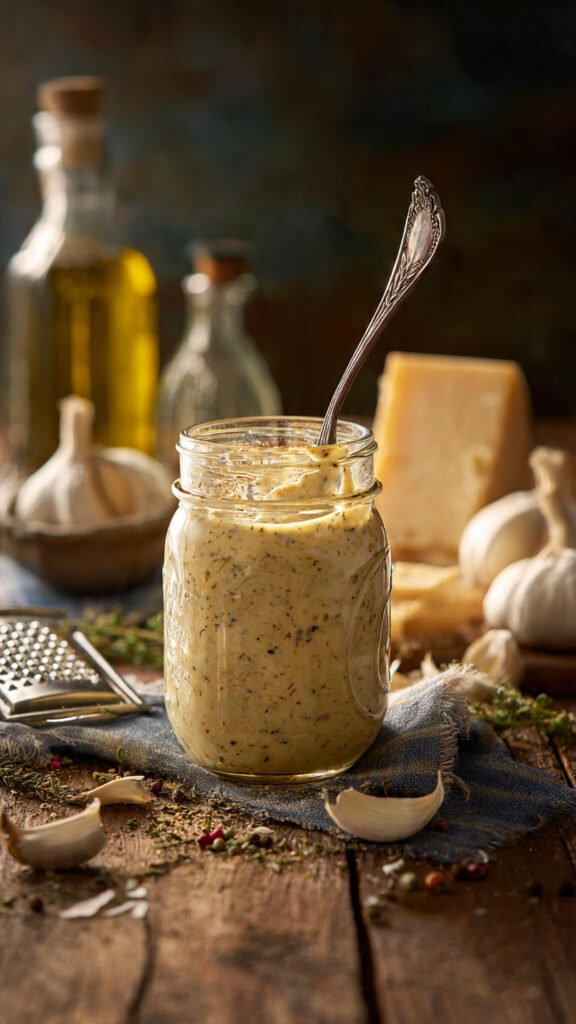
Why This Recipe is Awesome
Look, I’m not here to tell you how to live your life, but buying bottled dressing is basically paying for water, soybean oil, and sadness. Making your own house dressing recipe is a game-changer for a few reasons, and I’m going to list them because I like lists and I know you’re skimming.
1. It’s “Idiot-Proof” (Yes, Really) I have burned toast. I have boiled water until the pot was dry. But this? You literally cannot mess this up unless you drop the jar on the floor. It is a dump-and-shake situation. If you can shake a maraca, you can make this dressing.
2. The Flavor Profile is Complex We aren’t just mixing oil and vinegar here. We are building an ecosystem of flavor. We’ve got the sharp bite of red wine vinegar, the mellow nuttiness of Parmesan, the savory depth of garlic, and a secret creamy element that binds it all together. It hits every part of your tongue: salty, sweet, acidic, and savory (umami, for my fancy friends).
3. The Science of “The Cling” Have you ever poured dressing on a salad and it just slid off the leaves to form a puddle at the bottom of the bowl? Tragic. This recipe uses a specific emulsification technique (fancy word for mixing oil and water) that creates a slightly thickened texture. This ensures the dressing actually clings to your lettuce rather than abandoning ship.
4. It Gets Better with Age Unlike an avocado that goes from rock-hard to mush in 4 seconds, this dressing thrives on neglect. The longer it sits in your fridge, the more the dried herbs hydrate and the garlic infuses into the oil. It tastes better on day three than it does on day one. It’s the meal prep hero you didn’t know you needed.
Ingredients You’ll Need
Here is the lineup. Don’t panic, you probably have 90% of this in your pantry already. If you don’t, consider this your sign to become an adult who owns red wine vinegar.
- Extra Virgin Olive Oil (EVOO): This is the base, so use the good stuff. If it comes in a plastic jug the size of a toddler, maybe save that for frying. We want flavor here.
- Red Wine Vinegar: The non-negotiable acid. It provides that classic “pizzeria” tang.
- Garlic (Fresh AND Powder): Yes, both. Why? Fresh garlic gives you that spicy, aromatic kick, while garlic powder provides a savory, rounded background note. We are building layers, people!
- Dijon Mustard: Do not skip this! You won’t taste “mustard,” I promise. It acts as an emulsifier to stop the oil and vinegar from separating into a middle school dance (boys on one side, girls on the other).
- Mayonnaise: Put the pitchforks down. Just a tablespoon. This adds that velvety, creamy mouthfeel without turning it into a heavy cream dressing. It’s the secret to the “House” style.
- Parmesan Cheese: Grated. The powdery stuff is okay in a pinch, but freshly grated is superior. This adds the saltiness and the texture.
- Dried Oregano & Basil: Dried herbs are actually better here than fresh because they have a more concentrated flavor that stands up to the vinegar.
- Sugar (or Honey): Just a pinch. We aren’t making candy; we are neutralizing the aggressive acidity of the vinegar. Balance is key.
- Salt & Black Pepper: To taste. Obviously.
Step-by-Step Instructions
Ready to feel like a Michelin-star chef (or at least someone who has their life together)? Let’s do this.
1. The Prep Work First, peel your garlic clove. Mince it as fine as you humanly can. If you have a garlic press, use it. If you have a microplane, even better. We want the garlic to almost melt into the dressing, not leave you chewing on raw chunks (unless you’re into that, no judgment).
2. The “Flavor Base” Grab a medium-sized bowl or, my personal favorite, a generic mason jar. Add the red wine vinegar, Dijon mustard, mayonnaise, minced garlic, garlic powder, dried oregano, dried basil, sugar, salt, and pepper. Do not add the oil yet.
- Science Tip: Dissolving the salt and sugar in the vinegar before adding the oil ensures they actually dissolve. Salt doesn’t dissolve well in oil; it just stays gritty. You’re welcome.
3. The Whisk (or The Shake) If you are using a bowl: Whisk the vinegar mixture vigorously while slowly streaming in the olive oil. I mean slowly—like a trickle. This forces the oil droplets to disperse into the vinegar, creating that thick, creamy emulsion.
If you are using a jar (The Lazy/Smart Method): Pour the oil on top of the vinegar base. Screw the lid on tight—like, really tight. Now, shake it like you just won the lottery. Shake it for at least 30-45 seconds. The mayonnaise and mustard will work their magic, turning the separate liquids into a cohesive, creamy, beautiful dressing.
4. The Cheesy Finale Once the dressing is emulsified, stir in the grated Parmesan cheese. We add this last so it maintains a bit of texture and doesn’t get pulverized during the vigorous shaking process.
5. The “Marinate” (Patience, Grasshopper) Technically, you can eat this right now. But if you have the willpower, let it sit in the fridge for at least 30 minutes. This allows the dried herbs to wake up and the garlic to make friends with the oil. The flavor deepens significantly.
Common Mistakes to Avoid
Even though I said this was idiot-proof, humans are creative. Here are a few ways things could go sideways.
- Using “Light” Olive Oil: If the bottle says “Light tasting” or “For Sautéing,” it won’t have the flavor depth we want. We want that grassy, peppery punch of Extra Virgin.
- Skipping the Sweetener: You might think, “I’m watching my sugar!” It’s half a teaspoon for the whole jar. Without it, the vinegar can be too sharp and metallic. Just add it.
- Over-Salting Early: Parmesan cheese is salty. If you salt the dressing heavily before adding the cheese, you’re going to have a salt lick, not a salad dressing. Taste after adding the cheese.
- The “Lazy” Shake: If you just give the jar two half-hearted wobbles, it won’t emulsify. You need to put some muscle into it. Treat the jar like it owes you money.
Alternatives & Substitutions
Cooking is jazz, baby. Improvisation is allowed.
- “I hate Mayo!” Fine. You can swap the tablespoon of mayonnaise for Greek Yogurt (tangier) or just omit it entirely. If you omit it, add an extra teaspoon of Dijon mustard to help keep it emulsified.
- Make it Vegan Swap the Parmesan for nutritional yeast or a vegan parm alternative, and use a vegan mayo (or omit). Use maple syrup instead of honey. Boom. Plant-based magic.
- Vinegar Swaps Out of red wine vinegar? White wine vinegar is the closest cousin. Apple cider vinegar (ACV) works too, but it will taste more… fruity. Balsamic turns this into a balsamic vinaigrette (delicious, but a different vibe). Do not use distilled white vinegar unless you are cleaning your windows.
- Spice it Up Want a kick? Add a pinch of red pepper flakes to the jar. It adds a subtle heat that plays really nicely with the garlic.
FAQ (Frequently Asked Questions)
1. Can I use this as a marinade? Um, absolutely. This is actually a killer marinade for grilled chicken or shrimp. The vinegar tenderizes the meat, and the oil carries the flavor. Prick the chicken with a fork, dump it in a bag with this dressing, and let it sit for a few hours. You’re a grill master now.
2. Why did my dressing solidify in the fridge? Physics! Olive oil solidifies at cold temperatures. It’s totally normal and actually a sign you used real olive oil. Just pull it out of the fridge 15 minutes before dinner, or run the jar under warm water for 30 seconds and give it a shake.
3. How long does this last? Since there is fresh garlic and mayo in there, I’d say about 7 to 10 days in the fridge. But let’s be real, you’re going to drink it… I mean, eat it… before then.
4. Can I use fresh herbs instead of dried? You can, but the rule of thumb is 3:1. You need three times the amount of fresh herbs to equal the potency of dried. Also, fresh herbs will wilt and turn brown in the dressing faster, so only do this if you plan to eat it all that day.
5. Is this gluten-free? Generally, yes. Most red wine vinegars and mustards are gluten-free, but always—always—check the labels if you have an allergy.
6. Can I use a blender? You can, but it might change the texture of the olive oil (sometimes blending EVOO too fast makes it bitter). Plus, who wants to clean a blender? The jar method is superior.
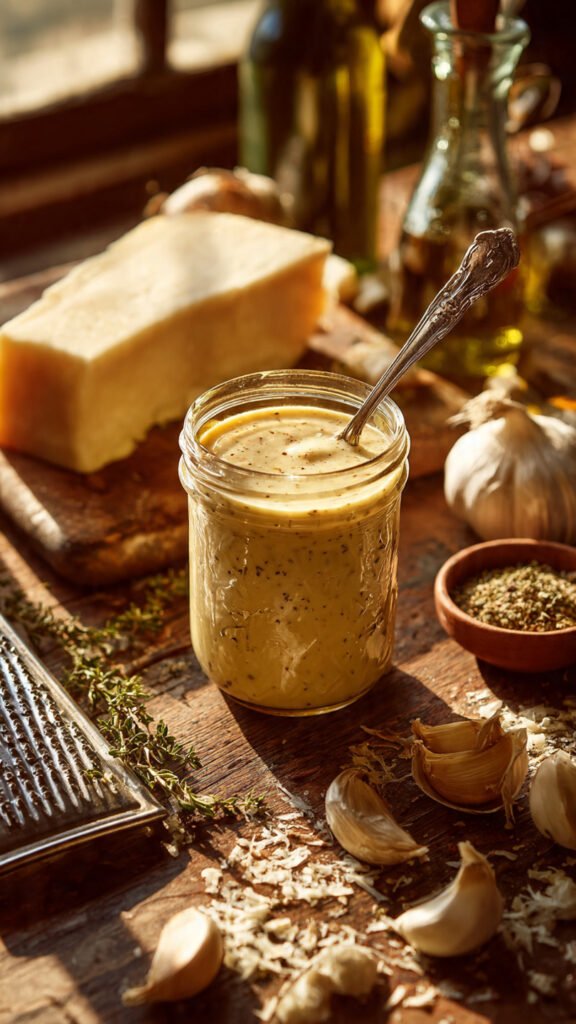
Final Thoughts
There you have it. The secret to transforming your sad desk lunch into a “dining al fresco in Tuscany” experience (okay, maybe that’s a stretch, but let me dream).
This house dressing recipe is a staple you will turn to again and again. It works on garden salads, pasta salads, sub sandwiches, and honestly, I’ve dipped pizza crust in it and I have zero regrets.
Now go impress someone—or yourself—with your new culinary skills. You’ve earned it!