🌮 The Ultimate Masa Tortilla Recipe: Soft, Puffy & Easy
👩🍳 The Busy Home Cook's Arsenal
Consistently cooking incredible meals for your family doesn't mean spending three hours in the kitchen every night. These are the 5 absolute life-saving appliances and culinary tools that dramatically cut down prep time while guaranteeing restaurant-quality results.
🌪️ Ninja 4-Quart Air Fryer
The machine that completely changed weeknight dinners. It preheats in seconds and cooks frozen vegetables, chicken wings, and battered fish to an incredibly crispy, deep-fried texture using 75% less oil and taking half the time of a traditional oven.
⏱️ Instant Pot Duo 7-in-1 Pressure Cooker
Forget slow cookers that take 8 hours. This legendary appliance aggressively pressure cooks tough cuts of meat into melt-in-your-mouth tender roasts, stews, and perfectly fluffy rice in under 45 minutes, saving you when you forget to defrost dinner.
🔪 Victorinox Fibrox Pro 8" Chef's Knife
A dull knife is dangerous and makes chopping vegetables a miserable chore. This exact blade reigns supreme in professional kitchens because it holds a terrifyingly sharp edge, features a non-slip grip, and costs significantly less than heavy German steel.
🌡️ ThermoPro Instant Read Thermometer
The secret difference between dry, rubbery chicken and juicy perfection. Stop nervously slicing your proteins open to check if they're done—this waterproof digital pen gives you a highly accurate temperature reading in less than three seconds.
🥤 Vitamix 5200 Professional-Grade Blender
Whether you are making silky-smooth breakfast smoothies, pureed soups from scratch, or blending absolutely lump-free sauces, this famously indestructible motor pulverizes anything you throw at it. It literally heats soup from the friction of the blades alone.
So, you’re craving tacos. Legit tacos. But you’re standing in the grocery aisle staring at those plastic bags of sad, industrial, cardboard discs that claim to be “corn tortillas,” and your soul dies a little bit. I get it. We’ve all been there. You want that fresh, earthy corn smell. You want a taco that doesn’t disintegrate the second you look at it. You want the real deal.
Well, guess what? You can make them. And you don’t need an abuela standing over your shoulder (though it would help) or a culinary degree.
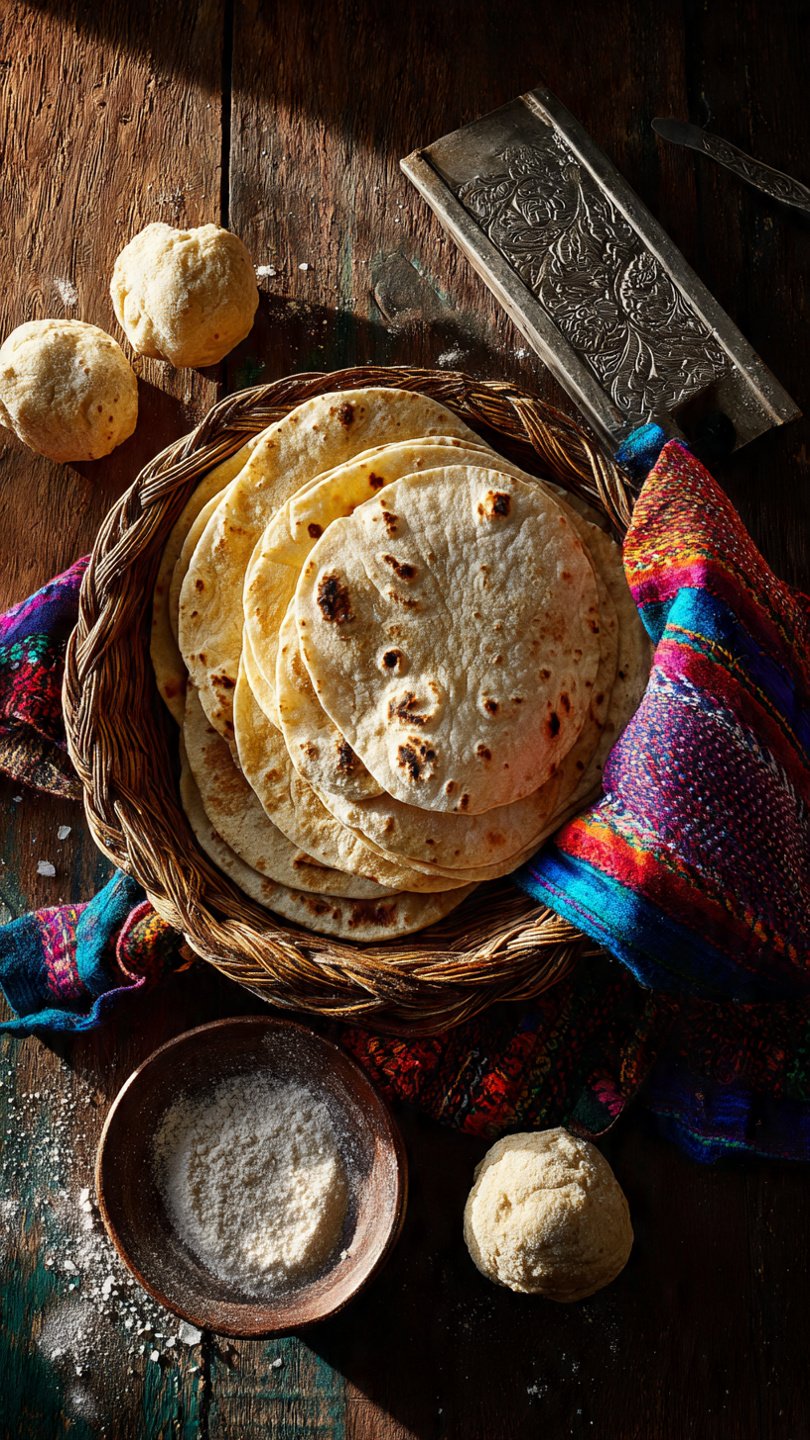
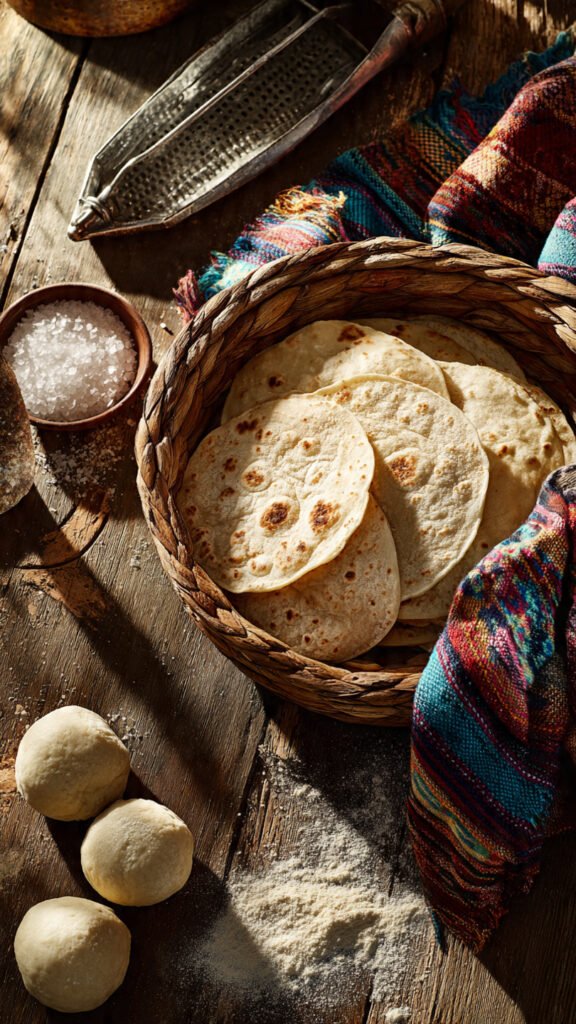
Making masa tortillas from scratch is one of those high-reward, low-effort kitchen projects that makes you feel like a wizard. It transforms three humble ingredients into something that tastes like pure sunshine. Once you eat a warm tortilla straight off the comal, puffed up like a little corn cloud, you will never—and I mean never—go back to the shelf-stable stuff.
Let’s get your hands dirty.
Why This Recipe is Awesome
Look, I’m not into making things harder than they need to be. If store-bought was good enough, I’d tell you to buy it and save the effort. But when it comes to corn tortillas, the difference is astronomical. It’s like comparing a fresh, ripe garden tomato to ketchup.
First off, the texture. Store-bought tortillas are often dry, brittle, and rubbery. This recipe yields tortillas that are soft, pliable, and sturdy enough to hold a mountain of carnitas without splitting down the middle and dumping salsa on your lap.
Secondly, the flavor. We are talking about intense, toasted corn flavor here. That comes from the masa harina—nixtamalized corn flour. When you hydrate it fresh, the aroma that fills your kitchen is intoxicating. It smells like a taqueria in Mexico City.
Third, the science is cool (but simple). We are essentially rehydrating corn flour to create a dough (masa). The magic happens when the water turns to steam inside the tortilla during cooking, causing the two outer layers to separate and the whole thing to puff up like a balloon. That puff isn’t just for show; it’s the sign of a perfectly cooked interior. Achieving “The Puff” provides a dopamine hit that no video game can rival.
Finally, it’s idiot-proof. Okay, maybe not totally idiot-proof—you can definitely burn them if you walk away to scroll TikTok—but it’s very forgiving. If the dough is dry, add water. If it’s wet, add flour. It’s tactile and fun, kinda like playing with Play-Doh, but you get to eat the result.
Ingredients You’ll Need
You don’t need a pantry overhaul for this. In fact, you might already have this stuff buried in the back of your cupboard.
- Masa Harina: This is the big one. Do not use cornmeal. Do not use cornstarch. Do not use polenta. You need Masa Harina. This is corn that has been treated with lime (nixtamalized) and then ground.
- Top picks: Maseca (the gold standard, available everywhere), Bob’s Red Mill, or King Arthur.
- Warm Water: Not cold, not boiling. Think warm bathwater. Warm water helps hydrate the corn flour faster and more evenly than cold water.
- Salt: Just a pinch of fine sea salt. It wakes up the corn flavor. Without it, your tortillas will taste like… well, plain wet corn.
- Optional – A Fat Source: Traditionally, masa, water, and salt are all you need. However, if you are a beginner, adding a teaspoon of olive oil or melted lard to the dough makes it a little more pliable and forgiving. I won’t tell the purists if you don’t.
Equipment Check:
- Tortilla Press: Highly recommended for uniform thinness.
- Heavy Bottom Skillet or Comal: Cast iron is your best friend here. It holds heat like a champ.
- Plastic Bag: A cut-up Ziploc bag or grocery bag to line the press. (Essential tech!)
- Clean Kitchen Towel: To wrap the cooked tortillas. This is actually a cooking step, not just storage.
Step-by-Step Instructions
Ready to become a masa master? Let’s do this.
1. The Mix In a medium bowl, whisk together 2 cups of masa harina and 1/2 teaspoon of salt. Slowly pour in 1.5 cups of warm water. (Start with 1.5 cups, but have more standby).
- Sensory Detail: Use your hands. Initially, it will feel like wet sand. As you mix, it should start coming together into a cohesive ball.
2. The Texture Check (The Most Important Step) Knead the dough in the bowl for about 2–3 minutes. You are looking for a texture that feels like soft, fresh Play-Doh.
- The Test: Pinch off a small piece and roll it into a ball. Press it flat between your palms. If the edges crack significantly, it is too dry. Add water, a tablespoon at a time. If it sticks to your hands like glue, it is too wet. Add a sprinkle of masa.
- Tip: You want it as moist as possible without being sticky. A well-hydrated dough equals a soft tortilla.
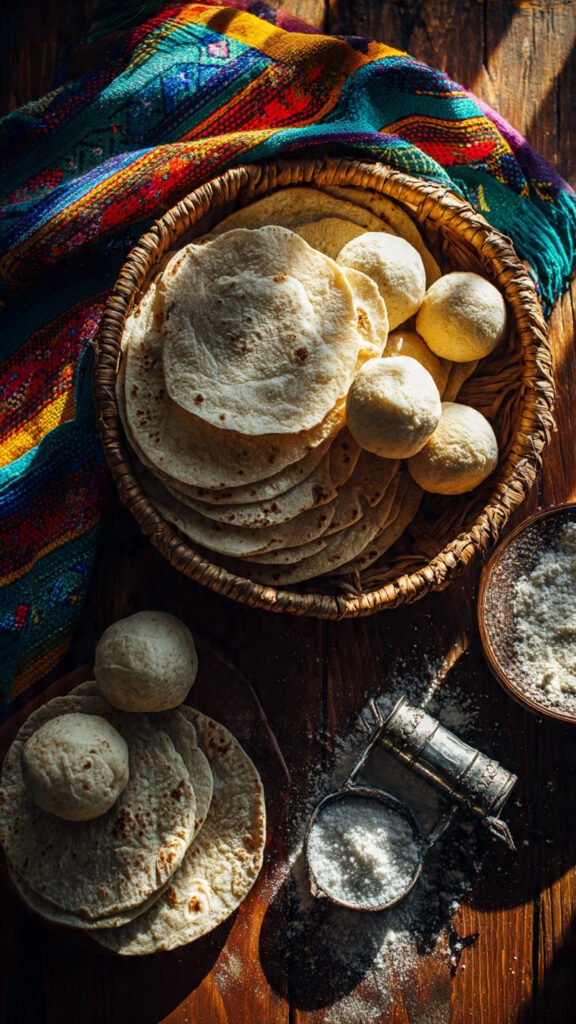
3. The Rest Cover the bowl with a damp towel or plastic wrap and let it sit for 15 to 30 minutes.
- Why? This allows the corn flour to fully absorb the water. Think of it like oatmeal; it needs a minute to plump up. If you skip this, your tortillas might be gritty.
4. The Setup While the dough rests, preheat your cast iron skillet or comal over medium-high heat. You want it hot, but not smoking like a chimney.
- Prep the Press: Take a gallon-sized Ziploc bag (or a sturdy produce bag) and cut down the sides so you have two square sheets of plastic. Place one on the bottom plate of your press and one for the top. Do not try to press directly on the metal. It will stick, and you will cry.
5. The Press Grab a piece of dough (about the size of a golf ball) and roll it smooth. Place it in the center of the press, sandwiched between the two plastic sheets.
- Give it a gentle squish with the top plate, then press down the lever.
- Pro Tip: Open the press, rotate the tortilla 180 degrees, and press again gently. This ensures it’s an even thickness all the way around.
6. The Cook (The 3-Flip Method) Peel the plastic off the raw tortilla carefully—peel the plastic off the dough, don’t peel the dough off the plastic. Gently lay the tortilla onto the hot skillet.
- Flip 1: Cook for about 10–15 seconds. You just want to seal the bottom. If you wait too long here, it won’t puff later. Flip it.
- Flip 2: Cook the second side for about 40–60 seconds. You should see some brown spots forming (we call these pecas or freckles). The edges might start to lift slightly. Flip it.
- The Magic: On this final side, cook for another 10–15 seconds. Tap the center gently with your finger or a spatula. This is when the puff should happen. Even if it only puffs a little bit, cheer for it. It’s trying its best.
7. The Steam Bath As soon as you take the tortilla off the heat, throw it into a basket or bowl lined with a clean kitchen towel and wrap it up tight.
- Critical Step: This isn’t just to keep them warm. The residual steam softens the tortilla, finishing the cooking process and giving it that signature chewy texture. If you eat it immediately off the pan, it might feel a bit dry. They need their nap time.
Common Mistakes to Avoid
Even the best of us mess up. Here is how to avoid the “sad cracker” situation.
- The Desert Dough: The number one mistake is using dough that is too dry. If your dough feels crumbly, your tortilla will be hard. Don’t be afraid of water. Masa is thirsty.
- The Cold Pan: If your skillet isn’t hot enough, the tortilla will dehydrate and dry out before it cooks. You want a sizzle, not a whimper.
- Overcooking: You aren’t making tostadas (yet). If you leave it on the heat for 3 minutes per side, you are making chips. Keep it moving. The whole process per tortilla should be under 2 minutes.
- Skipping the Rest: I know you’re hungry, but let the dough hydrate. Patience is a virtue, especially when tacos are involved.
- Using Wax Paper: Do not use wax paper in your press. The dough will fuse to it. Stick to thick plastic (Ziploc or grocery bags work best).
Alternatives & Substitutions
Feeling spicy? Want to mix it up? Here are some ways to hack the recipe.
- No Press? No Problem: Use a heavy glass baking dish or a cast-iron skillet to smash the dough balls flat. Use the same plastic bag method on your countertop. Put the dough ball down, plastic on top, and lean your body weight into the heavy pan. It’s a workout and dinner prep in one.
- Blue Corn: Swap regular Maseca for Blue Corn Masa Harina. It has a nuttier, earthier flavor and looks absolutely stunning. Plus, extra antioxidants, right?
- Fat Injection: Want them extra rich? Swap 2 tablespoons of the water for bacon fat or lard. This is not “traditional” table tortilla style everywhere, but it is delicious.
- Spiced Up: Mix a teaspoon of chili powder, cumin, or even cracked black pepper into the dry masa before adding water.
- Beet or Spinach Juice: Swap the water for veggie juice to get bright pink or green tortillas. Great for getting kids to eat colorful food (or just for Instagram clout).
FAQ (Frequently Asked Questions)
Q: Can I use regular cornmeal instead of Masa Harina? A: No. Absolutely not. Put the polenta down. Cornmeal is just ground raw corn. Masa Harina is nixtamalized (treated with lime), which changes the chemical structure, allowing it to form a dough. If you use cornmeal, you will get wet grit.
Q: Why aren’t my tortillas puffing? A: It could be a few things. Usually, the dough is too dry, or the pan isn’t hot enough. Also, make sure you aren’t pressing them too hard during the cooking process. The steam needs room to expand!
Q: Can I make the dough ahead of time? A: You sure can. Make the dough, wrap it tightly in plastic wrap, and keep it in the fridge for up to 24 hours. Let it come to room temperature before pressing, and you might need to knead in a splash of water to wake it up.
Q: How do I store leftovers? A: Wrap them in plastic or a ziploc bag and keep them in the fridge for up to 3 days. To reheat, sprinkle with a tiny bit of water and heat on a hot skillet for 10 seconds per side.
Q: My tortillas are cracking at the edges when I press them. Why? A: Your dough is thirsty! It’s screaming for hydration. Crumble it back into the bowl, add a tablespoon of water, knead, and try again.
Q: Is this gluten-free? A: Yes! Pure corn tortillas are naturally gluten-free. Just check your specific brand of Masa Harina to ensure it wasn’t processed on shared equipment if you are super sensitive.
Final Thoughts
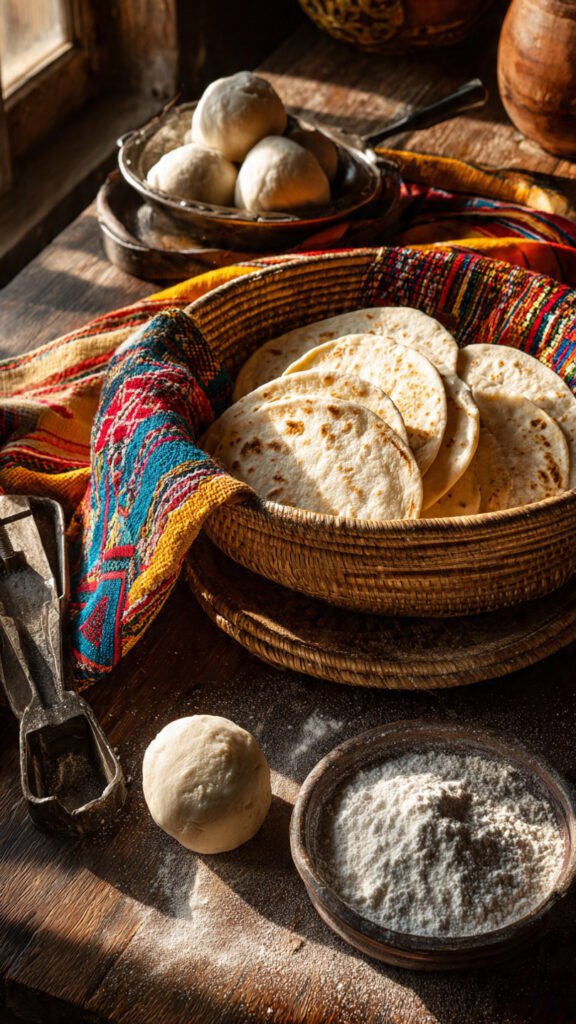
Making your own masa tortillas is a ritual. It connects you to a culinary history that is thousands of years old. But more importantly, it makes your Tuesday night dinner taste infinitely better.
Once you get into the rhythm—roll, press, flip, flip, puff—it becomes meditative. And the smell? It’s the smell of home, even if you didn’t grow up eating them.
So, don’t settle for the preservative-laden cardboard at the store. Grab a bag of Maseca, warm up your skillet, and make some magic. Now go impress someone—or just yourself—with your new culinary skills. You’ve earned it!