🐟 The Best Salmon Pate Recipe (Ready in 10 Mins!)
👩🍳 The Busy Home Cook's Arsenal
Consistently cooking incredible meals for your family doesn't mean spending three hours in the kitchen every night. These are the 5 absolute life-saving appliances and culinary tools that dramatically cut down prep time while guaranteeing restaurant-quality results.
🌪️ Ninja 4-Quart Air Fryer
The machine that completely changed weeknight dinners. It preheats in seconds and cooks frozen vegetables, chicken wings, and battered fish to an incredibly crispy, deep-fried texture using 75% less oil and taking half the time of a traditional oven.
⏱️ Instant Pot Duo 7-in-1 Pressure Cooker
Forget slow cookers that take 8 hours. This legendary appliance aggressively pressure cooks tough cuts of meat into melt-in-your-mouth tender roasts, stews, and perfectly fluffy rice in under 45 minutes, saving you when you forget to defrost dinner.
🔪 Victorinox Fibrox Pro 8" Chef's Knife
A dull knife is dangerous and makes chopping vegetables a miserable chore. This exact blade reigns supreme in professional kitchens because it holds a terrifyingly sharp edge, features a non-slip grip, and costs significantly less than heavy German steel.
🌡️ ThermoPro Instant Read Thermometer
The secret difference between dry, rubbery chicken and juicy perfection. Stop nervously slicing your proteins open to check if they're done—this waterproof digital pen gives you a highly accurate temperature reading in less than three seconds.
🥤 Vitamix 5200 Professional-Grade Blender
Whether you are making silky-smooth breakfast smoothies, pureed soups from scratch, or blending absolutely lump-free sauces, this famously indestructible motor pulverizes anything you throw at it. It literally heats soup from the friction of the blades alone.
So, you’ve found yourself in a situation where you need to provide food for other humans. Maybe you’re hosting a dinner party and forgot until an hour ago, maybe the in-laws are coming over to judge your life choices, or maybe—and this is the most likely scenario—you just want to eat something that makes you feel like a French aristocrat while you binge-watch reality TV in your sweatpants.
I feel you. I see you.
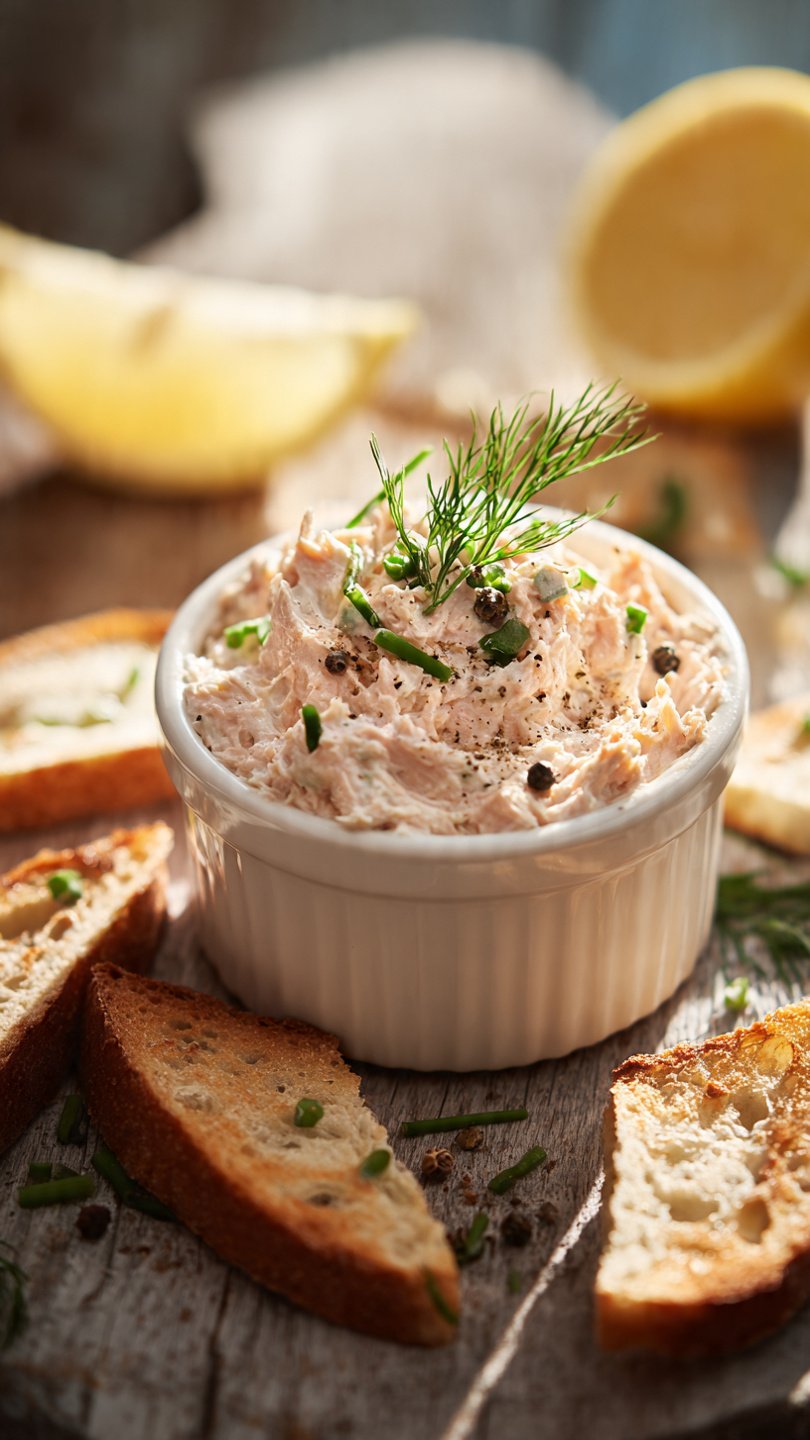
Here is the good news: This Salmon Pate Recipe is the answer to your prayers. It requires almost zero actual cooking skills, very little time, and the payoff is disproportionately high compared to the effort you put in. It’s creamy, it’s smoky, it’s zesty, and honestly? It’s addictive.
So, put down the takeout menu. We’re making pate today, friends.
Why This Recipe is Awesome
Look, I could just tell you “it tastes good” and move on, but we have to satisfy the internet gods, and honestly, you deserve to know why this specific blend of fish and dairy is going to change your life.
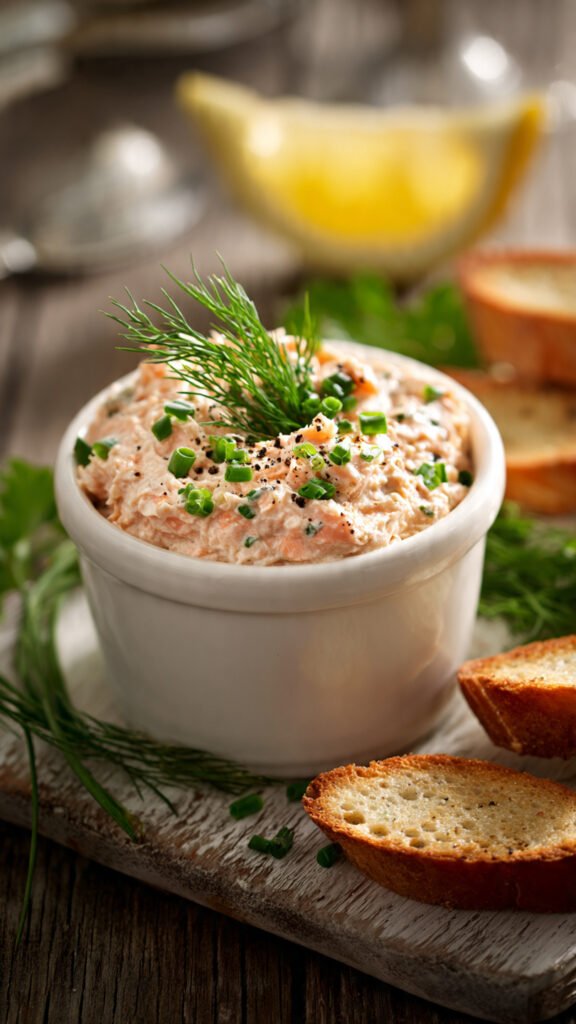
1. It’s the “Little Black Dress” of Appetizers This pate is versatile. Like, frighteningly versatile. You can slather it on a bagel for breakfast, dollop it on a cucumber slice for a “healthy snack,” or pipe it onto fancy crackers to convince your guests you went to culinary school. It fits every occasion. It’s never underdressed; it’s never overdressed. It just works.
2. The Texture Science (Yes, Science) We need to talk about mouthfeel. A bad pate is either a dry, choking hazard or a watery, baby-food sludge. This recipe hits the Goldilocks Zone. By using a specific ratio of full-fat cream cheese (don’t you dare reach for the low-fat stuff) to the protein structure of the salmon, we create an emulsion that is spreadable but holds its shape. It coats the tongue in a way that signals “luxury” to your brain, releasing dopamine. Okay, I’m not a neuroscientist, but I’m pretty sure that’s how it works.
3. It’s Surprisingly forgiving Cooking usually requires precision. Baking requires a degree in chemistry. This? This requires a food processor and a tasting spoon. If you add too much lemon, you add more cream cheese. If it’s too thick, a splash of cream fixes it. It is very hard to ruin this unless you actively try.
4. The “Umami” Factor Smoked salmon is basically a cheat code for flavor. It brings salt, smoke, and umami (savory deliciousness) to the table immediately. When you cut that richness with the sharp acidity of lemon juice and the pungent kick of fresh herbs, you are firing on all flavor cylinders. It wakes up your palate.
5. No Heat Required In the dead of summer—or just when you don’t want to clean a frying pan—this is a lifesaver. No preheating ovens, no watching boiling water. It’s a “dump and blend” situation.
Ingredients You’ll Need
Here is your shopping list. Don’t stress, you can find all of this at a regular grocery store. No need to hunt down rare spices in a hidden market.
- Smoked Salmon (8 oz): Get the good stuff if you can, but the trimmings work fine too since we are blending it anyway. You want that cold-smoked, silky texture.
- Cream Cheese (8 oz): Full fat. Brick style. Room temperature. This is non-negotiable. If you use cold cheese, you will have lumps, and I will be sad for you.
- Crème Fraîche or Sour Cream (2 tbsp): This adds a tanginess that cuts through the heaviness of the cheese. It makes the texture lighter and more “whipped.”
- Lemon Juice (1 tbsp + zest): Freshly squeezed, please. That bottled yellow lemon grenade juice has a weird metallic aftertaste. You need the zest (the yellow skin) for the floral aroma and the juice for the acid.
- Fresh Dill (Small bunch): Salmon and dill are married. They have a mortgage together. Don’t separate them.
- Fresh Chives (1 tbsp): For a mild oniony bite without the aggression of a raw onion.
- Prepared Horseradish (1-2 tsp): Secret Ingredient Alert. This adds a background heat that makes people go, “Ooh, what is that?” It doesn’t make it spicy; it makes it complex.
- Black Pepper: Freshly cracked.
- Salt: Go easy here. The salmon is salty. The cheese has salt. Taste before you commit.
Step-by-Step Instructions
Alright, let’s do this. Put on some music, maybe pour a glass of wine (for the chef, obviously), and let’s blend.
1. The Prep Work (Don’t Skip This)
First, take your cream cheese out of the fridge about 30 minutes before you start. If you ignored my warning in the ingredients list, put the sealed foil packet in a bowl of warm water for 5 minutes. FYI: You want it soft enough to poke a dent in with your finger.
While that softens, chop your fresh dill and chives. You don’t need to be a surgeon about it, but get them relatively fine. Also, zest your lemon now, before you cut it in half to juice it. Trying to zest a squeezed lemon is a nightmare.
2. The Flake Down
Open your package of smoked salmon. Take a moment to inspect it. Sometimes, even in “boneless” packs, a sneaky pin bone hides in there. Run your fingers over the fish. If you find a bone, pull it out. Nothing kills the vibe of a party like a guest choking on a fish bone.
Roughly chop the salmon into smaller pieces. If you throw huge slabs into the food processor, they might get stuck on the blade, and we want an even blend.
3. The Creamy Base
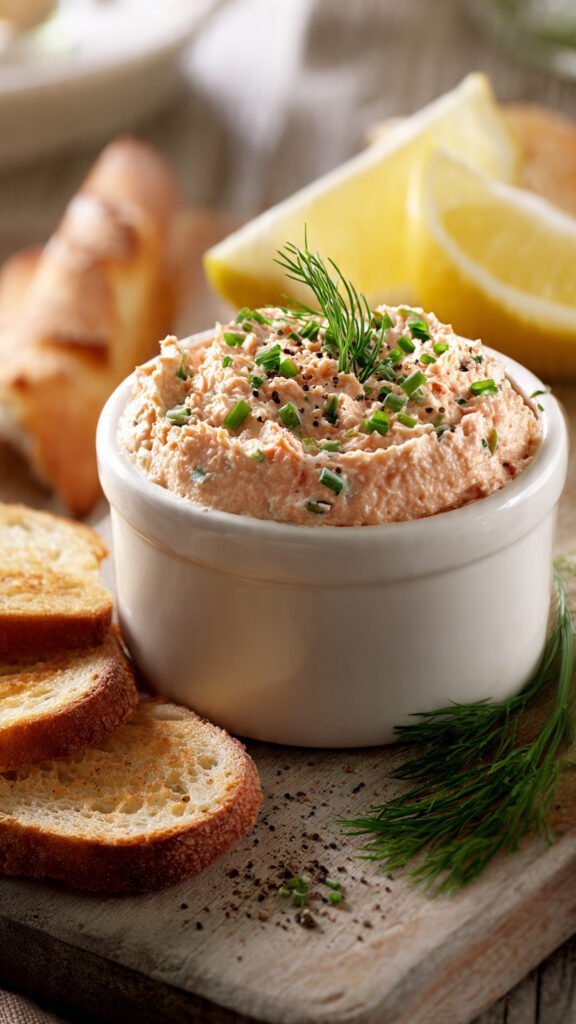
Toss your room temperature cream cheese and the crème fraîche (or sour cream) into the bowl of your food processor. Pulse it a few times just to get it smooth and aerated.
Why do we do this first? If you throw everything in at once, you might over-process the salmon while trying to smooth out the cheese. We want the salmon to maintain a little bit of texture, not turn into pink soup.
4. The Flavor Bomb
Add the lemon juice, lemon zest, horseradish, and black pepper to the cheese mixture. Pulse again to incorporate.
Pro Tip: This is a safe time to taste the cheese base. Does it taste zingy? Good.
5. The Main Event
Add your chopped smoked salmon and the fresh herbs (dill and chives) to the processor.
Pulse. Do not hold the button down.
We are looking for a texture that is spreadable but still has tiny, visible flecks of beautiful pink salmon and green herbs. You want pate, not paste. Aim for about 10 to 15 short pulses. Scrape down the sides of the bowl with a spatula halfway through to make sure no big chunks of cheese are hiding from the blade.
6. The “Chef” Taste Test
Stop the machine. Dip a clean spoon (or a cracker) into the mix. Taste it.
- Is it too heavy? Add a tiny squeeze more lemon juice.
- Is it too bland? Add a pinch of salt (but be careful!) or a tiny bit more horseradish.
- Is it perfect? Stop touching it. You’re done.
7. The Chill Factor
Transfer your masterpiece into a serving bowl or a ramekin. Cover it tightly with plastic wrap.
Crucial Step: Put it in the fridge for at least 1 hour. I know, you want to eat it now. But the flavors need to mingle. The garlic from the chives needs to introduce itself to the cream cheese. The lemon needs to settle in. Also, the pate will firm up slightly as the cheese chills, giving you that perfect spreadable consistency.
Common Mistakes to Avoid
Even though I said this is idiot-proof, I have seen some things. Avoid these pitfalls to ensure pate glory.
- The “Gluey” Trap: If you over-blend the salmon, the proteins break down too much and release moisture, turning the pate into a sticky, glue-like substance. Pulse, don’t puree.
- The Watery Fish: If you are using lower-quality smoked salmon that seems very wet, pat it dry with a paper towel before using it. Excess water is the enemy of a rich pate.
- The “Hidden” Salt: Do not salt this like a steak. Smoked salmon is cured in salt. Taste it at the very end. You can always add salt, but you cannot take it out (unless you make a double batch of cheese, which is a lot of work).
- Using Dried Herbs: Just… don’t. Dried dill tastes like dust compared to fresh dill. This recipe relies on freshness to cut the fat. If you absolutely must use dried, use 1/3 of the amount, but frankly, I’d rather you just wait until you can buy fresh herbs.
- Serving Warm: Pate is a dish best served cold. If you leave it out in the sun at a picnic for 4 hours, not only will the texture get oily, but you’re also inviting bacteria to the party. Keep it chill.
Alternatives & Substitutions
Cooking is an art, not a rigid set of laws (mostly). Here is how you can tweak this to fit your pantry or diet.
- Budget-Friendly Option: Smoked salmon is pricey. You can swap 50% (or even 100%) of the smoked salmon for canned salmon or cooked fresh salmon. If you use canned, drain it extremely well and pick out the skin/bones. You might need to add a drop of liquid smoke or smoked paprika to mimic the flavor.
- The “I Hate Dill” Crowd: Some people have the genetic gene that makes herbs taste like soap, or they just hate dill. Swap it for fresh parsley or even tarragon. Tarragon has a licorice vibe that pairs surprisingly well with fish.
- Dairy-Light: You can swap half the cream cheese for Greek Yogurt to up the protein and lower the fat. It will be tangier and slightly less firm, but still delicious.
- Texture Twist: Want some crunch? Fold in (don’t blend) some finely diced celery or capers at the very end. Capers add a nice briney pop that works well here.
- Hot Smoked Salmon: You can use hot-smoked salmon (the kind that looks like a cooked fillet) instead of cold-smoked (the lox style). The texture will be chunkier and heartier, more like a “salmon rillette.” It’s delicious, just different.
FAQ (Frequently Asked Questions)
1. Can I freeze this salmon pate? Technically, yes. But should you? No. Cream cheese tends to get a weird, grainy texture when it freezes and thaws. It separates and looks sad. Since this takes 10 minutes to make, just make it fresh.
2. How long does this last in the fridge? If you keep it in an airtight container, it’s good for about 3 days. After that, the fish starts to get a bit “fishy” (in a bad way) and the liquids might separate.
3. What should I serve this with? The classic vehicle is a toasted baguette or plain crackers. But if you want to be low-carb, it is amazing on cucumber slices or stuffed inside celery sticks. It’s also great on a bagel for breakfast.
4. My pate is too thick! What do I do? Relax. Stir in a teaspoon of milk, cream, or more lemon juice until it loosens up.
5. Can I use a blender instead of a food processor? You can, but blenders are designed to make liquids (smoothies). They often get stuck with thick mixtures like cream cheese. If you must use a blender, you’ll likely need to stop and scrape the sides a lot. Alternatively, just chop everything super fine by hand and mash it with a fork for a rustic vibe.
6. Is this safe for cats? I knew you were going to ask this. Your cat will smell this from three rooms away. While a tiny lick won’t hurt, the onions (chives) and garlic (if you added any) are toxic to cats, and the high salt content isn’t great for their kidneys. So, sorry Whiskers, this is for humans only.
7. Can I make this spicy? Absolutely. A pinch of cayenne pepper or a dash of hot sauce is a great addition if you want to wake up your sinuses.
Final Thoughts
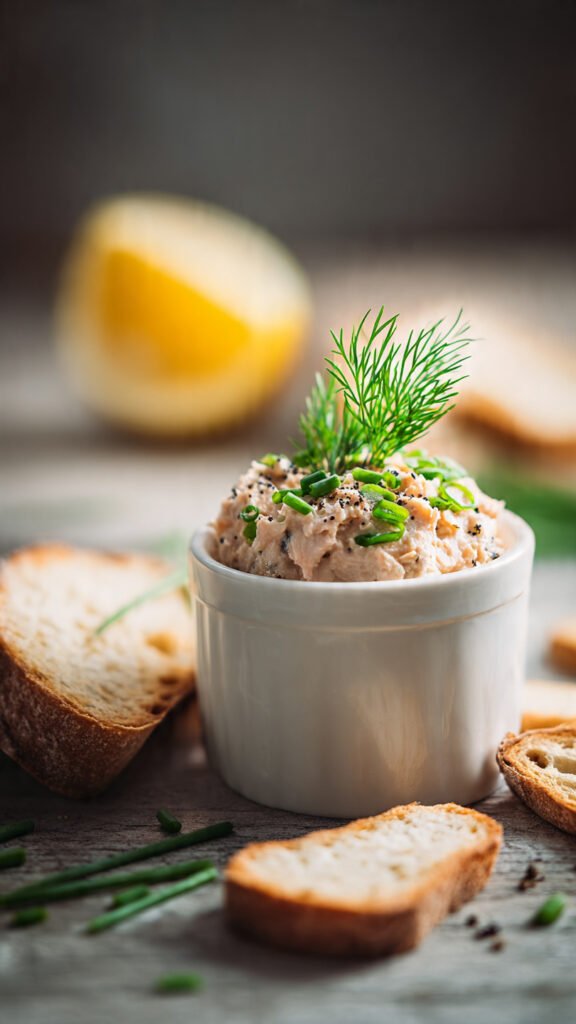
There you have it. You have successfully created a Salmon Pate that looks high-end, tastes incredible, and took less effort than parallel parking.
Whether you serve this at a fancy dinner party with crystal flutes of champagne, or you eat it straight out of the bowl with a spoon at 2 AM (no judgment here), you’ve leveled up your snack game.
The mix of the silky cheese, the smoky fish, and the bright herbs is a classic for a reason. It just works. Now go impress someone—or yourself—with your new culinary skills. You’ve earned it!