Congee Recipe Chinese: The Ultimate Comfort Food Guide
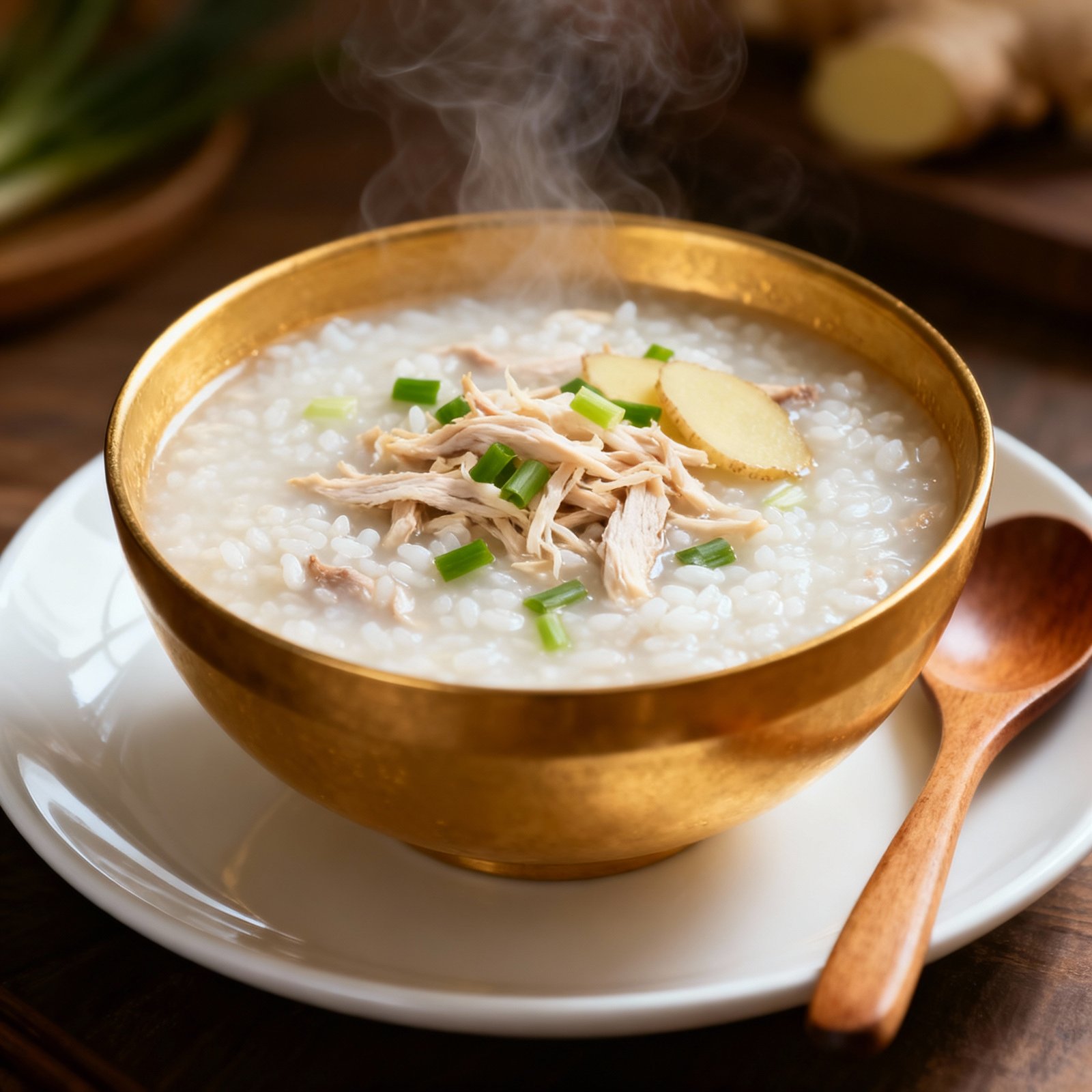
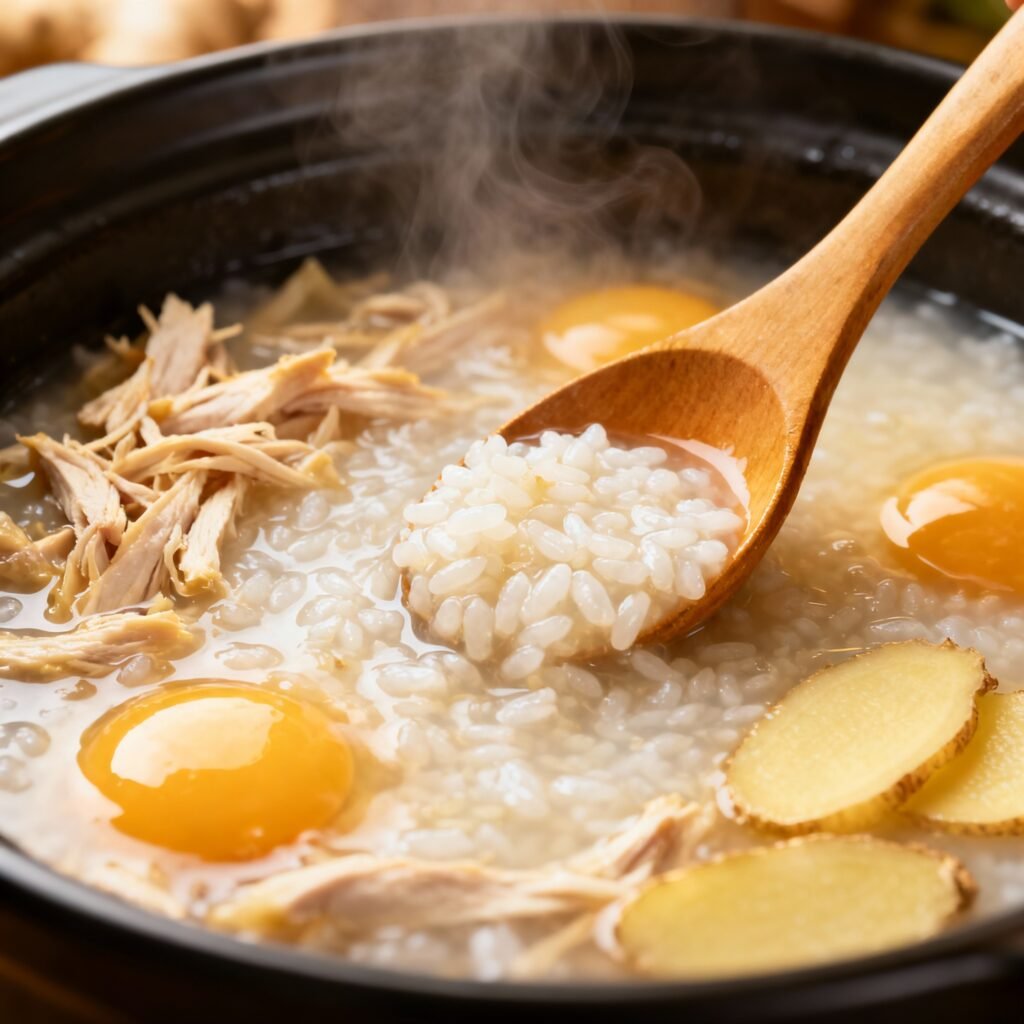
Congee, also known as jook or rice porridge, is a staple in Chinese cuisine, beloved for its soothing warmth and versatility. It’s more than just a simple rice dish; it’s a blank canvas for culinary creativity, a comforting remedy for ailments, and a delicious way to start the day. This recipe provides a foundational congee that you can then customize with your favorite toppings and flavors. Whether you’re seeking a nourishing breakfast, a light lunch, or a comforting dinner, this recipe will guide you through creating the perfect bowl of Chinese congee.
Why This Recipe Works
This recipe focuses on achieving a creamy, smooth texture, the hallmark of good congee. The key is the rice-to-water ratio and the cooking time. We use a higher water ratio than you would for regular rice, allowing the rice grains to break down and release their starches, creating that signature velvety consistency. The long, slow cooking process further enhances this breakdown, resulting in a deeply flavorful and satisfying congee. Furthermore, this recipe provides a base that is easily adaptable. You can add proteins, vegetables, and seasonings to create a unique congee experience every time. We also offer tips on how to achieve the perfect texture using different cooking methods, from stovetop to slow cooker.
Ingredients
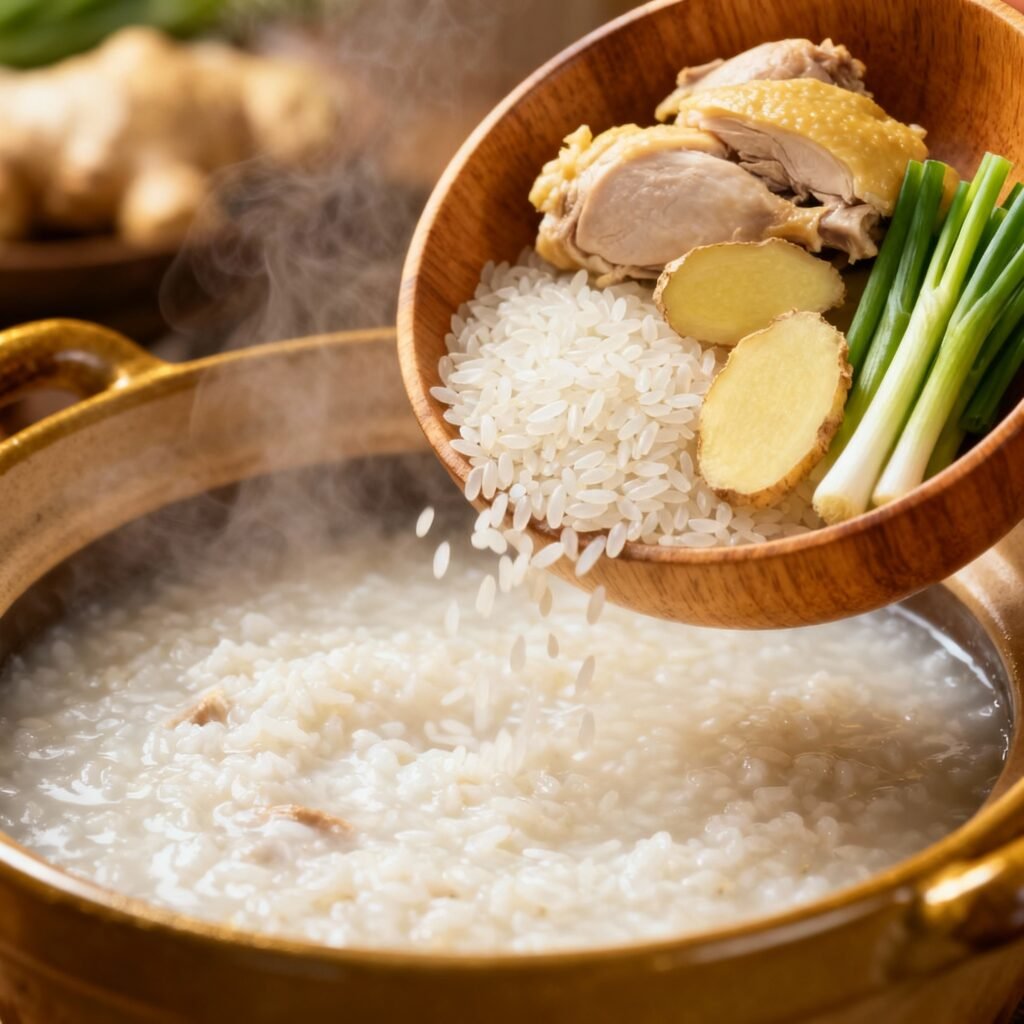
- 1 cup long-grain rice (Jasmine rice is a popular choice, but you can also use short-grain rice for a stickier congee)
- 8-10 cups water or chicken broth (Chicken broth adds extra flavor, but water works perfectly well)
- 1 teaspoon salt (or to taste)
- Optional: 1 tablespoon vegetable oil (This helps prevent the rice from sticking to the bottom of the pot)
- Optional: 1 inch ginger, peeled and thinly sliced (Adds a subtle warmth and aroma)
Toppings (Suggestions):
- Scallions, thinly sliced
- Fried shallots or garlic
- Sesame oil
- Soy sauce
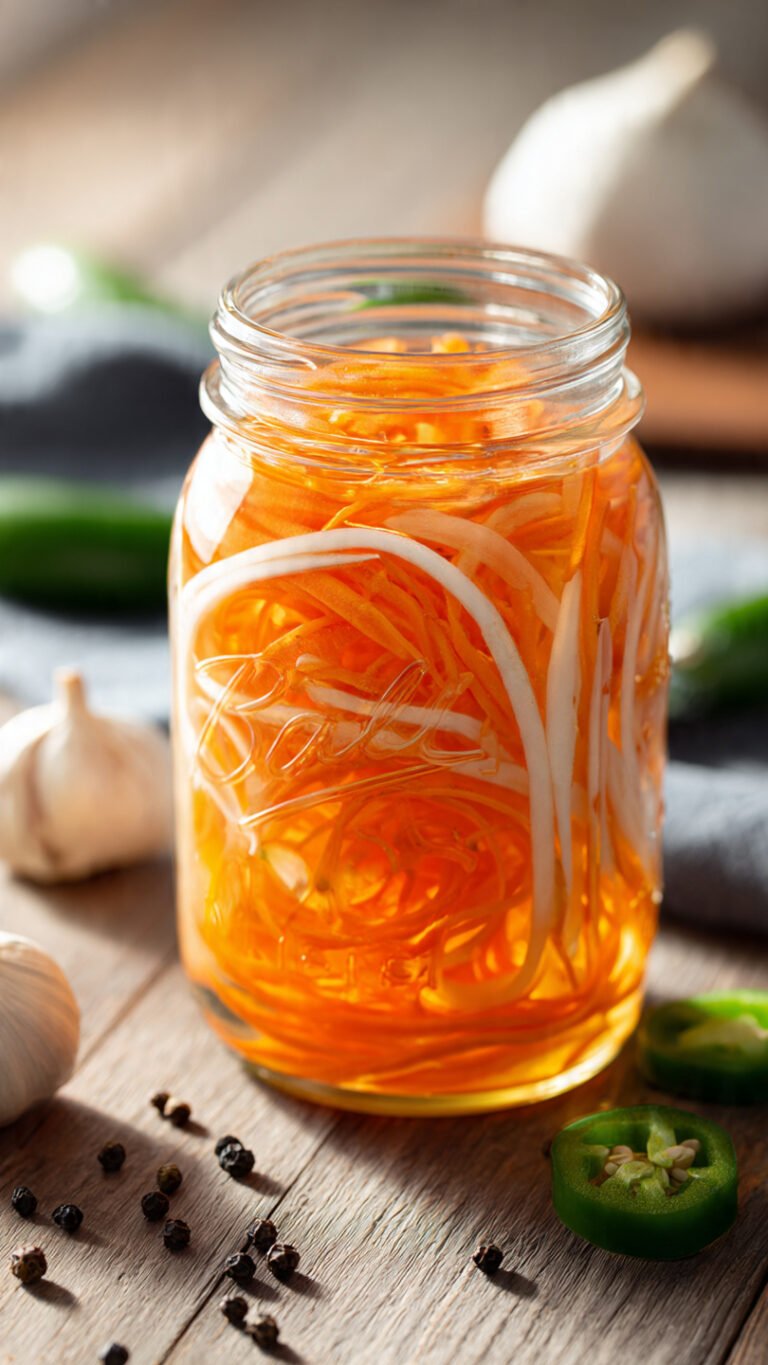
- Pickled vegetables (e.g., pickled radish, mustard greens)
- Century egg (pidan), quartered
- Cooked meats (e.g., shredded chicken, pork, beef)
- Fried dough sticks (youtiao)
- Peanuts, chopped
- Chili oil or flakes
Instructions
- Rinse the Rice (Optional but Recommended): Place the rice in a fine-mesh sieve and rinse under cold water until the water runs clear. This helps remove excess starch and prevents the congee from becoming too gummy.
- Combine Ingredients: In a large pot or Dutch oven, combine the rinsed rice, water or chicken broth, salt, optional vegetable oil, and optional ginger.
- Bring to a Boil: Bring the mixture to a boil over high heat. Once boiling, reduce the heat to the lowest setting, cover the pot, and simmer.
- Simmer and Stir: Simmer for at least 1.5 to 2 hours, or until the rice has completely broken down and the congee has reached your desired consistency. Stir occasionally, especially during the last hour of cooking, to prevent the rice from sticking to the bottom of the pot. Add more water or broth if the congee becomes too thick.
- Adjust Seasoning: Taste the congee and adjust the seasoning with more salt if needed.
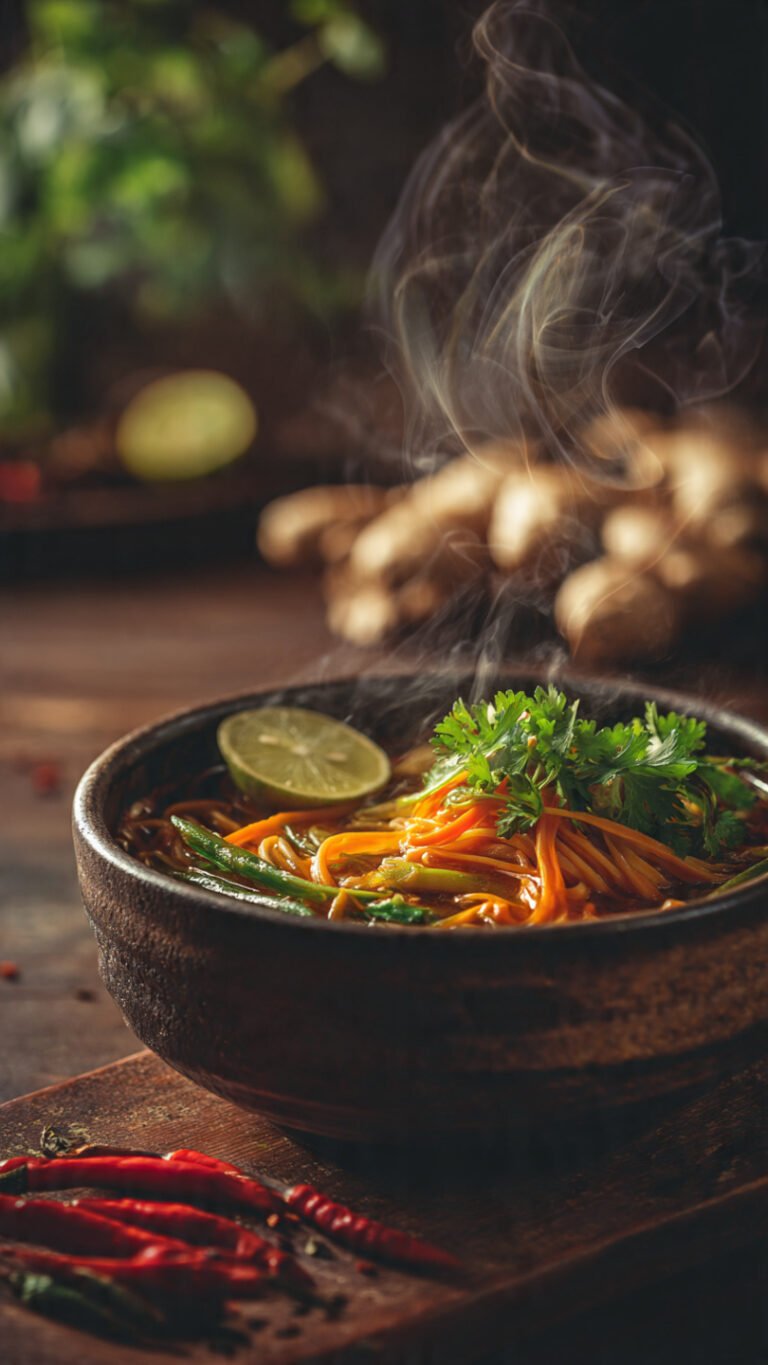
- Serve: Ladle the congee into bowls and top with your desired toppings. Serve hot.
Tips for Success
- Rice Choice Matters: Long-grain rice, like Jasmine, will result in a looser congee, while short-grain rice will create a stickier, thicker congee. Experiment to find your preference.
- The Water Ratio is Key: The 8-10 cup water-to-rice ratio is a guideline. You may need to adjust it depending on your rice and preferred consistency. Don’t be afraid to add more water or broth during cooking if needed.
- Low and Slow is the Way to Go: Patience is crucial for achieving the perfect congee texture. The longer it simmers, the creamier it will become.
- Stirring Prevents Sticking: Stirring occasionally, especially towards the end of the cooking time, will prevent the rice from sticking to the bottom of the pot and burning.
- Slow Cooker Option: For an even easier method, you can make congee in a slow cooker. Combine all ingredients in the slow cooker and cook on low for 6-8 hours, or on high for 3-4 hours.
- Instant Pot Option: Combine all ingredients in the Instant Pot. Cook on high pressure for 25 minutes, followed by a natural pressure release for 15 minutes, then a quick release.
- Consider Using Pre-Cooked Rice: For a faster version, you can use leftover cooked rice. This will significantly reduce the cooking time. Simply add the cooked rice to the water or broth and simmer until the congee reaches your desired consistency.
- Add Flavor with Aromatics: Ginger is a classic addition, but you can also experiment with other aromatics like garlic, lemongrass, or even dried shiitake mushrooms.
- Don’t Be Afraid to Experiment with Toppings: The beauty of congee lies in its versatility. Get creative with your toppings and create a unique flavor profile that suits your taste.
Storage Instructions
Leftover congee can be stored in an airtight container in the refrigerator for up to 3 days. To reheat, simply add a little water or broth to loosen it up and heat it on the stovetop or in the microwave until warmed through. You may need to adjust the seasoning after reheating. Congee can also be frozen for longer storage. Allow it to cool completely before transferring it to a freezer-safe container. Thaw overnight in the refrigerator before reheating.
FAQ
Q: Can I use brown rice to make congee?
A: Yes, you can use brown rice, but it will require a longer cooking time. You may also need to add more water or broth as brown rice absorbs more liquid. Soaking the brown rice overnight before cooking can help soften it and reduce the cooking time.
Q: Can I make congee in a rice cooker?
A: Some rice cookers have a “porridge” or “congee” setting. If yours does, simply follow the manufacturer’s instructions. If not, you can still make congee in a rice cooker, but you’ll need to keep a close eye on it to prevent it from overflowing.
Q: How can I make congee thicker?
A: If your congee is too thin, continue simmering it uncovered until it reaches your desired consistency. You can also add a slurry of cornstarch and water (1 tablespoon cornstarch mixed with 2 tablespoons cold water) to thicken it quickly. Be sure to stir it in well to avoid lumps.
Q: Can I add meat or vegetables while the congee is cooking?
A: Yes, you can add meat or vegetables while the congee is cooking. For meats that require longer cooking times (e.g., tougher cuts of beef or pork), add them at the beginning of the cooking process. For vegetables that cook quickly, add them during the last 30 minutes to prevent them from becoming mushy.
Q: Is congee gluten-free?
A: Yes, congee made with rice, water or broth, and salt is naturally gluten-free. However, be mindful of the toppings you add, as some toppings, like soy sauce (unless it’s tamari), may contain gluten.
Conclusion
This Chinese congee recipe offers a simple yet incredibly versatile base for a comforting and nourishing meal. By mastering the fundamental techniques and exploring different toppings and flavor combinations, you can create a congee that perfectly suits your taste and preferences. Whether you’re seeking a soothing remedy for a cold, a hearty breakfast to start your day, or a comforting dinner to end it, this recipe is sure to become a staple in your kitchen. So, gather your ingredients, embrace the slow-cooking process, and enjoy the delightful simplicity and endless possibilities of homemade Chinese congee!