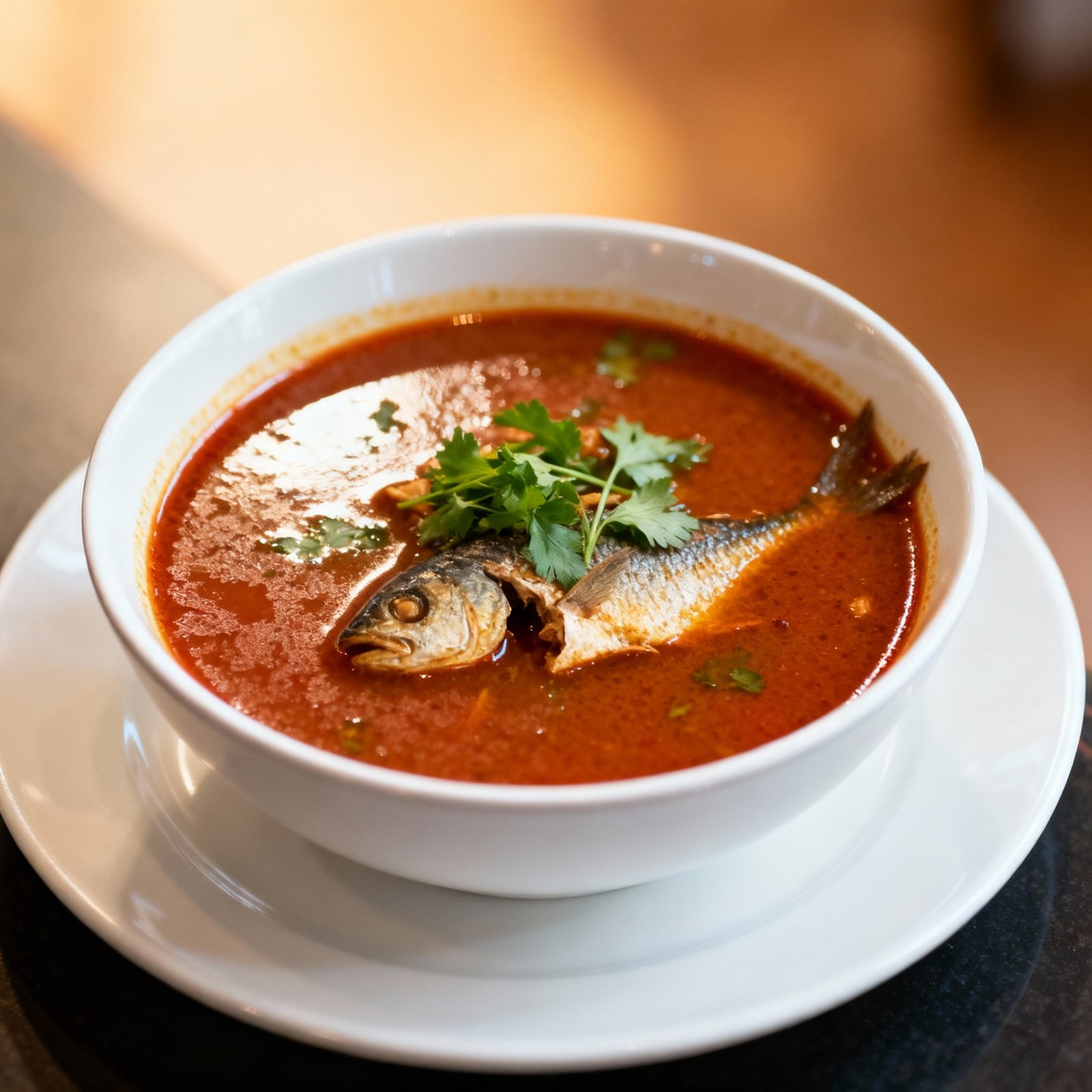
Banga Soup Recipe: An Authentic Taste of Nigeria
Banga soup, also known as Ofe Akwu in Igbo, is a rich, flavorful, and incredibly satisfying palm fruit soup that’s a staple in Nigerian cuisine, particularly in the Southern and Eastern regions. This isn’t just a soup; it’s an experience. From the earthy aroma that fills your kitchen as it simmers to the explosion of flavors on your palate, Banga soup is a culinary journey you won’t soon forget. Often enjoyed with starch, eba, pounded yam, or even rice, it’s a complete and comforting meal that’s perfect for any occasion. This recipe guides you through creating an authentic Banga soup from scratch, ensuring a delicious and unforgettable taste of Nigeria in your own home. Prepare to be amazed!
Why This Recipe Works
This recipe prioritizes authenticity and flavor depth. We start with fresh palm fruits (or high-quality palm fruit concentrate) to ensure a genuine taste. The careful selection of spices and herbs, combined with the slow simmering process, allows the flavors to meld together beautifully, creating a rich and complex broth. We also provide clear and concise instructions, making it accessible for both experienced cooks and beginners. Furthermore, the tips included will help you troubleshoot common issues and personalize the recipe to your liking. We’ve tested this recipe extensively to guarantee a consistently delicious outcome, ensuring that you can confidently recreate this Nigerian classic.
Ingredients
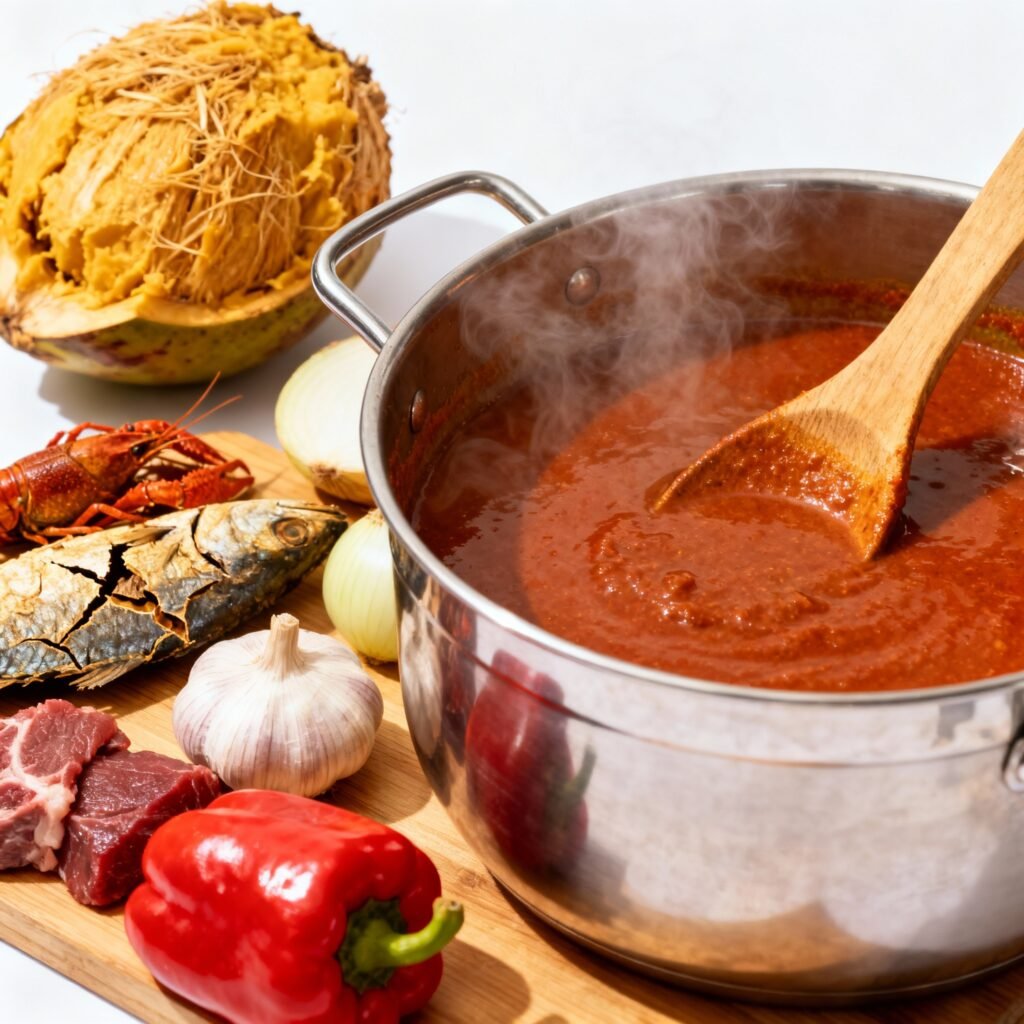
- Palm Fruits (Fresh or Concentrate): 4 cups fresh palm fruits or 2 cans (14-15 oz each) palm fruit concentrate
- Meat: 1 lb Assorted meat (beef, goat meat, shaki/tripe, optional)
- Smoked Fish: 1 medium-sized smoked fish, cleaned and deboned
- Dried Fish: 1/2 cup dried fish, cleaned
- Onion: 1 large onion, chopped
- Scotch Bonnet Pepper: 1-2 (or to taste), finely chopped (remove seeds for less heat)
- Banga Spice Mix: 2-3 tablespoons (a blend of ataiko, irugeje, and other spices – can be found in African grocery stores or made from scratch)
- Oburunbebe Stick: 1 (this is optional but adds a unique flavor)
- Beletete Leaves (Bitter Leaves): 1/2 cup, washed and squeezed to remove bitterness (optional)
- Ground Crayfish: 2 tablespoons
- Salt: To taste
- Seasoning Cubes: 1-2 (optional)
- Water: Approximately 6-8 cups (depending on desired consistency)
Instructions
- Prepare the Palm Fruit Extract (If using fresh palm fruits):
- Boil the palm fruits in a large pot for about 30-45 minutes, or until they are soft.
- Allow them to cool slightly, then transfer them to a mortar.
- Pound the palm fruits until the pulp separates from the nuts.
- Add warm water gradually while pounding to help extract the oil and pulp.
- Strain the mixture through a sieve or cheesecloth, pressing firmly to extract as much liquid as possible. This liquid is your palm fruit extract. Discard the nuts and chaff.
- Prepare the Meat and Fish:
- Wash the assorted meat thoroughly.
- Place the meat in a pot, add chopped onion, seasoning cubes (if using), and salt to taste.
- Cook the meat until tender. Reserve the meat stock.
- Add the dried fish to the pot during the last 15 minutes of cooking to soften it.
- Clean and debone the smoked fish. Set aside.
- Combine Ingredients and Simmer:
- In a large pot, pour the palm fruit extract (or canned concentrate).
- Add the cooked meat and the reserved meat stock.
- Bring to a boil over medium-high heat, then reduce heat to low and simmer for about 30-45 minutes, stirring occasionally. This allows the oil to rise to the surface and the soup to thicken.
- Add Spices and Seasonings:
- Add the Banga spice mix, chopped scotch bonnet pepper, oburunbebe stick (if using), ground crayfish, and smoked fish to the pot.
- Stir well to combine.
- Continue to simmer for another 15-20 minutes, allowing the flavors to meld together.
- Add Bitter Leaves (Optional):
- If using beletete leaves (bitter leaves), add them to the soup during the last 5-10 minutes of cooking.
- Stir well and allow them to cook slightly.
- Adjust Seasoning and Serve:
- Taste the soup and adjust the seasoning with salt and seasoning cubes (if needed).
- Remove the oburunbebe stick before serving.
- Serve hot with your choice of starch, eba, pounded yam, or rice.
Tips for Success
- Freshness is Key: Use the freshest ingredients possible for the best flavor. If using canned palm fruit concentrate, choose a reputable brand.
- Control the Heat: Scotch bonnet peppers can be very spicy. Adjust the quantity to your preference or remove the seeds for a milder flavor.
- Simmer, Don’t Boil: Simmering the soup allows the flavors to develop and prevents it from burning.
- Adjust Consistency: If the soup is too thick, add more water. If it’s too thin, simmer it for a longer period to reduce the liquid.
- Banga Spice Mix: If you can’t find a pre-made Banga spice mix, you can create your own by grinding together ataiko, irugeje, and other spices like pepper, ginger, and dried shrimp. Experiment to find your preferred blend.
- Oburunbebe Stick: This adds a unique flavor, but it can be omitted if you can’t find it.
- Don’t Overcook the Bitter Leaves: If using bitter leaves, add them towards the end of cooking to prevent them from becoming too bitter.
- Patience is a Virtue: The longer the soup simmers, the richer and more flavorful it becomes.
Storage Instructions
Banga soup can be stored in the refrigerator for up to 3-4 days. Allow the soup to cool completely before transferring it to an airtight container. It can also be frozen for up to 2-3 months. When reheating, thaw the soup completely in the refrigerator before gently reheating on the stovetop. You may need to add a little water if the soup has thickened during storage.
FAQ
- Can I use chicken instead of beef or goat meat?
Yes, you can use chicken. However, the flavor will be slightly different. Adjust the cooking time accordingly, as chicken cooks faster than beef or goat meat.
- Where can I find Banga spice mix?
You can usually find Banga spice mix in African grocery stores or online retailers that specialize in African ingredients.
- What can I use if I can’t find oburunbebe stick?
If you can’t find oburunbebe stick, you can omit it. While it adds a unique flavor, the soup will still be delicious without it.
- How do I reduce the bitterness of the bitter leaves?
Wash the bitter leaves thoroughly and squeeze them repeatedly to remove as much of the bitter juice as possible. You can also soak them in water for a few minutes before squeezing.
- Can I make this soup vegetarian?
Yes, you can make a vegetarian version by omitting the meat and fish. You can add vegetables like mushrooms, eggplant, or okra for added flavor and texture. Consider using vegetable broth instead of meat stock.
Conclusion
Banga soup is more than just a meal; it’s a taste of home for many Nigerians. This recipe provides a comprehensive guide to creating an authentic and delicious Banga soup that you can enjoy with your family and friends. With its rich flavor, satisfying texture, and incredible aroma, this soup is sure to become a new favorite. So, gather your ingredients, follow the instructions, and prepare to embark on a culinary adventure that will transport you to the heart of Nigeria. Enjoy!