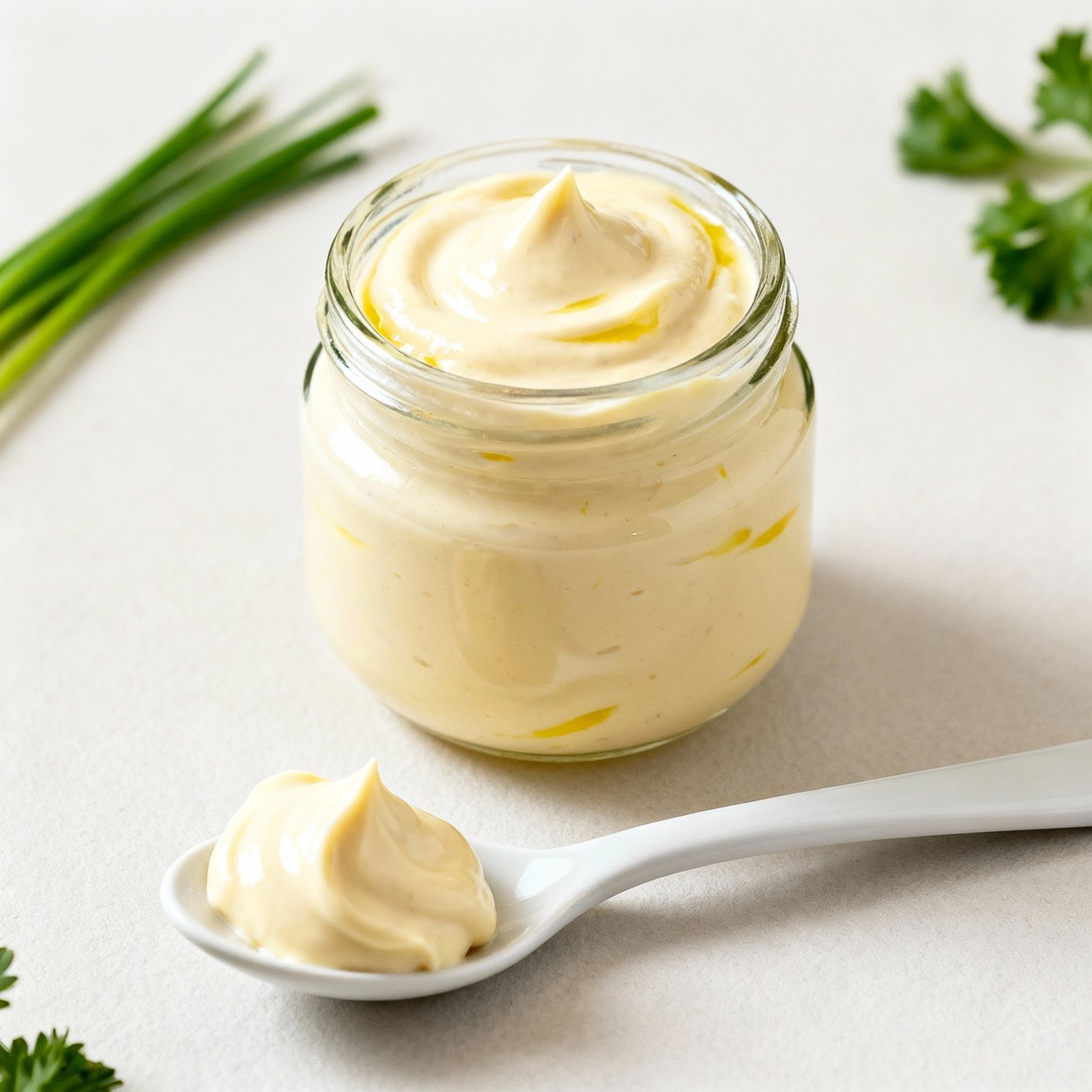
Vegan Mayonnaise Recipe: Creamy, Tangy Perfection in Minutes!
👩🍳 The Busy Home Cook's Arsenal
Consistently cooking incredible meals for your family doesn't mean spending three hours in the kitchen every night. These are the 5 absolute life-saving appliances and culinary tools that dramatically cut down prep time while guaranteeing restaurant-quality results.
🌪️ Ninja 4-Quart Air Fryer
The machine that completely changed weeknight dinners. It preheats in seconds and cooks frozen vegetables, chicken wings, and battered fish to an incredibly crispy, deep-fried texture using 75% less oil and taking half the time of a traditional oven.
⏱️ Instant Pot Duo 7-in-1 Pressure Cooker
Forget slow cookers that take 8 hours. This legendary appliance aggressively pressure cooks tough cuts of meat into melt-in-your-mouth tender roasts, stews, and perfectly fluffy rice in under 45 minutes, saving you when you forget to defrost dinner.
🔪 Victorinox Fibrox Pro 8" Chef's Knife
A dull knife is dangerous and makes chopping vegetables a miserable chore. This exact blade reigns supreme in professional kitchens because it holds a terrifyingly sharp edge, features a non-slip grip, and costs significantly less than heavy German steel.
🌡️ ThermoPro Instant Read Thermometer
The secret difference between dry, rubbery chicken and juicy perfection. Stop nervously slicing your proteins open to check if they're done—this waterproof digital pen gives you a highly accurate temperature reading in less than three seconds.
🥤 Vitamix 5200 Professional-Grade Blender
Whether you are making silky-smooth breakfast smoothies, pureed soups from scratch, or blending absolutely lump-free sauces, this famously indestructible motor pulverizes anything you throw at it. It literally heats soup from the friction of the blades alone.
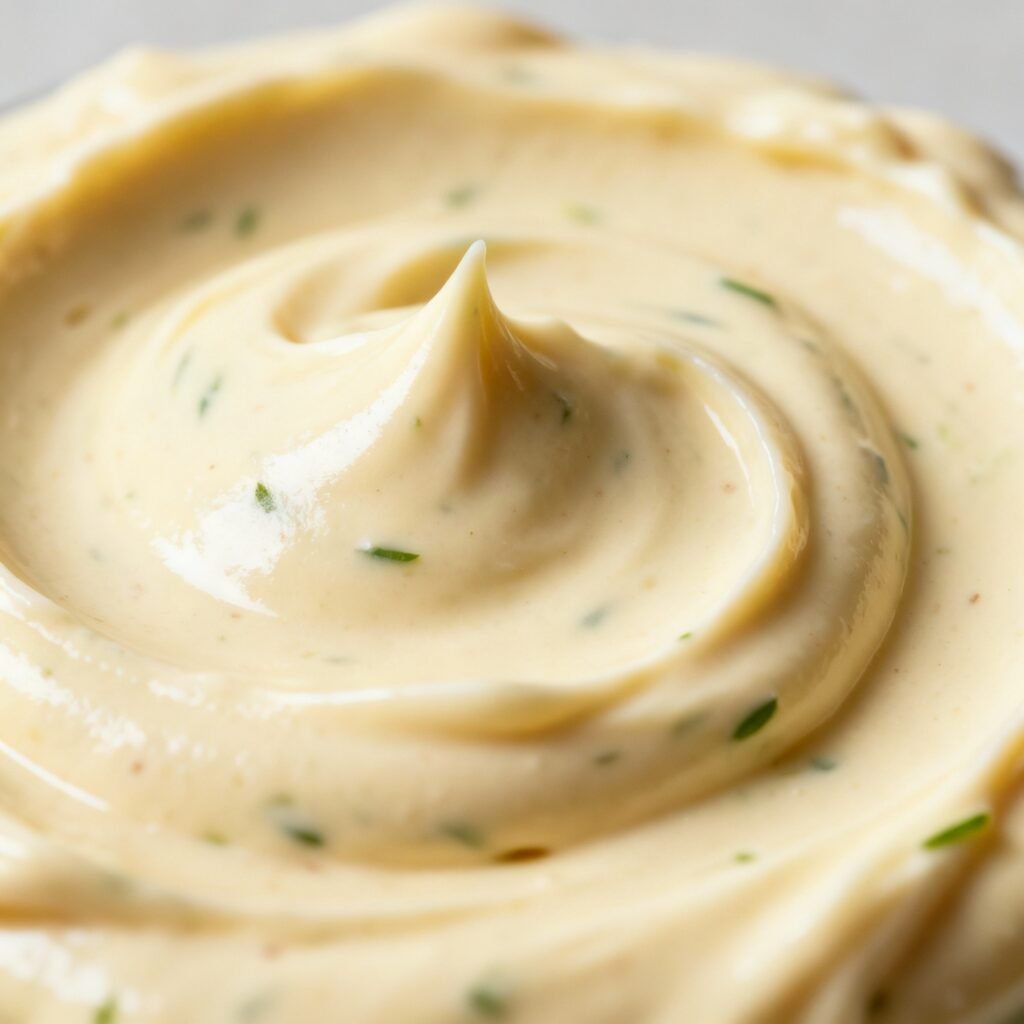
Craving a creamy, tangy mayonnaise without the eggs? Look no further! This vegan mayonnaise recipe is a game-changer. It’s incredibly easy to make, requires minimal ingredients, and tastes remarkably similar to traditional mayonnaise. Whether you’re vegan, have egg allergies, or simply looking for a healthier alternative, this recipe will become your new go-to for sandwiches, salads, dips, and more.
Why This Recipe Works
This recipe relies on the emulsifying power of plant-based milk and a touch of acidity to create a stable and creamy mayonnaise. Here’s why it works so well:
- Plant-Based Milk: Soy milk is the preferred choice for its neutral flavor and high protein content, which helps with emulsification. However, other unsweetened, unflavored plant-based milks like oat milk or cashew milk can also work, though the texture and flavor may vary slightly. Avoid rice milk as it tends to be too thin.
- Oil: A neutral-tasting oil like canola, sunflower, or avocado oil is crucial for achieving the classic mayonnaise flavor. Olive oil can be used, but it will impart a stronger, more distinct flavor that might not be desirable in all applications.
- Acid: Lemon juice or apple cider vinegar provides the necessary acidity to help emulsify the mixture and adds the signature tangy flavor of mayonnaise.
- Mustard: Dijon mustard not only adds flavor but also acts as an emulsifier, helping to bind the oil and milk together.
- Optional Additions: A pinch of salt and a touch of sugar enhance the overall flavor and balance the acidity.
Ingredients
- 1/2 cup unsweetened, unflavored soy milk (or other suitable plant-based milk)
- 1 cup neutral-tasting oil (canola, sunflower, or avocado oil)
- 1 tablespoon lemon juice or apple cider vinegar
- 1 teaspoon Dijon mustard
- 1/4 teaspoon salt, or to taste
- 1/4 teaspoon sugar (optional)
Instructions
- Combine Ingredients: In a tall, narrow container (like a mason jar or the container that came with your immersion blender), combine the soy milk, lemon juice (or apple cider vinegar), Dijon mustard, salt, and sugar (if using).
- Add Oil: Slowly pour the oil into the container on top of the other ingredients. It’s important not to mix at this stage.
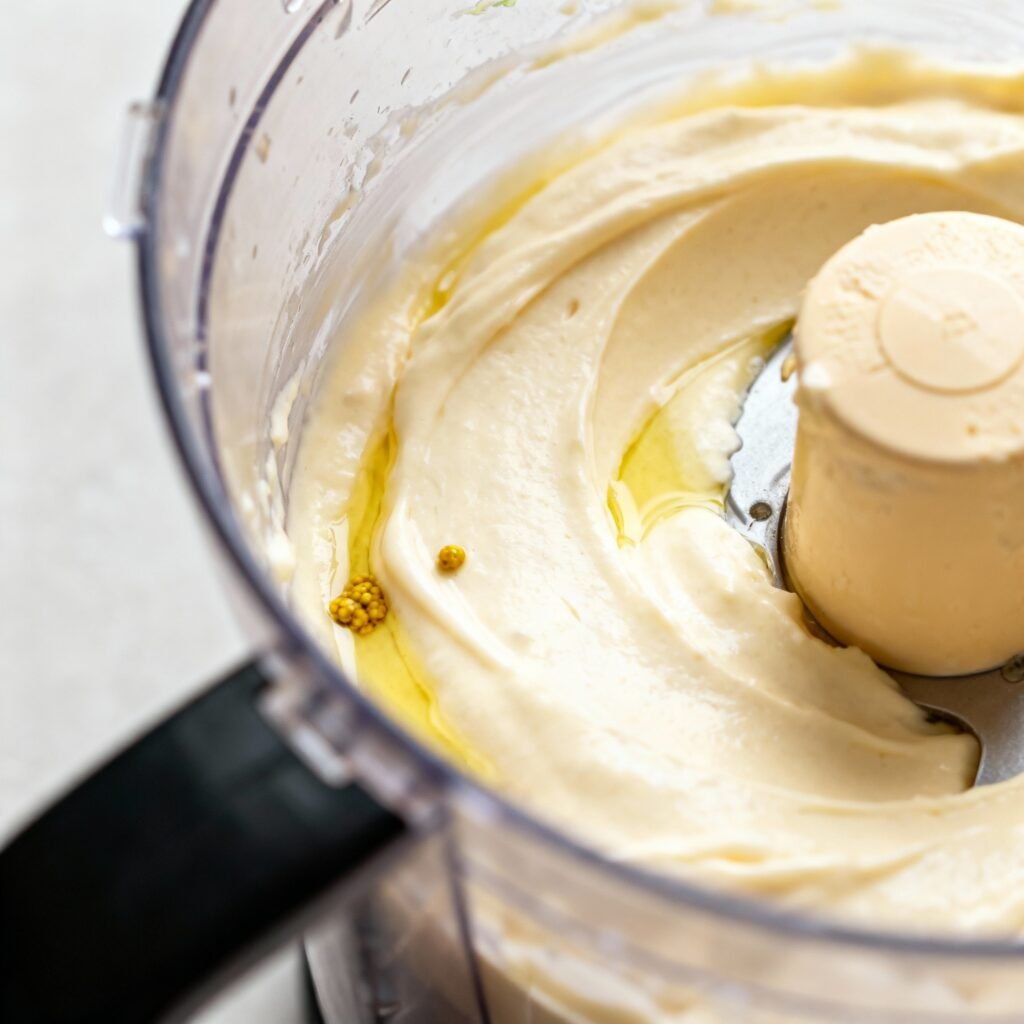
- Emulsify: Insert an immersion blender all the way to the bottom of the container. Turn the blender on and let it sit at the bottom for a few seconds until the mixture starts to emulsify.
- Blend Upward: Slowly and steadily move the immersion blender upwards, blending the oil into the milk mixture. Continue blending until the mayonnaise is thick and creamy. This should take about 30-60 seconds.
- Adjust Consistency: If the mayonnaise is too thick, add a teaspoon of plant-based milk at a time and blend until you reach the desired consistency. If it’s too thin, add a tablespoon of oil and blend again.
- Taste and Adjust Seasoning: Taste the mayonnaise and adjust the seasoning as needed. Add more salt, lemon juice, or mustard to your liking.
- Chill: Transfer the mayonnaise to an airtight container and refrigerate for at least 30 minutes to allow it to thicken further and for the flavors to meld.
Tips for Success
- Use Cold Ingredients: Cold plant-based milk and oil are essential for proper emulsification.
- Don’t Over-Blend: Over-blending can cause the mayonnaise to separate. Blend just until it’s thick and creamy.
- Slow and Steady Wins the Race: Pouring the oil too quickly can prevent emulsification. Take your time and pour it slowly and steadily.
- Immersion Blender is Key: While a regular blender can be used, an immersion blender is highly recommended for its efficiency and ease of use. If using a regular blender, start on the lowest speed and gradually increase it.
- Experiment with Flavors: Once you’ve mastered the basic recipe, feel free to experiment with different flavors. Try adding garlic powder, smoked paprika, herbs, or chili flakes.
- Troubleshooting: If your mayonnaise doesn’t emulsify, try adding a teaspoon of Dijon mustard or lemon juice and blending again. You can also try chilling the mixture for a few minutes before blending again.
Storage Instructions
Store the vegan mayonnaise in an airtight container in the refrigerator for up to 5-7 days. Because it doesn’t contain preservatives like commercially produced mayonnaise, it will not last as long. Be sure to check for any signs of spoilage before using, such as a sour smell or change in texture.
FAQ
Q: Can I use olive oil?
A: Yes, you can use olive oil, but it will impart a strong flavor to the mayonnaise. For a more neutral flavor, use canola, sunflower, or avocado oil.
Q: Can I use a regular blender instead of an immersion blender?
A: Yes, but it can be trickier. Start with the blender on the lowest speed and gradually increase it. You may need to scrape down the sides of the blender occasionally.
Q: My mayonnaise is too thin. What can I do?
A: Add a tablespoon of oil and blend again. You can also chill the mayonnaise in the refrigerator for a few minutes to help it thicken.
Q: My mayonnaise is too thick. What can I do?
A: Add a teaspoon of plant-based milk at a time and blend until you reach the desired consistency.
Q: Can I freeze vegan mayonnaise?
A: Freezing is not recommended as it can alter the texture and cause the mayonnaise to separate.
Q: What can I use this vegan mayonnaise for?
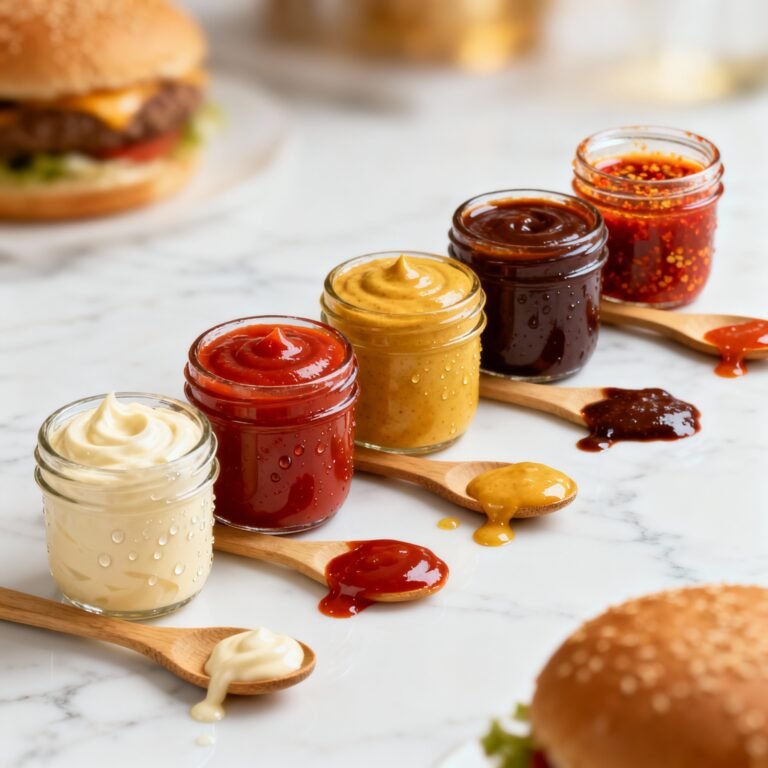
A: Use it just like regular mayonnaise! It’s great on sandwiches, burgers, in salads (potato salad, coleslaw), as a dip for fries or vegetables, or as a base for sauces and dressings.
🍽️ The Entertainer's Presentation Kit
We eat with our eyes first. If you love hosting friends for dinner, drinks, or holiday parties, these 5 elegant serving upgrades instantly transform casual home cooking into a luxurious, highly photogenic fine-dining experience.
🍲 Le Creuset Enameled Cast Iron Dutch Oven
The ultimate flex for a dinner party. You can braise short ribs or bake sourdough bread in the oven, then bring this stunning enameled pot directly to the center of your dining table to serve your guests from its wildly beautiful colored casing.
🍷 RIEDEL Crystal Wine Glass Set
Stop serving good wine in cheap, thick-rimmed glasses. The remarkably thin crystal lip and specifically engineered bowl shapes of these glasses genuinely elevate the aroma and flavor profiles of your favorite vintages, making a $15 bottle taste significantly more expensive.
🧀 Premium Bamboo Charcuterie Board Set
The easiest appetizer strategy ever invented. This massive carved board features hidden slide-out drawers containing stainless steel cheese knives and ceramic ramekins, giving you the perfect canvas to build massive, Instagram-worthy grazing spreads.
✨ Genuine Marble Drink Coasters
A simple, brilliant aesthetic upgrade that protects your expensive furniture. These heavy, elegant real marble coasters with subtle gold accents look incredibly chic tossed around a living room while completely preventing water rings from sweaty cocktails.
🌿 100% Cotton Cloth Dinner Napkins
Throwing away a mountain of paper towels at a dinner party ruins the vibe. Swapping to soft, highly-absorbent, fully machine-washable cloth napkins instantly pulls a tablescape together and makes even a Tuesday night pizza feel like a fancy event.
Conclusion
This vegan mayonnaise recipe is a simple, delicious, and versatile alternative to traditional mayonnaise. With just a few ingredients and a few minutes of your time, you can create a creamy, tangy condiment that’s perfect for all your culinary needs. So ditch the eggs and embrace the deliciousness of this plant-based mayonnaise. Enjoy!