Punjabi Kadhi Recipe: Creamy, Tangy Delight in Every Spoonful!
👩🍳 The Busy Home Cook's Arsenal
Consistently cooking incredible meals for your family doesn't mean spending three hours in the kitchen every night. These are the 5 absolute life-saving appliances and culinary tools that dramatically cut down prep time while guaranteeing restaurant-quality results.
🌪️ Ninja 4-Quart Air Fryer
The machine that completely changed weeknight dinners. It preheats in seconds and cooks frozen vegetables, chicken wings, and battered fish to an incredibly crispy, deep-fried texture using 75% less oil and taking half the time of a traditional oven.
⏱️ Instant Pot Duo 7-in-1 Pressure Cooker
Forget slow cookers that take 8 hours. This legendary appliance aggressively pressure cooks tough cuts of meat into melt-in-your-mouth tender roasts, stews, and perfectly fluffy rice in under 45 minutes, saving you when you forget to defrost dinner.
🔪 Victorinox Fibrox Pro 8" Chef's Knife
A dull knife is dangerous and makes chopping vegetables a miserable chore. This exact blade reigns supreme in professional kitchens because it holds a terrifyingly sharp edge, features a non-slip grip, and costs significantly less than heavy German steel.
🌡️ ThermoPro Instant Read Thermometer
The secret difference between dry, rubbery chicken and juicy perfection. Stop nervously slicing your proteins open to check if they're done—this waterproof digital pen gives you a highly accurate temperature reading in less than three seconds.
🥤 Vitamix 5200 Professional-Grade Blender
Whether you are making silky-smooth breakfast smoothies, pureed soups from scratch, or blending absolutely lump-free sauces, this famously indestructible motor pulverizes anything you throw at it. It literally heats soup from the friction of the blades alone.
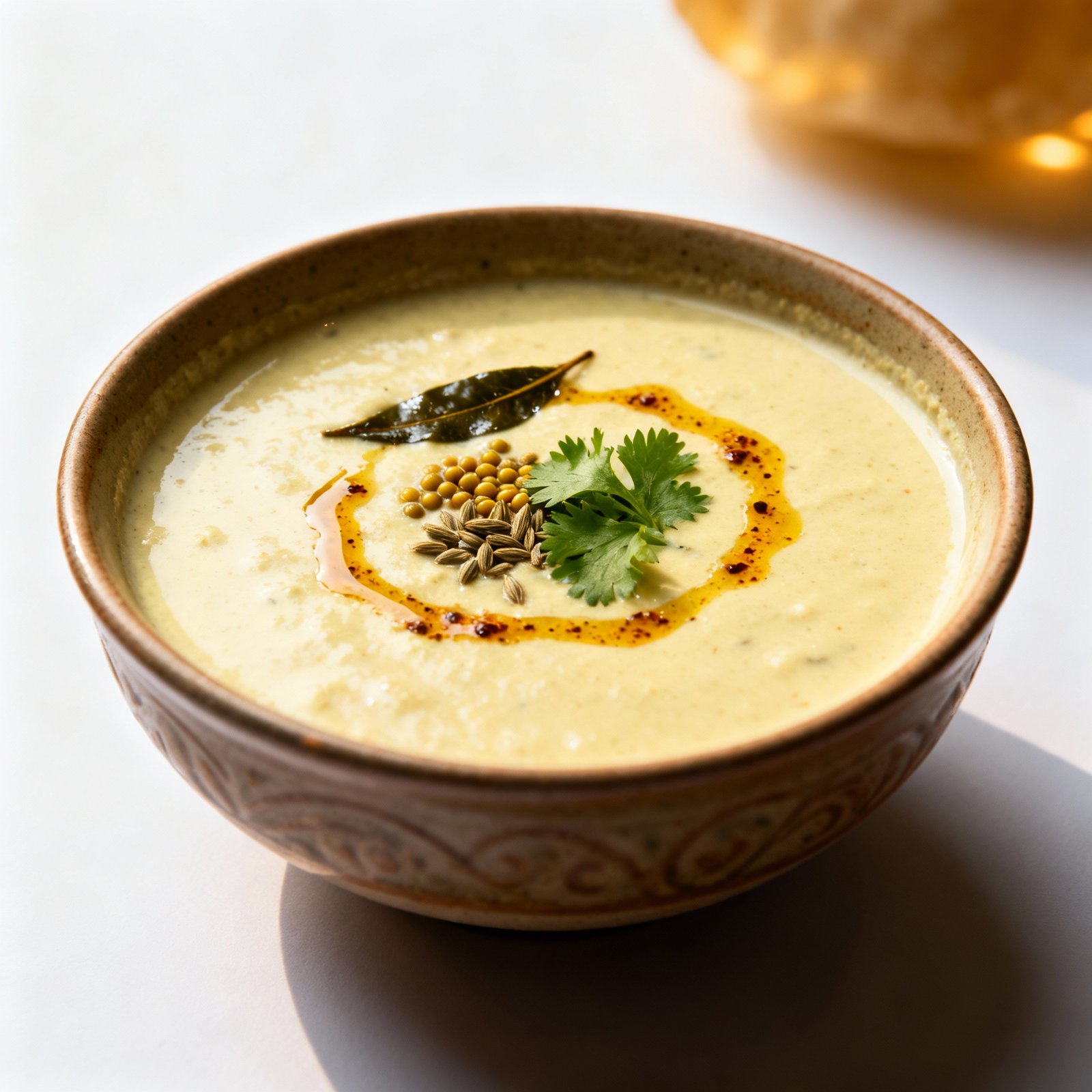
Punjabi Kadhi is more than just a yogurt-based curry; it’s a symphony of flavors that dances on your palate. This vibrant dish, a staple in North Indian homes, is a comforting blend of sour yogurt, earthy besan (gram flour), and a medley of aromatic spices. Forget bland and boring – this Kadhi is bursting with personality, perfect for a cozy weeknight dinner or a festive gathering. This recipe delivers a truly authentic Punjabi Kadhi experience, packed with flavor and guaranteed to become a family favorite.
Why This Recipe Works
This Punjabi Kadhi recipe stands out because it focuses on achieving the perfect balance of flavors and textures. Here’s what makes it work:
- The Right Yogurt: We emphasize using slightly sour yogurt. The sourness is crucial for the characteristic tang of Kadhi. If your yogurt isn’t sour enough, we provide a simple trick to enhance it.
- Besan Roasting Technique: Roasting the besan (gram flour) before adding it to the yogurt mixture is key. This eliminates the raw besan flavor and gives the Kadhi a smoother, richer texture.
- Tempering (Tadka) Mastery: The tempering is the heart and soul of Punjabi Kadhi. We use a generous amount of ghee and a combination of spices like mustard seeds, cumin seeds, fenugreek seeds, and dried red chilies to create a flavorful explosion that infuses the entire dish.
- Slow Simmering: Patience is a virtue when making Kadhi. Slow simmering allows the flavors to meld together beautifully, resulting in a more complex and delicious dish.
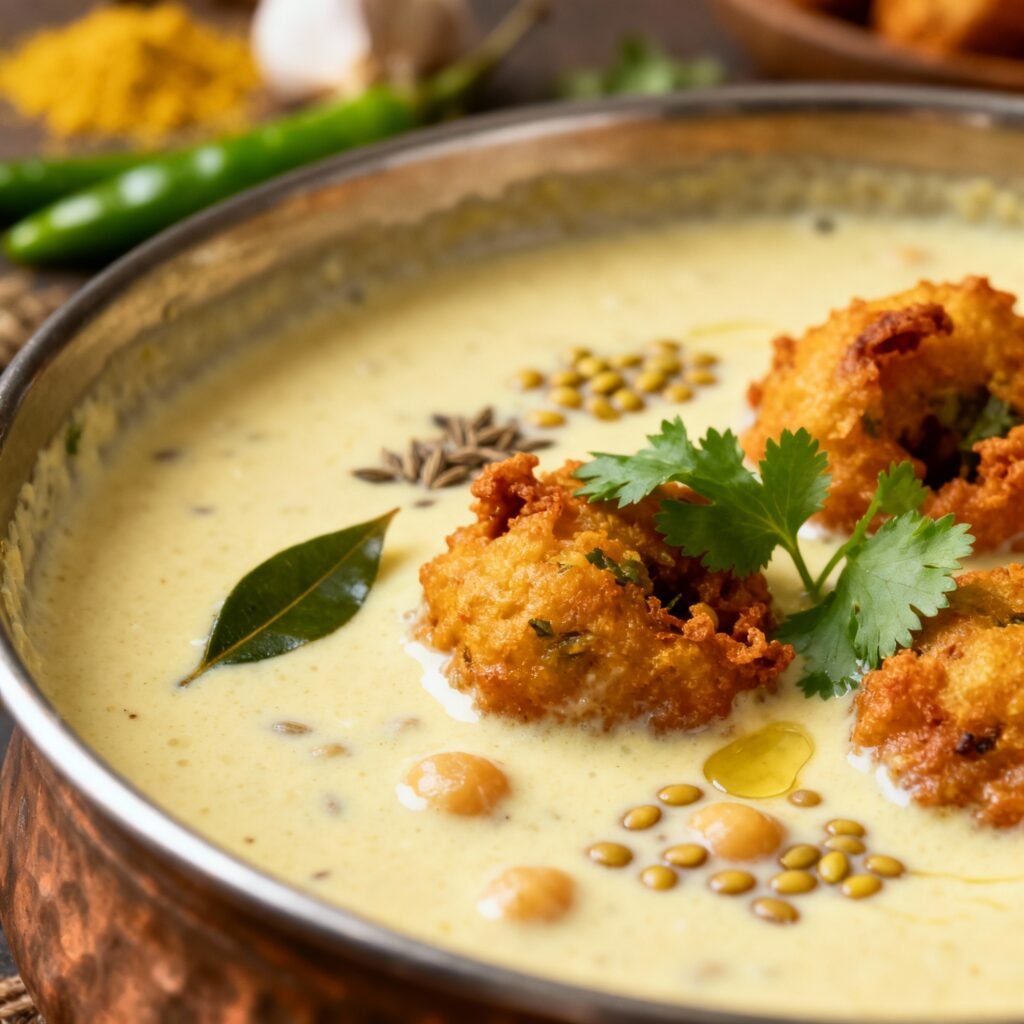
- Pakora Perfection (Optional): While not strictly necessary, adding pakoras (fritters) elevates the Kadhi to another level. The pakoras soak up the flavorful gravy, adding a delightful textural contrast. We offer guidance on making perfect, soft pakoras.
Ingredients
- For the Kadhi:
- 2 cups (500g) Plain Yogurt, slightly sour
- 1/2 cup (60g) Besan (Gram Flour)
- 4 cups Water
- 1 teaspoon Ginger-Garlic Paste
- 1/2 teaspoon Turmeric Powder
- 1/2 teaspoon Red Chili Powder (adjust to taste)
- 1/4 teaspoon Asafoetida (Hing)
- 1 teaspoon Salt (adjust to taste)
- 2 tablespoons Ghee or Oil
- For the Tempering (Tadka):
- 2 tablespoons Ghee
- 1 teaspoon Mustard Seeds
- 1 teaspoon Cumin Seeds
- 1/2 teaspoon Fenugreek Seeds (Methi Seeds)
- 2-3 Dried Red Chilies, broken into pieces
- 1 sprig Curry Leaves (optional)
- 1/4 teaspoon Red Chili Powder (for color)
- Optional: For the Pakoras:
- 1 cup Besan (Gram Flour)
- 1/4 teaspoon Turmeric Powder
- 1/4 teaspoon Red Chili Powder
- 1/4 teaspoon Ajwain (Carom Seeds)
- Pinch of Baking Soda
- Salt to taste
- Water, as needed
- Oil for frying
Instructions
- Prepare the Yogurt Mixture: In a large bowl, whisk together the yogurt and besan until smooth. Ensure there are no lumps. Gradually add water, whisking continuously to create a thin, even mixture.
- Roast the Besan: In a heavy-bottomed pot or Dutch oven, heat 2 tablespoons of ghee or oil over medium heat. Add the besan and roast, stirring constantly, until it turns light golden brown and releases a nutty aroma (about 5-7 minutes). Be careful not to burn it.
- Combine and Simmer: Gradually pour the yogurt mixture into the pot with the roasted besan, stirring constantly to prevent lumps from forming. Add ginger-garlic paste, turmeric powder, red chili powder, asafoetida, and salt. Bring the mixture to a boil, then reduce the heat to low and simmer for at least 45-60 minutes, stirring occasionally. The longer it simmers, the better the flavors will meld. The Kadhi should thicken slightly.
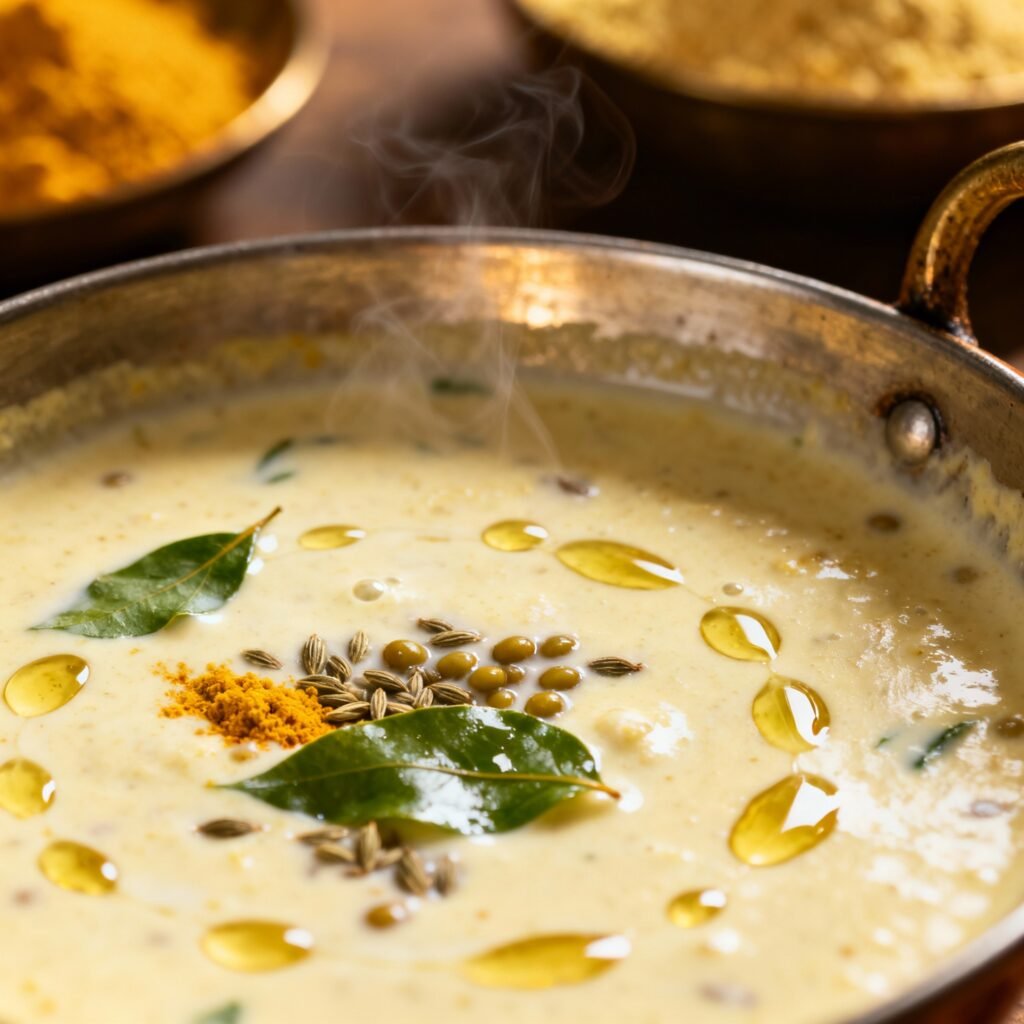
- Prepare the Tempering (Tadka): While the Kadhi is simmering, prepare the tempering. In a small pan, heat 2 tablespoons of ghee over medium heat. Add mustard seeds and let them splutter. Then add cumin seeds, fenugreek seeds, and dried red chilies. Sauté for a few seconds until fragrant. If using curry leaves, add them now.
- Finish the Kadhi: Carefully pour the tempering over the simmering Kadhi. Stir gently to combine. Add a pinch of red chili powder to the tempering for a vibrant color.
- (Optional) Make the Pakoras: While the Kadhi simmers, prepare the pakoras. In a bowl, combine besan, turmeric powder, red chili powder, ajwain, baking soda, and salt. Gradually add water, mixing until you have a smooth, thick batter. Heat oil in a deep frying pan or wok. Drop small spoonfuls of the batter into the hot oil and fry until golden brown and cooked through. Drain on paper towels.
- Serve: If using, add the pakoras to the Kadhi about 10-15 minutes before serving, so they can soak up the gravy. Serve the Punjabi Kadhi hot with steamed rice or roti. Garnish with fresh cilantro, if desired.
Tips for Success
- Yogurt Sourness: If your yogurt isn’t sour enough, add a tablespoon of lemon juice or amchur (dried mango powder) to the yogurt mixture. Alternatively, leave the yogurt out at room temperature for a few hours to sour slightly.
- Besan Consistency: Ensure the besan is finely ground for a smooth Kadhi. If you have coarse besan, you can sieve it before using.
- Stirring is Key: Stir the Kadhi frequently, especially during the initial stages, to prevent the besan from sticking to the bottom of the pot and burning.
- Adjust Spices: Adjust the amount of red chili powder to your preference.
- Pakora Softness: Adding a pinch of baking soda to the pakora batter will help make them soft and fluffy. Don’t over-fry the pakoras, as they will become hard.
- Simmering Time: The longer the Kadhi simmers, the better the flavors will develop. Don’t rush this step.
Storage Instructions
Leftover Punjabi Kadhi can be stored in an airtight container in the refrigerator for up to 3-4 days. Reheat gently on the stovetop or in the microwave before serving. The Kadhi may thicken upon refrigeration, so add a little water while reheating to adjust the consistency. Pakoras added to the kadhi will soften over time, so it’s best to add them just before serving if possible. You can store the pakoras separately and add them to the kadhi when reheating.
FAQ
- Can I make this recipe vegan? Yes, you can substitute the yogurt with a plant-based yogurt alternative, such as cashew yogurt or coconut yogurt. Use oil instead of ghee for the tempering.
- Can I use store-bought pakoras? Yes, you can use store-bought pakoras to save time. Just make sure they are not too oily.
- My Kadhi is too thick. What should I do? Add a little water to thin it out.
- My Kadhi is too thin. What should I do? Continue simmering the Kadhi until it thickens to your desired consistency. You can also mix a small amount of besan with water and add it to the Kadhi to thicken it.
- Can I add vegetables to the Kadhi? Yes, you can add vegetables like potatoes, cauliflower, or spinach to the Kadhi. Add them when you add the ginger-garlic paste.
- What is Asafoetida (Hing) and can I skip it? Asafoetida is a pungent spice that adds a unique flavor to the Kadhi and also aids in digestion. If you don’t have it or don’t like the flavor, you can skip it, but it does contribute significantly to the authentic taste.
🍽️ The Entertainer's Presentation Kit
We eat with our eyes first. If you love hosting friends for dinner, drinks, or holiday parties, these 5 elegant serving upgrades instantly transform casual home cooking into a luxurious, highly photogenic fine-dining experience.
🍲 Le Creuset Enameled Cast Iron Dutch Oven
The ultimate flex for a dinner party. You can braise short ribs or bake sourdough bread in the oven, then bring this stunning enameled pot directly to the center of your dining table to serve your guests from its wildly beautiful colored casing.
🍷 RIEDEL Crystal Wine Glass Set
Stop serving good wine in cheap, thick-rimmed glasses. The remarkably thin crystal lip and specifically engineered bowl shapes of these glasses genuinely elevate the aroma and flavor profiles of your favorite vintages, making a $15 bottle taste significantly more expensive.
🧀 Premium Bamboo Charcuterie Board Set
The easiest appetizer strategy ever invented. This massive carved board features hidden slide-out drawers containing stainless steel cheese knives and ceramic ramekins, giving you the perfect canvas to build massive, Instagram-worthy grazing spreads.
✨ Genuine Marble Drink Coasters
A simple, brilliant aesthetic upgrade that protects your expensive furniture. These heavy, elegant real marble coasters with subtle gold accents look incredibly chic tossed around a living room while completely preventing water rings from sweaty cocktails.
🌿 100% Cotton Cloth Dinner Napkins
Throwing away a mountain of paper towels at a dinner party ruins the vibe. Swapping to soft, highly-absorbent, fully machine-washable cloth napkins instantly pulls a tablescape together and makes even a Tuesday night pizza feel like a fancy event.
Conclusion
Punjabi Kadhi is a truly special dish that deserves a place in your culinary repertoire. With its creamy texture, tangy flavor, and aromatic spices, it’s a comforting and satisfying meal that’s perfect for any occasion. This recipe provides a foolproof guide to creating a truly authentic and delicious Punjabi Kadhi that will impress your family and friends. So, gather your ingredients, follow the instructions, and get ready to experience the magic of Punjabi Kadhi!