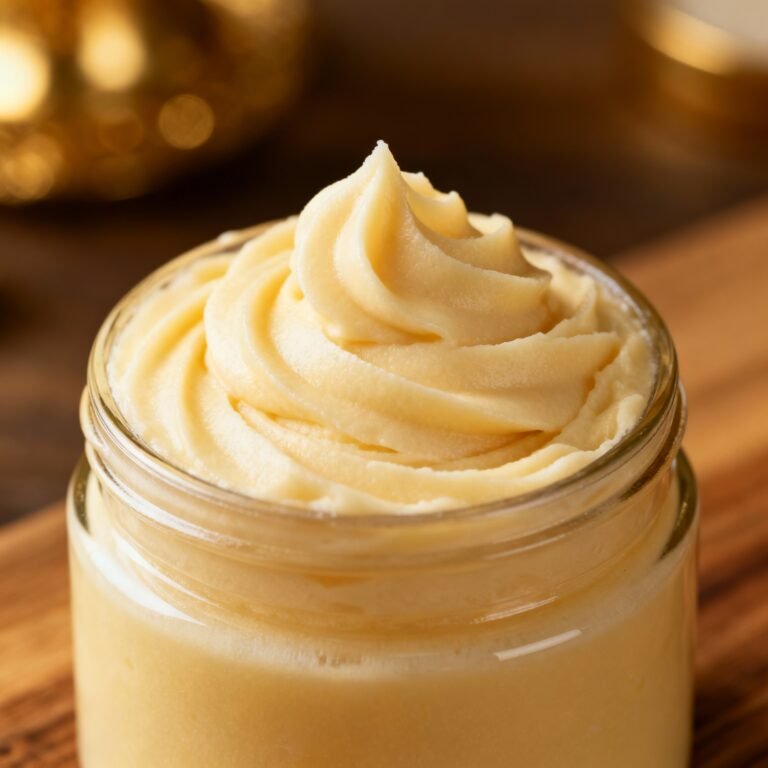
Meringue Recipe Frosting: Light as Air Perfection!
Imagine a frosting that’s sweet, decadent, and yet feels impossibly light. A frosting that doesn’t weigh down your cakes and cupcakes but instead elevates them to a cloud-like dream. That’s the magic of meringue frosting! Unlike buttercream, which relies heavily on butter for its richness, meringue frosting whips egg whites to unbelievable heights, creating a stable and glossy finish that’s simply irresistible. This recipe will guide you through creating a flawless meringue frosting that will impress your friends and family – and have them begging for more.
Why This Recipe Works
This recipe uses the Swiss meringue method, which is considered one of the most stable and foolproof ways to create meringue frosting. Unlike Italian meringue, which requires cooking sugar syrup to a precise temperature, the Swiss method involves gently heating egg whites and sugar together over a double boiler. This process dissolves the sugar completely and pasteurizes the egg whites, resulting in a smoother, more stable base. Furthermore, the gradual addition of butter, whipped to a light and airy consistency, creates a luscious texture that won’t separate or weep. The careful balance of ingredients and the methodical approach outlined below ensure a meringue frosting that’s not only beautiful but also incredibly delicious and easy to work with.
Ingredients
- 4 large egg whites (about 120g), at room temperature
- 1 cup (200g) granulated sugar
- 1/4 teaspoon cream of tartar
- 1/2 teaspoon vanilla extract
- 1 cup (2 sticks, 226g) unsalted butter, softened but still cool
- Pinch of salt
Instructions
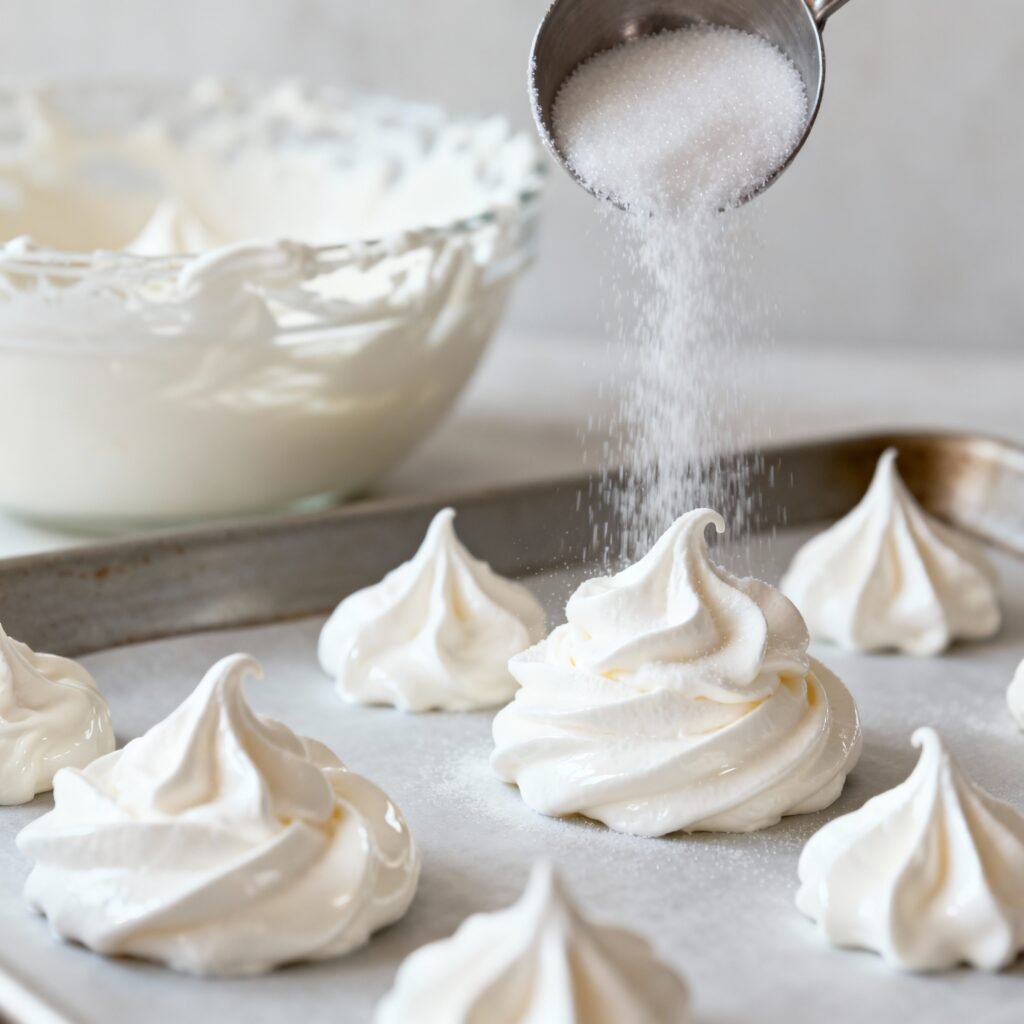
- Prepare the Double Boiler: Combine egg whites and sugar in a heatproof bowl (stainless steel or glass) that fits snugly over a saucepan filled with about 1-2 inches of simmering water. Make sure the bottom of the bowl doesn’t touch the water. This creates a double boiler.
- Heat and Dissolve: Place the bowl over the simmering water and whisk constantly until the sugar is completely dissolved and the mixture is hot to the touch. You should not feel any sugar granules when you rub a small amount between your fingers. This usually takes about 5-7 minutes. Use a candy thermometer if you have one; the mixture should reach 160°F (71°C).
- Whip the Meringue: Remove the bowl from the heat and carefully transfer the egg white mixture to the bowl of a stand mixer fitted with the whisk attachment. Add the cream of tartar.
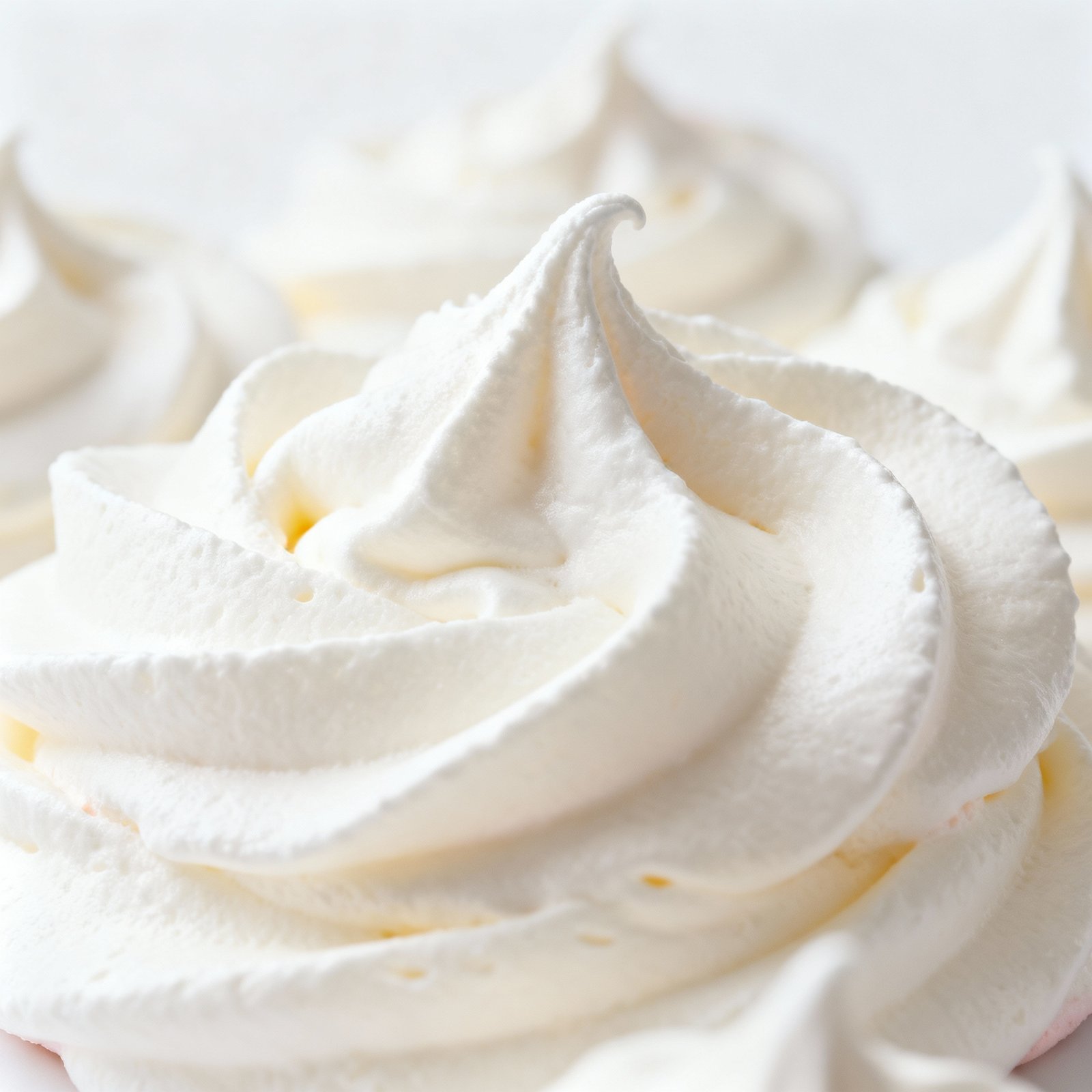
- Whip to Stiff Peaks: Beat the mixture on medium-high speed until stiff, glossy peaks form. This will take about 8-10 minutes. The meringue should be cool to the touch and the bowl of the mixer should no longer feel warm. This is crucial for a stable frosting.
- Add the Butter: Reduce the mixer speed to medium and add the softened butter, a tablespoon at a time, waiting until each addition is fully incorporated before adding the next. The mixture may look curdled at first, but continue beating. It will come together.
- Continue Whipping: Once all the butter is added, increase the mixer speed to medium-high and whip for another 3-5 minutes, or until the frosting is smooth, light, and fluffy.
- Add Vanilla and Salt: Add the vanilla extract and salt and whip for another 30 seconds to combine.
- Use Immediately: The meringue frosting is now ready to use! Frost your cakes, cupcakes, or other desserts immediately.
Tips for Success
- Room Temperature Egg Whites: Using room temperature egg whites will help them whip up to a greater volume. Let them sit out for about 30 minutes before starting the recipe.
- Clean Bowl and Whisk: Make sure your mixing bowl and whisk attachment are impeccably clean and free of any grease. Even a tiny amount of grease can prevent the egg whites from whipping properly. Wipe them down with a clean cloth and a little lemon juice or vinegar.
- Softened but Cool Butter: The butter should be softened but still cool to the touch. If it’s too soft, it will cause the frosting to be greasy. If it’s too cold, it won’t incorporate properly.
- Patience is Key: Don’t rush the whipping process. It takes time for the meringue to form stiff peaks and for the butter to fully incorporate.
- Troubleshooting: If your frosting looks curdled, don’t panic! Just keep whipping. It will eventually come together. If it’s too soft, chill it in the refrigerator for 15-20 minutes and then whip it again.
- Flavor Variations: Feel free to experiment with different extracts, such as almond, lemon, or peppermint. You can also add a few tablespoons of melted chocolate or fruit puree for a different flavor profile.
- Coloring: Gel food coloring works best for meringue frosting, as it won’t thin out the frosting like liquid food coloring. Add the coloring a drop at a time until you reach your desired shade.
Storage Instructions
Meringue frosting is best used immediately, but it can be stored in an airtight container in the refrigerator for up to 3 days. Before using, bring it to room temperature and rewhip it with a mixer until it’s smooth and fluffy again. You can also freeze meringue frosting for up to 2 months. Thaw it in the refrigerator overnight and rewhip it before using.
FAQ
- Can I use pasteurized egg whites from a carton? While it’s technically possible, using fresh egg whites is highly recommended for the best results. Carton egg whites sometimes contain stabilizers that can interfere with the whipping process.
- My frosting is too sweet. What can I do? A pinch of salt can help balance the sweetness. You can also add a teaspoon of lemon juice or a few drops of vinegar to cut through the sweetness.
- Can I make this frosting without a stand mixer? Yes, but it will be a lot more work! You can use a handheld electric mixer, but it will take longer to whip the meringue to stiff peaks.
- Why is my frosting separating? This can happen if the butter is too warm or if the meringue isn’t stiff enough. Make sure the butter is softened but still cool, and that the meringue forms stiff, glossy peaks before adding the butter. If it separates, try chilling it for a bit and then re-whipping.
- Can I use salted butter? Unsalted butter is preferred because it allows you to control the amount of salt in the frosting. If you only have salted butter, omit the pinch of salt in the recipe.
Conclusion
Meringue frosting might seem intimidating at first, but with a little patience and attention to detail, you can create a stunning and delicious frosting that will elevate your baked goods to a whole new level. The light, airy texture and delicate sweetness make it the perfect complement to cakes, cupcakes, and other desserts. So, gather your ingredients, follow these instructions, and get ready to experience the magic of meringue frosting! Enjoy!