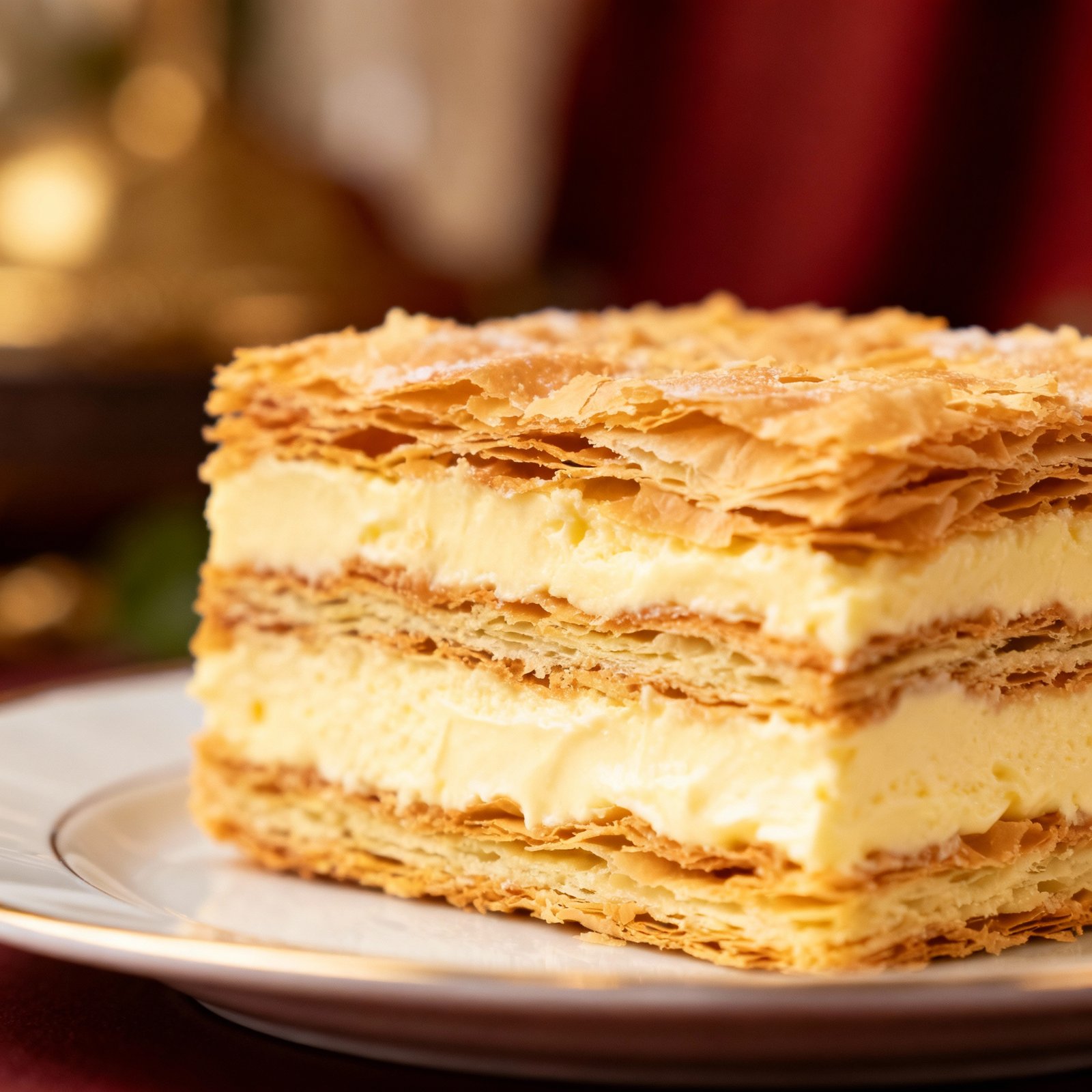
Napoleon Cake Recipe: The Flakiest, Creamiest Delight!
Napoleon Cake, also known as Mille-feuille, is a classic pastry that boasts layers upon layers of delicate, flaky pastry and a rich, creamy filling. While it might seem intimidating, this recipe breaks down the process into manageable steps, making it achievable for even beginner bakers. Get ready to impress your friends and family with this show-stopping dessert!
Why This Recipe Works
This recipe focuses on creating a truly exceptional Napoleon Cake by:
- Homemade Puff Pastry: While store-bought puff pastry can be used in a pinch, making it from scratch elevates the cake to a whole new level. This recipe guides you through the process, ensuring perfectly flaky layers.
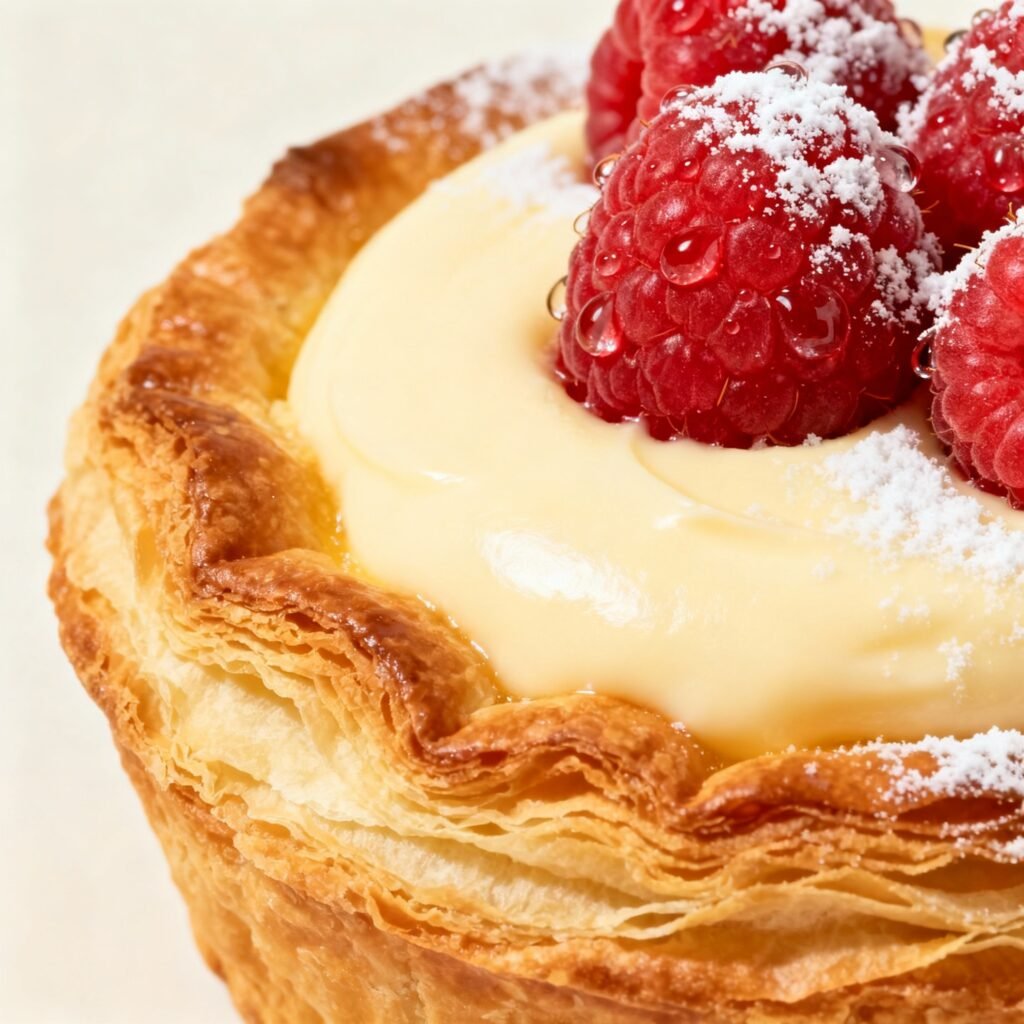
- Rich and Creamy Custard: The custard filling is the heart of the Napoleon Cake. This recipe uses a combination of milk, cream, eggs, and vanilla to create a luscious and flavorful filling that perfectly complements the pastry.
- Balanced Sweetness: The recipe strikes a perfect balance between the buttery pastry and the sweet custard, preventing the cake from being overly sweet.
- Detailed Instructions: Each step is explained clearly and concisely, with helpful tips and tricks to ensure success.
Ingredients
For the Puff Pastry:
- 2 1/2 cups (315g) all-purpose flour, plus more for dusting
- 1 teaspoon salt
- 1 cup (2 sticks or 226g) cold unsalted butter, cut into 1/2-inch cubes
- 3/4 cup (177ml) ice water
For the Custard Filling:
- 4 cups (946ml) whole milk
- 1 cup (237ml) heavy cream
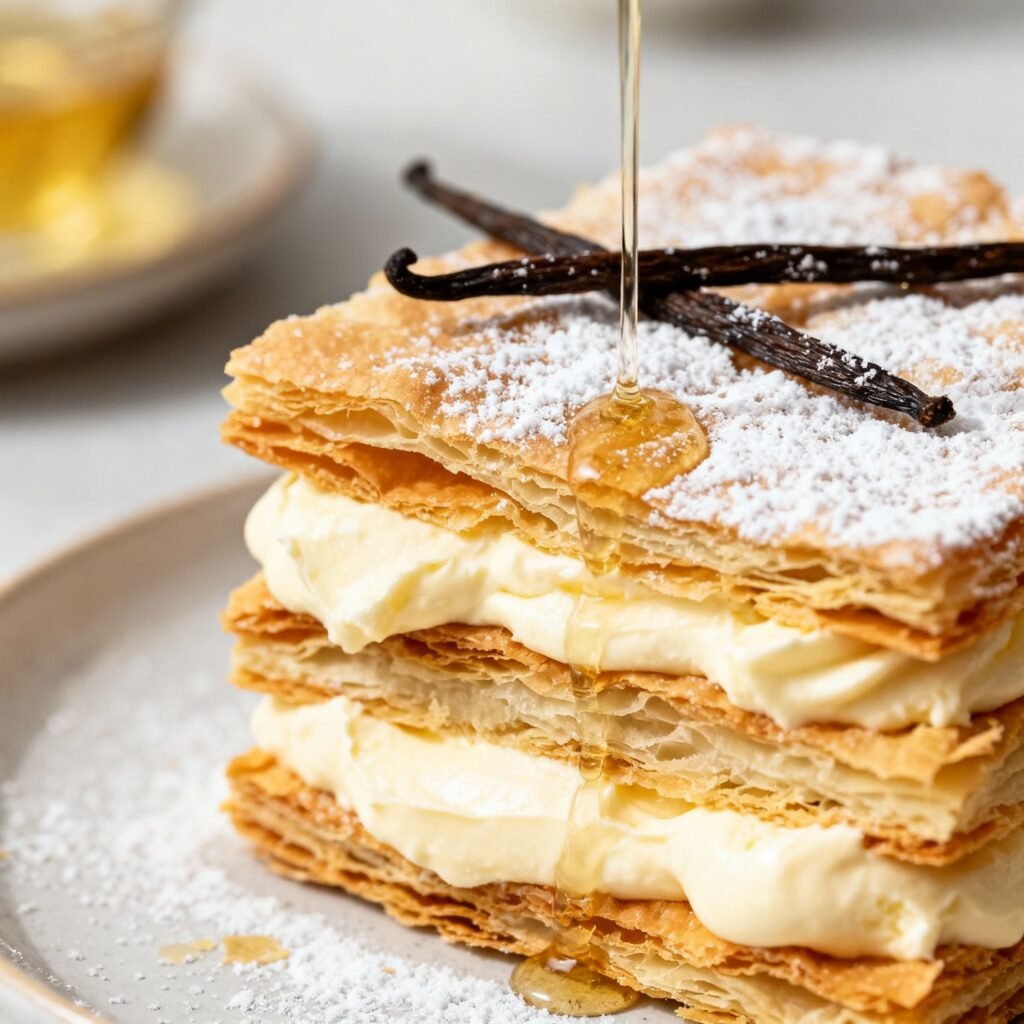
- 1 vanilla bean, split lengthwise and seeds scraped (or 2 teaspoons vanilla extract)
- 1 cup (200g) granulated sugar
- 1/2 cup (60g) cornstarch
- 6 large egg yolks
- 4 tablespoons (57g) unsalted butter, cut into pieces
For the Assembly:
- Powdered sugar, for dusting
- Leftover puff pastry scraps, baked until golden brown and crumbled (optional, for decoration)
Instructions
Making the Puff Pastry:
- Combine Dry Ingredients: In a large bowl, whisk together the flour and salt.
- Add Butter: Add the cold butter cubes to the flour mixture. Using a pastry blender or your fingertips, cut the butter into the flour until the mixture resembles coarse crumbs. It’s crucial to keep the butter cold to create flaky layers.
- Add Water: Gradually add the ice water, mixing until the dough just comes together. Do not overmix.
- Shape and Chill: Form the dough into a rectangle, wrap it tightly in plastic wrap, and chill in the refrigerator for at least 2 hours, or preferably overnight.
- Laminating the Dough (First Turn): On a lightly floured surface, roll the dough into a 12×18 inch rectangle. Fold the dough into thirds, like a letter. This is called a single turn. Wrap in plastic wrap and chill for 30 minutes.
- Second Turn: Repeat the rolling and folding process. Wrap in plastic wrap and chill for 30 minutes.
- Third Turn: Repeat the rolling and folding process. Wrap in plastic wrap and chill for at least 2 hours, or preferably overnight. This chilling time is critical for relaxing the gluten and preventing the pastry from shrinking during baking.
Making the Custard Filling:
- Infuse the Milk and Cream: In a large saucepan, combine the milk, cream, and vanilla bean (and seeds). Heat over medium heat until just simmering. Remove from heat and let steep for 30 minutes to infuse the flavors. Remove the vanilla bean.
- Whisk Sugar and Cornstarch: In a separate bowl, whisk together the sugar and cornstarch.
- Whisk in Egg Yolks: Add the egg yolks to the sugar and cornstarch mixture and whisk until pale and smooth.
- Temper the Egg Yolks: Slowly pour a small amount of the hot milk mixture into the egg yolk mixture, whisking constantly to temper the eggs and prevent them from scrambling.
- Combine and Cook: Pour the tempered egg yolk mixture back into the saucepan with the remaining milk mixture. Cook over medium heat, whisking constantly, until the custard thickens and comes to a boil. Continue to cook for 1 minute, whisking vigorously.
- Add Butter: Remove the saucepan from the heat and stir in the butter until melted and smooth.
- Cool the Custard: Pour the custard into a bowl, cover the surface directly with plastic wrap to prevent a skin from forming, and chill in the refrigerator for at least 4 hours, or preferably overnight.
Assembling the Napoleon Cake:
- Preheat Oven: Preheat oven to 400°F (200°C).
- Roll Out and Bake Pastry: On a lightly floured surface, roll out the puff pastry to a 1/8-inch thickness. Cut the pastry into three equal rectangles (approximately 6×9 inches). Place the rectangles on baking sheets lined with parchment paper. Dock the pastry all over with a fork to prevent it from puffing up too much.
- Bake the Pastry: Bake for 15-20 minutes, or until golden brown and puffed. Let cool completely on wire racks. Reserve any scraps for decoration.
- Assemble the Cake: Place one layer of pastry on a serving plate. Spread a generous layer of custard over the pastry. Repeat with the remaining pastry layers and custard, ending with a layer of custard on top.
- Chill the Cake: Chill the assembled cake in the refrigerator for at least 2 hours, or preferably overnight, to allow the flavors to meld and the pastry to soften slightly.
- Decorate: Before serving, dust the top of the cake generously with powdered sugar. If desired, crumble the baked pastry scraps and sprinkle them over the top for added texture and visual appeal.
Tips for Success
- Keep Ingredients Cold: Cold butter and ice water are crucial for creating flaky puff pastry.
- Don’t Overmix the Dough: Overmixing develops the gluten in the flour, resulting in a tough pastry.
- Chill the Dough Thoroughly: Chilling the dough between turns allows the gluten to relax and prevents the pastry from shrinking during baking.
- Dock the Pastry: Docking the pastry with a fork prevents it from puffing up too much during baking.
- Don’t Overcook the Custard: Overcooking the custard can cause it to curdle.
- Cool the Custard Properly: Covering the surface of the custard with plastic wrap prevents a skin from forming.
- Chill the Cake Before Serving: Chilling the cake allows the flavors to meld and the pastry to soften slightly.
Storage Instructions
Napoleon Cake is best enjoyed fresh, but it can be stored in the refrigerator for up to 2 days. Keep in mind that the pastry will soften over time. Store in an airtight container to prevent it from drying out.
FAQ
Q: Can I use store-bought puff pastry?
A: Yes, you can use store-bought puff pastry to save time. However, homemade puff pastry will result in a flakier and more flavorful cake.
Q: Can I make the puff pastry ahead of time?
A: Yes, you can make the puff pastry up to 2 days in advance and store it in the refrigerator, tightly wrapped in plastic wrap.
Q: Can I freeze the Napoleon Cake?
A: Freezing Napoleon cake is not recommended as the custard filling can become watery and the pastry can lose its texture.
Q: What can I use instead of vanilla bean?
A: If you don’t have vanilla bean, you can use 2 teaspoons of vanilla extract.
Conclusion
Congratulations! You’ve successfully created a delicious and impressive Napoleon Cake. This recipe may require some time and effort, but the end result is well worth it. Enjoy the flaky layers, creamy filling, and satisfying sweetness of this classic pastry. Happy baking!