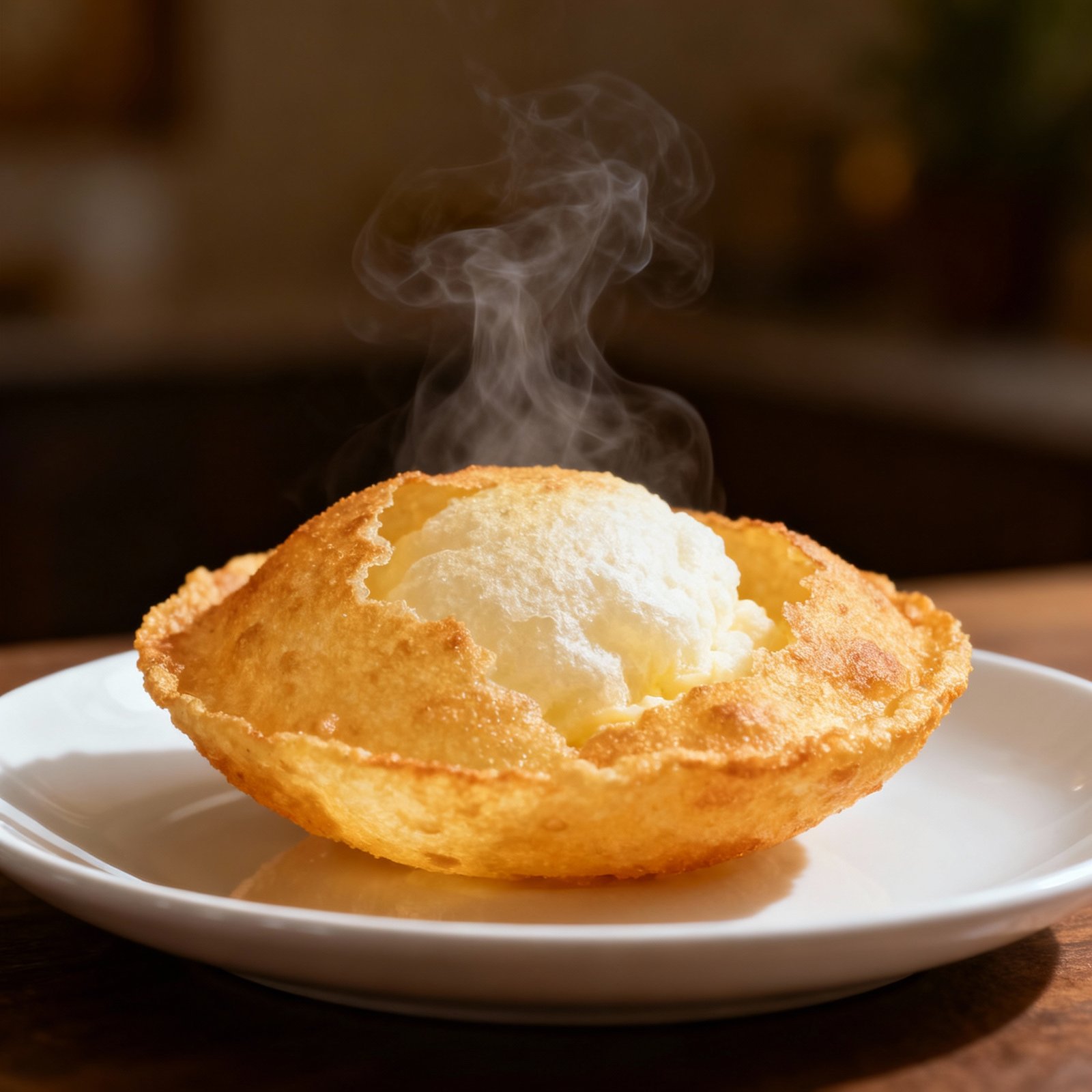
Appam Recipe Kerala: The Crispiest, Softest You’ll Ever Make!
Imagine waking up to the aroma of slightly fermented batter, sizzling on a hot pan, transforming into a delicate, lacy crepe with a soft, fluffy center. That’s the magic of Appam, a beloved breakfast staple from Kerala, India. This recipe will guide you through creating perfect Appams at home, even if you’ve never tried before. Get ready for a culinary journey that will transport your taste buds to the lush landscapes of Kerala!
Why This Recipe Works
This Appam recipe is meticulously crafted to ensure consistently delicious results. Here’s why it’s a winner:
- Traditional Technique with Modern Tweaks: We combine the classic fermentation process with a few modern adjustments for easier preparation and reliable results.
- Balanced Ingredients: The precise ratio of rice, coconut, and a touch of sugar creates the perfect sweet and savory balance, essential for authentic Appam flavor.
- Detailed Instructions: Each step is clearly explained, from soaking the rice to cooking the perfect Appam, leaving no room for guesswork.
- Troubleshooting Tips: We address common issues and provide solutions to ensure your Appams turn out perfectly every time.
- Emphasis on Fermentation: We guide you through the fermentation process, crucial for achieving the characteristic sourness and airy texture.
Ingredients
- Raw Rice (Pacharisi): 2 cups (Use a short-grain or medium-grain rice variety. Sona Masuri works well.)
- Cooked Rice: 1/2 cup (Leftover cooked rice is perfect!)
- Grated Coconut: 1 cup (Fresh or frozen, thawed)
- Sugar: 1 tablespoon (Adjust to your preference)
- Dry Yeast: 1/2 teaspoon (Instant dry yeast)
- Baking Soda: 1/4 teaspoon
- Salt: To taste
- Water: As needed for soaking and grinding
Instructions
- Soaking the Rice: Rinse the raw rice thoroughly under cold water until the water runs clear. Soak the rice in plenty of fresh water for at least 6-8 hours, or preferably overnight. This step is crucial for softening the rice and making it easier to grind.
- Grinding the Batter: Drain the soaked rice completely. In a blender or wet grinder, combine the soaked rice, cooked rice, and grated coconut. Add enough water to form a smooth, thick batter. The consistency should be similar to pancake batter.
- Adding Yeast and Sugar: Transfer the batter to a large bowl. Dissolve the dry yeast in 2 tablespoons of warm water along with the sugar. Let it sit for 5-10 minutes until it becomes frothy. This ensures the yeast is active.
- Fermenting the Batter: Add the yeast mixture to the batter. Mix well to combine. Cover the bowl with a lid or plastic wrap and let it ferment in a warm place for 8-12 hours, or until the batter has doubled in volume and has a slightly sour aroma. The fermentation time will vary depending on the temperature of your environment. In colder climates, it may take longer.
- Adjusting the Batter Consistency: After fermentation, the batter may have thickened. Add water gradually until you reach a pouring consistency similar to pancake batter. The batter should coat the back of a spoon without being too watery.
- Adding Baking Soda and Salt: Just before cooking, add baking soda and salt to the batter. Mix gently until well combined. The baking soda helps to create the soft, fluffy center of the Appam.
- Cooking the Appams: Heat an Appam pan (Appachatti) or a small, curved-bottom non-stick pan over medium heat. Grease the pan lightly with oil.
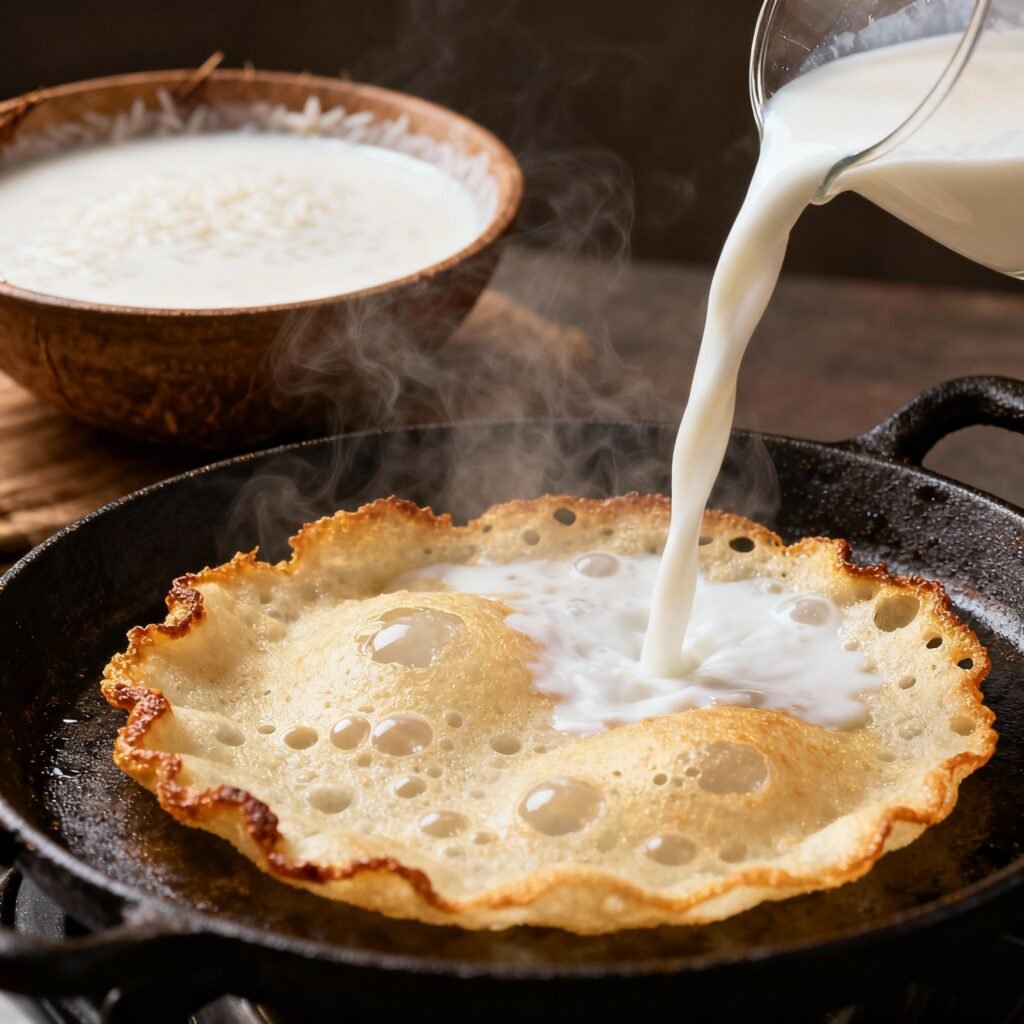
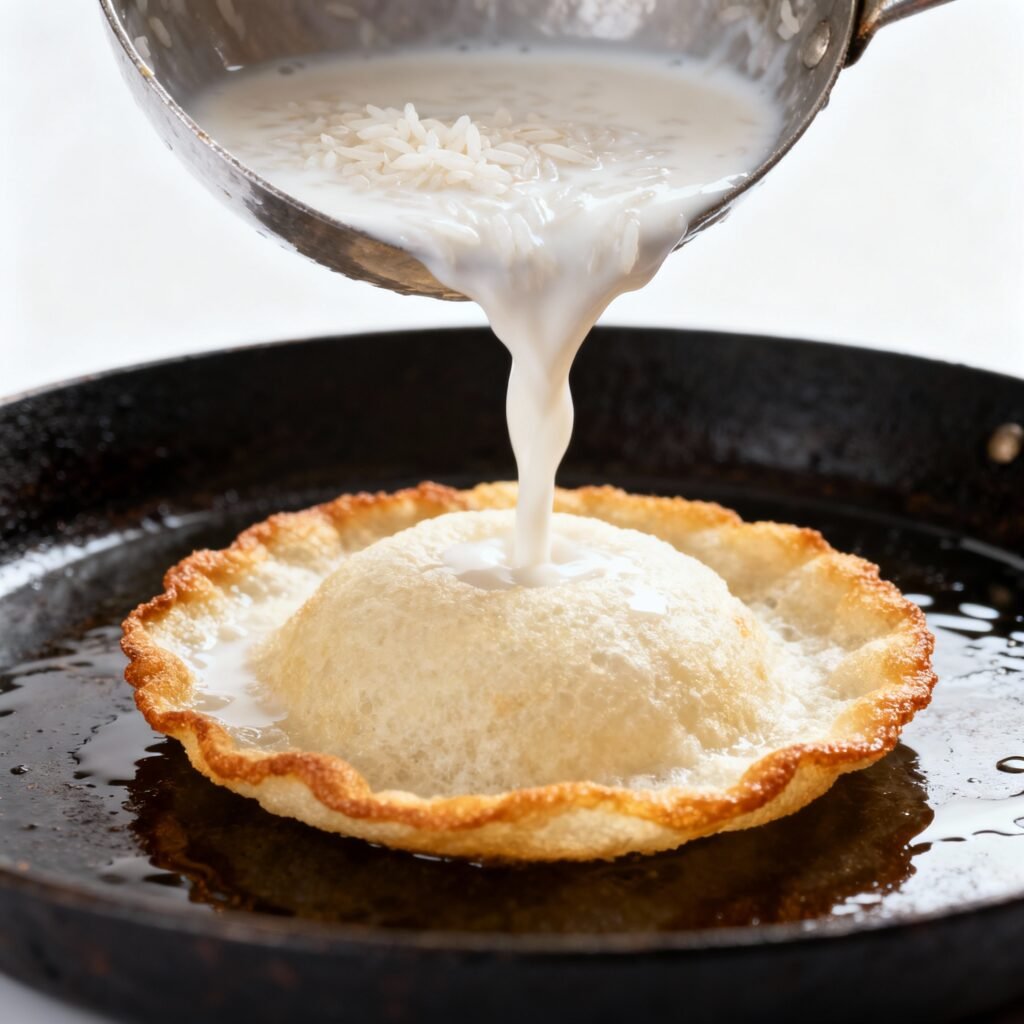
- Pouring the Batter: Pour a ladleful of batter into the center of the hot pan. Immediately lift the pan and swirl it gently in a circular motion to spread the batter evenly, leaving the center slightly thicker. The batter should form a lacy pattern around the edges of the pan.
- Covering and Cooking: Cover the pan with a lid and cook for 2-3 minutes, or until the edges are golden brown and crispy, and the center is cooked through and slightly spongy.
- Serving: Gently remove the Appam from the pan using a spatula. Serve hot with vegetable stew (Ishtu), egg curry, or sweetened coconut milk.
Tips for Success
- Rice Quality: Using good quality raw rice is crucial for achieving the right texture. Experiment with different varieties to find your favorite.
- Fermentation Temperature: Maintain a warm environment (around 75-85°F or 24-29°C) for optimal fermentation. You can place the batter in a slightly warmed oven (turned off) or near a warm appliance.
- Batter Consistency: The batter consistency is key. Too thick, and the Appams will be dense. Too thin, and they won’t hold their shape. Adjust with water as needed.
- Pan Temperature: The pan should be hot enough to create the lacy edges, but not so hot that the Appam burns. Adjust the heat as needed.
- Don’t Overcook: Overcooking will result in dry, rubbery Appams. Cook until the edges are golden brown and the center is cooked through.
- Greasing the Pan: Lightly greasing the pan prevents the Appam from sticking and ensures easy removal.
- Freshness Matters: Use fresh ingredients, especially coconut and yeast, for the best flavor and texture.
Storage Instructions
Leftover Appams can be stored in an airtight container in the refrigerator for up to 2 days. Reheat them on a dry pan or in a microwave before serving. They may lose some of their crispness upon refrigeration, but they will still be delicious.
FAQ
- Can I use rice flour instead of soaking rice? While you can use rice flour, the texture won’t be quite the same. Soaking and grinding whole rice yields a superior result. If using rice flour, use 1 1/2 cups and adjust the water accordingly. You may need to ferment for a shorter time.
- What can I use if I don’t have an Appam pan? A small, curved-bottom non-stick pan works well as a substitute. You might not get the perfectly round shape, but the taste will be the same.
- My batter didn’t ferment properly. What should I do? Ensure your yeast is active and the environment is warm enough. You can try adding a pinch more yeast and placing the batter in a warmer spot.
- Can I make Appams without yeast? While yeast is traditional, some recipes use baking soda and coconut water for fermentation. However, the flavor and texture will be slightly different.
- What are some good Appam accompaniments? Appam is traditionally served with vegetable stew (Ishtu), egg curry, mutton stew, or sweetened coconut milk. You can also enjoy it with any curry of your choice.
Conclusion
Congratulations! You’re now equipped to make authentic and delicious Kerala Appams at home. With a little practice and these helpful tips, you’ll be serving up perfect Appams that will impress your family and friends. Enjoy the taste of Kerala in your own kitchen! This recipe is a gateway to exploring the diverse and flavorful cuisine of South India. So, gather your ingredients, follow the instructions, and get ready to experience the joy of making and enjoying this iconic dish. Happy cooking!