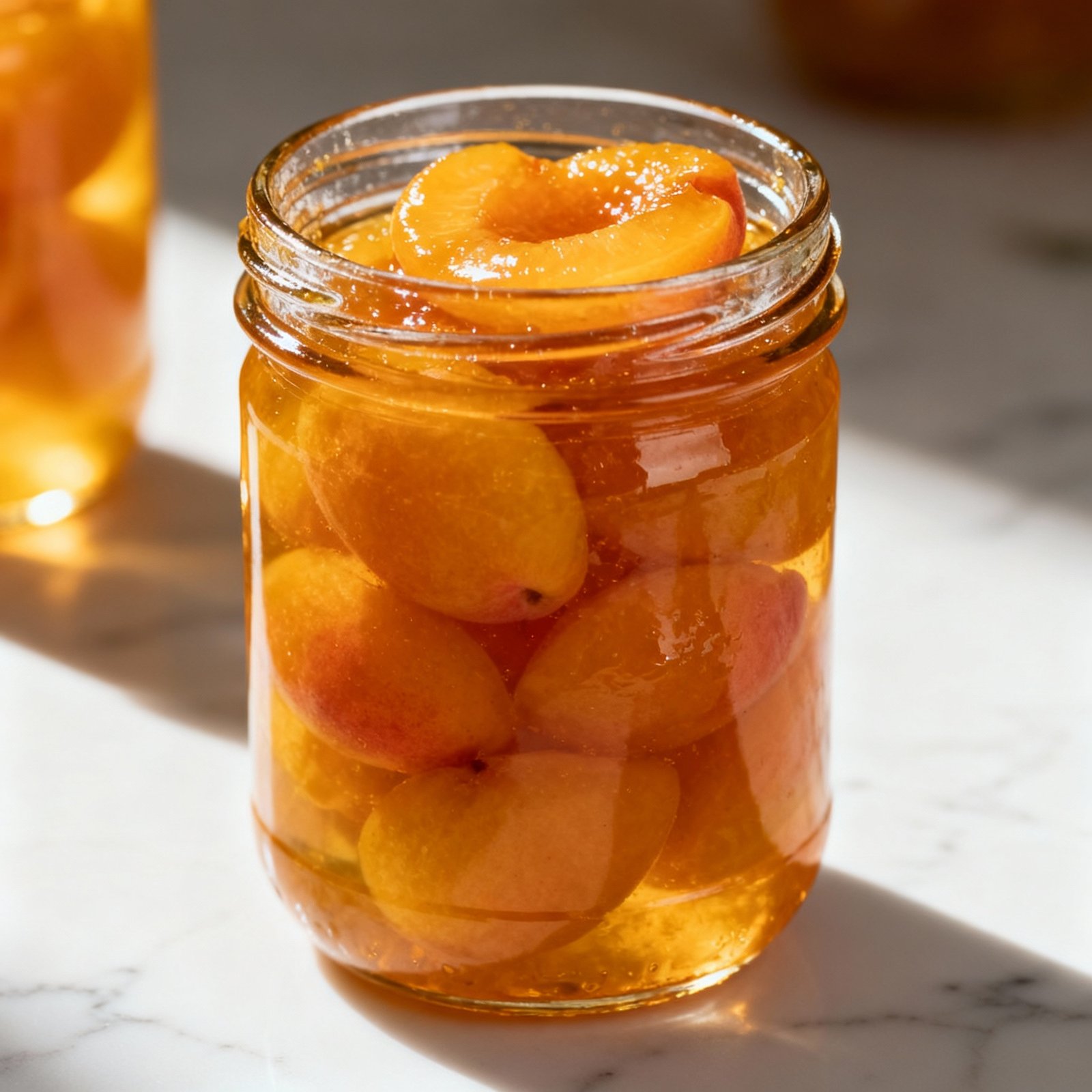
Apricot Preserves Recipe: Sunshine in a Jar!
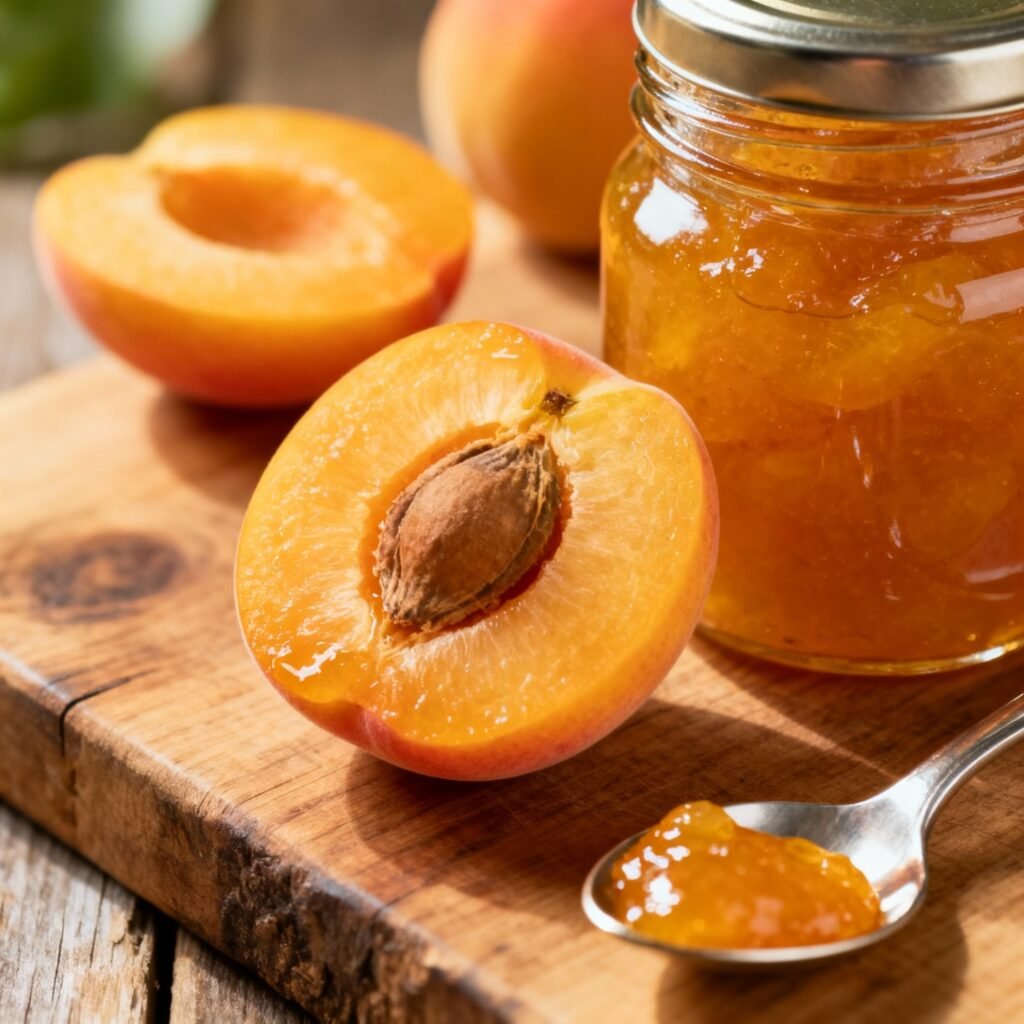
Imagine the taste of summer captured in a jar, a vibrant golden spread bursting with the sweet-tart flavor of sun-ripened apricots. That’s exactly what you’ll get with this apricot preserves recipe. Making your own preserves is easier than you might think, and the result is infinitely more delicious and rewarding than anything you can buy at the store. This recipe is perfect for slathering on toast, swirling into yogurt, using as a glaze for grilled meats, or even gifting to friends and family. Get ready to experience the joy of homemade goodness!
Why This Recipe Works
This recipe is designed for success, even for beginners. Here’s why it stands out:
- Simple Ingredient List: We use only a handful of essential ingredients, allowing the natural flavor of the apricots to shine through.
- Clear and Concise Instructions: Each step is carefully explained, ensuring you understand the process from start to finish.
- Pectin Balance: We’ve carefully considered the pectin levels in apricots and adjusted the recipe accordingly to ensure a perfect set, without being overly firm.
- Tested and Refined: This recipe has been tested and refined to guarantee consistent results every time.
- Scalable: Easily adjust the quantities to make a small batch or a larger batch depending on your needs and the availability of apricots.
Ingredients
- 2 pounds (approximately 900g) ripe but firm apricots, pitted and chopped
- 3 cups (approximately 600g) granulated sugar
- 1/4 cup (60ml) lemon juice, freshly squeezed
- 1/4 cup (60ml) water (optional, see instructions)
Instructions
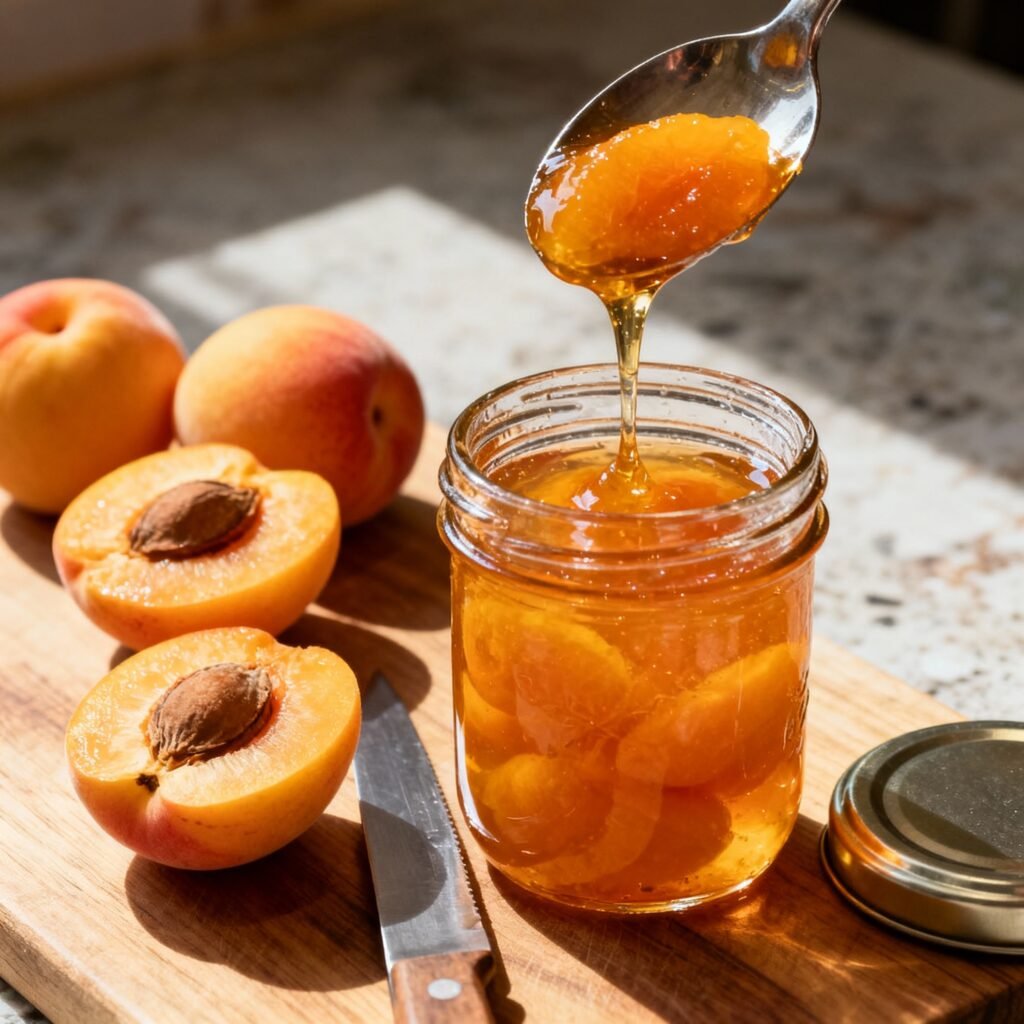
- Prepare the Apricots: Wash the apricots thoroughly. Pit them and chop them into roughly 1/2-inch pieces. Aim for uniform pieces so they cook evenly.
- Combine Ingredients: In a large, heavy-bottomed pot or Dutch oven, combine the chopped apricots, sugar, and lemon juice. Stir well to ensure the sugar is evenly distributed.
- Macerate (Optional): For a richer flavor and easier cooking, let the mixture sit at room temperature for 1-2 hours. This allows the sugar to draw out the juices from the apricots. If your apricots are very dry, add the 1/4 cup of water at this stage.
- Cook the Preserves: Place the pot over medium heat. Bring the mixture to a boil, stirring constantly to prevent sticking and burning. Once boiling, reduce the heat slightly to maintain a gentle, rolling boil.
- Skim the Foam: As the mixture cooks, foam will form on the surface. Use a spoon to skim off this foam and discard it. This will result in clearer, more visually appealing preserves.
- Test for Setting Point: Continue to cook the preserves for approximately 20-30 minutes, or until they reach the setting point. To test for setting, place a small spoonful of the hot preserves onto a chilled plate. Let it cool for a minute. Then, push the preserves with your finger. If it wrinkles and forms a skin, it’s ready. If it’s still runny, continue to cook for a few more minutes and test again. Alternatively, use a candy thermometer. The setting point for preserves is around 220°F (104°C).
- Remove from Heat: Once the preserves have reached the setting point, remove the pot from the heat.
- Process or Store: At this point, you have two options:
- Canning for Shelf-Stability: If you want to store the preserves at room temperature for an extended period, you’ll need to process them in a water bath canner. Follow proper canning procedures for best results. This involves sterilizing jars, filling them with hot preserves, leaving headspace, removing air bubbles, wiping the rims, and processing in a boiling water bath for the recommended time based on your altitude. Consult reliable canning resources like the National Center for Home Food Preservation for detailed instructions.
- Refrigerate for Short-Term Storage: If you plan to use the preserves within a few weeks, you can simply transfer them to sterilized jars and store them in the refrigerator.
- Cool and Enjoy: Let the preserves cool completely before serving. The flavor will continue to develop as they cool.
Tips for Success
- Use Ripe but Firm Apricots: Overripe apricots will result in mushy preserves. Choose apricots that are ripe but still hold their shape.
- Don’t Overcrowd the Pot: Use a pot that is large enough to allow the preserves to boil without overflowing.
- Stir Frequently: Stirring prevents the preserves from sticking to the bottom of the pot and burning.
- Be Patient: Reaching the setting point can take time. Don’t rush the process.
- Sterilize Jars Properly: Sterilizing jars is crucial for safe canning. Follow proper sterilization methods to prevent spoilage.
- Adjust Sugar to Taste: While this recipe provides a good balance of sweetness, you can adjust the amount of sugar to your liking. However, remember that sugar also acts as a preservative.
- Add Spices (Optional): For a unique flavor profile, consider adding a pinch of cinnamon, cardamom, or a vanilla bean to the preserves during cooking.
Storage Instructions
- Canned Preserves: Properly canned preserves can be stored in a cool, dark place for up to 1 year. Once opened, refrigerate and use within a few weeks.
- Refrigerated Preserves: Refrigerated preserves will last for approximately 2-3 weeks.
FAQ
Q: Can I use frozen apricots?
A: Yes, you can use frozen apricots. Thaw them completely before using and drain off any excess liquid. Keep in mind that frozen apricots may release more water during cooking, so you might need to cook the preserves for a longer time to reach the setting point.
Q: Do I need to add pectin?
A: This recipe is designed to work without added pectin. Apricots naturally contain pectin, and the lemon juice helps to activate it. However, if you prefer a firmer set, you can add a small amount of powdered pectin according to the package instructions.
Q: My preserves are too runny. What can I do?
A: If your preserves are too runny, continue to cook them for a few more minutes and test for setting again. You can also add a small amount of powdered pectin to help them set.
Q: My preserves are too thick. What can I do?
A: If your preserves are too thick, you can add a tablespoon or two of water to the pot and stir until the preserves reach the desired consistency.
Q: Can I use a different type of sugar?
A: While granulated sugar is recommended for this recipe, you can experiment with other types of sugar, such as cane sugar or even honey. Keep in mind that different sugars may affect the flavor and texture of the preserves.
Conclusion
Making your own apricot preserves is a rewarding experience that allows you to control the ingredients and create a truly delicious product. This recipe provides a simple and reliable method for capturing the vibrant flavors of summer in a jar. So, gather your apricots, follow these instructions, and get ready to enjoy the taste of homemade sunshine!