Breaded Tenderloin Recipe: Crispy Perfection Every Time!
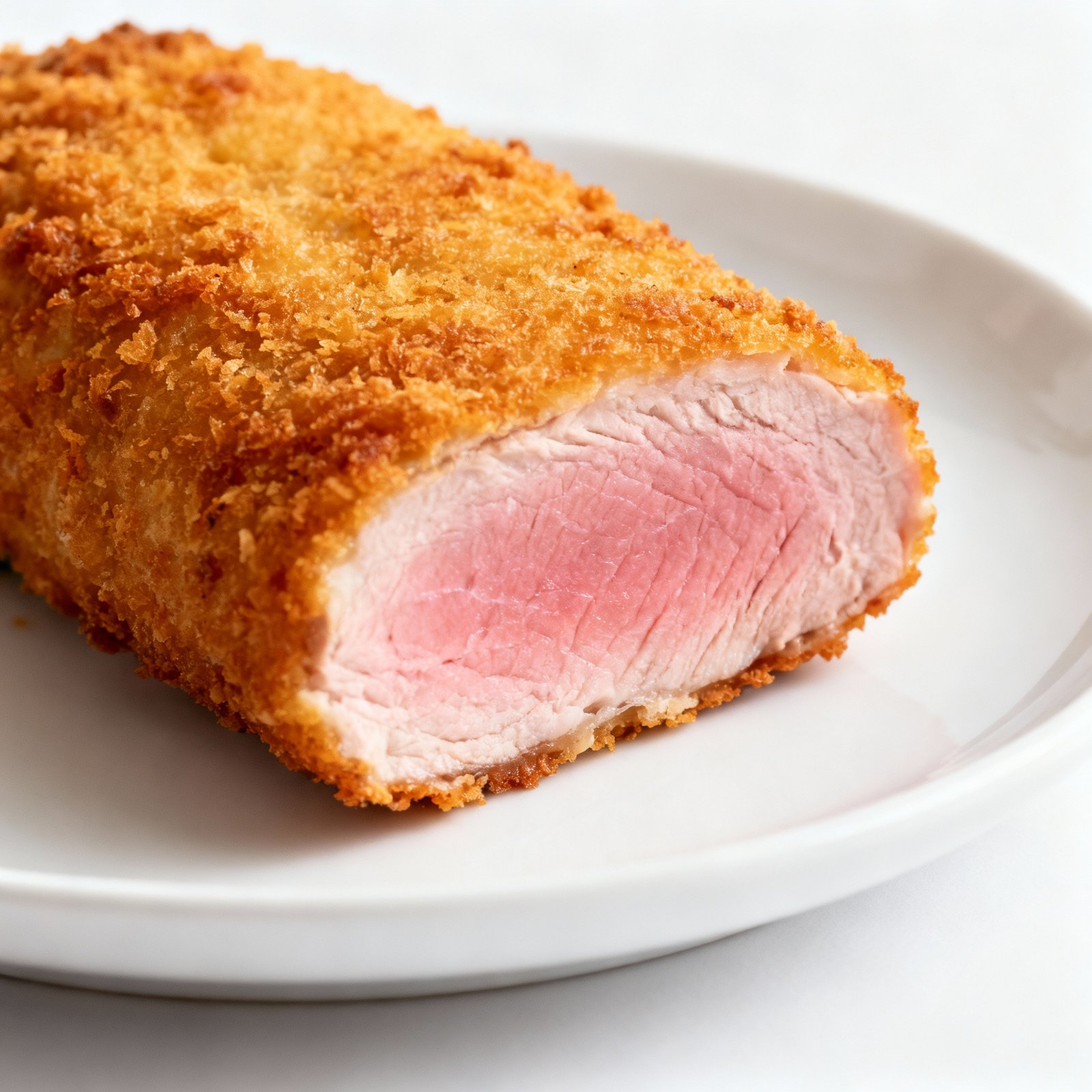
Picture this: a juicy, fork-tender pork tenderloin, enveloped in a golden-brown, crispy breading that shatters with each bite. That’s exactly what you’ll get with this breaded tenderloin recipe. Forget dry, flavorless pork – we’re talking about a culinary masterpiece that’s surprisingly easy to make at home. This isn’t your average breaded pork; it’s an elevated, restaurant-quality dish that will impress your family and friends. Whether it’s a weeknight dinner or a special occasion, this recipe is guaranteed to be a hit. Get ready to experience the ultimate comfort food that’s both satisfying and elegant. Let’s dive in and unlock the secrets to achieving breaded tenderloin perfection!
Why This Recipe Works
This recipe isn’t just about slapping some breadcrumbs on pork; it’s a carefully crafted process designed to maximize flavor and texture. Here’s why it consistently delivers exceptional results:
- Tenderloin Choice: Pork tenderloin is naturally lean and tender, making it ideal for quick cooking and preventing dryness.
- Even Thickness: Pounding the tenderloin to an even thickness ensures consistent cooking throughout, eliminating overcooked edges and undercooked centers.
- Flavor Infusion: The marinade or brine (optional but highly recommended) penetrates the meat, adding depth of flavor and enhancing its natural juiciness.
- Three-Stage Breading: The classic flour-egg-breadcrumb method creates a superior coating that adheres well to the pork and provides a satisfyingly crispy texture.
- Proper Frying Temperature: Maintaining the correct oil temperature is crucial for achieving a golden-brown crust without burning the breading or undercooking the pork.
- Resting Period: Allowing the tenderloin to rest after frying allows the juices to redistribute, resulting in a more tender and flavorful final product.
Ingredients
- 1.5 – 2 lbs Pork Tenderloin, trimmed of silver skin
- 1 cup All-Purpose Flour
- 2 large Eggs, beaten
- 2 cups Panko Breadcrumbs (or regular breadcrumbs)
- 1 teaspoon Garlic Powder
- 1 teaspoon Onion Powder
- 1/2 teaspoon Paprika
- 1/4 teaspoon Cayenne Pepper (optional, for a little heat)
- Salt and Black Pepper to taste
- Vegetable Oil or Canola Oil, for frying
- Optional Marinade:
- 1/4 cup Olive Oil
- 2 tablespoons Soy Sauce
- 1 tablespoon Worcestershire Sauce
- 1 clove Garlic, minced
- 1 teaspoon Dijon Mustard
- Salt and Black Pepper to taste
Instructions
- Prepare the Pork: If using the marinade, whisk together all marinade ingredients in a bowl. Place the tenderloin in a resealable bag or shallow dish and pour the marinade over it. Marinate in the refrigerator for at least 30 minutes, or up to 4 hours.
- Pound the Tenderloin: Remove the tenderloin from the marinade (if used) and pat it dry with paper towels. Place the tenderloin between two sheets of plastic wrap or in a large resealable bag. Using a meat mallet or rolling pin, pound the tenderloin to an even thickness of about 1/2 inch. This will help it cook evenly and quickly.
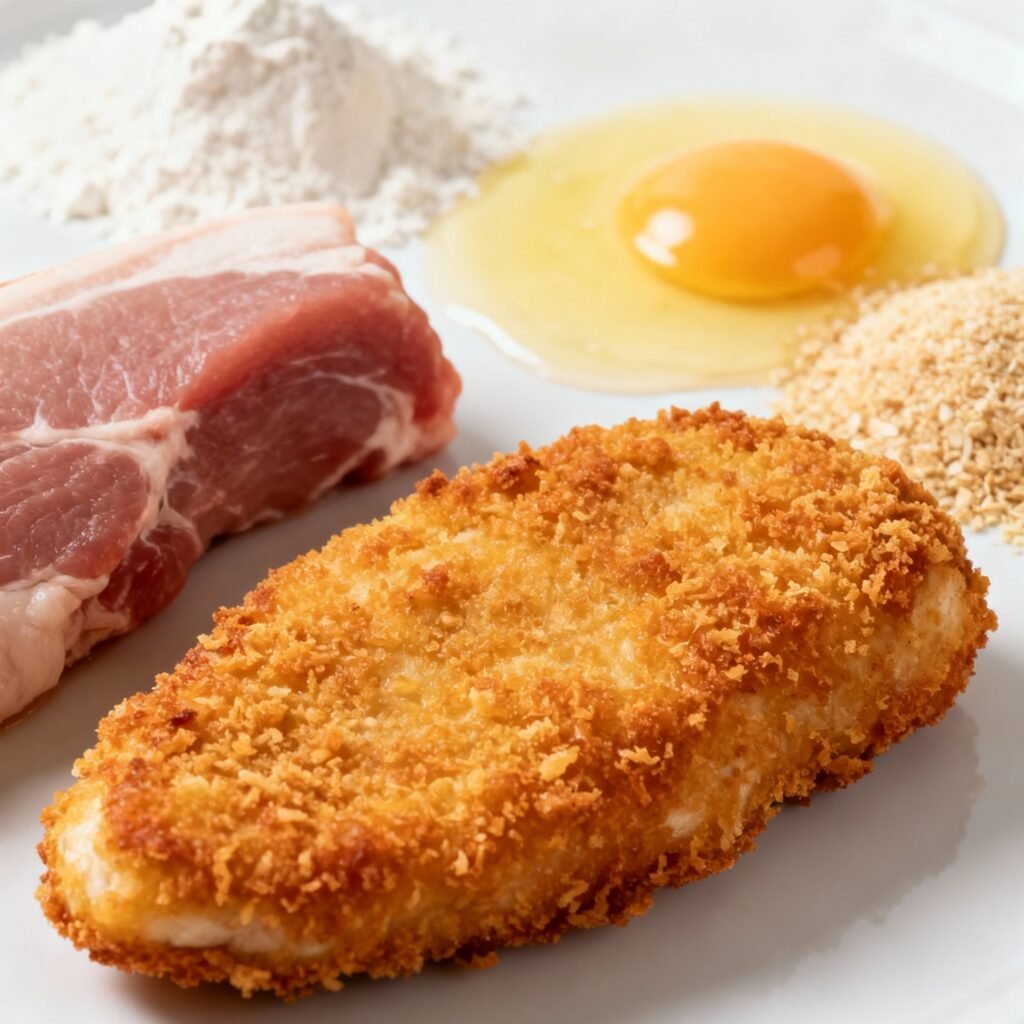
- Prepare the Breading Station: Set up three shallow dishes. In the first dish, place the flour. In the second dish, whisk the eggs. In the third dish, combine the panko breadcrumbs, garlic powder, onion powder, paprika, cayenne pepper (if using), salt, and pepper.
- Bread the Tenderloin: Dredge each piece of flattened tenderloin in the flour, shaking off any excess. Then, dip it in the beaten egg, ensuring it’s fully coated. Finally, dredge it in the breadcrumb mixture, pressing gently to ensure the breadcrumbs adhere well.
- Heat the Oil: Pour enough vegetable oil or canola oil into a large skillet to reach a depth of about 1/2 inch. Heat the oil over medium-high heat until it reaches 350-375°F (175-190°C). Use a thermometer to monitor the temperature for best results.
- Fry the Tenderloin: Carefully place the breaded tenderloin pieces into the hot oil, being careful not to overcrowd the skillet. Cook for 3-4 minutes per side, or until golden brown and cooked through. The internal temperature of the pork should reach 145°F (63°C).
- Drain and Rest: Remove the fried tenderloin from the skillet and place it on a wire rack lined with paper towels to drain excess oil. Let the tenderloin rest for 5-10 minutes before slicing and serving. This allows the juices to redistribute, resulting in a more tender and flavorful final product.
- Serve: Slice the breaded tenderloin against the grain and serve immediately.
Tips for Success
- Don’t Overcrowd the Pan: Overcrowding the pan will lower the oil temperature and result in soggy, unevenly cooked tenderloin. Cook in batches if necessary.
- Maintain Oil Temperature: Use a thermometer to monitor the oil temperature and adjust the heat as needed to maintain a consistent 350-375°F (175-190°C).
- Use Panko Breadcrumbs: Panko breadcrumbs provide a lighter, crispier texture compared to regular breadcrumbs.
- Season Generously: Don’t be afraid to season the flour, egg, and breadcrumb mixtures generously with salt, pepper, and other spices to enhance the flavor of the breading.
- Pat Dry: Ensure the tenderloin is thoroughly patted dry before breading. This will help the breading adhere better and prevent it from becoming soggy.
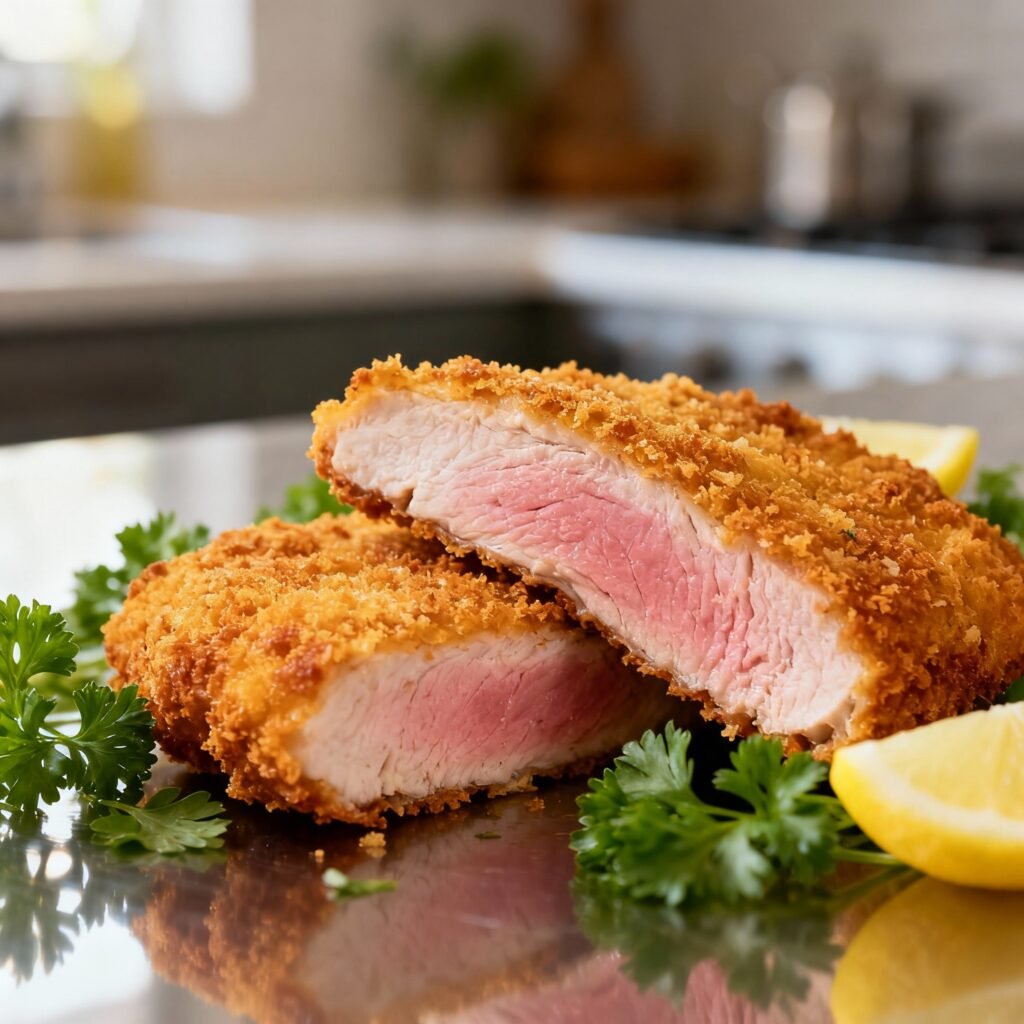
- Don’t Overcook: Pork tenderloin is best when cooked to medium (145°F/63°C). Overcooking will result in dry, tough meat.
Storage Instructions
Refrigerator: Leftover breaded tenderloin can be stored in an airtight container in the refrigerator for up to 3-4 days. Reheat in the oven or air fryer for best results, as microwaving can make the breading soggy.
Freezer: For longer storage, breaded tenderloin can be frozen. Allow it to cool completely, then wrap each piece individually in plastic wrap and place them in a freezer-safe bag or container. Frozen breaded tenderloin can be stored for up to 2-3 months. Thaw in the refrigerator overnight before reheating.
FAQ
Q: Can I use chicken instead of pork tenderloin?
A: Yes, this recipe works well with chicken breasts as well. Pounding the chicken to an even thickness is just as important.
Q: Can I bake the breaded tenderloin instead of frying it?
A: Yes, you can bake it. Preheat your oven to 400°F (200°C). Place the breaded tenderloin on a baking sheet lined with parchment paper. Drizzle with olive oil or cooking spray. Bake for 20-25 minutes, or until golden brown and cooked through. The internal temperature should reach 145°F (63°C).
Q: What should I serve with breaded tenderloin?
A: Breaded tenderloin pairs well with a variety of sides, such as mashed potatoes, roasted vegetables, coleslaw, or a simple salad. A lemon wedge or a creamy dipping sauce also complements the dish nicely.
Q: Can I use different types of breadcrumbs?
A: Yes, you can use different types of breadcrumbs, such as Italian breadcrumbs or seasoned breadcrumbs. Adjust the seasoning accordingly.
Q: My breading is falling off. What am I doing wrong?
A: Make sure you are patting the tenderloin dry before breading, and that you are pressing the breadcrumbs firmly onto the meat. Also, ensure that your egg wash is fully coating the tenderloin before adding the breadcrumbs.
Conclusion
There you have it! A foolproof breaded tenderloin recipe that’s guaranteed to impress. With its crispy exterior and tender, juicy interior, this dish is a true crowd-pleaser. Don’t be intimidated by the process; with a little preparation and attention to detail, you can easily create restaurant-quality breaded tenderloin in your own kitchen. So, gather your ingredients, follow the instructions, and get ready to enjoy a truly unforgettable meal. Happy cooking!