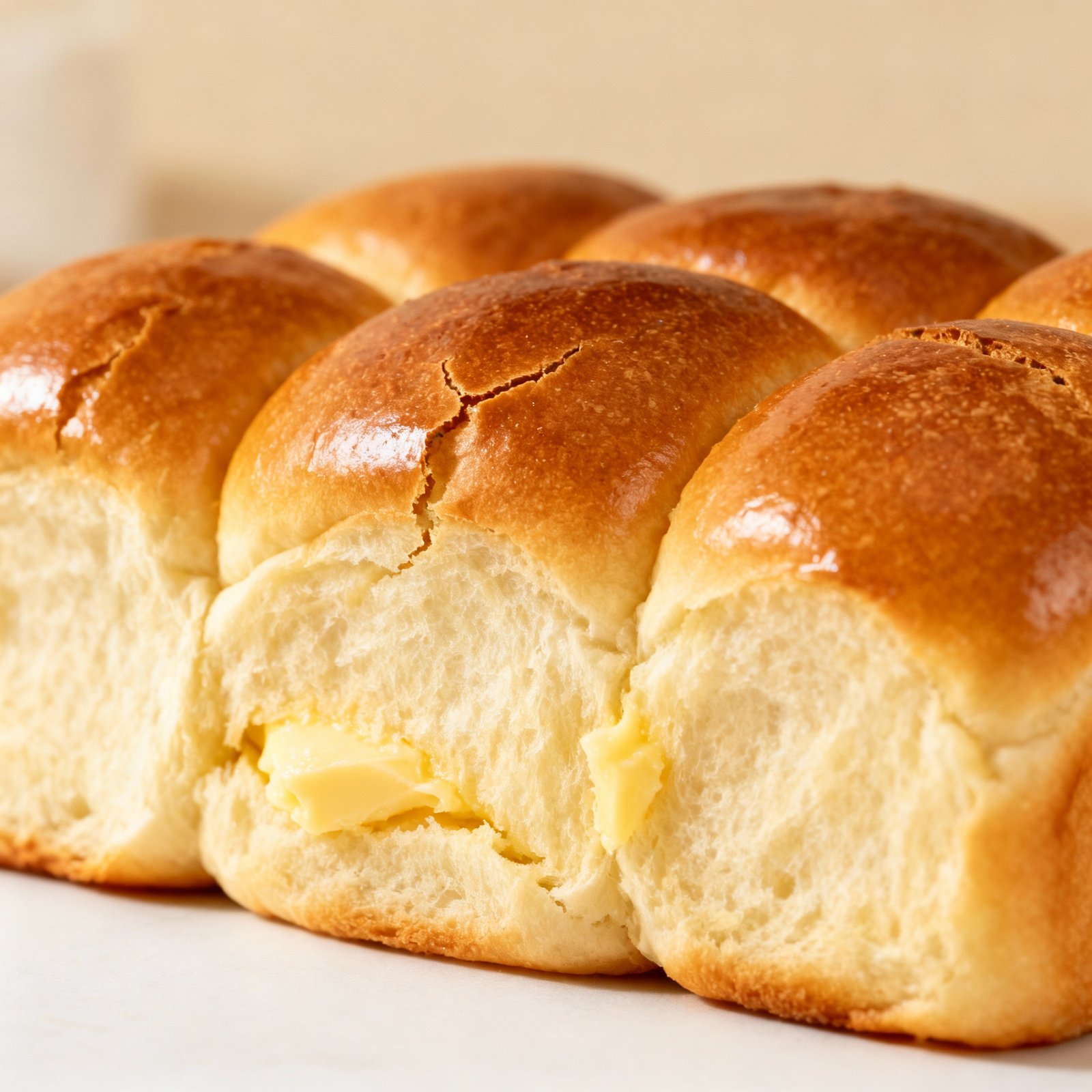
Brioche Rolls Recipe: Buttery Perfection in Every Bite!
Imagine sinking your teeth into a soft, pillowy roll, its rich, buttery flavor melting on your tongue. That’s the magic of brioche, and this recipe makes achieving that deliciousness at home surprisingly easy. These brioche rolls are perfect for breakfast, lunch, dinner, or even just a snack. They’re equally delightful served warm with butter and jam, transformed into delectable sliders, or used as the base for an elegant eggs Benedict. Get ready to impress your friends and family with these golden, irresistible rolls!
Why This Recipe Works
This recipe is crafted to ensure consistent results and maximum flavor. Here’s why it stands out:
- High Butter Content: Brioche’s signature richness comes from its generous butter content. This recipe uses a substantial amount of butter, creating a tender crumb and that characteristic buttery flavor.
- Proper Hydration: The balance of liquid to flour is crucial. This recipe uses the right amount of milk and eggs to create a dough that’s soft and manageable, but not too sticky.
- Slow, Cold Rise: A slow, cold rise in the refrigerator is key to developing complex flavors and a light, airy texture. This process allows the yeast to work its magic slowly, resulting in a more flavorful and digestible dough.
- Egg Wash for Golden Color: An egg wash before baking ensures a beautiful, golden-brown crust that’s both visually appealing and adds a subtle sheen.
Ingredients
- All-Purpose Flour: 4 cups (500g), plus more for dusting
- Active Dry Yeast: 2 1/4 teaspoons (1 packet)
- Granulated Sugar: 1/4 cup (50g)
- Salt: 1 teaspoon
- Whole Milk: 1/2 cup (120ml), lukewarm
- Large Eggs: 4, lightly beaten
- Unsalted Butter: 1 cup (226g, 2 sticks), softened
- Egg Wash: 1 large egg, beaten with 1 tablespoon of milk
Instructions
- Activate the Yeast: In a large bowl, combine the lukewarm milk, yeast, and sugar. Let stand for 5-10 minutes, or until foamy. This indicates that the yeast is active.
- Combine Dry Ingredients: In a separate large bowl, whisk together the flour and salt.
- Add Wet Ingredients: Add the foamy yeast mixture and the beaten eggs to the dry ingredients. Mix with a wooden spoon or spatula until a shaggy dough forms.
- Incorporate the Butter: Gradually add the softened butter, one tablespoon at a time, mixing well after each addition. The dough will seem very wet and sticky at first, but keep mixing. Continue until all the butter is incorporated. This step may take 5-10 minutes.
- Knead the Dough: Turn the dough out onto a lightly floured surface. Knead for 8-10 minutes, or until the dough is smooth and elastic. Alternatively, use a stand mixer with a dough hook and knead on medium speed for 6-8 minutes. The dough will still be slightly tacky, but it should not be overly sticky.
- First Rise (Bulk Fermentation): Place the dough in a lightly oiled bowl, turning to coat. Cover with plastic wrap or a clean kitchen towel. Let rise in a warm place for 1-1.5 hours, or until doubled in size.
- Refrigerate the Dough (Cold Proof): Punch down the dough to release the air. Cover tightly with plastic wrap and refrigerate for at least 4 hours, or preferably overnight (up to 24 hours). This slow, cold rise develops flavor and improves the texture of the rolls.
- Shape the Rolls: Remove the dough from the refrigerator and let it sit at room temperature for about 30 minutes to make it easier to handle. Lightly flour a work surface. Divide the dough into 12 equal pieces (approximately 70-75g each). Roll each piece into a smooth ball.
- Second Rise (Proofing): Place the shaped rolls on a baking sheet lined with parchment paper, leaving some space between them. Cover loosely with plastic wrap or a clean kitchen towel and let rise in a warm place for 1-1.5 hours, or until almost doubled in size.
- Preheat the Oven: Preheat oven to 375°F (190°C).
- Egg Wash: Gently brush the tops of the rolls with the egg wash.
- Bake: Bake for 18-22 minutes, or until the rolls are golden brown on top.
- Cool: Remove the rolls from the oven and let them cool on the baking sheet for a few minutes before transferring them to a wire rack to cool completely.
Tips for Success
- Use Room Temperature Ingredients: Ensure that your eggs and butter are at room temperature for optimal mixing and dough development.
- Don’t Overmix: Overmixing can lead to tough rolls. Mix until just combined and then knead properly.
- Be Patient with the Rise: Don’t rush the rising process. Allow the dough to fully double in size during both the first and second rise.
- Handle the Dough Gently: Brioche dough is delicate. Handle it gently when shaping and transferring the rolls.
- Monitor Baking Time: Ovens vary, so keep an eye on the rolls while they’re baking. They should be golden brown and sound hollow when tapped on the bottom.
Storage Instructions
These brioche rolls are best enjoyed fresh, but they can be stored for later:
- Room Temperature: Store cooled rolls in an airtight container at room temperature for up to 2 days.
- Freezer: For longer storage, wrap the rolls individually in plastic wrap and then place them in a freezer bag. They can be frozen for up to 2 months. To thaw, let them sit at room temperature for a few hours.
- Reheating: To reheat, wrap the rolls in foil and warm them in a 350°F (175°C) oven for 5-10 minutes, or until heated through. You can also microwave them briefly, but they may become slightly tougher.

FAQ
- Can I use a different type of flour? While all-purpose flour works well, you can substitute some of it with bread flour for a slightly chewier texture. Avoid using cake flour, as it doesn’t have enough gluten.
- Can I make this recipe without a stand mixer? Yes, you can knead the dough by hand. It will take a bit more effort and time, but it’s definitely doable.
- My dough is too sticky. What should I do? Resist the urge to add more flour. Brioche dough is naturally sticky. If it’s unmanageable, chill it in the refrigerator for 30 minutes to firm it up.
- My rolls didn’t rise properly. What went wrong? Make sure your yeast is fresh and active. Also, ensure that the environment is warm enough for the dough to rise. Avoid placing the dough in a drafty area.
- Can I add flavorings to the dough? Absolutely! Consider adding cinnamon, cardamom, orange zest, or chocolate chips to the dough for a unique twist.
Conclusion
With their rich, buttery flavor and incredibly soft texture, these homemade brioche rolls are a true delight. While the recipe requires a bit of patience and time, the results are well worth the effort. Follow these steps, embrace the process, and get ready to enjoy the best brioche rolls you’ve ever tasted. Happy baking!