Bundt Cake Recipe: The Ultimate Guide to Showstopping Success
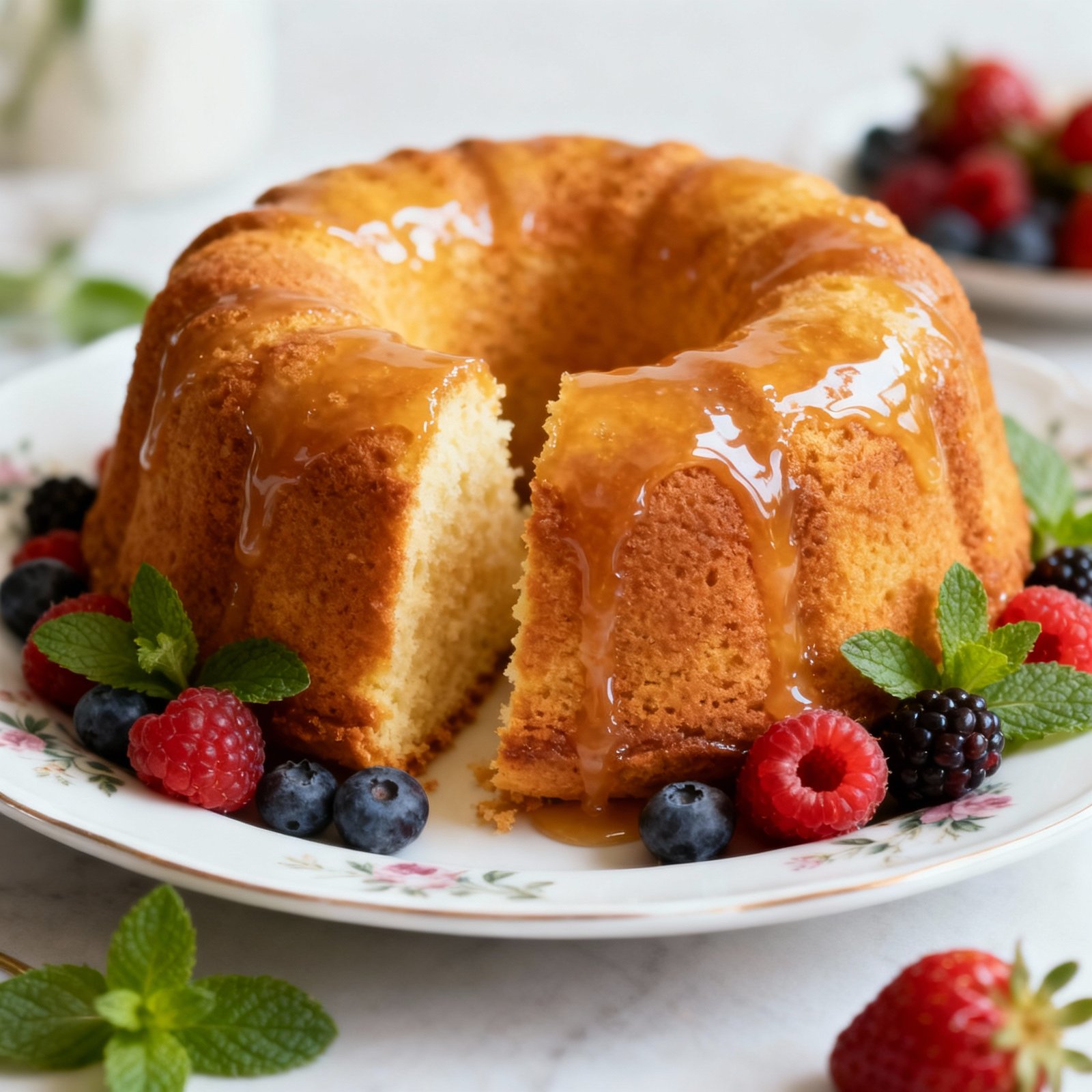
Bundt cakes. Just the name conjures images of elegant gatherings, effortless entertaining, and a dessert that’s as beautiful as it is delicious. But the beauty of a bundt cake isn’t just skin deep. They’re also incredibly forgiving to bake, making them a perfect choice for both seasoned bakers and enthusiastic beginners. This recipe isn’t just another bundt cake recipe; it’s a roadmap to consistently perfect results, a moist, flavorful crumb, and a stunning presentation every time.
Why This Recipe Works
This bundt cake recipe is more than just a list of ingredients and instructions; it’s a carefully calibrated formula designed for success. Here’s why it works:
- Proper Fat to Flour Ratio: The balance between butter and flour ensures a tender, moist crumb that isn’t too dense or dry. We use a generous amount of butter for richness and flavor, while carefully measuring the flour to prevent a tough cake.
- Creaming Technique: Creaming the butter and sugar together is crucial for incorporating air into the batter, creating a light and airy texture. This step is done thoroughly to achieve the best possible rise.
- Gradual Egg Addition: Adding the eggs one at a time allows them to emulsify properly into the batter, preventing curdling and ensuring a smooth, homogenous mixture. This contributes to a stable structure and prevents the cake from collapsing.
- Alternating Dry and Wet Ingredients: This technique prevents overmixing, which can develop the gluten in the flour and result in a tough cake. Alternating additions ensure that the wet and dry ingredients are evenly distributed without overworking the batter.
- Specific Baking Temperature and Time: Baking at a moderate temperature allows the cake to bake evenly throughout, preventing the edges from burning before the center is cooked. The recommended baking time ensures that the cake is fully cooked but still moist.
Ingredients
- 3 cups all-purpose flour
- 1 teaspoon baking powder
- 1/2 teaspoon baking soda
- 1/4 teaspoon salt
- 1 cup (2 sticks) unsalted butter, softened
- 2 1/2 cups granulated sugar
- 4 large eggs
- 1 teaspoon vanilla extract
- 1 1/4 cups buttermilk
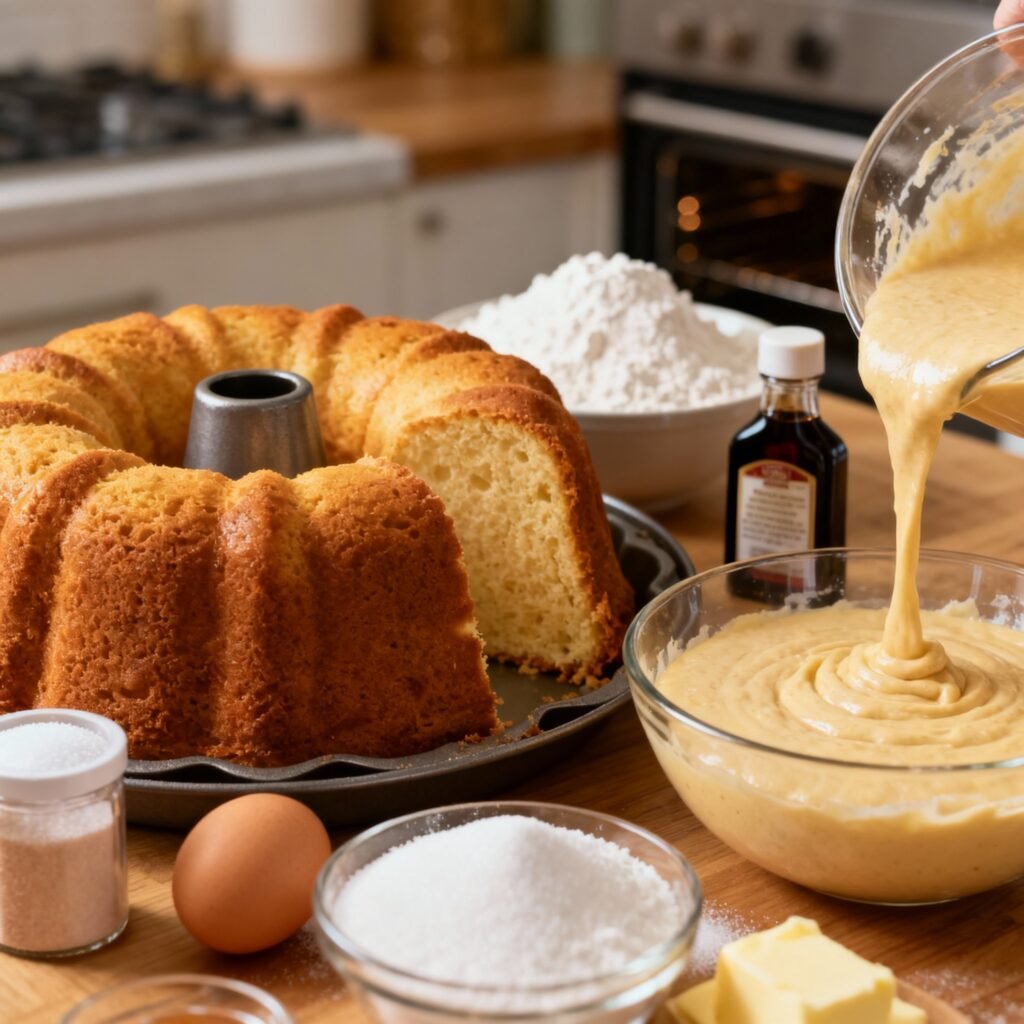
Instructions
- Preheat and Prepare: Preheat oven to 350°F (175°C). Grease and flour a 10-inch bundt pan thoroughly. Pay special attention to the crevices and details of the pan. You can also use a baking spray that contains flour.
- Whisk Dry Ingredients: In a large bowl, whisk together the flour, baking powder, baking soda, and salt. This ensures even distribution of leavening agents.
- Cream Butter and Sugar: In a separate large bowl, cream together the softened butter and granulated sugar until light and fluffy, about 5-7 minutes. Use an electric mixer for best results.
- Add Eggs: Beat in the eggs one at a time, mixing well after each addition. Add the vanilla extract and mix to combine.
- Combine Wet and Dry Ingredients: Gradually add the dry ingredients to the wet ingredients, alternating with the buttermilk, beginning and ending with the dry ingredients. Mix until just combined. Be careful not to overmix. Start with 1/3 of the dry ingredients, then 1/2 of the buttermilk, then another 1/3 of the dry ingredients, then the remaining buttermilk, and finish with the last 1/3 of the dry ingredients.
- Pour into Pan: Pour the batter into the prepared bundt pan and spread evenly.
- Bake: Bake for 55-65 minutes, or until a wooden skewer inserted into the center comes out clean.
- Cool in Pan: Let the cake cool in the pan for 10-15 minutes before inverting it onto a wire rack to cool completely.
- Optional Glaze: Once the cake is completely cool, you can glaze it with a simple powdered sugar glaze, chocolate ganache, or your favorite frosting.
Tips for Success
These tips will help you achieve bundt cake perfection:
- Grease and Flour Thoroughly: This is the most important step! A well-greased and floured pan will ensure that the cake releases cleanly. Don’t skimp on this step. Consider using a baking spray with flour for extra insurance.
- Use Room Temperature Ingredients: Room temperature butter and eggs emulsify better, resulting in a smoother batter and a more tender cake.
- Don’t Overmix: Overmixing develops the gluten in the flour, leading to a tough cake. Mix until just combined.
- Check for Doneness: Use a wooden skewer to check for doneness. Insert it into the center of the cake. If it comes out clean, the cake is done. If it comes out with wet batter, bake for a few more minutes and check again.
- Cool Completely Before Glazing: Glazing a warm cake can cause the glaze to melt and run off. Make sure the cake is completely cool before glazing.
- Pan Matters: Using a high-quality bundt pan can make a difference. Look for one with a non-stick coating and intricate details for a beautiful presentation.
Storage Instructions
To keep your bundt cake fresh, follow these storage instructions:
- Room Temperature: Store the cake in an airtight container at room temperature for up to 3 days.
- Refrigerator: For longer storage, store the cake in an airtight container in the refrigerator for up to 5 days.
- Freezer: To freeze the cake, wrap it tightly in plastic wrap and then in aluminum foil. Freeze for up to 2 months. Thaw overnight in the refrigerator before serving.
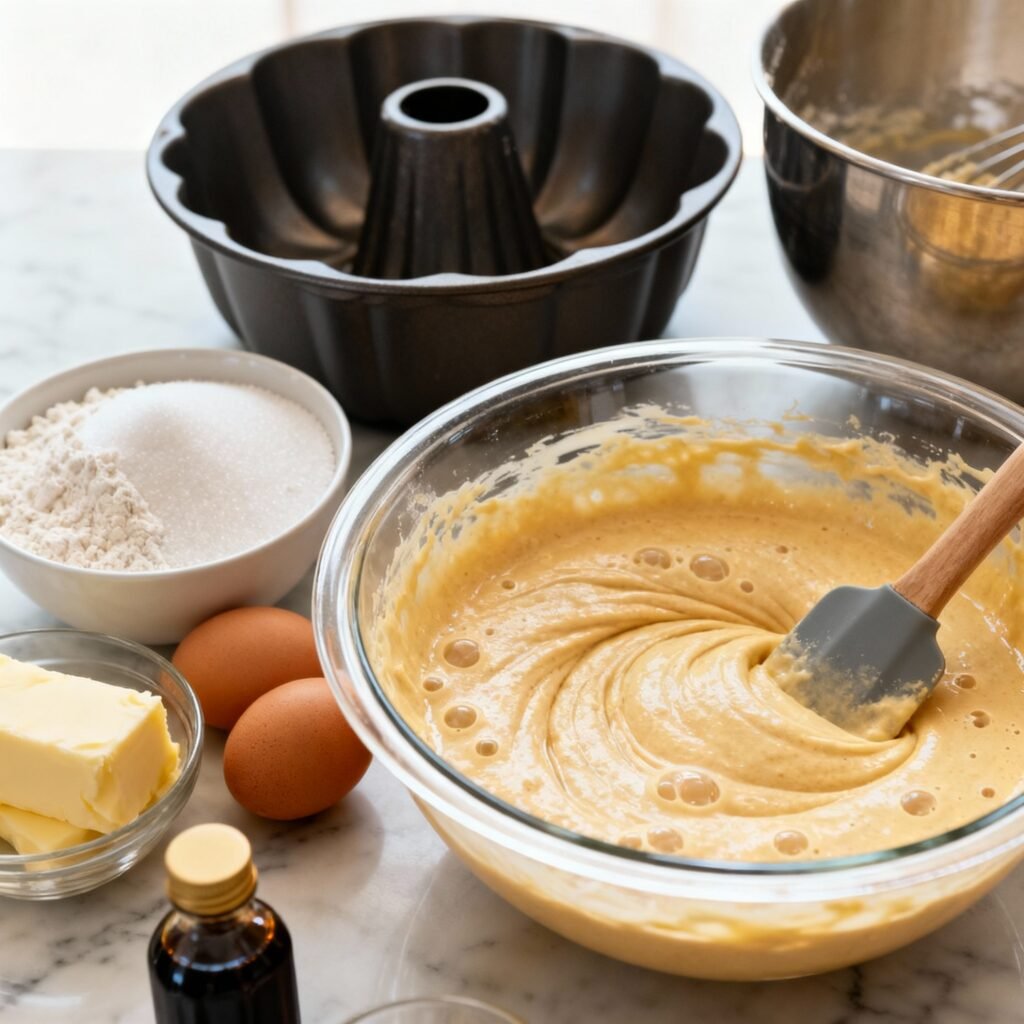
FAQ
Here are some frequently asked questions about bundt cakes:
- Can I use a different type of flour? While all-purpose flour is recommended for this recipe, you can experiment with other types of flour. Cake flour will result in an even more tender cake, but may require a slight adjustment to the liquid.
- Can I add nuts or chocolate chips to the batter? Absolutely! Feel free to add up to 1 cup of chopped nuts or chocolate chips to the batter.
- Can I use a different type of milk? Buttermilk adds a tangy flavor and helps to tenderize the cake. However, you can substitute with regular milk or a milk alternative. You may want to add a teaspoon of lemon juice or vinegar to the milk to mimic the acidity of buttermilk.
- My cake stuck to the pan. What did I do wrong? This is usually due to insufficient greasing and flouring. Make sure to grease and flour the pan thoroughly, paying special attention to the crevices. You can also try using a baking spray that contains flour.
- My cake is dry. What did I do wrong? Overbaking is the most common cause of dry cake. Make sure to check for doneness with a wooden skewer. Also, be careful not to overmix the batter.
Conclusion
This bundt cake recipe is your ticket to creating a stunning and delicious dessert that’s sure to impress. With its moist, flavorful crumb and elegant presentation, it’s perfect for any occasion. So, gather your ingredients, follow the instructions, and get ready to bake a bundt cake that will have everyone asking for seconds. Happy baking!