Butter Biscuits Recipe: The Flakiest, Most Buttery Biscuits Ever!
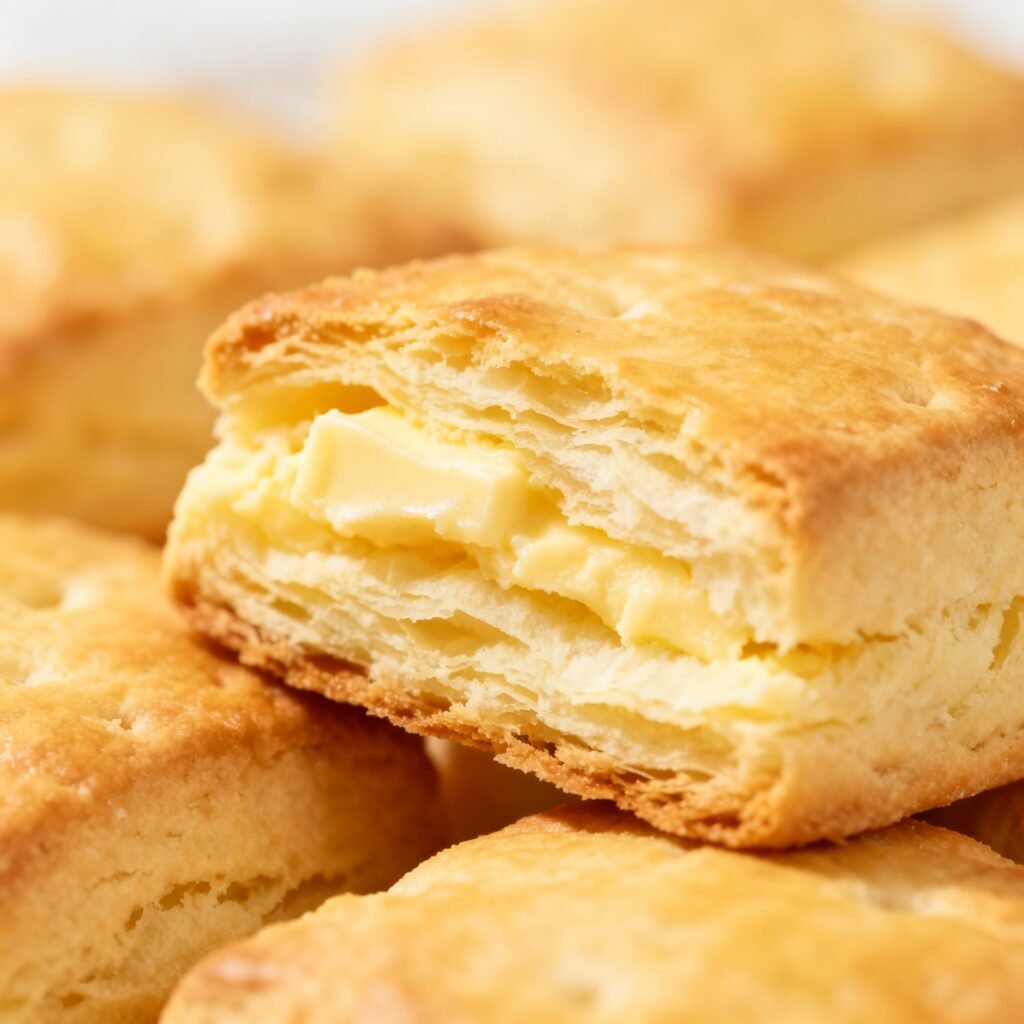
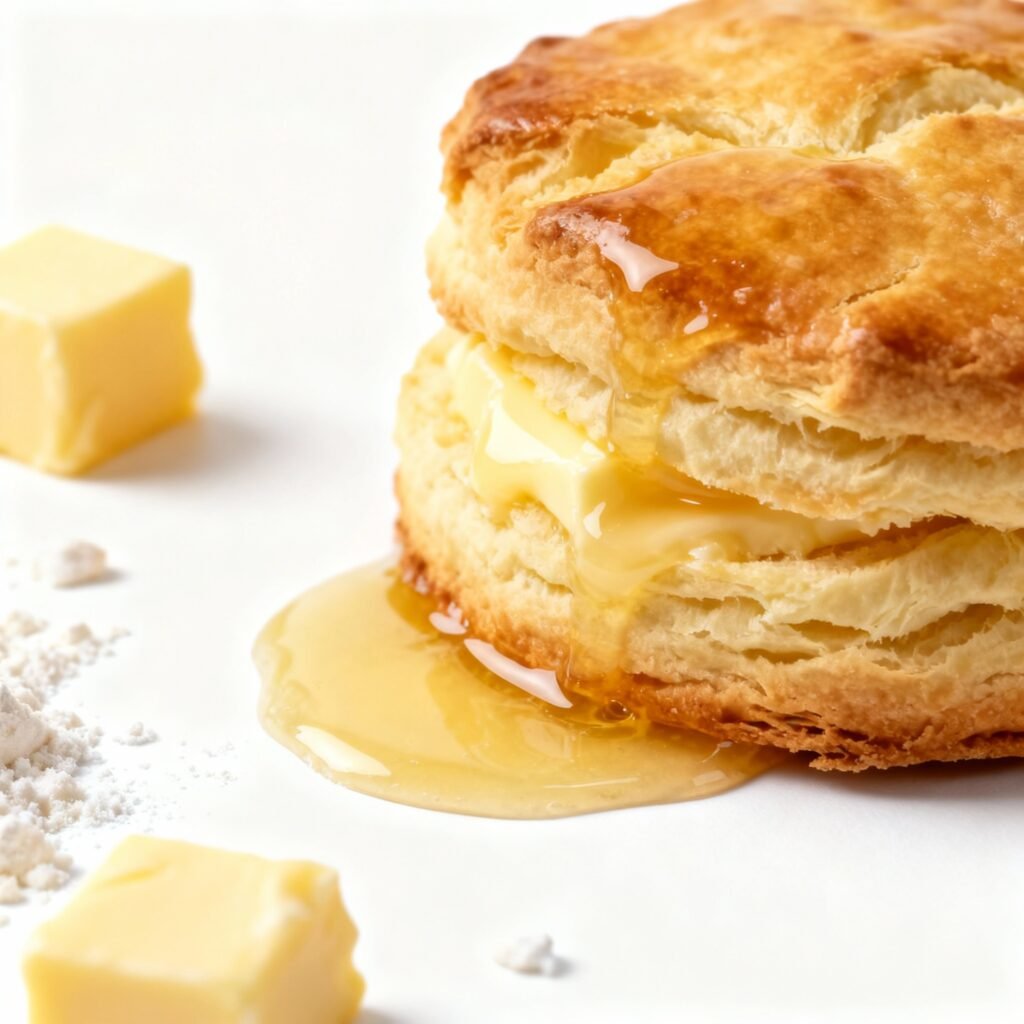
There’s nothing quite like the smell of freshly baked biscuits wafting through the kitchen. These aren’t just any biscuits; these are butter biscuits, and they’re legendary. Imagine sinking your teeth into a warm, golden-brown biscuit, its layers practically melting in your mouth. That’s the promise of this recipe. We’re talking about biscuits so light and airy, so incredibly buttery, that they’ll become a staple in your breakfast, brunch, and even dinner routine. Forget store-bought – once you’ve tasted these, you’ll never go back.
This recipe has been perfected over years of trial and error, tweaking ingredients and techniques until we achieved biscuit nirvana. It’s surprisingly easy to follow, even for novice bakers, and the results are consistently outstanding. Whether you’re serving them with sausage gravy, alongside a hearty stew, or simply slathered with butter and jam, these butter biscuits are guaranteed to be a hit.
Why This Recipe Works
The secret to these incredible butter biscuits lies in a few key principles:
- Cold Ingredients are Crucial: This is the golden rule of biscuit making. Cold butter, cold milk, and even a cold bowl help prevent the butter from melting into the flour. Instead, it stays in small pieces, creating those coveted flaky layers when baked.
- Don’t Overmix: Overmixing develops the gluten in the flour, resulting in tough biscuits. We want tender, delicate biscuits, so mix just until the dough comes together.
- Laminating the Dough: Folding the dough over on itself several times creates layers of butter and flour, which puff up beautifully in the oven. This is what gives our biscuits their signature flakiness.
- High Baking Temperature: A hot oven ensures that the biscuits rise quickly and develop a golden-brown crust.
- Using Buttermilk (Optional but Recommended): Buttermilk adds a subtle tang and acidity that helps to tenderize the dough. If you don’t have buttermilk, you can use regular milk with a tablespoon of lemon juice or white vinegar.
Ingredients
- 2 cups all-purpose flour, plus more for dusting
- 4 teaspoons baking powder
- 1 teaspoon salt
- 1/2 teaspoon baking soda
- 1 cup (2 sticks) cold unsalted butter, cut into 1/2-inch cubes
- 1 cup cold buttermilk (or 1 cup cold milk + 1 tablespoon lemon juice or white vinegar)
- 2 tablespoons melted butter, for brushing (optional)
Instructions
- Prepare the Dry Ingredients: In a large bowl, whisk together the flour, baking powder, salt, and baking soda. Make sure everything is evenly distributed.
- Cut in the Butter: Add the cold, cubed butter to the flour mixture. Use a pastry blender or your fingertips to cut the butter into the flour until the mixture resembles coarse crumbs. You should still see small pieces of butter. This step is crucial for creating those flaky layers.
- Add the Wet Ingredients: Make a well in the center of the flour mixture and pour in the cold buttermilk (or milk mixture).
- Combine the Dough: Gently stir the wet and dry ingredients together with a fork until just combined. Be careful not to overmix. The dough will be shaggy and slightly sticky.
- Turn Out and Fold: Turn the dough out onto a lightly floured surface. Gently pat it into a rectangle about 1 inch thick.
- Laminate the Dough: Fold the dough in thirds, like a letter. Turn the dough 90 degrees and repeat the folding process 3-4 times. This creates layers of butter and flour.
- Pat and Cut: Gently pat the dough into a 1-inch thick rectangle. Use a 2-3 inch biscuit cutter (or a knife) to cut out biscuits. Press straight down – avoid twisting the cutter, as this can seal the edges and prevent the biscuits from rising properly.
- Arrange on Baking Sheet: Place the biscuits on an ungreased baking sheet, close together but not touching. Placing them close together helps them rise higher.
- Bake: Bake in a preheated oven at 450°F (232°C) for 12-15 minutes, or until golden brown.
- Brush with Butter (Optional): While the biscuits are still hot, brush them with melted butter for extra flavor and shine.
- Serve: Serve warm and enjoy!
Tips for Success
- Keep Everything Cold: We can’t stress this enough! Cold ingredients are essential for flaky biscuits. Chill your bowl, flour, and even your biscuit cutter if possible.
- Don’t Overwork the Dough: Overmixing will result in tough biscuits. Mix just until the dough comes together.
- Handle the Dough Gently: Avoid pressing down too hard when patting out the dough. We want to preserve those layers of butter and flour.
- Experiment with Flavors: Add cheese, herbs, or spices to the dough for a unique twist.
- Use a Pastry Blender: A pastry blender makes it easier to cut the butter into the flour without warming it up too much.
- If you don’t have a biscuit cutter: Use a sharp knife to cut the biscuits into squares or rectangles.
Storage Instructions
Room Temperature: Baked biscuits are best enjoyed fresh, but they can be stored in an airtight container at room temperature for up to 2 days. They may become slightly drier over time.
Freezer: For longer storage, you can freeze baked biscuits. Wrap them individually in plastic wrap and then place them in a freezer-safe bag or container. They can be stored in the freezer for up to 2 months. To reheat, bake them in a preheated oven at 350°F (175°C) for 10-15 minutes, or until warmed through.
Freezing Unbaked Biscuits: You can also freeze unbaked biscuits. After cutting them out, place them on a baking sheet lined with parchment paper and freeze for about 1-2 hours, or until solid. Then, transfer them to a freezer-safe bag or container. When ready to bake, bake them directly from frozen, adding a few extra minutes to the baking time.
FAQ
Q: Can I use self-rising flour?
A: No, this recipe is specifically designed for all-purpose flour. Self-rising flour already contains baking powder and salt, and using it in this recipe will result in biscuits that are too salty and rise too much.
Q: Can I use margarine instead of butter?
A: While you can use margarine, the flavor and texture will not be the same. Butter provides a richer flavor and creates flakier biscuits.
Q: My biscuits are not rising. What did I do wrong?
A: Several factors can contribute to flat biscuits: using warm ingredients, overmixing the dough, not enough baking powder, or an oven that is not hot enough. Double-check that your baking powder is fresh and that you’re following the recipe instructions carefully.
Q: Can I make these biscuits ahead of time?
A: Yes, you can prepare the dough ahead of time and store it in the refrigerator for up to 24 hours. However, the longer the dough sits, the more the baking powder will react, so the biscuits may not rise as much. For best results, bake the biscuits as soon as possible.
Q: What can I serve with these biscuits?
A: The possibilities are endless! These biscuits are delicious with sausage gravy, honey butter, jam, scrambled eggs, or alongside a hearty soup or stew. They’re also perfect for making breakfast sandwiches.
Conclusion
These butter biscuits are more than just a recipe; they’re a taste of home. With their flaky layers, buttery flavor, and golden-brown crust, they’re sure to become a family favorite. So, gather your ingredients, preheat your oven, and get ready to experience biscuit perfection. Happy baking!