Cake Release Recipe: The Secret to Perfectly Clean Cakes!
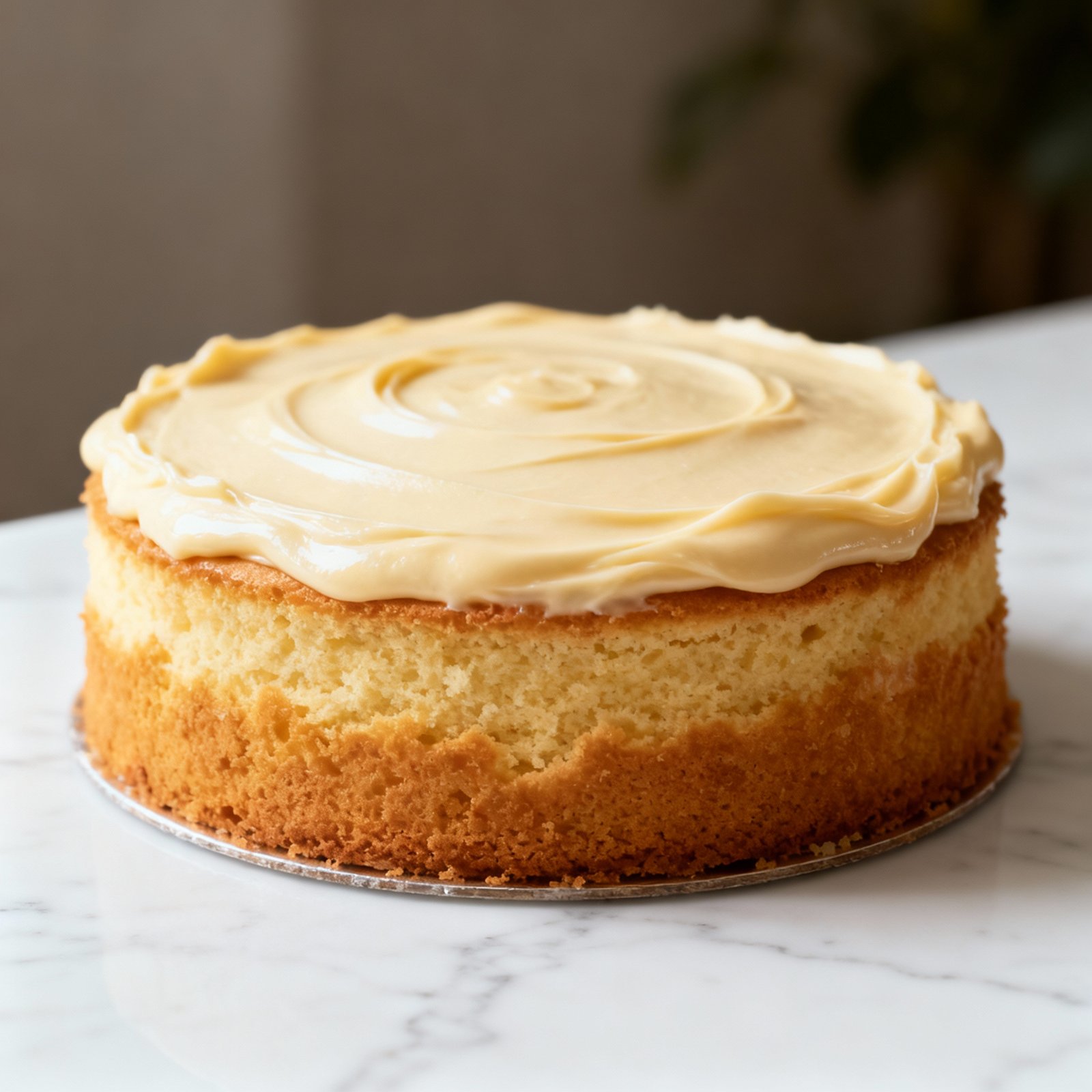
Are you tired of painstakingly trying to pry your beautiful cakes out of their pans, only to end up with crumbs, tears, and a frustrating mess? Do you dream of cakes that effortlessly slide out, leaving you with smooth, even surfaces ready for frosting and decoration? If so, you’ve come to the right place! This cake release recipe is a game-changer, a simple yet incredibly effective solution that will banish cake pan sticking forever. Forget store-bought sprays filled with questionable ingredients. This homemade version is made with pantry staples and works like a charm every single time.
Why This Recipe Works
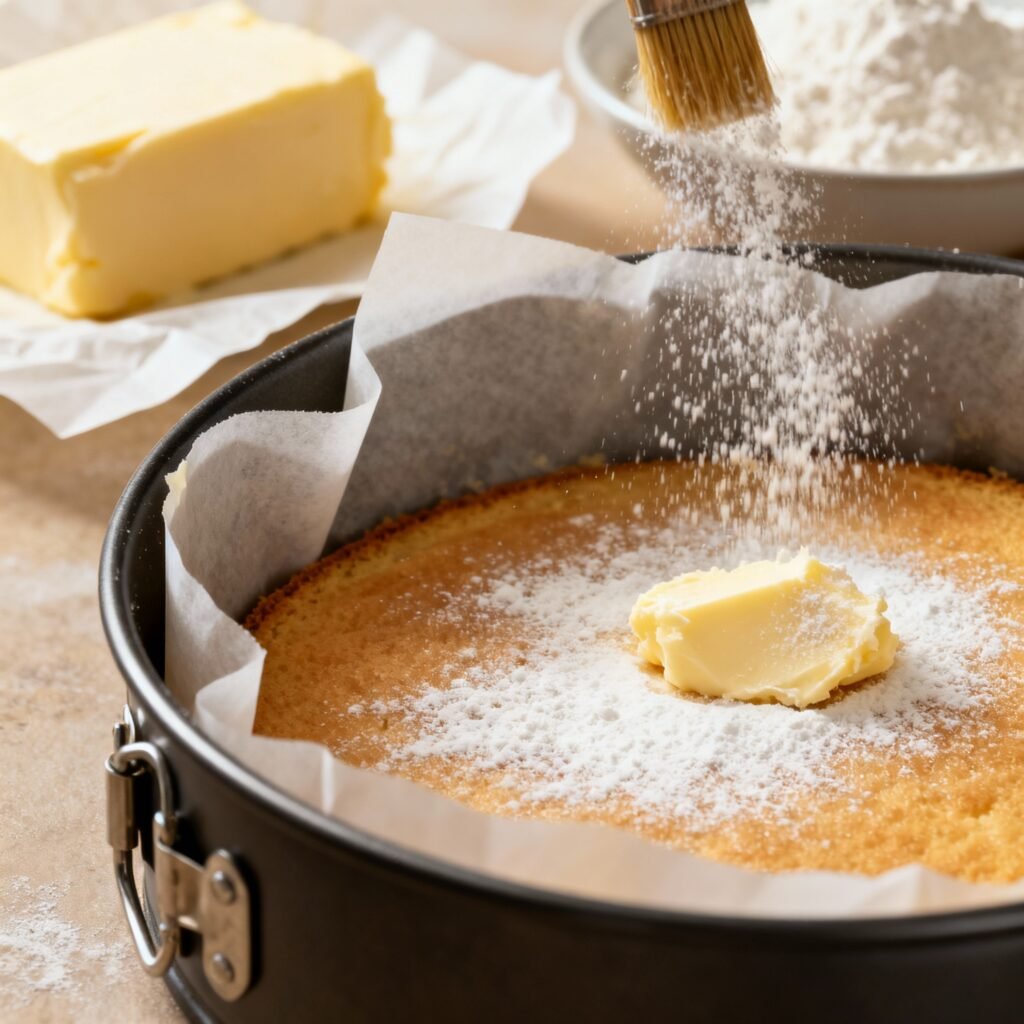
The magic of this cake release lies in its combination of fat, flour, and a little bit of elbow grease. The fat (shortening or oil) creates a barrier between the cake batter and the pan, preventing it from directly adhering. The flour provides a layer of protection, further ensuring a non-stick surface. When combined and brushed onto the pan, this mixture forms a thin, even coating that allows cakes to release cleanly and easily. Unlike some methods that rely solely on greasing or flouring, this recipe provides a double layer of defense against sticking, making it virtually foolproof. It works on all types of cake pans, from bundt pans with intricate designs to simple round or square pans.
Ingredients
- 1/2 cup vegetable shortening (or melted coconut oil or softened butter)
- 1/2 cup all-purpose flour
- 1/2 cup vegetable oil (or melted coconut oil)
Instructions
- Prepare Your Pan: Ensure your cake pan is clean and completely dry. This is crucial for the cake release to adhere properly.
- Combine Ingredients: In a medium bowl, combine the shortening (or melted coconut oil or softened butter), flour, and oil.
- Mix Well: Use a whisk or electric mixer to thoroughly combine the ingredients until you have a smooth, thick paste. There should be no lumps of flour or shortening remaining. The mixture should resemble a thick batter.
- Apply to Pan: Use a pastry brush or your fingers to generously coat the entire inside surface of the cake pan, including the bottom and sides. Make sure to get into all the nooks and crannies, especially in bundt pans.
- Bake as Usual: Pour your cake batter into the prepared pan and bake according to your recipe’s instructions.
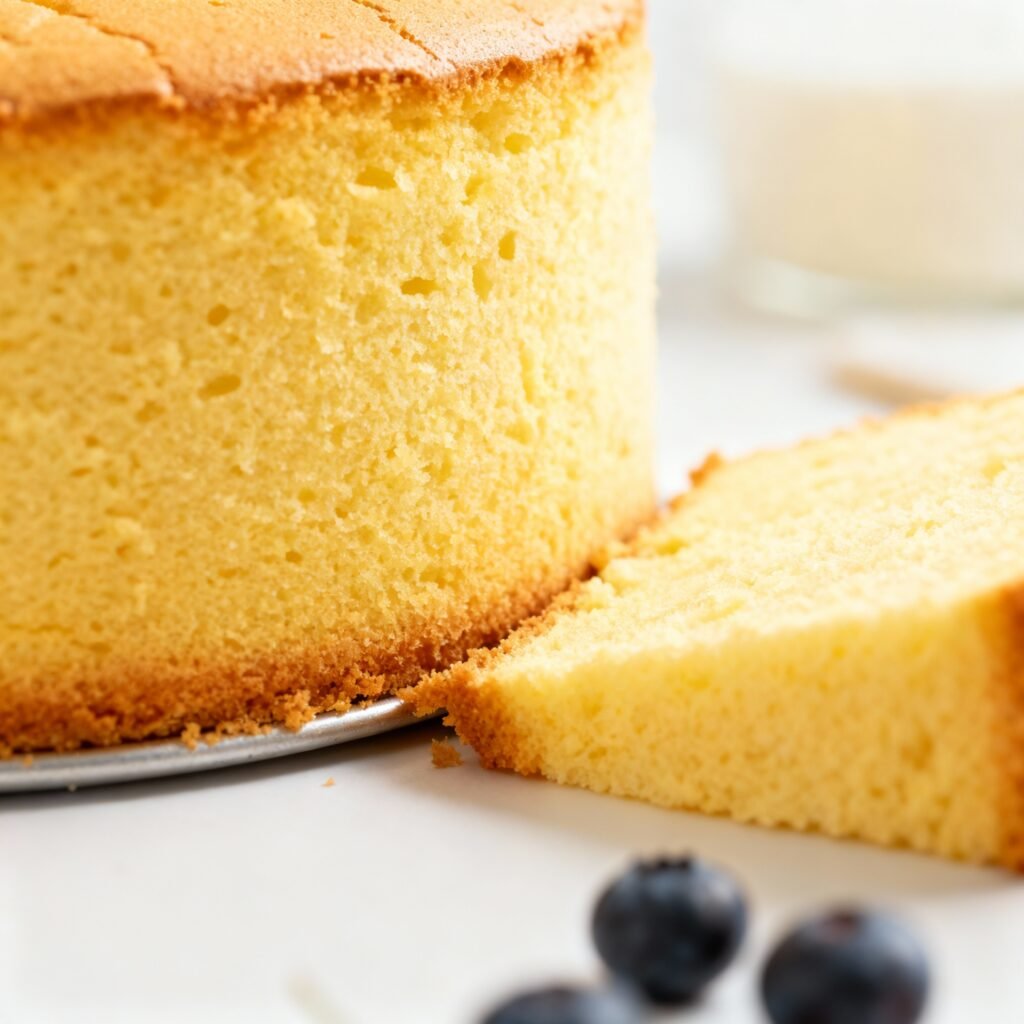
- Cool and Release: Once the cake is baked, let it cool in the pan for the time specified in your recipe (usually 10-15 minutes). Invert the pan onto a wire rack. The cake should release cleanly. If it doesn’t release immediately, gently tap the pan a few times or run a thin knife or spatula around the edges to loosen it.
Tips for Success
- Use the Right Fat: While shortening is traditionally used and provides excellent results, you can substitute melted coconut oil or softened butter. Keep in mind that coconut oil will impart a slight coconut flavor. Butter will add a richer flavor but might brown slightly more during baking.
- Ensure a Smooth Mixture: The key to a smooth application is a smooth mixture. Make sure to thoroughly combine the ingredients to eliminate any lumps. Lumps can prevent the cake release from coating the pan evenly.
- Generous Application: Don’t be shy with the application! A generous coating is essential for preventing sticking, especially in intricate pans.
- Don’t Skip Drying the Pan: A wet pan will prevent the cake release from adhering properly. Make sure your pan is completely dry before applying the mixture.
- For Bundt Pans: Bundt pans require extra attention. Use a pastry brush to ensure the cake release gets into every crevice and detail of the pan.
- Cooling Time is Key: Allowing the cake to cool slightly in the pan helps it shrink away from the sides, making it easier to release.
- If Sticking Persists: If, despite your best efforts, the cake still sticks slightly, try placing the pan in the freezer for 10-15 minutes before inverting. The cold temperature can help the cake release.
Storage Instructions
This cake release can be stored in an airtight container in the refrigerator for up to 2 weeks. Before using, bring it to room temperature and stir well to ensure the ingredients are properly combined. The mixture may solidify slightly in the refrigerator, but it will soften as it warms up.
FAQ
Q: Can I use this on non-stick pans?
A: While non-stick pans are designed to prevent sticking, this cake release can provide an extra layer of insurance, especially for delicate cakes or those with a tendency to stick. However, use it sparingly on non-stick surfaces to avoid buildup.
Q: Can I use this for muffins or cupcakes?
A: Absolutely! This cake release works equally well for muffins and cupcakes. Simply brush it into the muffin tin or cupcake liners before adding the batter.
Q: Can I use gluten-free flour?
A: Yes, you can substitute all-purpose flour with a gluten-free all-purpose blend. Ensure the blend you choose is designed for baking and contains xanthan gum for binding.
Q: My cake release is too thick. What can I do?
A: If your cake release is too thick, add a teaspoon or two of oil at a time, mixing well until you reach the desired consistency.
Q: My cake release is too thin. What can I do?
A: If your cake release is too thin, add a teaspoon or two of flour at a time, mixing well until you reach the desired consistency.
Conclusion
Say goodbye to cake-releasing woes! This simple and effective cake release recipe will transform your baking experience, ensuring perfectly clean cakes every time. Made with pantry staples, it’s a healthier and more economical alternative to store-bought sprays. So, ditch the frustration and embrace the joy of effortless cake release. Happy baking!