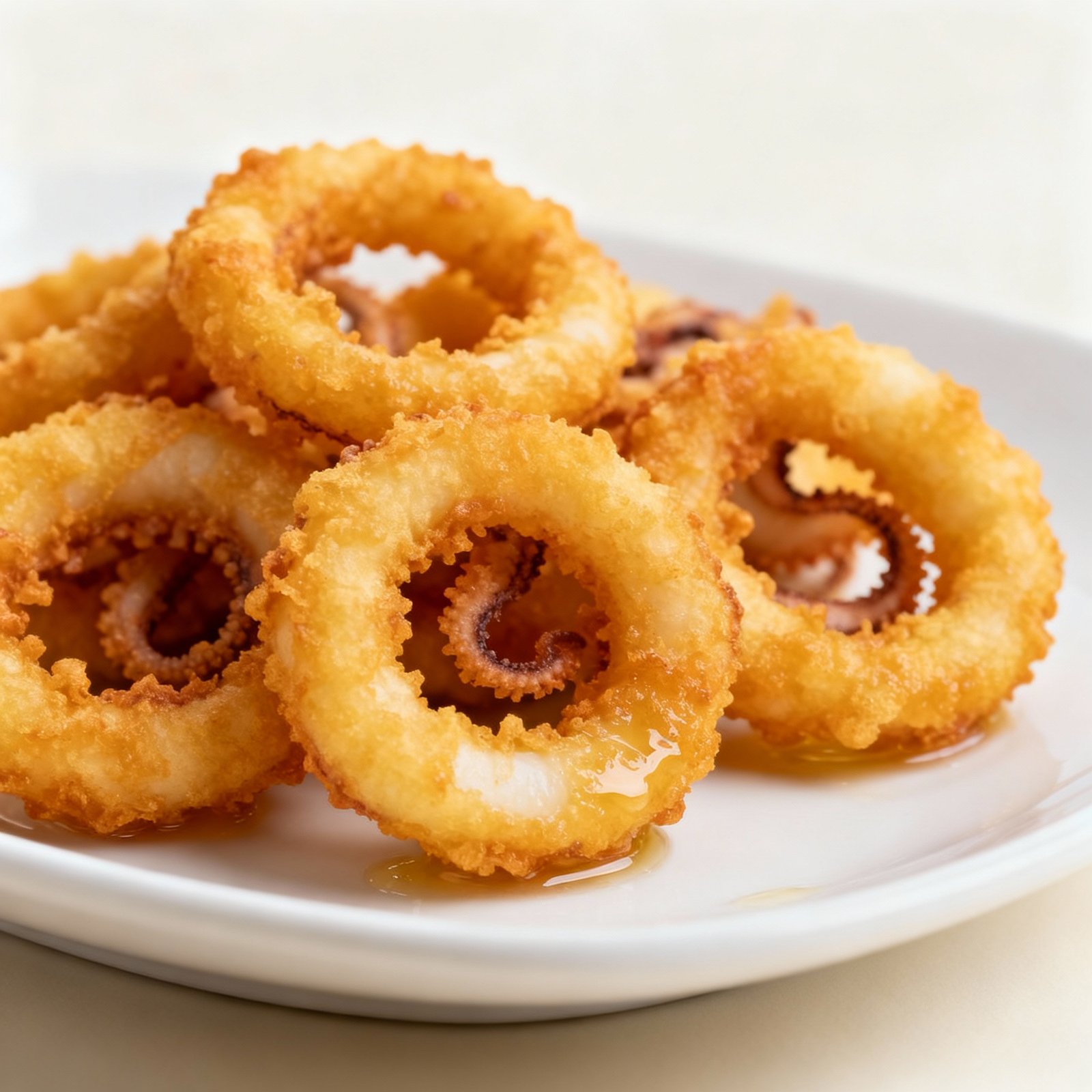
Calamares Recipe Filipino: Crispy, Golden Perfection!
Craving that satisfying crunch of perfectly cooked squid? Look no further! Calamares, a beloved Filipino appetizer, is easier to make at home than you might think. This recipe delivers consistently crispy, golden-brown rings of squid that are bursting with flavor. Forget the soggy, oily versions you might find elsewhere. This is the definitive guide to making the best Calamares you’ve ever tasted, right in your own kitchen. Get ready to impress your family and friends with this irresistible Filipino favorite!
Why This Recipe Works
This Calamares recipe isn’t just a list of ingredients; it’s a carefully crafted method designed for maximum crispness and flavor. Here’s why it stands out:
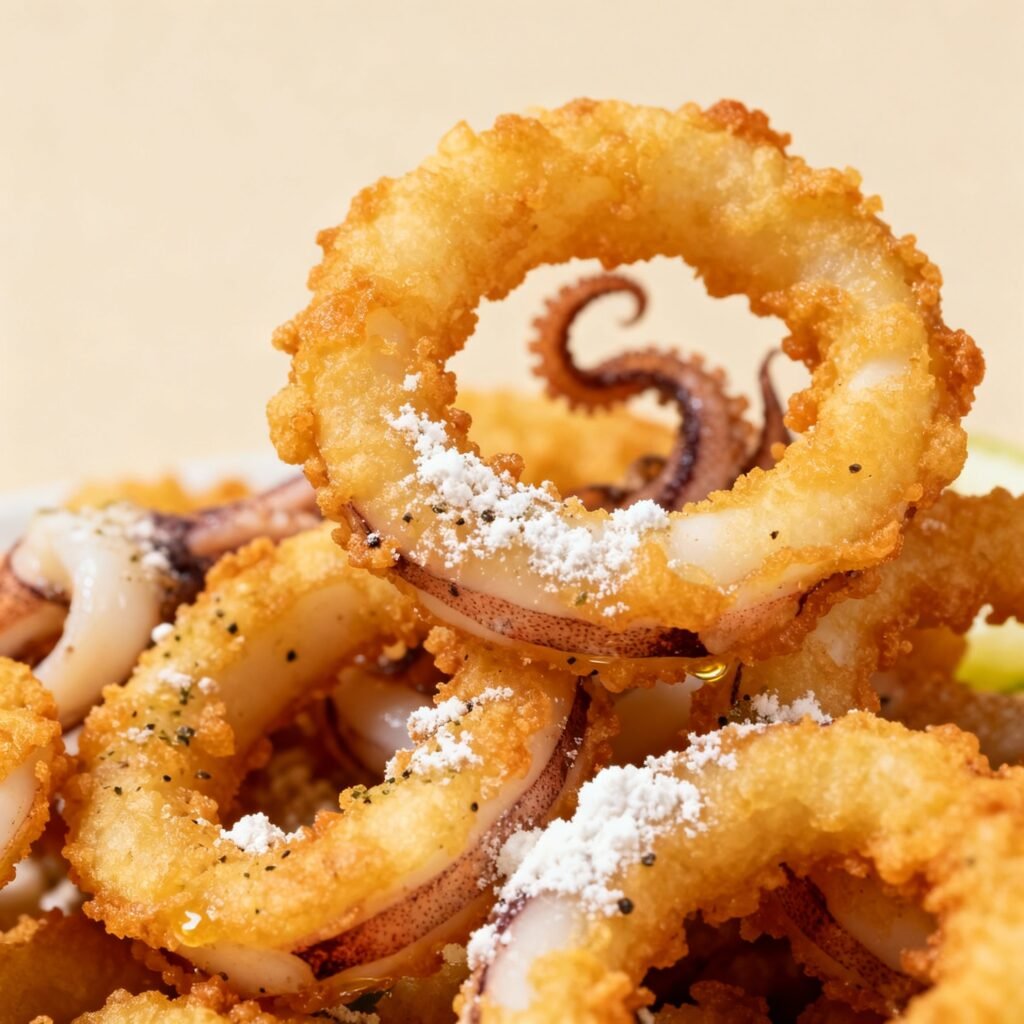
- Double Dredging: The secret to that incredible crunch lies in the double dredging process. Coating the squid first in seasoned flour, then in a wet batter, and finally back in the flour creates a thick, protective layer that fries up beautifully.
- Proper Oil Temperature: Maintaining the correct oil temperature (around 350-375°F or 175-190°C) is crucial. Too low, and the squid will absorb too much oil and become soggy. Too high, and the coating will burn before the squid is cooked through.
- Don’t Overcrowd the Pan: Frying the squid in batches prevents the oil temperature from dropping too low, ensuring even cooking and maximum crispness.
- Seasoning is Key: We’re not just using salt and pepper! A blend of garlic powder, onion powder, and paprika adds depth and complexity to the flavor profile.
- Quick Cooking Time: Squid cooks quickly. Overcooking leads to rubbery, unappetizing results. We’ll guide you on how to achieve perfectly tender squid every time.
Ingredients
- 1 pound squid, cleaned and cut into rings (about 1/4 inch thick)
- 1 cup all-purpose flour
- 1 teaspoon salt
- 1/2 teaspoon black pepper
- 1/2 teaspoon garlic powder
- 1/2 teaspoon onion powder
- 1/4 teaspoon paprika
- 1 large egg
- 1/2 cup ice-cold water
- Vegetable oil, for frying
- Optional: Calamansi or lemon wedges, for serving
- Optional: Sweet chili sauce or aioli, for dipping
Instructions
- Prepare the Squid: Ensure the squid rings are thoroughly dried with paper towels. This helps the batter adhere better.
- Make the Dry Dredge: In a shallow bowl, combine the flour, salt, pepper, garlic powder, onion powder, and paprika. Mix well.
- Make the Wet Batter: In a separate bowl, whisk together the egg and ice-cold water until smooth.
- Double Dredge the Squid: Take a handful of squid rings and dredge them in the flour mixture, ensuring they are fully coated. Shake off any excess flour.
- Dip in Batter: Dip the floured squid rings into the egg batter, making sure they are completely submerged.
- Second Flour Dredge: Return the battered squid to the flour mixture and dredge again, ensuring a thick, even coating. Shake off any excess flour.
- Heat the Oil: Pour enough vegetable oil into a deep pot or deep fryer to reach a depth of about 2-3 inches. Heat the oil over medium-high heat to 350-375°F (175-190°C). Use a thermometer to monitor the temperature.
- Fry in Batches: Carefully add the dredged squid rings to the hot oil in batches, being careful not to overcrowd the pot. Overcrowding will lower the oil temperature and result in soggy calamares.
- Fry Until Golden: Fry the squid for 1-2 minutes per batch, or until golden brown and crispy. Use a slotted spoon to remove the calamares from the oil and transfer them to a wire rack lined with paper towels to drain excess oil.
- Serve Immediately: Serve the Calamares immediately while they are still hot and crispy. Garnish with calamansi or lemon wedges and your favorite dipping sauce.
Tips for Success
- Use Fresh Squid: Whenever possible, use fresh squid for the best flavor and texture. If using frozen squid, thaw it completely and pat it dry before using.
- Don’t Overcook: Overcooked squid is rubbery and tough. Aim for a short cooking time (1-2 minutes) to ensure tender squid.
- Keep the Oil Hot: Maintaining the correct oil temperature is crucial for crispy calamares. Use a thermometer and adjust the heat as needed.
- Use Ice-Cold Water: The ice-cold water in the batter helps to keep the squid cold and prevents it from becoming soggy during frying.
- Season Generously: Don’t be afraid to season the flour mixture generously. The seasoning will add flavor to the squid and help it to brown nicely.
- Wire Rack is Key: Transferring the fried calamares to a wire rack allows excess oil to drain, preventing them from becoming soggy.
- Get Creative with Dipping Sauces: While calamansi or lemon wedges are classic, experiment with different dipping sauces like sweet chili sauce, aioli, or even a simple soy sauce with vinegar and chili flakes.
Storage Instructions
Calamares is best enjoyed immediately after frying. However, if you have leftovers, you can store them in an airtight container in the refrigerator for up to 24 hours. Reheat in a preheated oven at 350°F (175°C) for a few minutes to crisp them up, but keep in mind they won’t be as crispy as when freshly fried. Microwaving is not recommended, as it will make them soggy.
FAQ
- Can I use calamansi juice instead of lemon? Yes, calamansi juice is a great substitute for lemon juice and will add a more authentic Filipino flavor.
- Can I use rice flour instead of all-purpose flour? Yes, rice flour can be used for a gluten-free option and will also contribute to a crispier texture.
- What if I don’t have onion powder or garlic powder? You can substitute with finely minced fresh garlic and onion, but be sure to use them sparingly to avoid overpowering the flavor.
- How do I clean the squid? Cleaning squid can seem daunting, but it’s relatively simple. Gently pull the head and tentacles away from the body. Remove the clear quill (a plastic-like spine) from the body. Rinse the body cavity thoroughly. You can also remove the skin, but it’s not necessary.
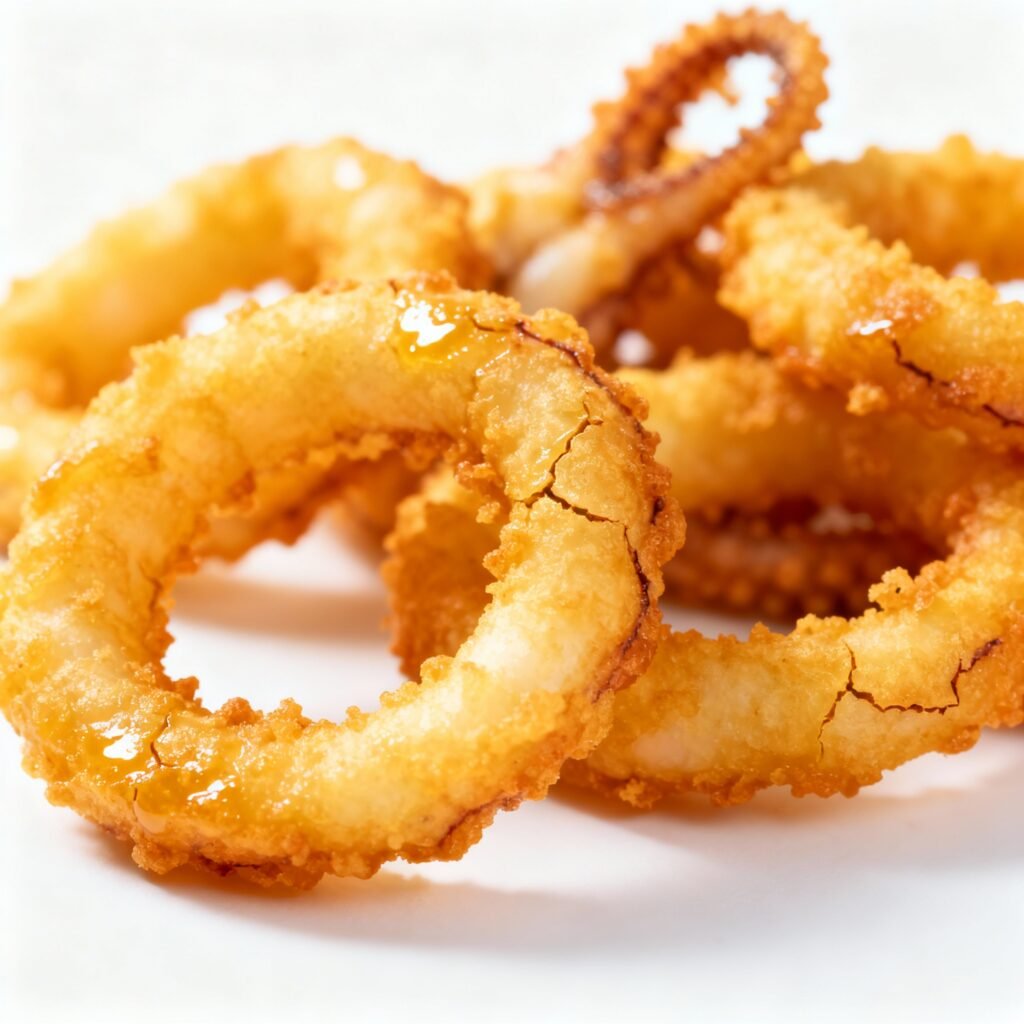
- My calamares is still soggy. What am I doing wrong? The most common reasons for soggy calamares are overcrowding the pan, not using hot enough oil, or not drying the squid properly before dredging. Make sure to follow the recipe carefully and adjust your technique as needed.
Conclusion
With this Calamares recipe, you’re now equipped to create restaurant-quality, crispy, and flavorful squid rings in the comfort of your own home. The double dredging technique, coupled with proper oil temperature and careful cooking, guarantees a satisfying crunch with every bite. So, gather your ingredients, follow the steps, and get ready to indulge in this classic Filipino appetizer. Kain na! (Let’s eat!)