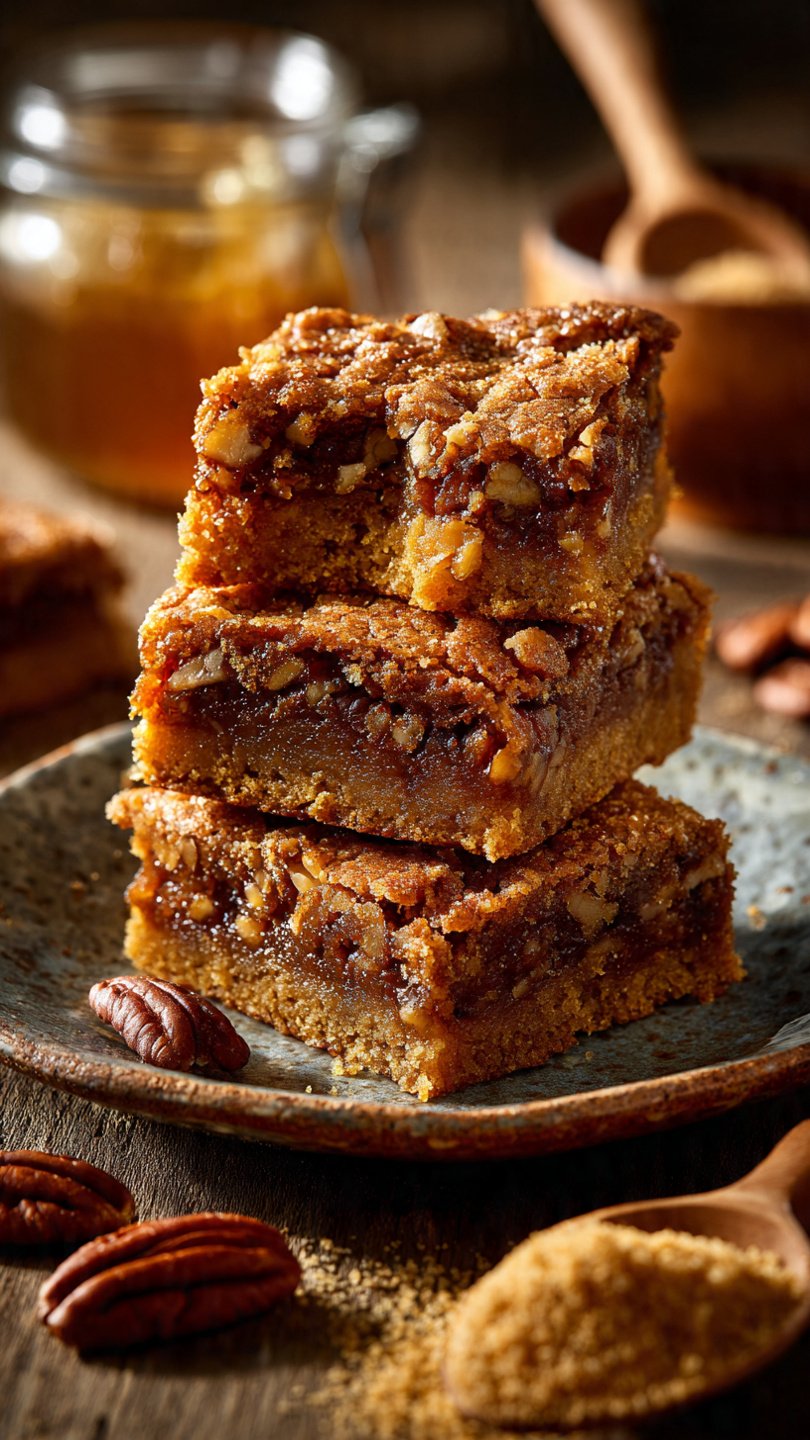
🍪 Charleston Chewies Recipe: The Best Southern Treat
Okay, pause whatever you’re doing. If you are currently craving something that is equal parts gooey, buttery, nutty, and aggressively sweet, you have landed in the safest corner of the internet.
We’ve all been there. You want a treat, but the idea of creaming butter and sugar for five minutes sounds like a cardio workout you didn’t sign up for. You want maximum reward for minimum effort. You want something that tastes like it came out of a high-end Southern bakery, but was actually thrown together in your pajamas while you listened to a true-crime podcast.
Enter the Charleston Chewies recipe.
If you aren’t from the Lowcountry (that’s the coastal area of South Carolina, FYI), you might be staring at the screen asking, “Is this a candy bar?” No. Put the candy down. These are infinitely better. Think of them as the cooler, richer, more sophisticated cousin of the blondie. They are the gold standard of Southern hospitality.
Let’s get baking.
Why This Recipe is Awesome
Look, I don’t use the word “life-changing” lightly because usually, that’s reserved for winning the lottery or finding jeans that actually fit. But these chewies? They are pretty close.
Here is why you are going to be obsessed with this recipe:
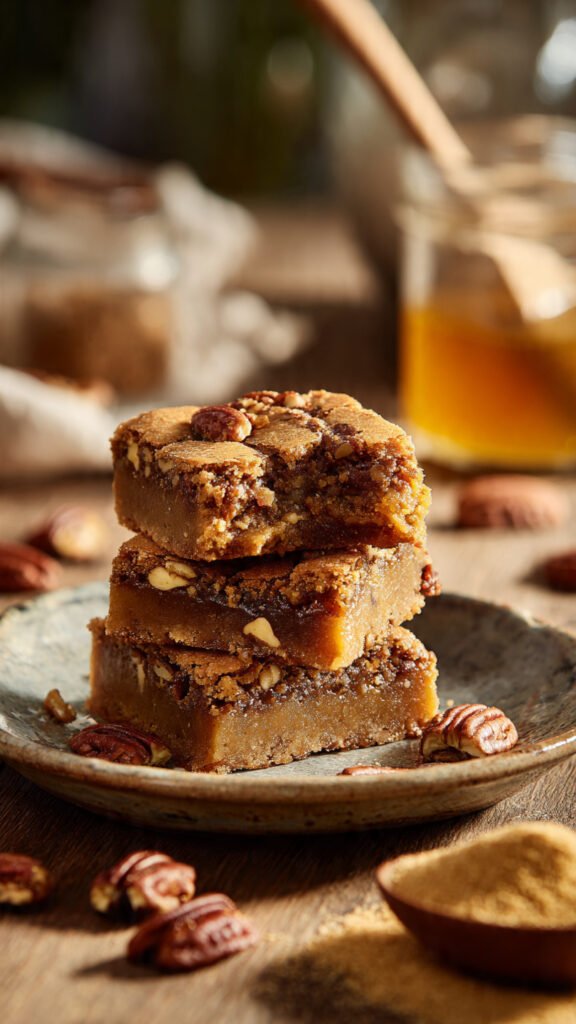
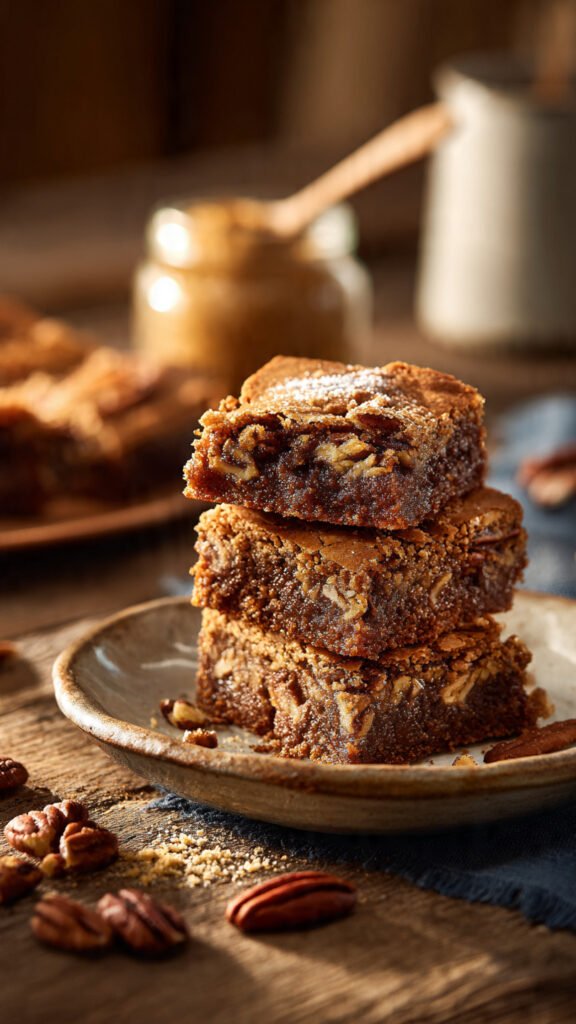
1. The Texture is Unreal The magic of a Charleston Chewy is strictly in the texture. Most blondies are cakey. We don’t do cakey here. We want fudgy. We want dense. We want a center that is so moist it barely holds its shape, paired with a top crust that crackles like crème brûlée when you bite into it. It’s a sensory rollercoaster. The contrast between the crispy, flaky top and the molten, brown-sugary middle is what culinary dreams are made of.
2. It’s “Idiot-Proof” (Mostly) I say this with love: it is very hard to mess this up unless you fall asleep while the oven is on. You don’t need a stand mixer. You don’t need to separate eggs. You don’t need to bloom yeast or wait for butter to reach “room temperature” (seriously, who actually remembers to take the butter out an hour early?). You melt, you mix, you bake. It’s the lazy baker’s holy grail.
3. It’s a History Lesson in a Pan Charleston Chewies are a staple of Gullah Geechee cuisine and African American culinary history in the South. They have been gracing church picnics, holiday spreads, and grandma’s kitchens in Charleston for decades. By making these, you aren’t just eating a dessert; you’re partaking in a deep, rich tradition of Southern comfort food.
4. The “Science of the Chew” Let’s geek out for a second. The reason these are awesome is the chemistry of brown sugar. Unlike white sugar, brown sugar contains molasses. Molasses is hygroscopic, meaning it attracts and holds water. This is why these bars stay soft and chewy for days (if they last that long), whereas white sugar treats get crunchy. We are maximizing that molasses content here for maximum chew.
Ingredients You’ll Need
We are keeping it simple. No weird gums or extracts you have to order from a specialty store in Switzerland. You probably have this stuff in your pantry right now.
- Unsalted Butter: You need a stick (or more). We use melted butter here, not softened. This is crucial for density. Note: If you use salted butter, just omit the extra pinch of salt later.
- Light Brown Sugar: The MVP of the recipe. Do not try to swap this for white sugar, or we can’t be friends. You can use dark brown sugar if you want a deeper, almost toffee-like flavor, but light brown is the classic choice.
- Egg: The binder. It adds richness and structure so you aren’t just eating a pile of hot sugar sludge.
- Self-Rising Flour:Important! This is a Southern staple. It already has the baking powder and salt mixed in.
- Don’t have it? Don’t panic. Just use all-purpose flour and add 1 ½ teaspoons of baking powder and ¼ teaspoon of salt per cup of flour.
- Vanilla Extract: Measure this with your heart, not a spoon. But technically, you want about a teaspoon. Use the real stuff, not the imitation flavor that tastes like chemicals.
- Pecans: Chopped. This provides the crunch to balance the chew. If you are allergic to nuts, you can skip them, but you’re missing out on the authentic “Charleston” experience.
- A Pinch of Salt: Even desserts need salt. It makes the sugar pop.
Step-by-Step Instructions
Alright, aprons on. Or don’t wear one, I’m not your mom. Here is how we make the magic happen.
1. The Prep Work
First things first, preheat your oven to 350°F (175°C). Do not forget this step. There is nothing sadder than a finished batter sitting on the counter waiting for a cold oven.
Next, line an 8×8 inch square baking pan with parchment paper or aluminum foil. Pro Tip: Leave a little overhang on the sides. This creates “handles” so you can lift the whole block of chewies out later for easy cutting. Grease that paper liberally with butter or cooking spray. We want these to slide out, not stick like glue.
2. The Meltdown
In a medium-sized saucepan (or a microwave-safe bowl if you really hate washing dishes), melt your butter. You want it completely liquid but not boiling hot.
Once melted, remove it from the heat. If it’s bubbling like lava, let it cool for about 5 minutes. Why? Because if you throw eggs into boiling butter, you get scrambled eggs. We are making dessert, not breakfast.
3. The Sugar Rush
Pour that glorious brown sugar into the melted butter. whisk it by hand. You don’t need a mixer here; save the electricity.
Stir it until the mixture looks like wet sand. It might look a little greasy or separated at first—that is totally normal. Just keep stirring until it’s combined. The heat from the butter will start to slightly dissolve the sugar, creating that caramel-y base we love.
4. Egg-cellent Addition
Add your egg (and an extra yolk if you want them super rich) and the vanilla extract. Whisk this vigorously.
Science Break: You want to whisk until the mixture gets a little lighter in color and looks glossy. This incorporates just enough air to create that crackly, paper-thin meringue-style crust on top, but not so much air that it turns into a cake.
5. Fold, Don’t Fight
Switch from a whisk to a rubber spatula or wooden spoon. Dump in your flour (and salt/baking powder if you didn’t use self-rising).
Crucial Step: Mix until the flour just disappears. Do not beat the batter like it owes you money. Overmixing develops gluten. Gluten makes things tough and bread-like. We want tender and chewy. Stop mixing as soon as you see no more white streaks.
Fold in your chopped pecans gently.
6. The Bake
Pour the batter into your prepared pan. It will be thick and sticky. Spread it out to the corners using your spatula.
Pop it in the oven. Bake for 20 to 25 minutes.
The Wiggle Test: How do you know they are done? The edges should look golden brown and set, but the center should still have a slight “jiggle” to it when you shake the pan. If the center looks completely solid and firm, you might have overbaked them. They will continue to cook and set as they cool, so pulling them out while they look slightly underdone is the secret to the “chewy” part of the Charleston Chewy.
7. The Hardest Part (Waiting)
Remove the pan from the oven and set it on a wire rack.
Now, you have to wait. I know, it’s torture. The smell of toasted pecans and caramelized butter is filling your kitchen, and you want to dive in face-first. Do not cut them yet. If you cut them while hot, they will fall apart into a delicious mess. Let them cool completely in the pan. This allows the structure to set so you get nice, clean squares.
Common Mistakes to Avoid
I’ve made these mistakes so you don’t have to. Learn from my failures.
- The “Brick” Effect: This happens when you overbake them. If you leave them in until a toothpick comes out bone dry, you have made sweet croutons, not chewies. Trust the jiggle!
- The Scramble: As mentioned, adding eggs to scalding hot butter cooks the eggs instantly. If your butter is hot, temper the mixture by adding the sugar first to cool it down before adding the egg.
- The Sticky Situation: Not greasing the pan or forgetting parchment paper. Charleston Chewies are basically butterscotch bars—they are sticky. If you don’t line the pan, you will be eating these with a spoon straight out of the tin (which, honestly, isn’t the worst fate, but it’s not presentable).
- Using Granulated Sugar: White sugar lacks the acidity and moisture of brown sugar. If you swap it, you’ll get a blondie that tastes fine but lacks that signature depth and chewiness.
Alternatives & Substitutions
Cooking is art; baking is science. But even in science, there’s room for experimentation. Here is how you can remix this recipe:
- Nut Free: Allergic to pecans? No worries. You can leave them out entirely for a “naked” chewy. You can also swap them for walnuts, though a true Southerner might side-eye you for that.
- Brown Butter Upgrade: If you want to feel like a Michelin-star chef, brown your butter before mixing. Cook the butter until it foams and smells nutty (look for brown specks at the bottom). This adds a toasted, savory depth that cuts through the sweetness.
- Chocolate Chips: Look, traditionalists will say no. I say, why not? A handful of semi-sweet chocolate chips or white chocolate chunks folded in with the nuts turns this into a decadent cookie bar.
- Spices: A pinch of cinnamon or a tiny dash of nutmeg can make these feel very “holiday.”
- Bourbon: A splash (1 teaspoon) of good Kentucky bourbon mixed in with the vanilla? Chef’s kiss. It enhances the vanilla and pecan flavors perfectly.
FAQ (Frequently Asked Questions)
Q: Why are my chewies hard as a rock? A: You likely overbaked them, or you measured your flour by scooping the cup into the bag (packing it down) rather than spooning it in. Too much flour = dry brick.
Q: Can I double the recipe? A: absolutely! If you double it, bake it in a 9×13 pan. You may need to add a few minutes to the baking time, but keep an eye on that wobble.
Q: Can I use margarine instead of butter? A: Well, technically yes, but why hurt your soul like that? Margarine has a higher water content and lacks the flavor of real butter. Since butter is the main flavor profile here, stick to the real deal if you can.
Q: How do I store them? A: Store them in an airtight container at room temperature. They will stay fresh for about 3-4 days. Do not put them in the fridge—it dries out the sugar and makes them hard.
Q: Can I freeze them? A: Yes! Wrap them individually in plastic wrap and then put them in a freezer bag. When you’re having a crisis and need a chewy, just let one thaw on the counter for 30 minutes.
Q: Why did my top not crackle? A: Usually, this means you didn’t whisk the egg and sugar/butter mixture enough. That mechanical action creates the meringue-like top. Whisk it like you mean it next time!
Final Thoughts
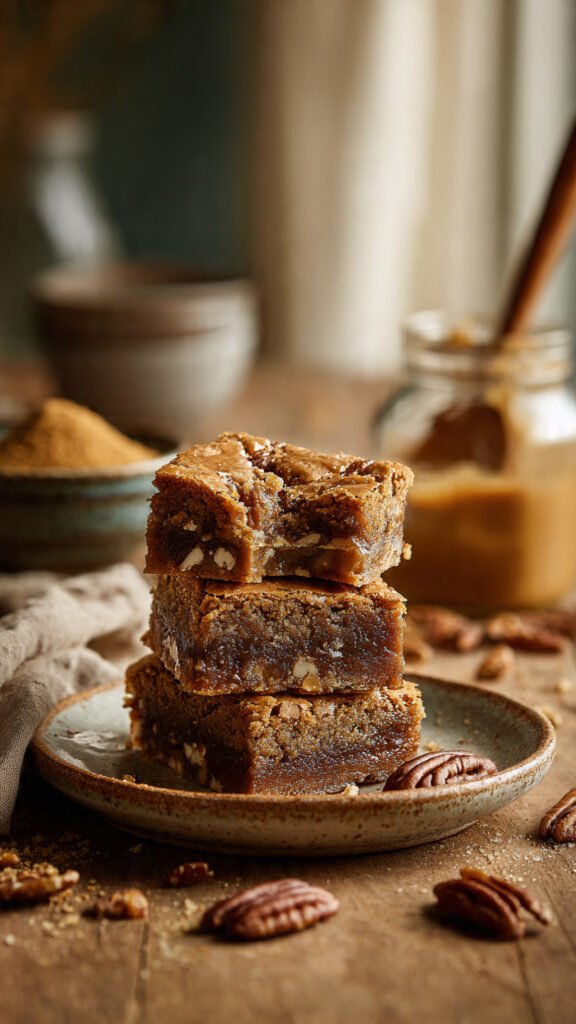
There you have it. The Charleston Chewies recipe that is going to make you the most popular person at the potluck, the office party, or just in your own living room on a Tuesday night.
These bars are the perfect example of how simple ingredients, treated right, can create something spectacular. They are sweet, nutty, and apologetically rich.
Now go impress someone—or yourself—with your new culinary skills. You’ve earned it! And hey, if you eat the batter off the spoon, I won’t tell anyone. That’s between you and the spatula.
Happy Baking!