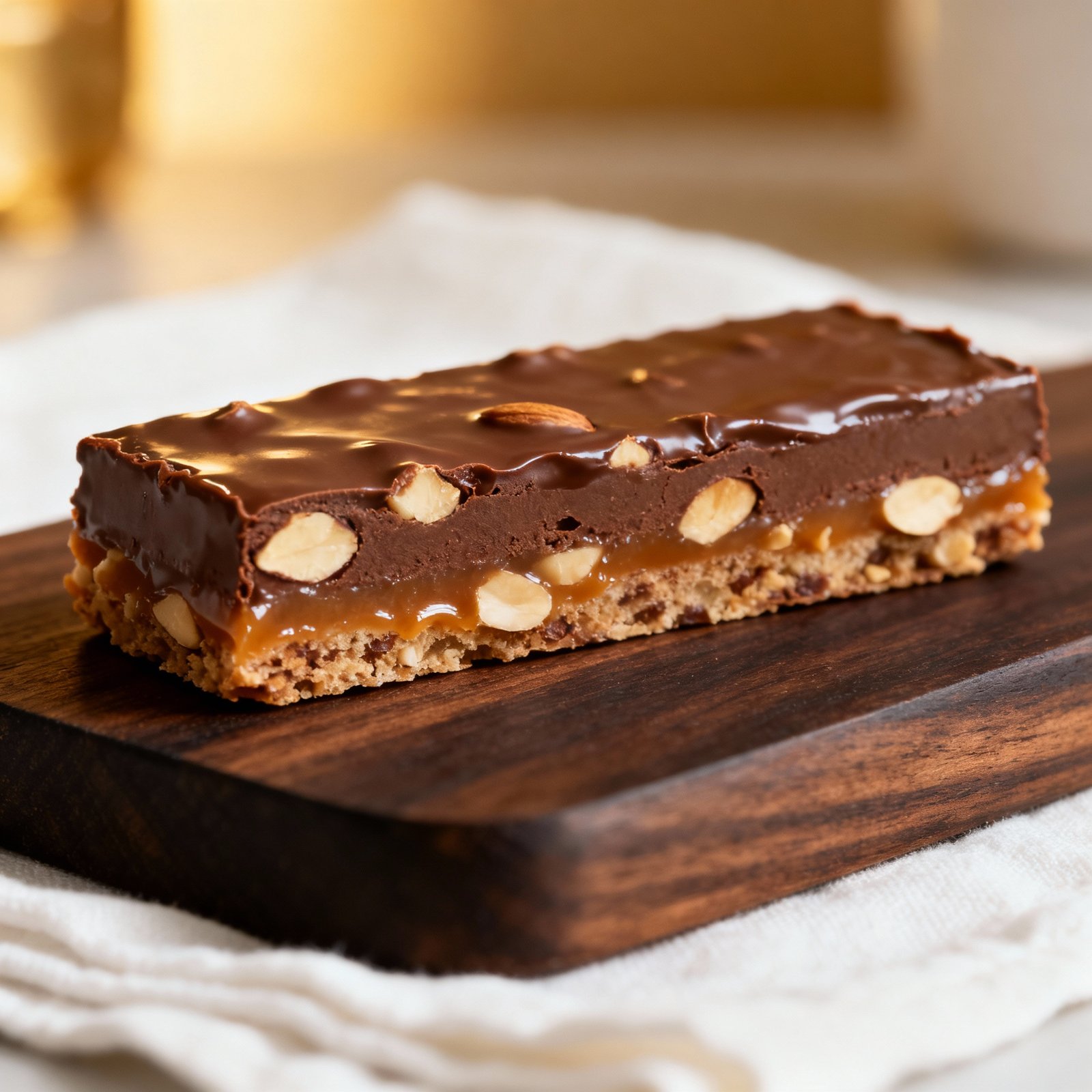
Chocolate Bar Recipe: The Ultimate Guide to Homemade Bliss
Forget the store-bought stuff! Imagine biting into a perfectly tempered, intensely flavored chocolate bar that you crafted with your own hands. This isn’t some complicated confectionery challenge; it’s a surprisingly simple and rewarding process. This recipe will guide you through every step, from selecting the best ingredients to achieving that satisfying snap and melt-in-your-mouth texture. Whether you’re a seasoned chocolatier or a complete beginner, prepare to unlock the secrets of homemade chocolate bar perfection. Get ready to impress your friends, family, or simply indulge in a little self-care with a chocolate bar that’s truly your own.
Why This Recipe Works
This recipe isn’t just a list of ingredients and instructions; it’s a carefully crafted method designed for success, even for first-timers. Here’s why it works:
- Simple Ingredients: We focus on readily available ingredients, avoiding obscure or expensive specialty items.
- Clear Instructions: Each step is broken down into manageable tasks with detailed explanations, leaving no room for guesswork.
- Tempering Simplified: We’ll guide you through a straightforward tempering method that doesn’t require fancy equipment.
- Customizable Flavor: The base recipe is a blank canvas, allowing you to add your favorite nuts, fruits, spices, or other inclusions.
- Troubleshooting Tips: We anticipate common pitfalls and offer solutions to help you avoid them.
Ingredients
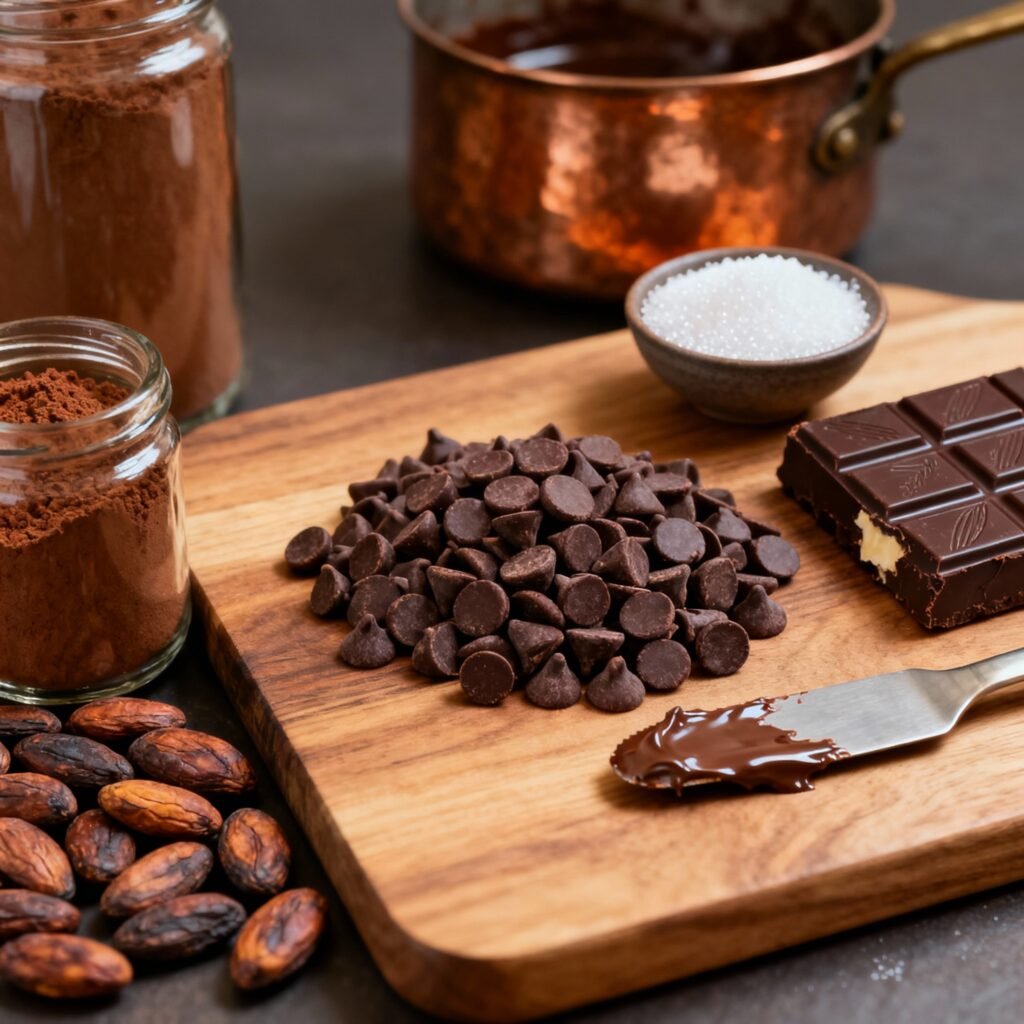
- 12 ounces (340g) Chocolate: Use high-quality chocolate, either dark, milk, or white, depending on your preference. Chocolate chips can be used in a pinch, but couverture chocolate (specifically designed for melting and tempering) will yield the best results.
- 1 tablespoon (15ml) Coconut Oil (optional): Adds a smoother, glossier finish and helps with tempering. Can be substituted with other neutral oils like vegetable or canola oil, but coconut oil adds a subtle sweetness.
- Optional Inclusions:
- Nuts (almonds, pecans, walnuts, hazelnuts)
- Dried fruits (raisins, cranberries, cherries)
- Pretzels (crushed)
- Spices (cinnamon, chili powder)
- Sea salt
- Candy pieces (crushed)
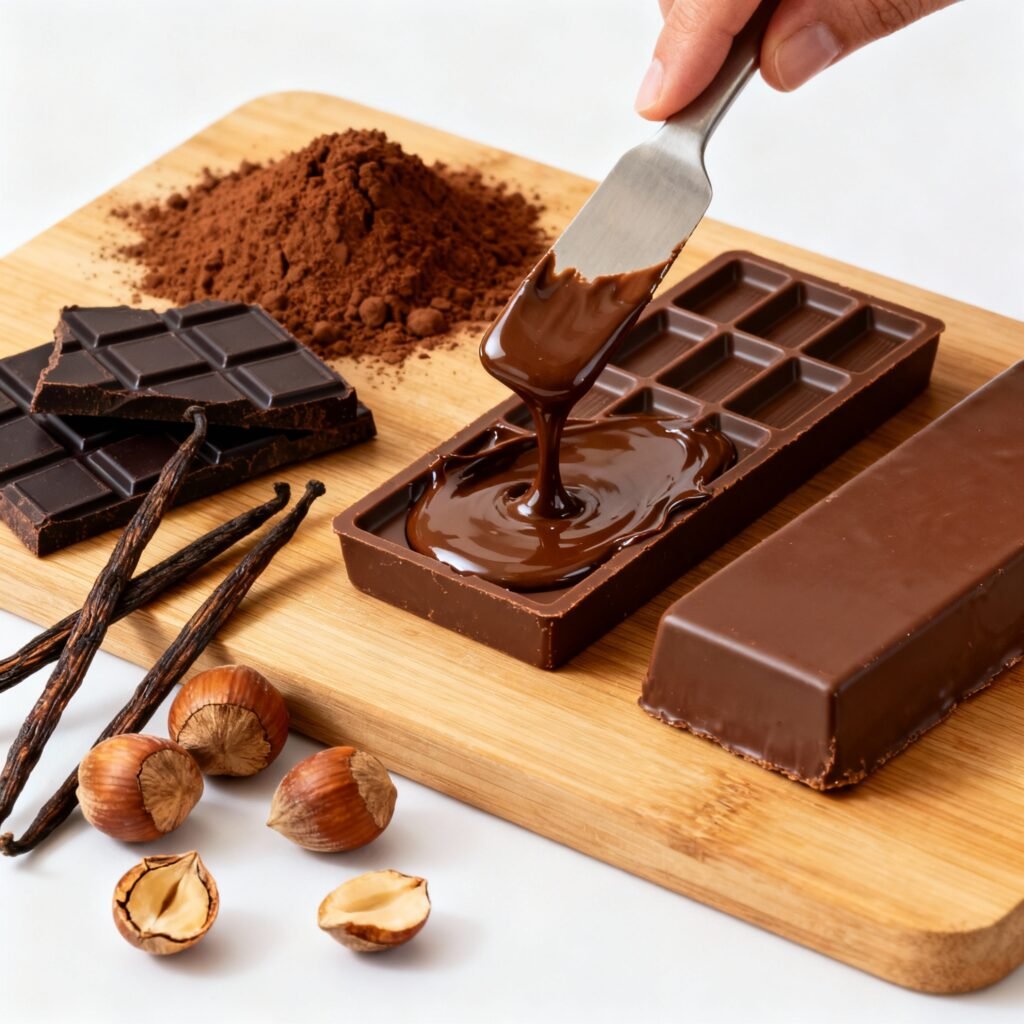
Instructions
- Prepare Your Workspace: Line a baking sheet with parchment paper or a silicone mat. Have your chosen inclusions measured and ready to go.
- Melt the Chocolate: There are two main methods:
- Double Boiler: Fill a saucepan with about an inch of water and bring it to a simmer. Place a heatproof bowl on top of the saucepan, ensuring the bottom of the bowl doesn’t touch the water. Add the chocolate to the bowl and stir gently until completely melted.
- Microwave: Place the chocolate in a microwave-safe bowl. Microwave in 30-second intervals, stirring well after each interval, until the chocolate is almost completely melted. Continue stirring until the remaining chocolate melts from the residual heat. Be careful not to overheat the chocolate, as it can seize.
- (Optional) Add Coconut Oil: Once the chocolate is melted, stir in the coconut oil until it is fully incorporated. This will make the chocolate smoother and shinier.
- Temper the Chocolate: Tempering gives the chocolate a smooth, glossy finish and a satisfying snap. A simplified method is described below:
- Seeding Method: Melt approximately 75% of your chocolate using the double boiler or microwave method described above. Once melted, remove from heat and add the remaining 25% of unmelted chocolate (the “seed”). Stir continuously until all the chocolate is melted and the mixture is smooth. The unmelted chocolate helps to cool the melted chocolate to the correct temperature for tempering.
- Temperature Check (Optional): For best results, use a candy thermometer. The ideal temperature range for tempered chocolate varies depending on the type of chocolate:
- Dark Chocolate: Melt to 115-120°F (46-49°C), cool to 88-90°F (31-32°C)
- Milk Chocolate: Melt to 110-115°F (43-46°C), cool to 86-88°F (30-31°C)
- White Chocolate: Melt to 105-110°F (40-43°C), cool to 82-84°F (28-29°C)
- Add Inclusions: Stir in your desired inclusions to the tempered chocolate.
- Pour and Spread: Pour the chocolate mixture onto the prepared baking sheet. Spread it evenly to your desired thickness.
- Sprinkle Toppings (Optional): If you want to add toppings like sea salt or chopped nuts, sprinkle them over the chocolate while it’s still wet.
- Chill: Place the baking sheet in the refrigerator for 20-30 minutes, or until the chocolate is firm and set.
- Break or Cut: Once the chocolate is firm, remove it from the refrigerator. Break it into pieces or use a sharp knife to cut it into bars.
Tips for Success
- Use High-Quality Chocolate: The quality of your chocolate will directly impact the flavor of your finished bar.
- Don’t Overheat the Chocolate: Overheating can cause the chocolate to seize and become grainy.
- Stir Gently: Avoid whipping air into the chocolate while melting, as this can create air bubbles in the finished bar.
- Be Patient: Tempering chocolate takes practice. Don’t be discouraged if it doesn’t work perfectly the first time.
- Experiment with Flavors: Don’t be afraid to get creative with your inclusions. Try different combinations to find your favorite.
- Cleanliness is Key: Make sure all your equipment is clean and dry, as even a small amount of water can cause the chocolate to seize.
Storage Instructions
Store your homemade chocolate bars in an airtight container at room temperature, away from direct sunlight and heat. Properly stored chocolate bars can last for several weeks. If you live in a warm climate, you may want to store them in the refrigerator, but be aware that this can sometimes cause the chocolate to bloom (develop a white coating on the surface). This doesn’t affect the flavor, but it can affect the appearance.
FAQ
- Can I use chocolate chips instead of couverture chocolate? Yes, you can use chocolate chips, but the results won’t be as smooth or glossy. Couverture chocolate is specifically designed for melting and tempering.
- My chocolate seized. What do I do? Seizing usually happens when water gets into the chocolate. Try adding a tablespoon or two of hot water and stirring vigorously. This may help to re-emulsify the chocolate.
- What is chocolate bloom? Chocolate bloom is a white or grayish coating that sometimes appears on the surface of chocolate. It’s caused by fat or sugar crystals rising to the surface. It’s harmless and doesn’t affect the flavor, but it can affect the appearance.
- Can I make this recipe vegan? Yes, use vegan chocolate and ensure any inclusions are also vegan.
- How can I make my chocolate bar look more professional? Use chocolate molds to create perfectly shaped bars. You can also decorate the bars with edible glitter, cocoa nibs, or other toppings.
Conclusion
Congratulations! You’ve successfully created your own homemade chocolate bars. This recipe is a starting point, so feel free to experiment with different flavors and inclusions to create your signature chocolate bar. The possibilities are endless! Enjoy the satisfaction of knowing you made something delicious from scratch.