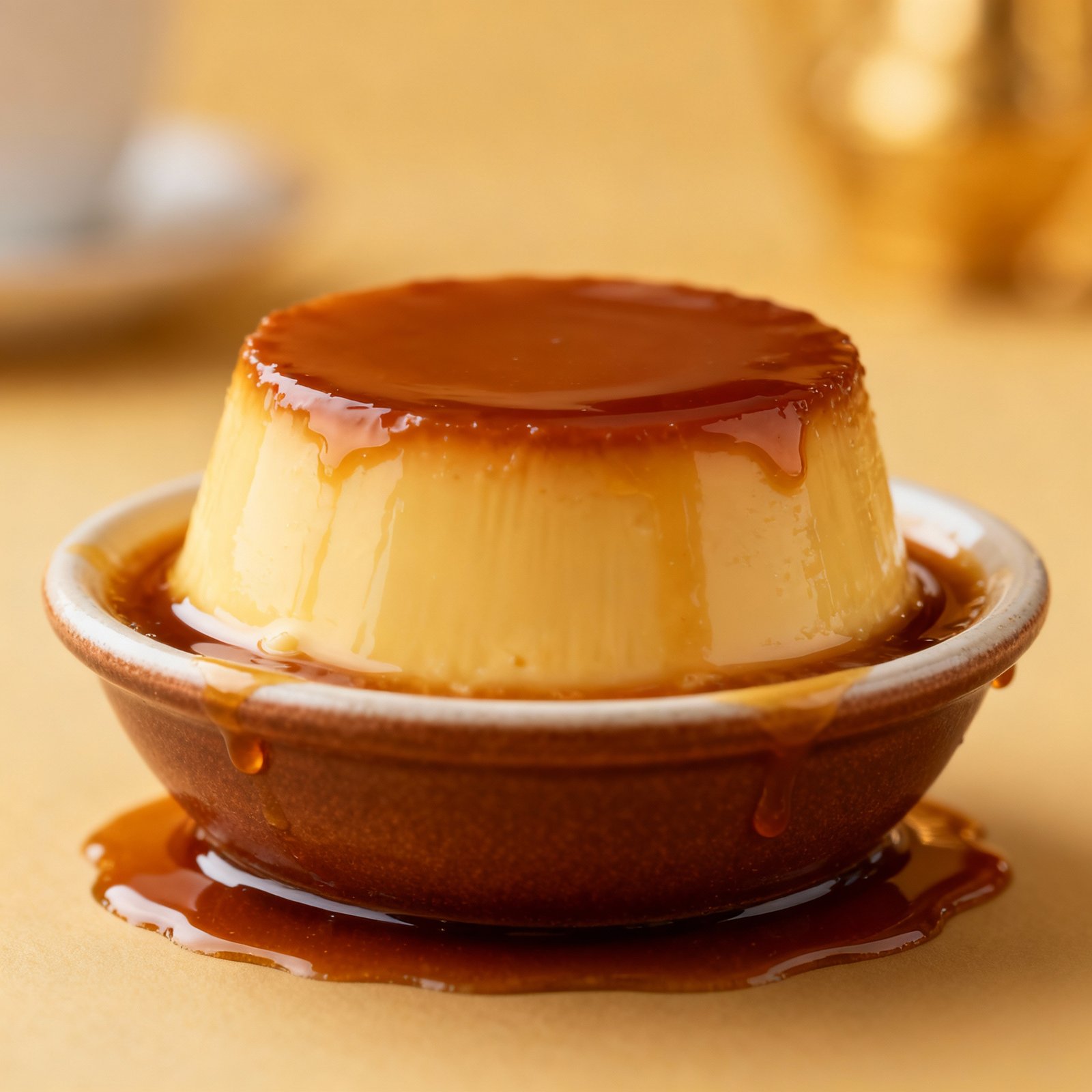
Cuban Flan Recipe: Silky Smooth Perfection Every Time
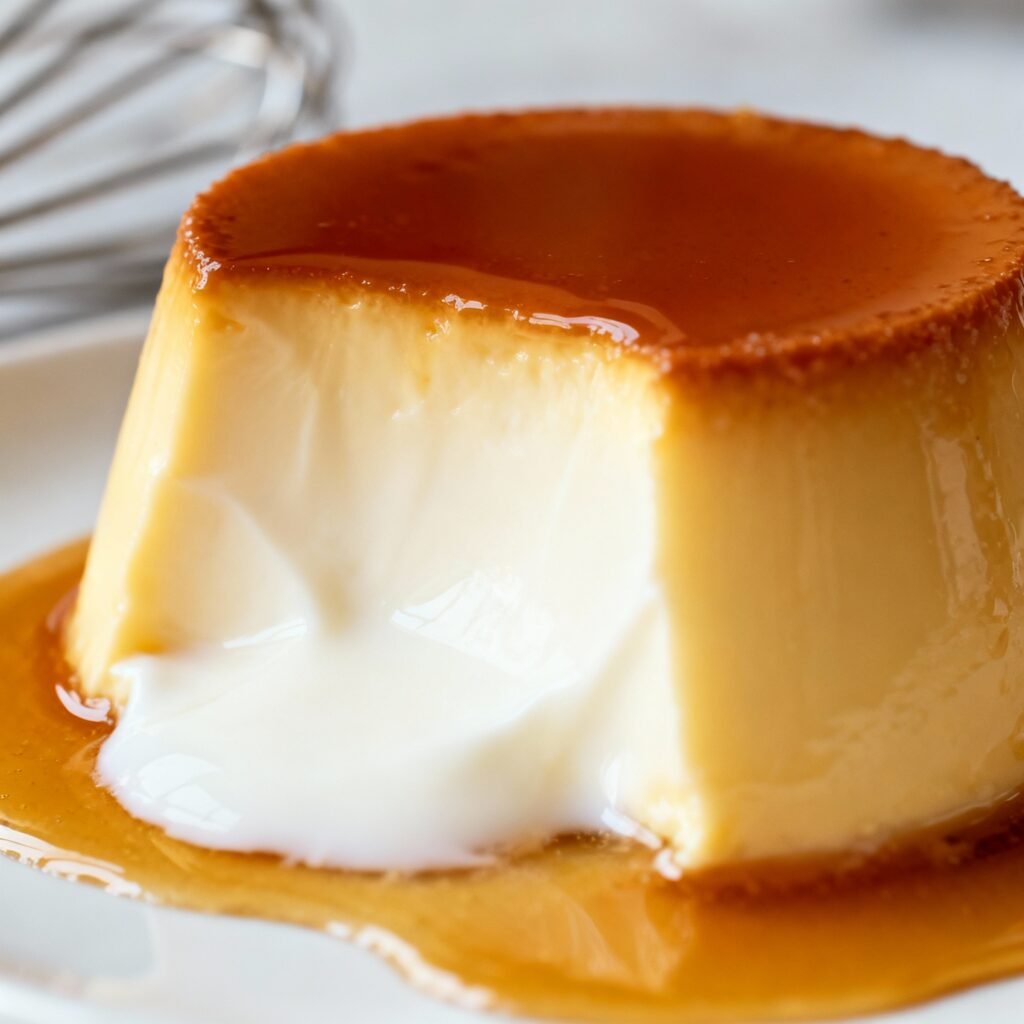
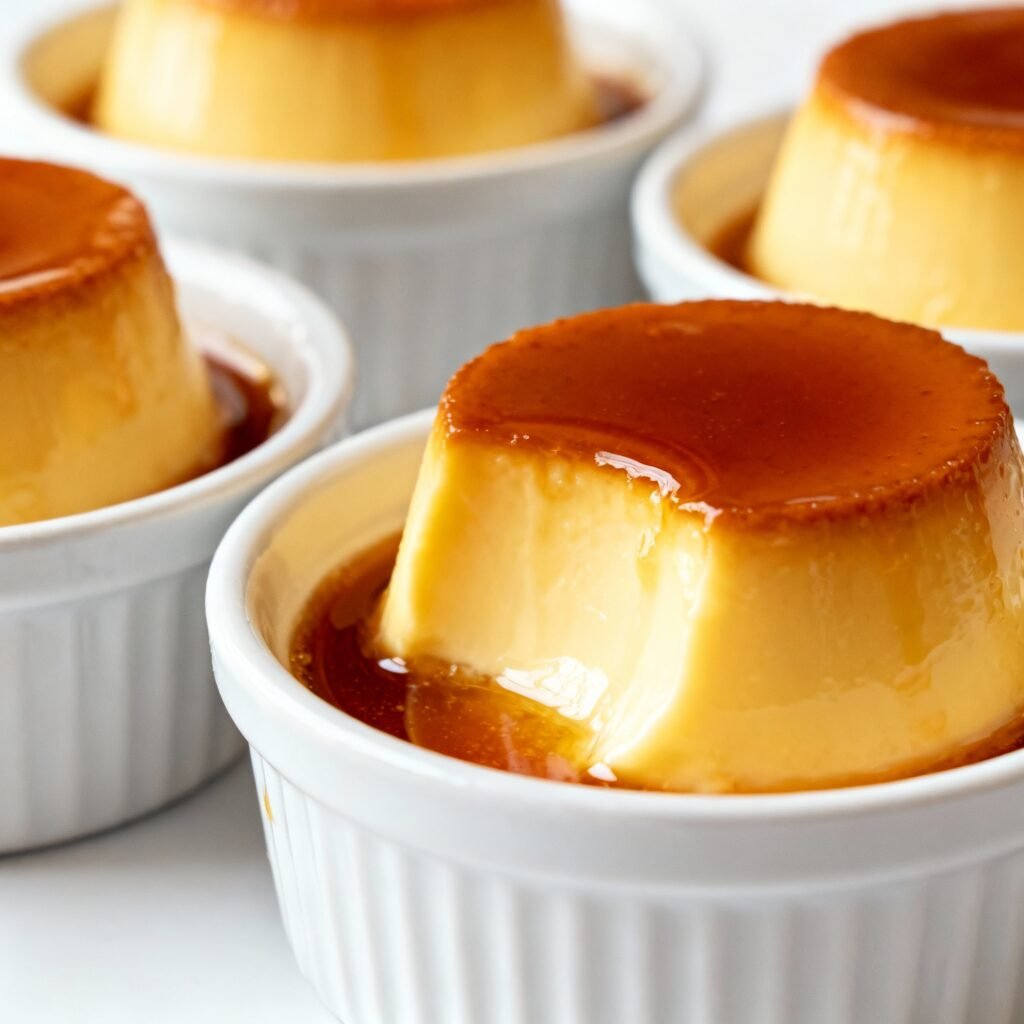
Cuban Flan, or Flan Cubano, is a classic dessert that embodies the spirit of Cuban cuisine: simple ingredients transformed into something extraordinary. This creamy, caramel-drenched custard is a staple in Cuban households, served at celebrations, holidays, and even just as a comforting treat after a long day. Forget complicated techniques and fancy ingredients; this recipe focuses on achieving that perfectly smooth, melt-in-your-mouth texture that defines authentic Cuban flan. Prepare to be transported to the sun-kissed shores of Cuba with every delicious bite!
Why This Recipe Works
This recipe isn’t just a list of ingredients; it’s a carefully crafted method designed to guarantee success, even for novice bakers. Here’s why it stands out:
- Simplicity: We use readily available ingredients and straightforward instructions, making it accessible to everyone.
- Precise Ratios: The ingredient ratios are meticulously balanced to create the ideal custard consistency – not too firm, not too runny, but perfectly smooth.
- Slow Baking Method: Baking the flan in a water bath (bain-marie) ensures even cooking and prevents the custard from curdling, resulting in that signature silky texture.
- Caramel Control: We provide clear instructions for achieving a rich, amber-colored caramel without burning, which is crucial for the flan’s flavor and presentation.
- Detailed Instructions: Each step is clearly explained with helpful tips to guide you through the process, eliminating any guesswork.
Ingredients
- For the Caramel:
- 1 cup granulated sugar
- 1/4 cup water
- For the Flan:
- 5 large eggs
- 1 (12 ounce) can evaporated milk
- 1 (14 ounce) can sweetened condensed milk
- 1 teaspoon vanilla extract
- Pinch of salt
Instructions
- Prepare the Caramel: In a heavy-bottomed saucepan, combine the sugar and water. Cook over medium heat, stirring occasionally until the sugar dissolves. Once dissolved, stop stirring and let the mixture simmer until it turns a deep amber color. This process requires patience and close attention. Do not stir after the sugar has dissolved, as this can cause crystallization.
- Pour Caramel into Mold: Immediately pour the hot caramel into a 9-inch round cake pan or flan mold. Tilt the pan to evenly coat the bottom and sides with the caramel. Be careful, as the caramel is extremely hot.
- Prepare the Flan Mixture: In a large bowl, whisk together the eggs, evaporated milk, sweetened condensed milk, vanilla extract, and salt until well combined and smooth. Avoid over-whisking, as this can create air bubbles in the custard.
- Pour Flan Mixture into Mold: Gently pour the flan mixture over the caramel-coated pan.
- Prepare the Water Bath: Preheat oven to 350°F (175°C). Place the flan pan inside a larger baking pan (such as a roasting pan). Pour hot water into the larger pan, reaching about halfway up the sides of the flan pan. This creates a water bath (bain-marie), which helps the flan cook evenly and prevents it from curdling.
- Bake the Flan: Carefully transfer the water bath to the preheated oven. Bake for 50-60 minutes, or until the flan is set around the edges but still slightly jiggly in the center. A toothpick inserted near the center should come out with moist crumbs attached.
- Cool the Flan: Remove the flan from the water bath and let it cool completely at room temperature. This is crucial for allowing the flan to set properly.
- Chill the Flan: Cover the flan with plastic wrap and refrigerate for at least 4 hours, or preferably overnight. Chilling the flan allows the flavors to meld and the texture to firm up.
- Invert and Serve: To unmold the flan, run a thin knife around the edge of the pan to loosen it. Place a serving plate over the pan, then quickly invert the flan onto the plate. The caramel will drizzle over the flan.
- Enjoy! Slice and serve cold.
Tips for Success
Here are a few extra tips to ensure your Cuban flan turns out perfectly every time:
- Use a Heavy-Bottomed Pan for Caramel: This will help prevent the sugar from burning.
- Watch the Caramel Closely: Caramel can burn quickly, so keep a close eye on it and remove it from the heat as soon as it reaches a deep amber color.
- Don’t Over-Whisk the Flan Mixture: Over-whisking can create air bubbles, which will result in a less smooth texture.
- Use Hot Water for the Water Bath: This helps the flan cook more evenly.
- Don’t Overbake the Flan: Overbaking will result in a dry, rubbery texture. The flan should still be slightly jiggly in the center when it’s done.
- Chill the Flan Thoroughly: Chilling the flan for at least 4 hours, or preferably overnight, is essential for allowing the flavors to meld and the texture to firm up.
- If the caramel hardens before you pour it into the mold: Gently reheat the caramel over low heat until it melts again. Watch it carefully to prevent burning.
- For an extra layer of flavor: Add a tablespoon of rum to the flan mixture.
Storage Instructions
Cuban flan is best enjoyed within 3-4 days of making it. Store it covered in the refrigerator to prevent it from drying out. The caramel may become slightly thinner over time, but the flavor will remain delicious.
FAQ
Q: Can I use a different type of milk?
A: While evaporated and sweetened condensed milk are traditional for Cuban flan, you can experiment. Using whole milk will result in a less rich and creamy flan. Avoid using skim milk, as it won’t provide enough fat for the desired texture.
Q: Can I make this recipe ahead of time?
A: Absolutely! In fact, Cuban flan is even better when made a day or two in advance, as it allows the flavors to meld and the texture to fully set.
Q: My flan has bubbles on top. What did I do wrong?
A: Bubbles are usually caused by over-whisking the flan mixture or baking at too high a temperature. Try to whisk gently and ensure your oven temperature is accurate.
Q: My caramel burned. Can I still use it?
A: If the caramel is only slightly burned, you can try to salvage it by carefully removing the burned portions. However, if it’s heavily burned, it’s best to start over, as the bitter taste will ruin the flan.
Q: Can I freeze Cuban Flan?
A: Freezing Cuban flan is not recommended. The texture of the custard can change and become grainy after thawing.
Conclusion
Cuban Flan is more than just a dessert; it’s a taste of tradition and a symbol of Cuban hospitality. With its creamy texture, rich caramel flavor, and simple ingredients, it’s a dessert that’s sure to impress. This recipe provides all the tools you need to create a perfect Cuban flan every time. So, gather your ingredients, follow the instructions, and prepare to indulge in a truly unforgettable culinary experience. ¡Buen provecho!