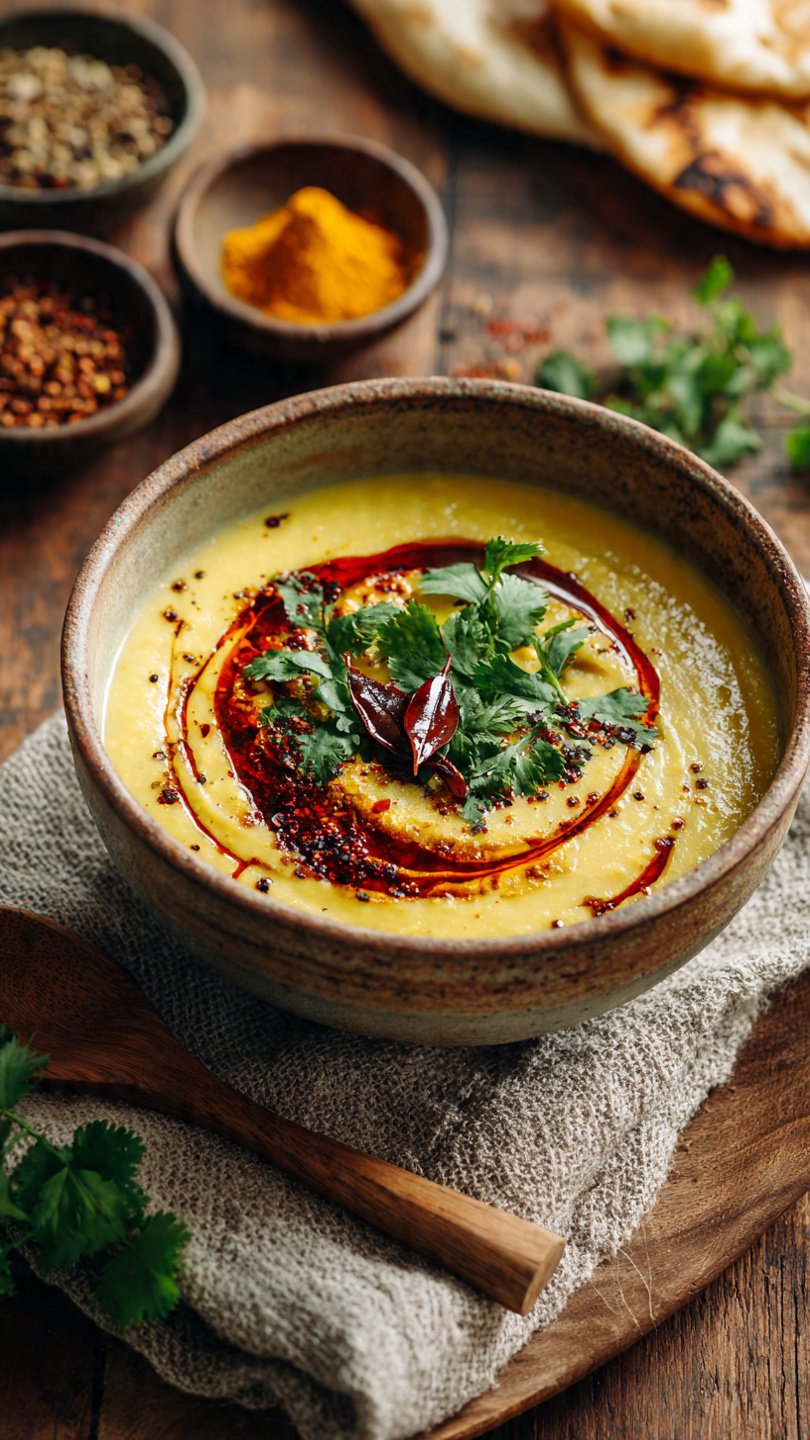
🥘 Authentic Indian Dahl Recipe: Easy & Creamy Comfort Food
So, you’re craving something tasty but you are absolutely too lazy to spend forever in the kitchen, right? Same.
Look, I get it. We all want that rich, aromatic, soul-hugging food that tastes like it was simmered by a grandmother in a village in Punjab for twelve hours. But we also want to watch Netflix in our sweatpants and eat within 40 minutes. It’s a dilemma.
Enter: The humble Dahl.
If you’ve been intimidated by Indian cooking before, thinking you need a spice cabinet the size of a small pharmacy or a degree in chemistry to make a curry, let me stop you right there. This dahl recipe Indian style is the absolute gateway drug to cooking authentic food at home. It is forgiving, it is cheap (hello, budget-friendly protein!), and it essentially tastes like a warm hug in a bowl.
Put down the takeout menu. We’re doing this.
Why This Recipe is Awesome
Okay, I know every food blogger says their recipe is “life-changing,” but hear me out. This isn’t just boiled lentils. This is a masterclass in texture and flavor layering, yet it’s so simple that even my college roommate—who once burned water—could make this.
Here is why this specific dahl recipe is going to become part of your weekly rotation:
- The “Tadka” Magic: This recipe relies on a technique called Tadka (or tempering). This is the secret sauce (literally and figuratively) of Indian cooking. It’s where we take hot fat (ghee or oil) and bloom whole spices in it until they pop and sizzle. This isn’t just for show; it’s science. Spices are oil-soluble. By blooming them, you are extracting flavor compounds that water just can’t reach. We are going to pour this sizzling, aromatic liquid gold over the cooked lentils at the very end. The sound it makes? Sizzle-hiss. That sound is the sound of flavor entering the chat.
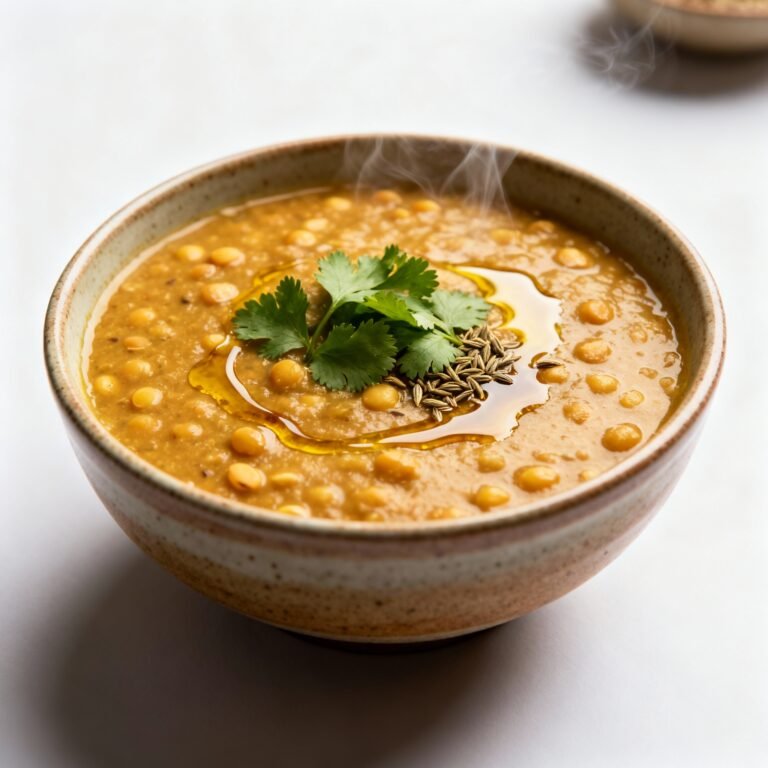
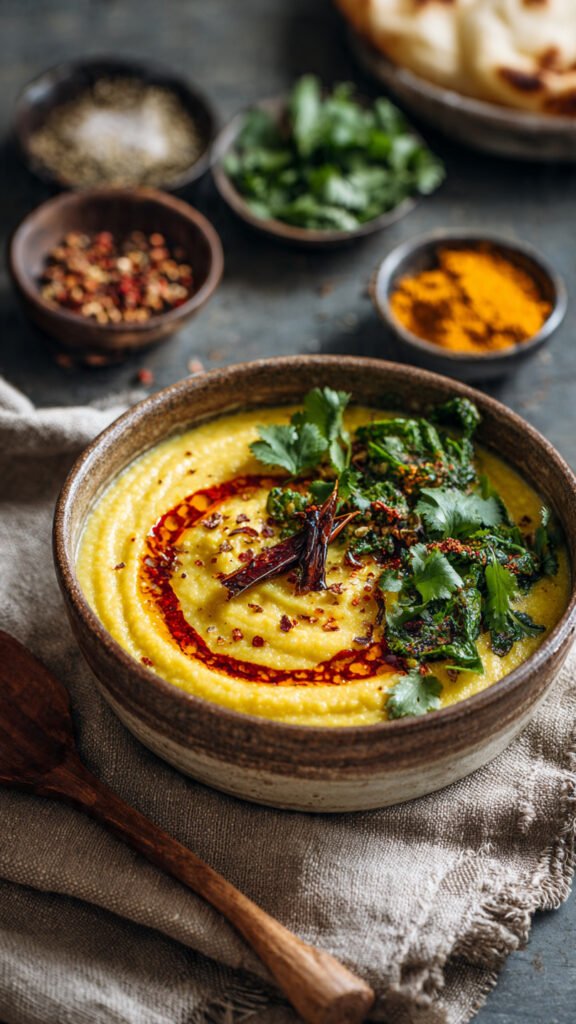
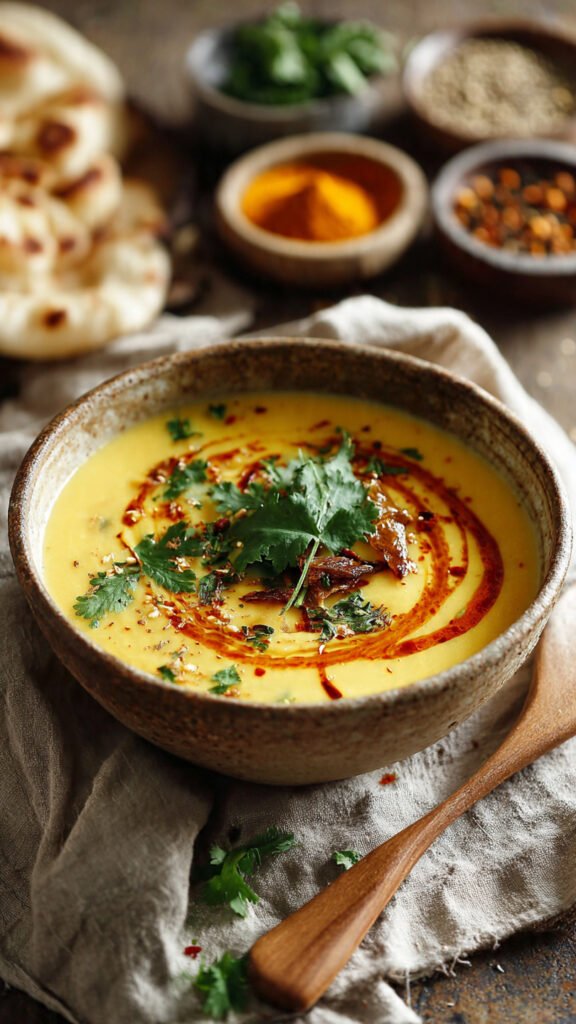
- It’s “Ugly-Delicious”: Let’s be real, dahl isn’t winning any beauty pageants. It’s yellow mush. But it is the most delicious yellow mush you will ever eat. It proves that food doesn’t need to look like a Michelin-star plating to taste incredible.
- The Texture is Customizable: Some people like their dahl thick, like a hearty stew that sticks to your ribs. Others like it soupy, perfect for drowning a mound of Basmati rice. This recipe puts you in the driver’s seat. You control the liquid. You have the power.
- It’s a Nutrient Bomb: We’re talking high fiber, high protein, and enough turmeric to make you feel like a wellness influencer. But unlike a kale smoothie, this actually tastes good. It fills you up without the “heavy” feeling of a cream-based curry.
- The Leftover Situation: You know how lasagna tastes better the next day? Dahl is the same. The flavors get to know each other intimately in the fridge overnight. Making a big batch on Sunday means you have an incredible “sad desk lunch” for Monday that will actually make your coworkers jealous (or hungry, depending on how much garlic you use).
Ingredients You’ll Need
Don’t panic. You can find 90% of this at a regular grocery store. For the rest, Amazon or your local Asian grocer is your friend.
- Masoor Dal (Red Split Lentils): These are the MVPs of quick cooking. They don’t need soaking (thank goodness) and they break down into a creamy consistency in about 20 minutes. Do not use green or brown lentils here unless you want a totally different dish that takes an hour to cook.
- Water (or Veggie Stock): I usually stick to water because the spices do the heavy lifting, but stock adds a nice depth if you’re feeling fancy.
- Turmeric Powder: The reason everything in your kitchen is about to turn yellow. It adds that earthy base note and beautiful color.
- Ghee (Clarified Butter): This is non-negotiable for the authentic taste. It has a nutty aroma that oil just can’t replicate. However, if you are vegan, coconut oil or a neutral oil works (but my heart breaks slightly for you).
- Cumin Seeds (Jeera): Whole seeds, not powder! We need them to crackle in the hot fat.
- Mustard Seeds (Black or Brown): These little guys pop in the pan and add a nutty, pungent bite. If you skip them, the dahl will lack that “restaurant-style” punch.
- Asafoetida (Hing): The Secret Weapon. It smells funky raw (seriously, don’t sniff the jar), but when it hits hot oil, it transforms into a savory, onion-garlic flavor enhancer. It also helps with… digestion. (You know, beans/lentils… moving on).
- Dried Red Chilies: Whole ones. They add a smoky heat and look cool floating in the bowl.
- Fresh Aromatics:
- Onion: Finely chopped. Red or yellow works.
- Ginger & Garlic: Freshly minced. Please, for the love of food, do not use the jarred paste that tastes like citric acid. Smash that garlic yourself. It’s therapeutic.
- Green Chili: Optional, for those who like to live dangerously.
- Tomatoes: Adds acidity to cut through the richness.
- Garnish: Fresh cilantro (coriander). A generous handful. If you have the soapy-cilantro gene, I am so sorry for your loss. Use parsley or a squeeze of lemon instead.
Step-by-Step Instructions
Okay, let’s cook. Put on some music, pour a glass of wine (or water), and let’s get messy.
1. The Great Rinse Take your Masoor Dal (red lentils) and rinse them in a bowl. The water will look milky and cloudy—that’s starch and dust. Rinse and drain about 3–4 times until the water runs relatively clear.
- Why? This stops the dahl from becoming a gluey, starchy mess. We want creamy, not sticky.
2. The Simmer Down Dump the washed lentils into a pot. Add water (ratio is usually 1 cup lentils to 3 cups water), salt, and the turmeric powder. Bring it to a boil.
- Watch out: It will foam up like a science experiment. Skim that scum off the top with a spoon.
- Turn the heat to low, cover (leave the lid slightly ajar so it doesn’t boil over), and simmer for 20–25 minutes.
- The Goal: You want the lentils to completely lose their shape. When you press them against the side of the pot, they should disintegrate. If they are still holding their shape, keep cooking. We want mush. Delicious mush.
3. The Setup (Mise en Place) While the lentils are boiling, chop your onions, garlic, ginger, and tomatoes. Have your spices measured and ready next to the stove.
- Pro Tip: Cooking happens fast in the next step. If you are chopping onions while the oil is hot, you will burn something. Don’t be that person.
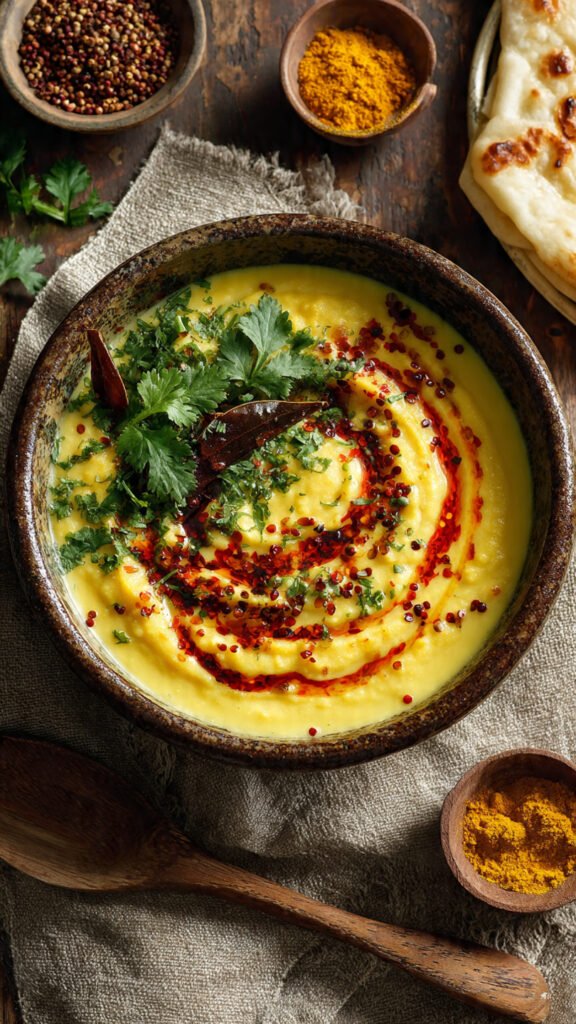
4. The Tadka (The Main Event) This is where the magic happens. Use a separate small pan or skillet (called a tadka pan if you’re fancy).
- Heat the Ghee over medium-high heat.
- Add the Mustard Seeds. Wait for them to sputter and pop. (Shield your eyes, they jump!).
- Add the Cumin Seeds and Dried Red Chilies. Let them sizzle for 30 seconds.
- Sprinkle in the Asafoetida (Hing).
- Immediately toss in the Chopped Onions. Sauté them until they are golden brown. Not translucent—we want browning. Browning = Flavor (Maillard reaction, baby!).
- Add the Ginger and Garlic. Cook for another minute until the raw smell is gone and your kitchen smells like heaven.
- Add the Tomatoes and a pinch of chili powder (optional). Cook until the tomatoes soften and the oil starts to separate from the masala.
5. The Marriage Check your lentils. Are they soft? Good. If they are too thick, add a splash of hot water to get the consistency you like.
- Now, pour that sizzling Tadka mixture into the pot of boiled lentils.
- Stir it in. Watch the pale yellow lentils transform into a rich, golden-orange masterpiece. Let them simmer together for 2–3 minutes so the flavors marry.
6. The Finish Turn off the heat. Squeeze fresh lemon juice over the top (acidity brightens the whole dish) and sprinkle generously with chopped cilantro.
Common Mistakes to Avoid
Listen, I’ve made these mistakes so you don’t have to. Learn from my failures.
- The “Al Dente” Lentil: Pasta should be al dente. Dahl should not. If your lentils have a “bite” to them, they are undercooked. It ruins the experience. You want a velvety texture.
- Burning the Garlic: There is a fine line between “golden and aromatic” and “black and bitter.” Garlic burns in seconds. Once you add it to the hot ghee, keep it moving. If it burns, scrub the pan and start the Tadka over. It’s not worth saving.
- Cold Water Shock: If your dahl is too thick and you need to thin it out, do not add ice-cold tap water. It shocks the lentils and dulls the flavor. Add boiling water from the kettle.
- Skipping the Resting Period: Technically you can eat it straight away, but if you let it sit for 10 minutes after cooking, the starch settles and the texture becomes silkier. Patience is a virtue (that I rarely have, but I try).
- Using Old Spices: If your cumin powder has been in the back of the cupboard since 2017, it’s basically sawdust. Spices lose potency over time. Fresh spices make a massive difference.
Alternatives & Substitutions
Cooking is art, not a rigid set of laws. Feel free to remix this.
- Vegan? Swap the Ghee for Coconut Oil. It gives a slight tropical vibe which is actually delicious with lentils. Avocado oil works too if you want it neutral.
- Want Greens? This is my favorite hack. Toss in a handful of baby spinach or chopped kale in the last 2 minutes of cooking. The heat of the dahl will wilt the greens perfectly. Now you have Dal Palak and you’re eating your veggies. Look at you go.
- No Tomatoes? No problem. Just use extra lemon juice at the end for that sour kick. Or, if you have it, a teaspoon of Amchur (dried mango powder) adds a fantastic tang.
- Spice Tolerance: If you have kids or just a sensitive palate, skip the fresh green chilies and the dried red chilies. The flavor comes from the cumin, garlic, and turmeric—heat is optional.
- Creamy Dreamy: Want it richer? Add a splash of coconut milk or heavy cream at the end. It turns this everyday dahl into a luxurious “Dal Makhani” style dish.
FAQ (Frequently Asked Questions)
1. Do I really have to wash the lentils? Can’t I just dump them in? Look, technically yes, you can. But do you want scum floating on your soup? And do you want to digest all that extra dust? Just wash them. It takes 30 seconds. Don’t be lazy.
2. Can I make this in an Instant Pot? Absolutely. High pressure for 4-5 minutes, natural release for 10. Then do the Tadka (tempering) on Sauté mode after the lid comes off. It’s actually easier.
3. Why does my dahl taste bland even though I added spices? Salt. It’s almost always salt. Lentils absorb salt like a sponge. Add a pinch more, stir, and taste. Also, did you burn your spices? If you burned them, the flavor is gone.
4. Can I freeze this? Yes! Dahl freezes beautifully. Put it in airtight containers. It stays good for 3 months. Future You will love Present You for doing this.
5. What do I serve this with? Steamed Basmati rice is the classic partner (Dal Chawal for life). But it’s also amazing with Naan, Roti, or—if you’re trying to be low carb—just a spoon and a bowl.
6. Can I use canned lentils? You can… but the texture won’t be quite the same. Canned lentils are usually brown or green and hold their shape. If you must, drain and rinse them, simmer with turmeric, and proceed with the Tadka. It’s a 5-minute meal hack.
7. Is this recipe spicy? As written, it’s a “medium” heat. The dried chilies are mostly for aroma unless you bite into one (don’t do that). Remove the seeds from the green chili to lower the heat, or omit it entirely.
Final Thoughts
There you have it. You are now armed with the knowledge to make a killer dahl recipe Indian style that will impress your friends, your family, and most importantly, your own tastebuds.
Cooking Indian food doesn’t have to be complicated. It’s about respecting the spices, taking your time with the onions, and enjoying the process. So go ahead, grab that bag of red lentils that’s been sitting in your pantry for six months, and turn it into something magical.
Now go impress someone—or yourself—with your new culinary skills. You’ve earned it!