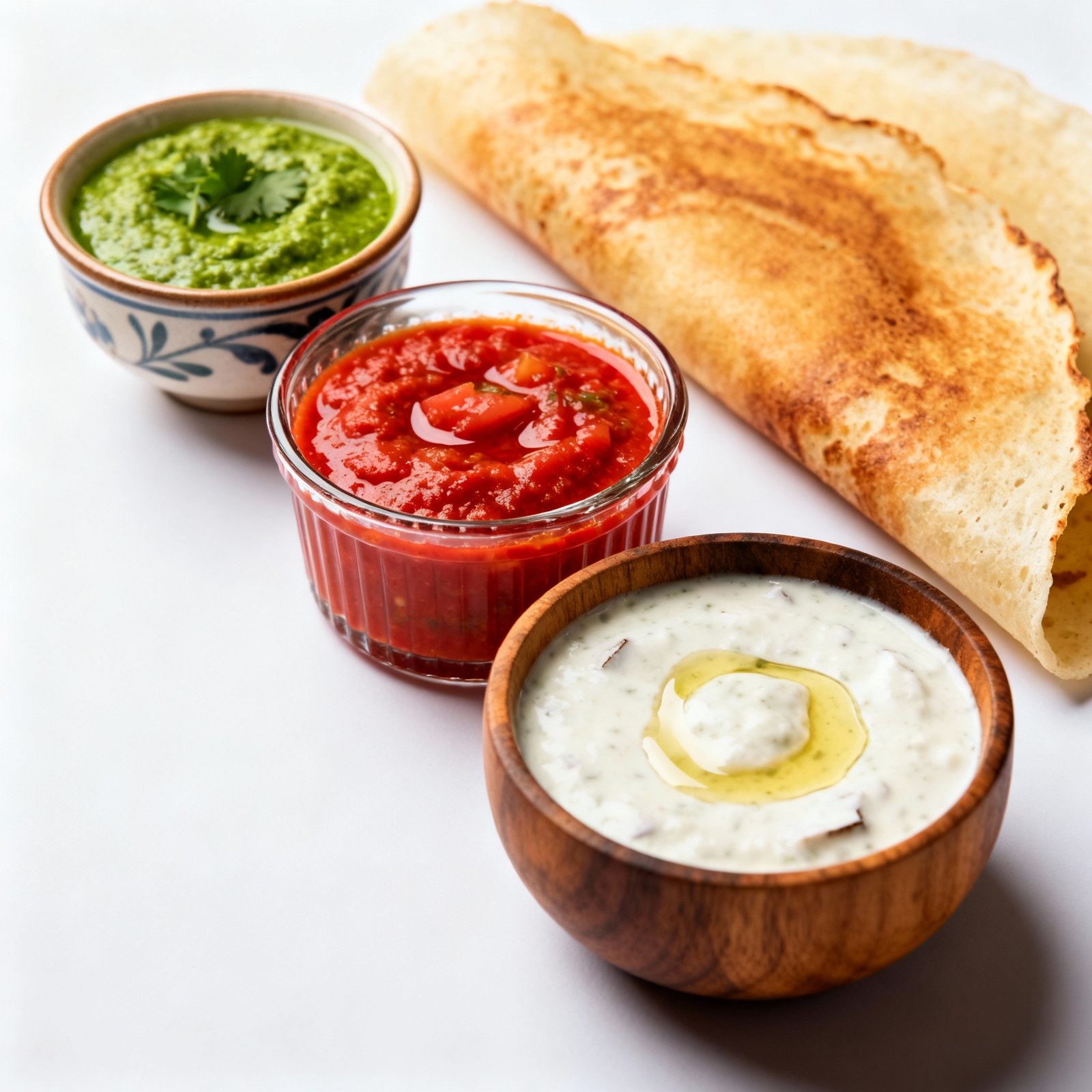
Dosa Chutney Recipe: Three Irresistible Variations to Elevate Your Dosa Experience
Crispy, golden dosas are incomplete without the perfect accompaniment. And what better accompaniment than a vibrant, flavorful chutney? Forget bland dips – this guide unveils not one, but three incredible dosa chutney recipes that will tantalize your taste buds and transform your dosa experience from ordinary to extraordinary. Whether you crave the classic coconut chutney, the tangy tomato chutney, or the spicy onion chutney, we’ve got you covered. Get ready to unlock the secrets to authentic South Indian flavors and elevate your next dosa feast!
Why This Recipe Works
These dosa chutney recipes are designed for simplicity and maximum flavor. They work because:
- Authentic Flavors: We use traditional South Indian ingredients and techniques to ensure an authentic taste that transports you straight to the streets of Chennai.
- Easy to Follow: The instructions are clear, concise, and broken down into manageable steps, making it easy for even novice cooks to achieve delicious results.
- Versatile: These chutneys aren’t just for dosas! They’re also fantastic with idlis, vadas, uttapam, and even as a spread on sandwiches.
- Customizable: We provide variations and tips to help you adjust the spice level and flavors to your personal preferences.
- Quick and Convenient: Most of these chutneys can be made in under 30 minutes, making them perfect for busy weeknights.
Ingredients
Coconut Chutney
- 1 cup grated fresh coconut (or unsweetened desiccated coconut, soaked in warm water for 15 minutes)
- 2-3 green chilies, chopped (adjust to your spice preference)
- 1 inch ginger, peeled and chopped
- 2 tablespoons roasted chana dal (split chickpeas)
- Salt to taste
- 2 tablespoons water, or as needed
- For Tempering:
- 1 tablespoon oil
- 1 teaspoon mustard seeds
- 1/2 teaspoon urad dal (split black lentils)
- 1 dry red chili, broken into pieces
- A few curry leaves
Tomato Chutney
- 2 medium tomatoes, roughly chopped
- 1 medium onion, roughly chopped
- 2-3 cloves garlic, minced
- 1 inch ginger, peeled and chopped
- 1-2 dry red chilies (adjust to your spice preference)
- 1/2 teaspoon mustard seeds
- 1/4 teaspoon urad dal (split black lentils)
- A pinch of asafoetida (hing)
- 1 tablespoon oil
- Salt to taste
- 1/4 cup water, or as needed
Onion Chutney
- 2 medium onions, finely chopped
- 2-3 dry red chilies (adjust to your spice preference)
- 1 tablespoon tamarind paste (or soak a small piece of tamarind in warm water and extract the pulp)
- 2 cloves garlic, minced
- 1 teaspoon jaggery (optional, for a touch of sweetness)
- 2 tablespoons oil
- 1/2 teaspoon mustard seeds
- 1/4 teaspoon urad dal (split black lentils)
- A pinch of asafoetida (hing)
- Salt to taste
Instructions
Coconut Chutney
- Blend: In a blender or food processor, combine the grated coconut, green chilies, ginger, roasted chana dal, salt, and water. Blend until smooth. Add more water if needed to achieve your desired consistency.
- Temper: Heat oil in a small pan or tadka pan. Add mustard seeds and let them splutter. Then add urad dal and dry red chili. Fry until the urad dal turns golden brown. Add curry leaves and fry for a few seconds.
- Combine: Pour the tempering over the chutney and mix well.
- Serve: Serve immediately or refrigerate for later.
Tomato Chutney
- Sauté: Heat oil in a pan. Add mustard seeds and let them splutter. Then add urad dal and asafoetida. Fry for a few seconds.
- Cook Vegetables: Add the chopped onions, garlic, and ginger. Sauté until the onions turn translucent.
- Add Tomatoes and Spices: Add the chopped tomatoes and dry red chilies. Cook until the tomatoes soften and become pulpy.
- Blend: Let the mixture cool slightly. Transfer to a blender or food processor and blend until smooth.
- Season: Return the chutney to the pan and season with salt. Cook for a few minutes until heated through. Add water if needed to adjust the consistency.
- Serve: Serve warm or at room temperature.
Onion Chutney
- Sauté Onions: Heat oil in a pan. Add mustard seeds and let them splutter. Then add urad dal and asafoetida. Fry for a few seconds.
- Cook Onions: Add the finely chopped onions and dry red chilies. Sauté over medium heat until the onions turn a deep reddish-brown and caramelized. This may take 15-20 minutes. Stir frequently to prevent burning.
- Add Garlic and Tamarind: Add the minced garlic and tamarind paste (or tamarind pulp). Sauté for another minute.
- Season: Add salt and jaggery (if using). Mix well and cook for a few more minutes.
- Cool and Serve: Let the chutney cool completely before serving. This chutney is best served at room temperature.
Tips for Success
- Fresh Ingredients: Using fresh ingredients, especially fresh coconut, will significantly enhance the flavor of your chutney.
- Spice Level: Adjust the number of green chilies or dry red chilies to your desired spice level. Remember, you can always add more, but you can’t take it away!
- Consistency: Add water gradually while blending to achieve your preferred consistency. Some people prefer a thicker chutney, while others prefer a thinner one.
- Tempering is Key: Don’t skip the tempering! It adds a crucial layer of flavor and aroma to the chutney.
- Roasting Chana Dal: Roasting the chana dal for the coconut chutney before blending enhances its nutty flavor.
- Caramelizing Onions: For the onion chutney, taking the time to properly caramelize the onions is crucial for developing its deep, rich flavor.
- Taste and Adjust: Always taste the chutney and adjust the seasoning (salt, spice, sweetness) as needed.
Storage Instructions
These chutneys can be stored in an airtight container in the refrigerator for up to 3-4 days. The flavor may intensify slightly over time. Coconut chutney is best consumed within 2-3 days. You can also freeze the chutneys for longer storage (up to a month). Thaw overnight in the refrigerator before serving.
FAQ
Q: Can I use desiccated coconut instead of fresh coconut?
A: Yes, you can use unsweetened desiccated coconut. Soak it in warm water for about 15 minutes before blending to rehydrate it.
Q: I don’t have roasted chana dal. Can I substitute it?
A: You can try using roasted peanuts or cashews as a substitute, but the flavor will be slightly different.
Q: Can I make these chutneys without garlic?
A: Yes, you can omit the garlic if you prefer. However, it does add a nice flavor to the tomato and onion chutneys.
Q: My chutney is too spicy. What can I do?
A: Add a little bit of yogurt or a squeeze of lemon juice to help neutralize the spice.
Q: Can I use a different type of oil for tempering?
A: Yes, you can use any neutral-flavored oil, such as vegetable oil or sunflower oil. However, coconut oil or ghee can add a richer flavor.
Conclusion
With these three delectable dosa chutney recipes, you’re now equipped to create a truly memorable South Indian meal. From the creamy coconut chutney to the tangy tomato chutney and the spicy onion chutney, there’s a flavor to suit every palate. So, grab your ingredients, fire up the stove, and get ready to elevate your dosa experience to a whole new level of deliciousness! Happy cooking!