Dough Recipe Easy: Your Gateway to Baking Bliss
Ever dreamed of filling your kitchen with the warm, comforting aroma of freshly baked bread, pizza, or even homemade cinnamon rolls? The secret to unlocking those delicious possibilities lies in mastering a simple, reliable dough recipe. Forget complicated techniques and intimidating ingredients. This easy dough recipe is designed for beginners and seasoned bakers alike, providing a foolproof foundation for countless culinary creations. Get ready to impress yourself and your loved ones with the magic of homemade dough!
Why This Recipe Works
This recipe isn’t just easy; it’s also incredibly effective. Here’s why:
- Simple Ingredients: We use common pantry staples, so you likely have everything you need already. No need for fancy flours or exotic yeasts.
- Foolproof Instructions: Clear, concise, and easy-to-follow steps ensure success, even if you’ve never made dough before.
- Versatile Base: This dough is a blank canvas! Use it for pizza, bread, rolls, cinnamon rolls, even savory pastries. The possibilities are endless.
- Hydration Balance: The precise water-to-flour ratio results in a dough that’s easy to handle and produces a soft, chewy texture.
- Yeast Activation: We’ll guide you through activating the yeast properly, ensuring a good rise and a flavorful final product.
Ingredients
- 3 cups (360g) All-Purpose Flour: Provides the structure for the dough. Bread flour can also be used for a chewier texture.
- 1 packet (2 1/4 teaspoons) Active Dry Yeast: The leavening agent that makes the dough rise.
- 1 1/4 cups (300ml) Warm Water (105-115°F / 40-46°C): Activates the yeast. Temperature is crucial! Too hot, and it will kill the yeast; too cold, and it won’t activate.
- 1 tablespoon Sugar: Feeds the yeast and adds a touch of sweetness.
- 1 teaspoon Salt: Controls the yeast activity and enhances the flavor.
- 2 tablespoons Olive Oil (optional): Adds richness and helps create a softer crust.
Instructions
- Activate the Yeast: In a large bowl, combine the warm water and sugar. Sprinkle the yeast over the water and let it sit for 5-10 minutes. The mixture should become foamy, indicating that the yeast is active. If it doesn’t foam, your yeast might be old and needs to be replaced.
- Combine Dry Ingredients: In a separate bowl, whisk together the flour and salt.
- Combine Wet and Dry Ingredients: Add the flour mixture to the yeast mixture. If using olive oil, add it now.
- Mix the Dough: Using a wooden spoon or your hands, mix the ingredients until a shaggy dough forms.
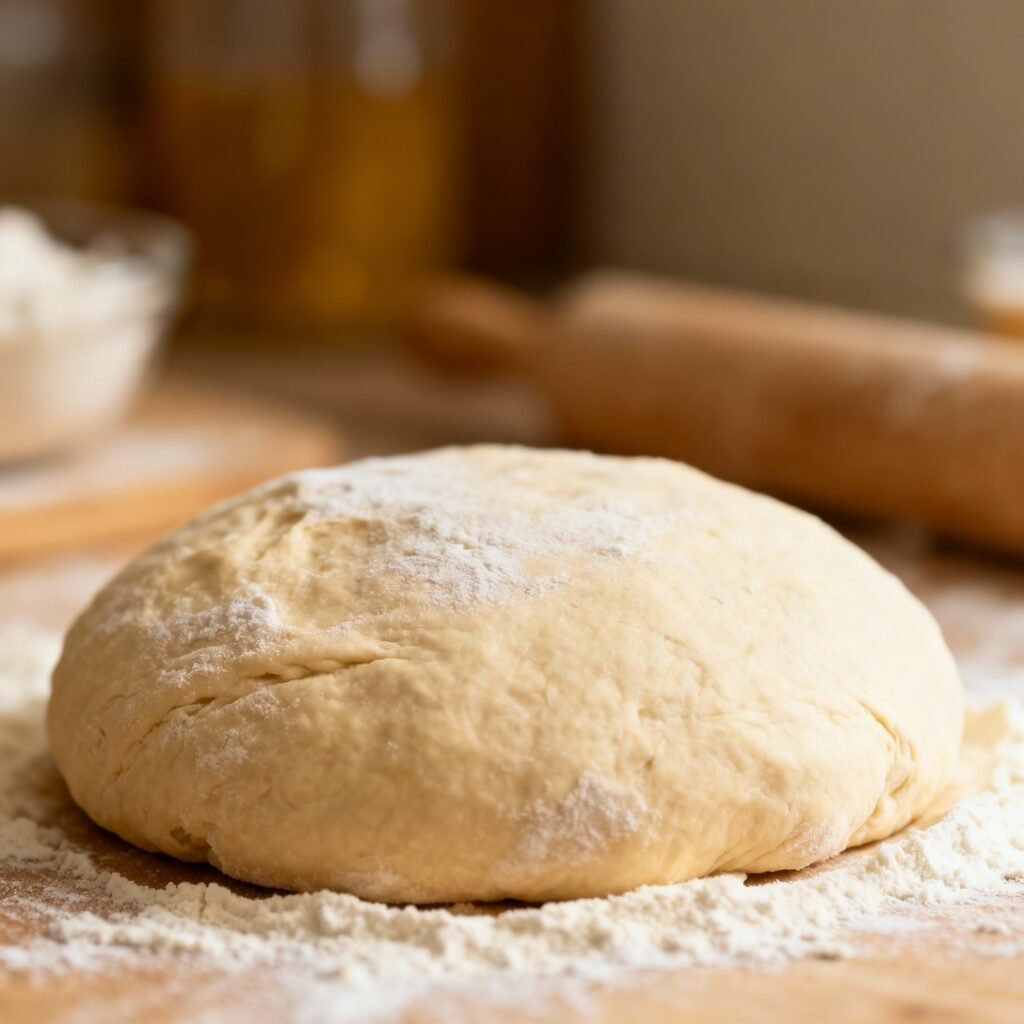
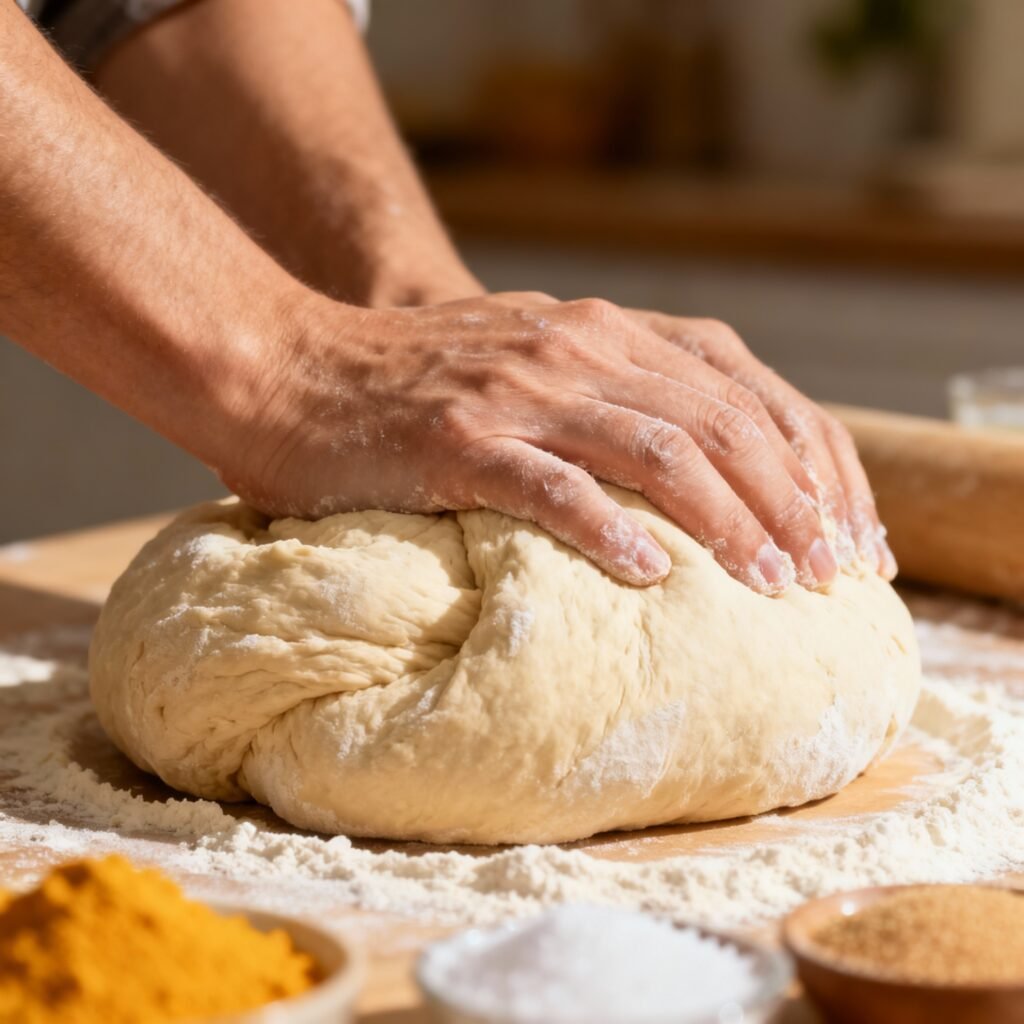
- Knead the Dough: Turn the dough out onto a lightly floured surface. Knead for 5-7 minutes, until the dough becomes smooth and elastic. If the dough is too sticky, add a little flour, one tablespoon at a time. If it’s too dry, add a little water, one teaspoon at a time.
- First Rise: Place the dough in a lightly oiled bowl, turning to coat. Cover the bowl with plastic wrap or a clean kitchen towel. Let the dough rise in a warm place for 1-1.5 hours, or until doubled in size.
- Punch Down the Dough: Gently punch down the dough to release the air.
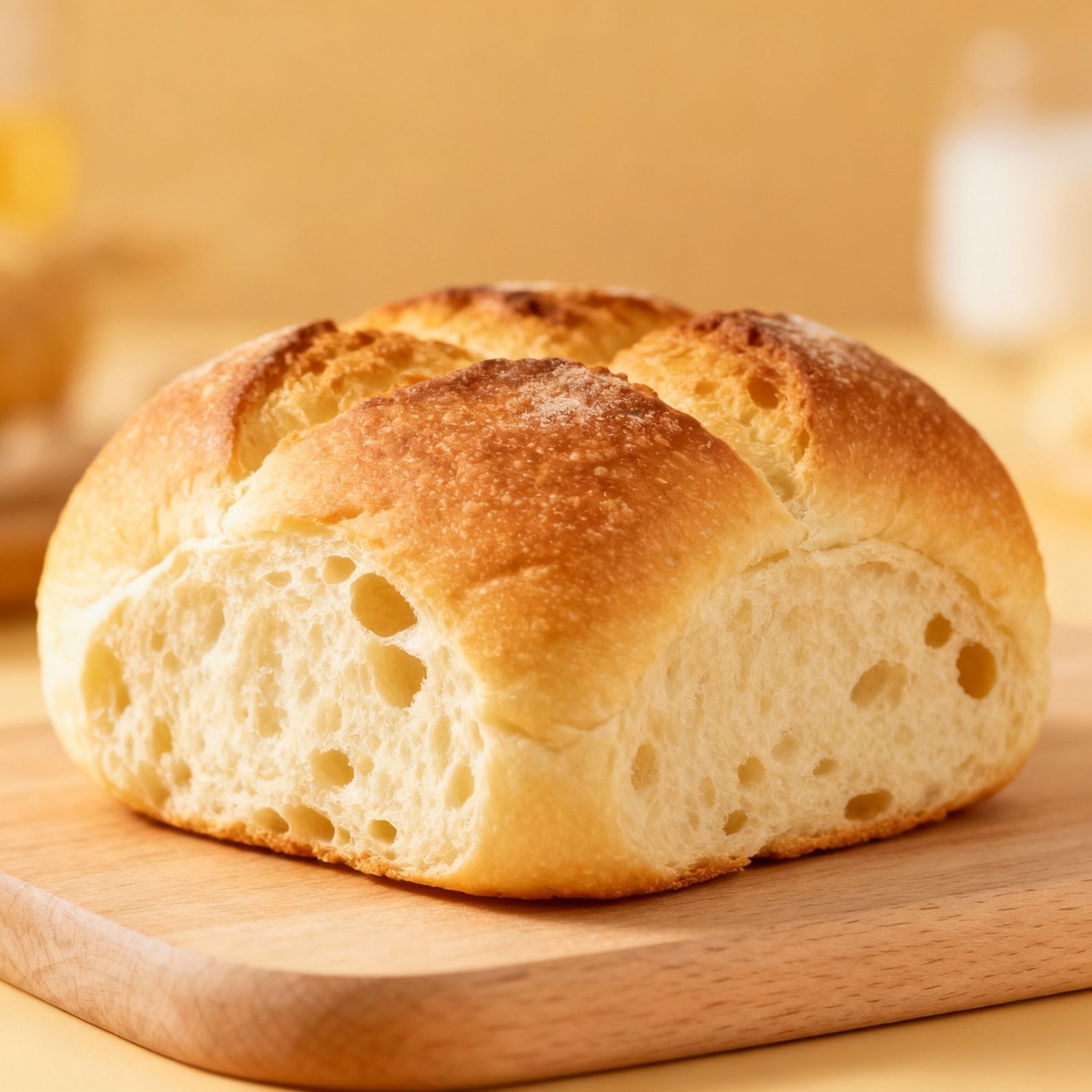
- Shape and Bake: Now your dough is ready to be shaped and baked according to your desired recipe. For pizza, roll it out and add your toppings. For bread, shape it into a loaf and bake. For rolls, divide the dough and shape into individual rolls.
Tips for Success
- Water Temperature is Key: Use a thermometer to ensure the water is between 105-115°F (40-46°C). This is crucial for activating the yeast properly.
- Don’t Overknead: Overkneading can result in a tough dough. Knead until the dough is smooth and elastic, but not longer.
- Warm Place for Rising: Find a warm, draft-free spot for the dough to rise. A slightly warm oven (turned off) or a sunny windowsill can work well.
- Adjust Flour as Needed: The amount of flour needed can vary depending on humidity. Add flour gradually until the dough reaches the desired consistency.
- Patience is a Virtue: Don’t rush the rising process. Allowing the dough to rise properly is essential for a light and airy final product.
- Use a Stand Mixer (Optional): If you have a stand mixer with a dough hook attachment, you can use it to mix and knead the dough. This will save you some elbow grease!
Storage Instructions
Unbaked Dough:
- Refrigerator: You can store the unbaked dough in the refrigerator for up to 24 hours. Punch it down before using.
- Freezer: For longer storage, wrap the unbaked dough tightly in plastic wrap and then in foil or a freezer bag. It can be stored in the freezer for up to 2 months. Thaw overnight in the refrigerator before using.
Baked Goods:
- Store baked goods in an airtight container at room temperature for 2-3 days.
- For longer storage, freeze baked goods wrapped tightly in plastic wrap and then in foil or a freezer bag.
FAQ
Q: Can I use instant yeast instead of active dry yeast?
A: Yes, you can. If using instant yeast, you can skip the activation step and add it directly to the dry ingredients.
Q: What if my dough doesn’t rise?
A: Several factors can prevent dough from rising: the yeast may be old, the water may have been too hot or too cold, or the dough may not have been placed in a warm enough environment. Make sure your yeast is fresh, your water temperature is correct, and find a warm place for the dough to rise.
Q: Can I make this dough gluten-free?
A: While this recipe is designed for all-purpose flour, you can experiment with gluten-free flour blends. However, you may need to adjust the liquid content and add a binder like xanthan gum to help with the structure.
Q: Can I add herbs or spices to this dough?
A: Absolutely! Adding herbs like rosemary, thyme, or oregano, or spices like garlic powder or onion powder, can add a delicious flavor dimension to your dough. Add them to the dry ingredients before mixing.
Q: My dough is too sticky, what should I do?
A: Add flour one tablespoon at a time until the dough is manageable. Be careful not to add too much, as this can result in a dry dough.
Conclusion
Congratulations! You’ve now mastered an easy and versatile dough recipe that will open up a world of baking possibilities. From pizzas and breads to rolls and pastries, the only limit is your imagination. So, grab your apron, get baking, and enjoy the delightful satisfaction of creating something delicious from scratch. Happy baking!