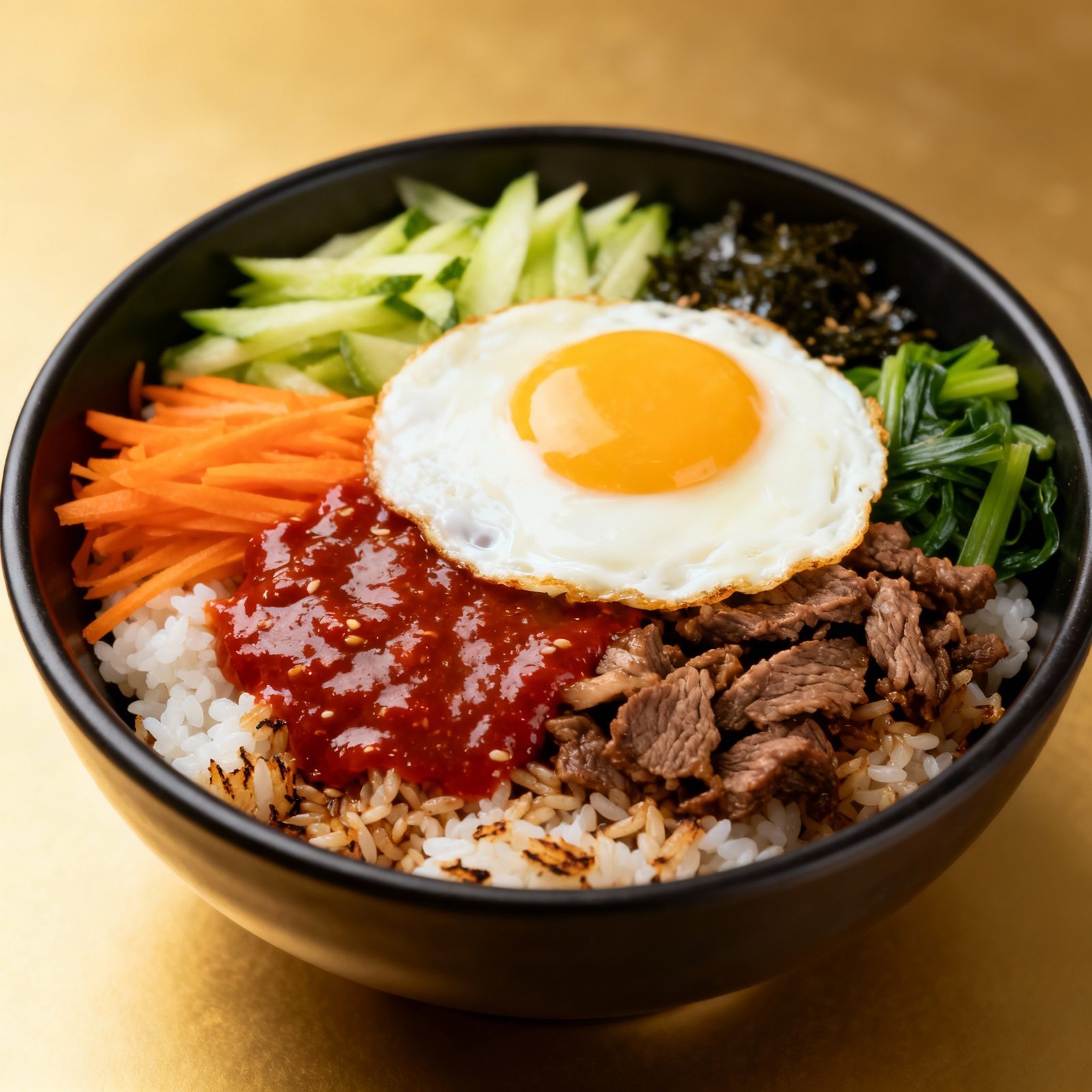
Easy Bibimbap Recipe: Your Weeknight Korean Feast!
Craving the vibrant flavors and satisfying textures of Bibimbap, but don’t want to spend hours in the kitchen? You’re in the right place! This easy Bibimbap recipe delivers all the deliciousness of the classic Korean mixed rice dish without the fuss. We’ve streamlined the process, using readily available ingredients and clever shortcuts to get dinner on the table in under an hour. Get ready for a colorful, customizable, and utterly addictive meal!
Why This Recipe Works
Traditional Bibimbap can involve a lengthy list of ingredients and meticulous preparation. This recipe simplifies things without sacrificing flavor. Here’s how:
- Simplified Vegetable Prep: Instead of individually preparing 5-7 different vegetables, we focus on a core set of readily available options and offer suggestions for easy substitutions.
- Quick Gochujang Sauce: Our gochujang sauce is a simple blend of gochujang (Korean chili paste), sesame oil, soy sauce, and a touch of sweetness. No complicated fermentation or lengthy simmering required!
- Versatile Protein: While bulgogi (Korean BBQ beef) is a popular choice, we offer options for ground beef, chicken, tofu, or even a fried egg for a vegetarian alternative.
- Emphasis on Freshness: We focus on fresh, vibrant ingredients that provide maximum flavor with minimal effort.
- Customizable to Your Taste: This recipe is a template! Feel free to swap out vegetables, adjust the spice level, and add your favorite toppings.
Ingredients
- Rice: 2 cups cooked white rice (day-old rice works best)
- Protein: 1 pound ground beef (or your choice of protein, see notes below)
- Spinach: 5 ounces fresh spinach
- Carrots: 1 large carrot, julienned or shredded
- Shiitake Mushrooms: 4 ounces shiitake mushrooms, sliced
- Bean Sprouts: 4 ounces bean sprouts
- Egg: 2 large eggs (optional, for topping)
- Sesame Oil: 2 tablespoons, divided
- Soy Sauce: 2 tablespoons
- Garlic: 2 cloves, minced
- Sugar: 1 tablespoon
- Gochujang (Korean Chili Paste): 2 tablespoons (adjust to taste)
- Rice Vinegar: 1 tablespoon
- Toasted Sesame Seeds: 1 tablespoon, for garnish
- Vegetable Oil: 1 tablespoon
- Salt and Pepper: To taste
Protein Notes:
- Ground Beef: Browned and seasoned with soy sauce, garlic, and a touch of sugar.
- Chicken: Cooked and shredded or diced. Marinate in soy sauce, garlic, and sesame oil for extra flavor.
- Tofu: Pressed, cubed, and pan-fried until golden brown.
- Fried Egg: A classic Bibimbap topping! Fry an egg sunny-side up or over easy.
Instructions
- Cook the Rice: If you haven’t already, cook the rice according to package directions. Let it cool slightly while you prepare the other ingredients.
- Prepare the Vegetables:
- Spinach: Blanch the spinach in boiling water for 30 seconds. Drain immediately and rinse with cold water. Squeeze out excess water and chop roughly. Toss with 1 teaspoon sesame oil and a pinch of salt.
- Carrots: Julienne or shred the carrots. You can leave them raw or lightly sauté them in a pan with a little oil for a minute or two.
- Shiitake Mushrooms: Sauté the sliced shiitake mushrooms in 1 tablespoon of vegetable oil until softened and lightly browned. Season with salt and pepper.
- Bean Sprouts: Blanch the bean sprouts in boiling water for 1 minute. Drain and rinse with cold water. Toss with 1 teaspoon sesame oil and a pinch of salt.
- Cook the Protein:
- Ground Beef: Heat 1 tablespoon of vegetable oil in a skillet over medium-high heat. Add the ground beef and cook, breaking it up with a spoon, until browned. Drain off any excess grease. Stir in 1 tablespoon soy sauce, 1 minced clove of garlic, and 1 teaspoon of sugar. Cook for another minute until the sauce is absorbed.
- Other Proteins: Prepare your chosen protein according to your preferred method. Remember to season it well!
- Make the Gochujang Sauce: In a small bowl, whisk together the gochujang, remaining 1 tablespoon soy sauce, remaining 1 clove minced garlic, rice vinegar, remaining 1 teaspoon sugar, and remaining 1 tablespoon sesame oil.
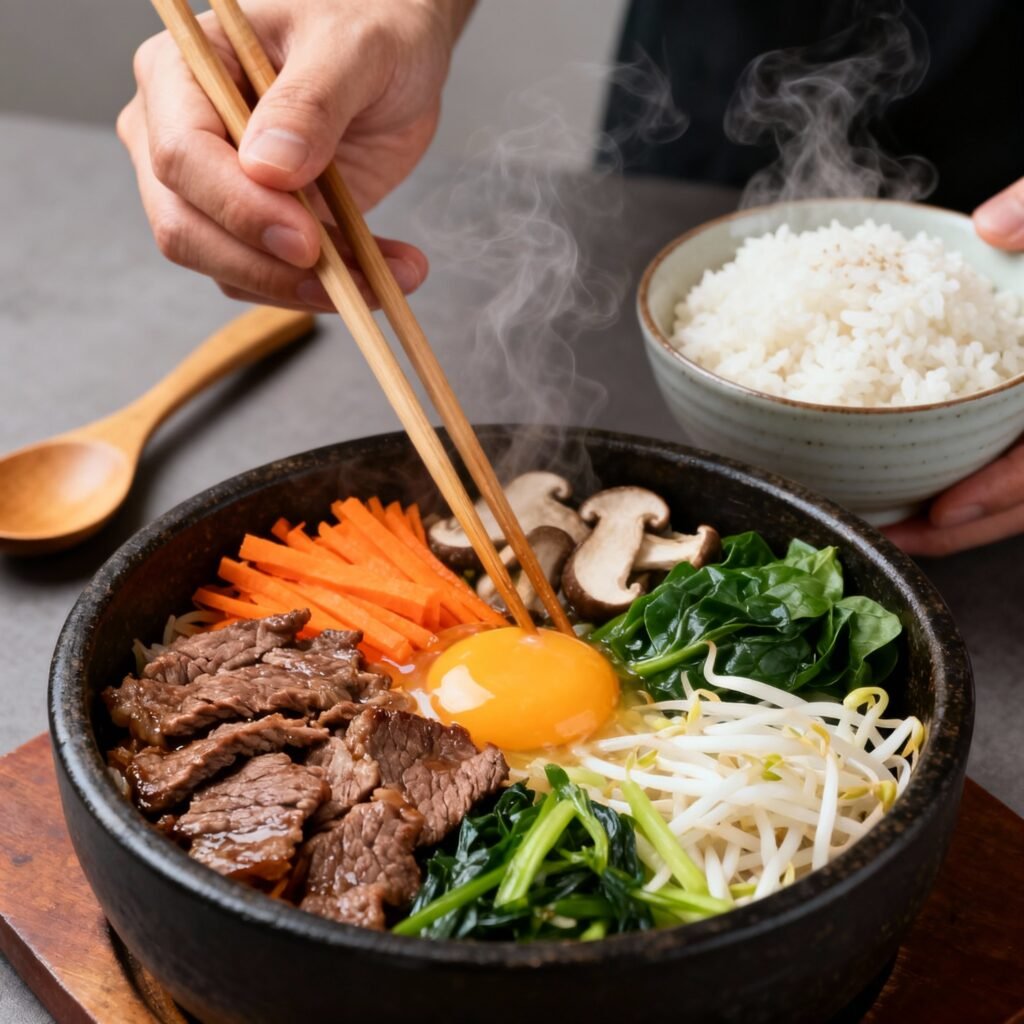
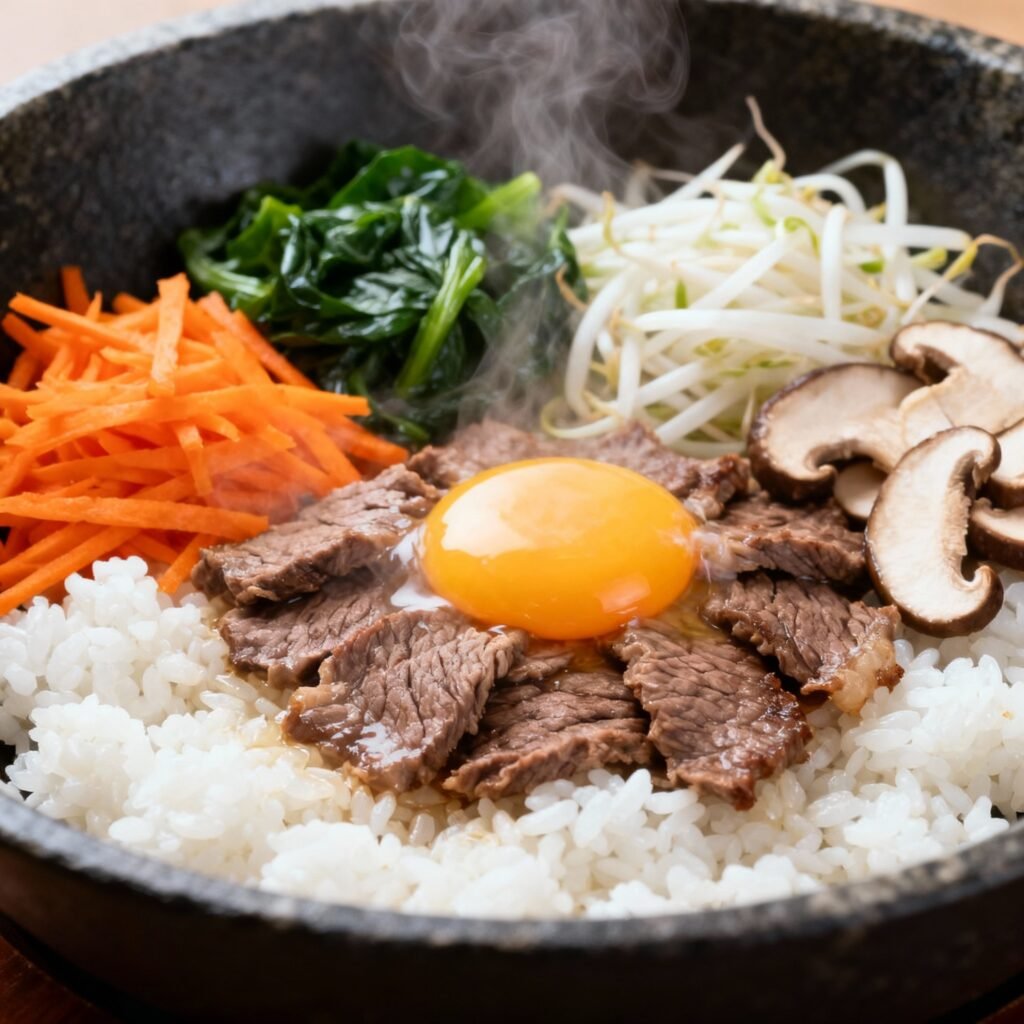
- Assemble the Bibimbap: Divide the cooked rice among individual bowls. Arrange the prepared vegetables and protein attractively on top of the rice. Drizzle generously with the gochujang sauce.
- Add Toppings (Optional): Top with a fried egg (if using) and sprinkle with toasted sesame seeds.
- Serve and Enjoy! Encourage everyone to mix the ingredients together thoroughly before eating. The fun is in the mixing!
Tips for Success
- Rice is Key: Day-old rice is ideal because it’s slightly drier and holds its shape better when mixed.
- Don’t Overcook the Vegetables: You want them to retain some of their crunch and freshness.
- Adjust the Spice Level: Gochujang can be quite spicy, so start with a smaller amount and add more to taste.
- Get Creative with Toppings: Kimchi, pickled vegetables, and seaweed are all great additions.
- Make it a Party: Bibimbap is a fun dish to make with friends or family. Everyone can customize their own bowl!
Storage Instructions
Leftover Bibimbap can be stored in an airtight container in the refrigerator for up to 3 days. It’s best to store the rice, vegetables, and protein separately to prevent the rice from becoming soggy. Reheat the components separately and assemble just before serving. The gochujang sauce can be stored in the refrigerator for up to a week.
FAQ
- Can I make this vegetarian/vegan? Yes! Substitute the ground beef with tofu or mushrooms. Make sure your gochujang is vegan (some brands contain fish sauce). Omit the egg or replace it with avocado.
- Where can I find gochujang? Gochujang is available at most Asian grocery stores and some well-stocked supermarkets. You can also find it online.
- Can I use different vegetables? Absolutely! Feel free to substitute vegetables based on your preferences and what you have on hand. Cucumber, zucchini, and bell peppers are all good options.
- Can I make this ahead of time? You can prepare the vegetables and protein ahead of time and store them separately in the refrigerator. Assemble the Bibimbap just before serving.
- Is Bibimbap healthy? Bibimbap can be a very healthy meal, packed with vegetables, protein, and complex carbohydrates. However, it can also be high in sodium and sugar, depending on the ingredients and sauces used. Adjust the recipe to your dietary needs and preferences.
Conclusion
This easy Bibimbap recipe is a fantastic way to enjoy a delicious and satisfying Korean meal without spending hours in the kitchen. It’s customizable, versatile, and perfect for weeknight dinners. So gather your ingredients, get cooking, and prepare to be amazed by the explosion of flavors and textures in every bite! Enjoy!