Fish Eggs Recipe: A Delicious Dive into Caviar’s Humble Cousin
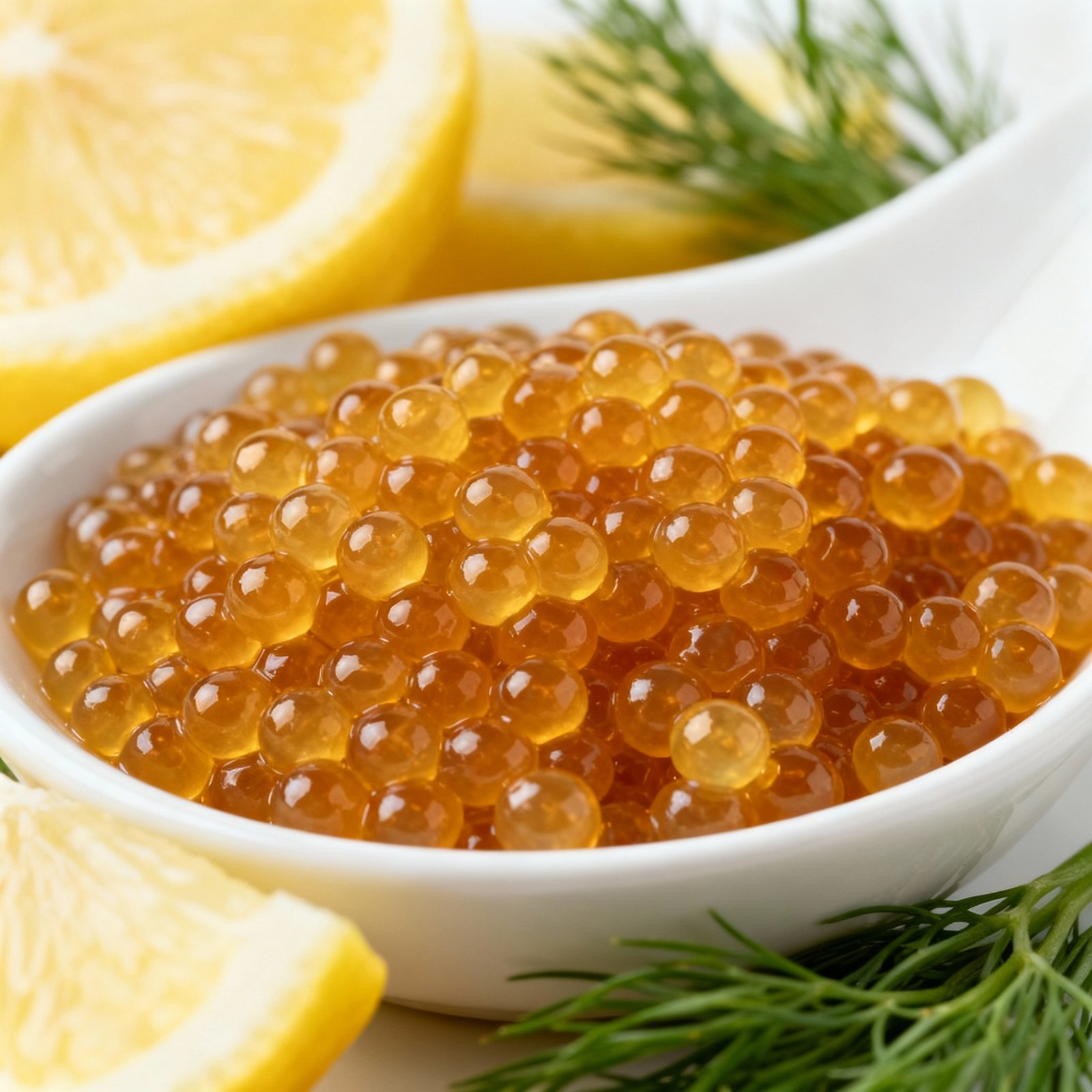
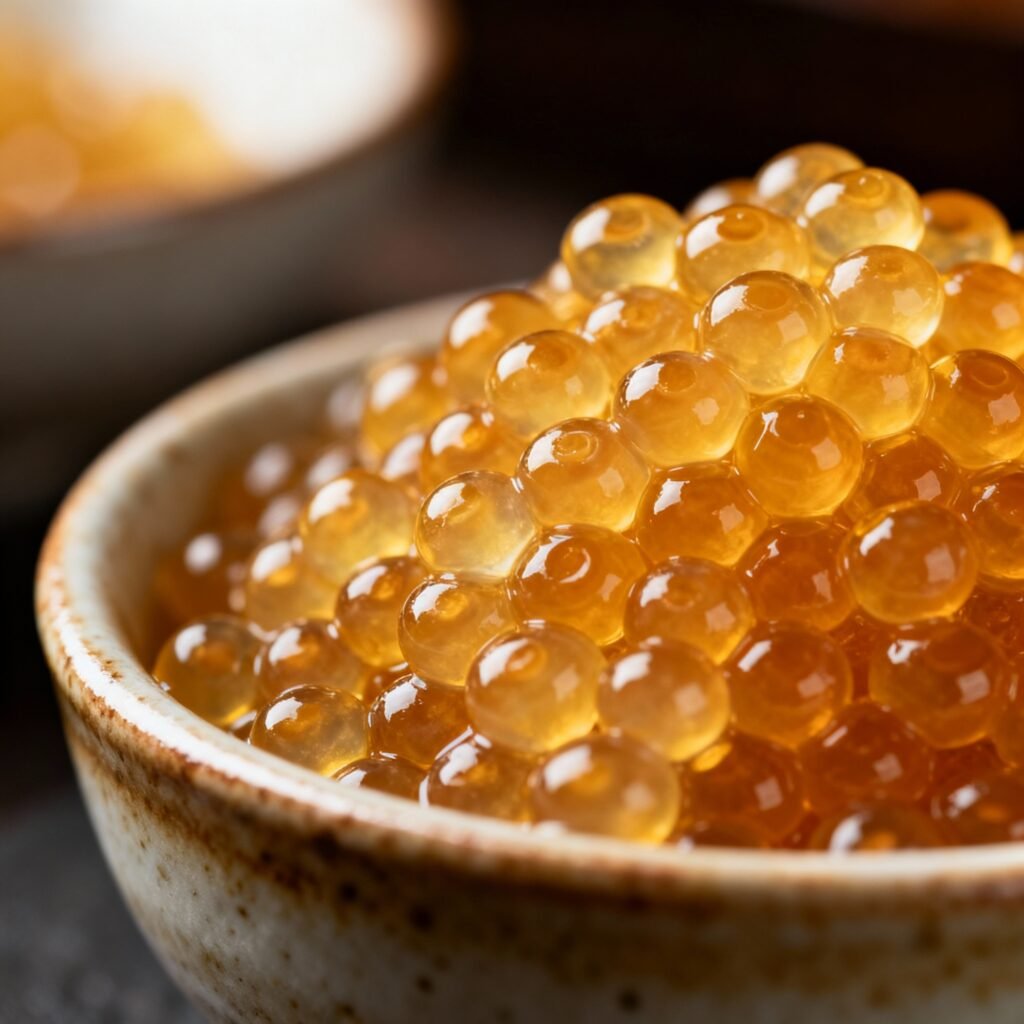
Fish eggs, also known as roe, are a culinary delicacy enjoyed around the world. Often overshadowed by the luxurious image of caviar, these tiny spheres of flavor offer a more accessible and versatile way to experience the unique taste of the sea. This recipe provides a simple yet elegant method for preparing fish eggs, showcasing their delicate flavor and satisfying texture. Whether you’re a seasoned gourmand or a curious newcomer, this dish is sure to impress.
Why This Recipe Works
This recipe focuses on highlighting the natural flavors of the fish eggs. We achieve this through gentle cooking and minimal seasoning, allowing the roe to truly shine. The light poaching method ensures the eggs retain their delicate texture and don’t become rubbery. A touch of lemon juice brightens the flavor profile and complements the subtle brininess of the roe. The recipe is also incredibly versatile, allowing you to customize the presentation and accompaniments to your liking. Whether served on toast points, blinis, or simply enjoyed with a spoon, these perfectly prepared fish eggs are a guaranteed crowd-pleaser.
Ingredients
- 4 ounces (115g) Fish Eggs: Choose your preferred type of roe. Salmon roe (ikura) is a popular choice with a vibrant color and distinct flavor. Tobiko (flying fish roe) offers a crunchy texture and mild taste, while masago (capelin roe) is a more affordable option with a similar profile.
- 1 cup Water: Used for poaching the roe.
- 1 tablespoon Lemon Juice: Adds brightness and cuts through any fishiness.
- 1 teaspoon Olive Oil (optional): Helps prevent sticking and adds a subtle richness.
- Pinch of Sea Salt: Enhances the natural flavors of the roe.
- Freshly Ground Black Pepper (optional): Adds a touch of warmth and complexity.
- Garnish (optional): Chopped fresh chives, dill, or parsley for visual appeal and added flavor.
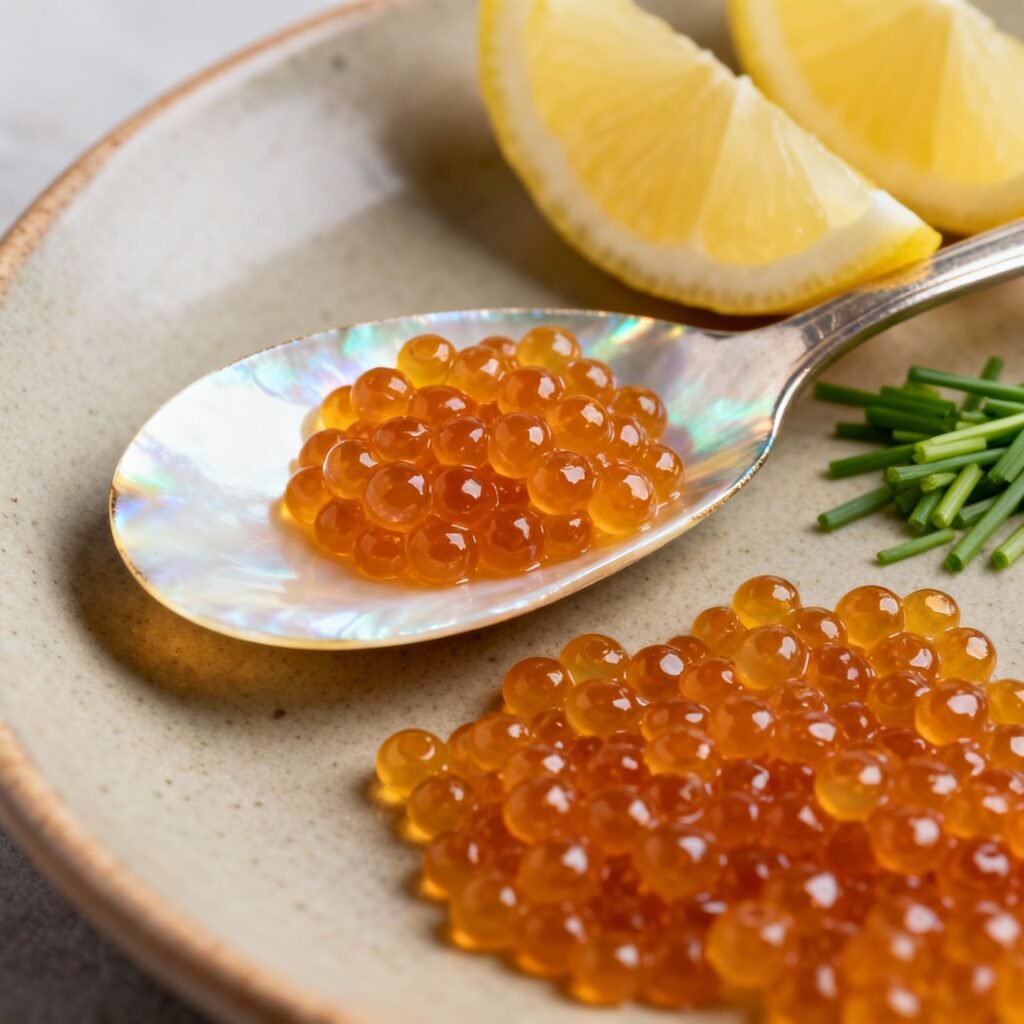
- Serving Suggestions (optional): Toast points, blinis, crackers, crème fraîche, sour cream, chopped red onion, hard-boiled egg yolks (finely chopped).
Instructions
- Prepare the Poaching Liquid: In a small saucepan, combine the water and lemon juice. Add the olive oil (if using) and a pinch of salt.
- Heat the Liquid: Bring the mixture to a gentle simmer over medium heat. Do not boil. The water should be barely moving.
- Poach the Fish Eggs: Carefully add the fish eggs to the simmering water. Be gentle to avoid breaking the eggs.
- Cook Briefly: Poach the fish eggs for only 30-60 seconds, depending on the type and size of the roe. They should slightly firm up and become more opaque. Overcooking will result in rubbery eggs.
- Drain Immediately: Immediately remove the fish eggs from the saucepan using a slotted spoon or fine-mesh sieve. Drain thoroughly to remove excess water.
- Season (Optional): Gently season with a pinch of salt and pepper to taste. Be mindful that some roe is already quite salty.
- Chill (Optional): For optimal flavor and texture, chill the poached fish eggs in the refrigerator for at least 30 minutes before serving. This allows the flavors to meld and the texture to firm up further.
- Serve: Serve the chilled fish eggs on toast points, blinis, crackers, or as part of a more elaborate appetizer platter. Garnish with chopped fresh herbs, such as chives, dill, or parsley, for added visual appeal and flavor. Consider accompaniments like crème fraîche, sour cream, chopped red onion, and hard-boiled egg yolks.
Tips for Success
- Use Fresh, High-Quality Fish Eggs: The quality of the roe directly impacts the final taste and texture. Purchase from a reputable source to ensure freshness.
- Don’t Overcook: Overcooking is the biggest mistake you can make. The fish eggs should be poached very briefly, just until they firm up slightly.
- Gentle Handling: Fish eggs are delicate. Handle them with care throughout the entire process to avoid breaking them.
- Adjust Seasoning Carefully: Roe can be naturally salty, so taste before adding any additional salt.
- Experiment with Accompaniments: Don’t be afraid to get creative with your serving suggestions. The possibilities are endless!
- Consider the Type of Roe: Different types of roe have different flavor profiles and textures. Research the specific type you are using and adjust the cooking time accordingly. For example, smaller roe like tobiko might require even less poaching time.
- Use a Non-Reactive Pan: Avoid using aluminum pans, as they can react with the roe and impart a metallic taste. Stainless steel or enamel-coated pans are ideal.
Storage Instructions
Cooked fish eggs are best enjoyed immediately. However, if you have leftovers, store them in an airtight container in the refrigerator for up to 24 hours. Be aware that the texture may change slightly upon refrigeration. It is not recommended to freeze cooked fish eggs, as this will significantly alter their texture and flavor.
FAQ
- What type of fish eggs should I use? The best type depends on your personal preference and budget. Salmon roe (ikura) is a popular choice, while tobiko and masago are more affordable options.
- Can I use frozen fish eggs? Yes, but thaw them completely in the refrigerator before cooking. Be aware that the texture may be slightly softer than fresh roe.
- How do I know when the fish eggs are cooked? They should slightly firm up and become more opaque. Avoid overcooking, as this will make them rubbery.
- Can I add other seasonings? Yes, feel free to experiment with other seasonings such as a dash of soy sauce, wasabi paste, or chili flakes.
- What is the difference between roe and caviar? Caviar refers specifically to the eggs of sturgeon. Roe is a more general term for fish eggs. Caviar is typically more expensive and has a more complex flavor profile.
- Are fish eggs healthy? Yes, fish eggs are a good source of protein, omega-3 fatty acids, and vitamins.
Conclusion
This simple fish eggs recipe opens up a world of culinary possibilities. By following these easy steps, you can create a delicious and impressive dish that is perfect for appetizers, snacks, or even a light meal. So, embrace the delightful taste of the sea and dive into the world of fish eggs – you might just discover your new favorite delicacy!