Flakey Biscuit Recipe: The Secret to Sky-High, Buttery Perfection
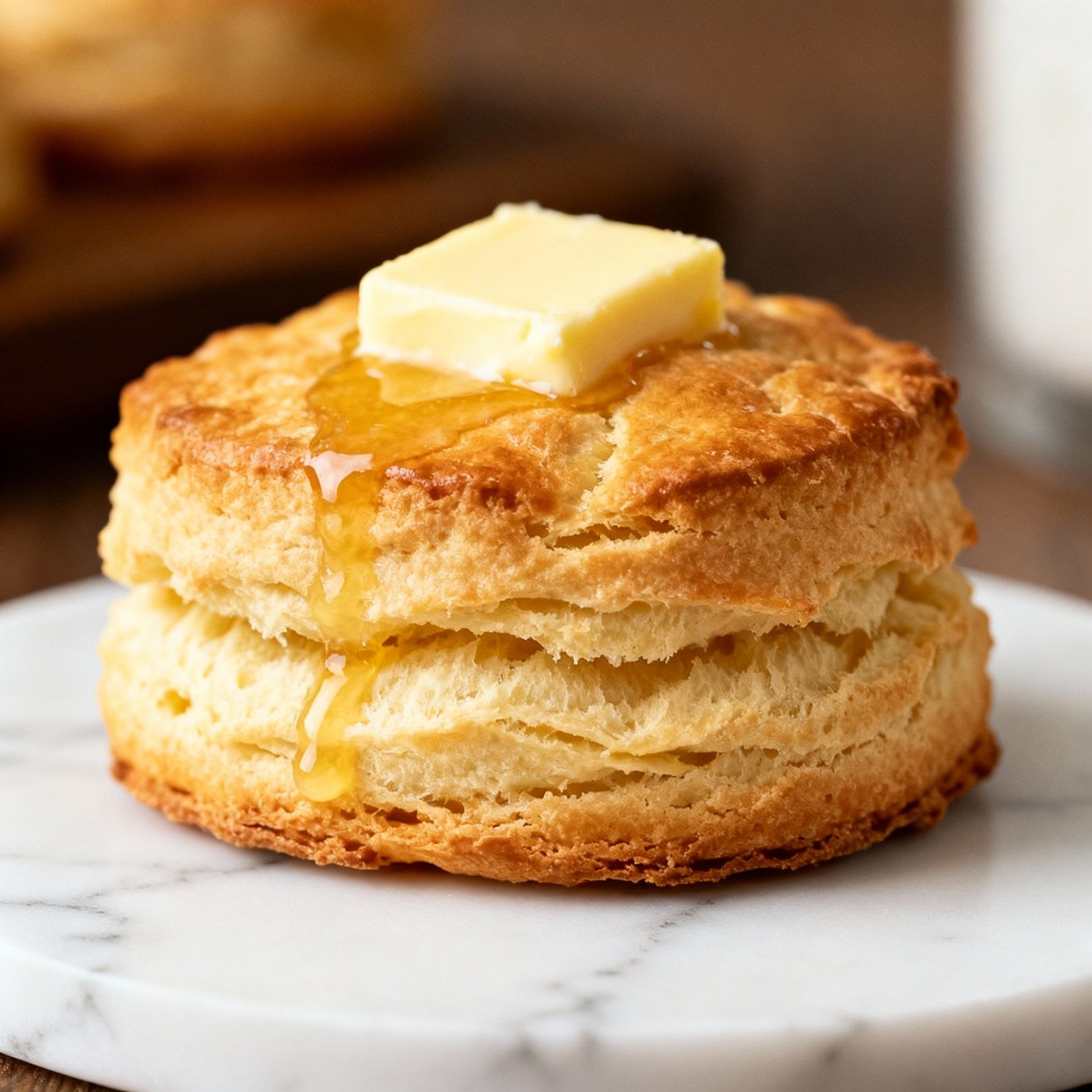
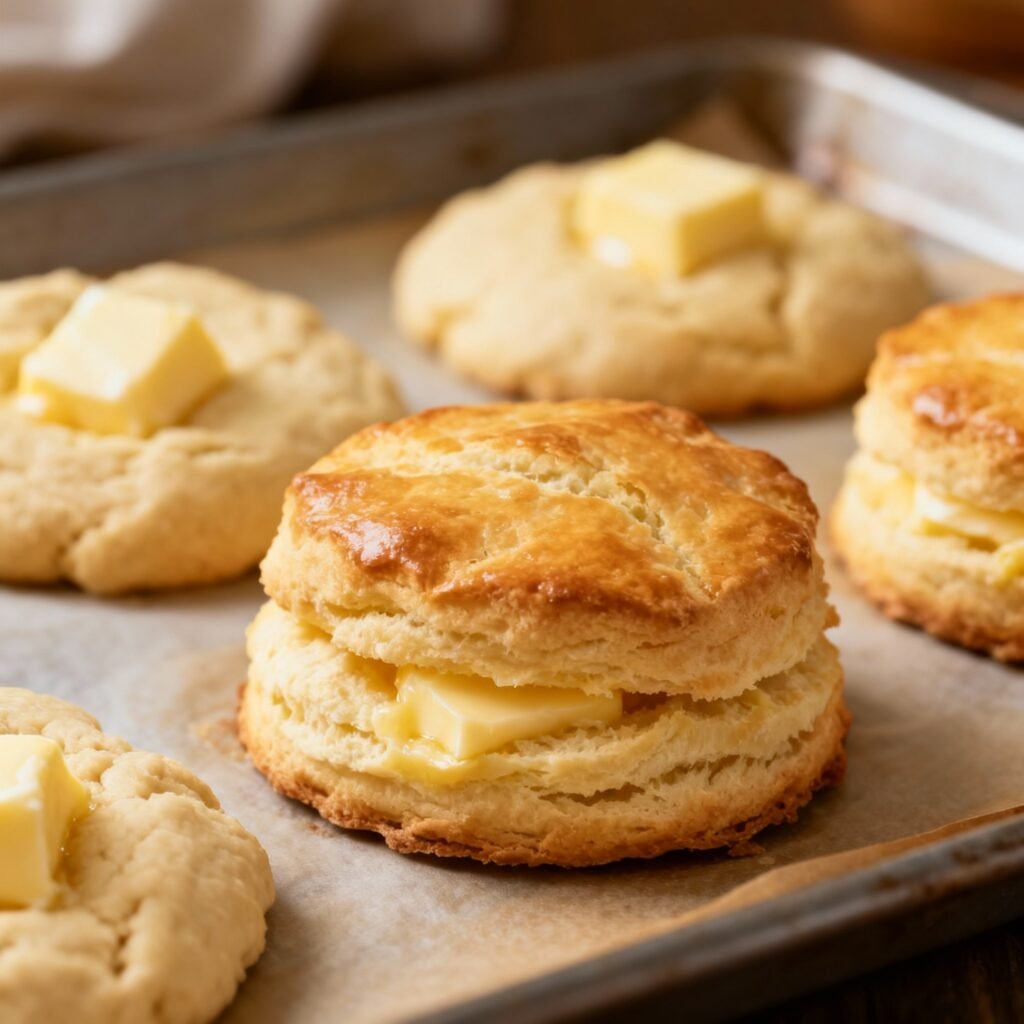
Is there anything more comforting than a warm, flakey biscuit fresh from the oven? The aroma alone can transport you to a cozy Southern kitchen, no matter where you are. But achieving that perfect balance of tender interior and impossibly flaky layers can feel like a culinary challenge. Fear not! This recipe unlocks the secrets to consistently producing sky-high, buttery biscuits that will impress even the most discerning biscuit connoisseur. Get ready to ditch the canned dough and embrace the joy of homemade goodness!
Why This Recipe Works
This recipe isn’t just a list of ingredients; it’s a carefully crafted method designed to maximize flakiness and flavor. Here’s the breakdown of why this recipe consistently delivers perfect biscuits:
- Cold Ingredients are Key: We emphasize using ice-cold butter and buttermilk. Cold ingredients prevent the butter from melting prematurely, creating pockets of fat that steam during baking, resulting in those beautiful, distinct layers.
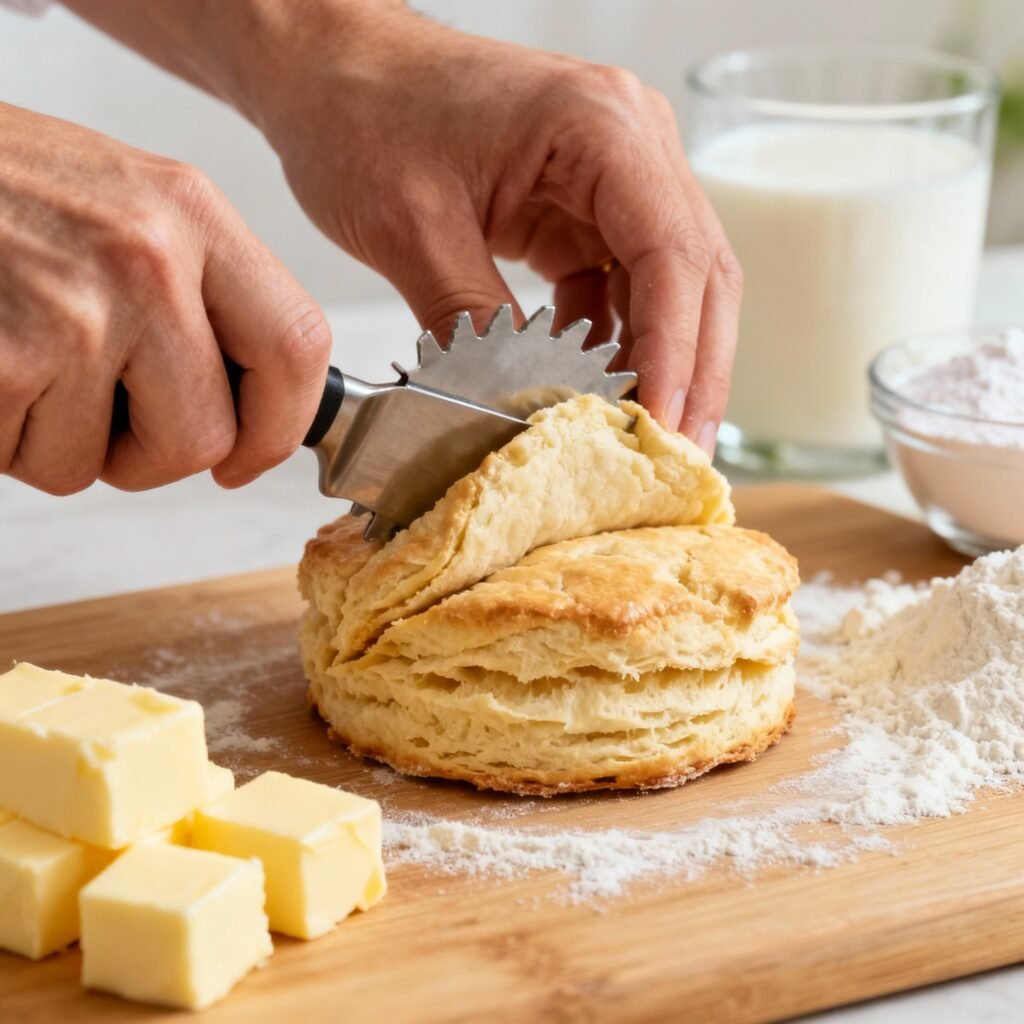
- The Lamination Technique: Similar to making puff pastry, we incorporate a folding and turning process. This creates numerous thin layers of dough separated by butter, which expand in the oven to produce a light and airy texture.
- Gentle Handling: Overmixing develops gluten, leading to tough biscuits. We use a light hand throughout the process to ensure a tender crumb.
- High Baking Temperature: A hot oven provides a quick burst of heat that helps the biscuits rise rapidly and develop a golden-brown crust.
- Buttermilk Magic: Buttermilk adds a subtle tang and helps tenderize the dough, contributing to a more delicate texture. The acidity also reacts with the baking powder, creating extra lift.
Ingredients
- 2 cups all-purpose flour, plus more for dusting
- 1 tablespoon baking powder
- 1 teaspoon salt
- 1/2 teaspoon baking soda
- 1/2 cup (1 stick) unsalted butter, very cold and cut into 1/2-inch cubes
- 3/4 cup cold buttermilk
Instructions
- Prepare the Dry Ingredients: In a large bowl, whisk together the flour, baking powder, salt, and baking soda. This ensures even distribution of the leavening agents.
- Cut in the Butter: Add the cold butter cubes to the flour mixture. Using a pastry blender or your fingertips, cut the butter into the flour until the mixture resembles coarse crumbs. You should still see small pieces of butter throughout. The size of the butter pieces is crucial for creating those flaky layers.
- Add the Buttermilk: Make a well in the center of the flour mixture and pour in the cold buttermilk. Gently stir with a fork until just combined. Do not overmix! The dough will be shaggy and slightly sticky.
- Turn Out the Dough: Lightly flour a clean work surface. Turn the dough out onto the floured surface and gently pat it into a rectangle, about 1 inch thick.
- The Lamination Process: Fold the dough in thirds, like a letter. This is the first fold. Gently pat the dough back into a 1-inch thick rectangle. Repeat the folding process two more times, for a total of three folds. This creates the layers of butter and dough that will result in flaky biscuits.
- Cut Out the Biscuits: After the final fold, gently pat the dough into a 3/4-inch to 1-inch thick rectangle. Use a 2-inch biscuit cutter (or a sharp knife) to cut out the biscuits. Press straight down; avoid twisting the cutter, as this can seal the edges and prevent them from rising properly.
- Arrange on Baking Sheet: Place the biscuits on an ungreased baking sheet, close together but not touching. Placing them close together helps them rise higher.
- Chill (Optional, but Recommended): For even better results, chill the biscuits in the refrigerator for 15-30 minutes before baking. This allows the butter to firm up again, resulting in even more distinct layers.
- Bake: Preheat oven to 450°F (232°C). Bake for 12-15 minutes, or until the biscuits are golden brown on top.
- Serve: Remove the biscuits from the oven and let them cool slightly on the baking sheet before serving. Enjoy warm with butter, jam, or your favorite toppings.
Tips for Success
- Keep Everything Cold: This is the most important tip! Chill your flour, buttermilk, and even your bowl and pastry blender if possible.
- Don’t Overmix: Overmixing develops gluten, leading to tough biscuits. Mix just until the ingredients are combined.
- Use a Light Hand: When folding and patting the dough, be gentle. Avoid pressing down too hard, which can compress the layers.
- Don’t Twist the Cutter: Twisting the biscuit cutter seals the edges of the dough, preventing them from rising properly. Press straight down and lift the cutter.
- High-Quality Ingredients: Using high-quality butter will result in a richer, more flavorful biscuit.
- Experiment with Flavors: Once you’ve mastered the basic recipe, try adding cheese, herbs, or spices to customize your biscuits.
Storage Instructions
Baked Biscuits: Store leftover biscuits in an airtight container at room temperature for up to 2 days. To reheat, wrap in foil and warm in a 350°F (175°C) oven for 5-10 minutes. You can also microwave them for a few seconds, but they will lose some of their crispness.
Unbaked Biscuits: You can freeze unbaked biscuits for up to 2 months. Place the cut-out biscuits on a baking sheet lined with parchment paper and freeze until solid. Then, transfer them to a freezer bag. When ready to bake, bake from frozen, adding a few extra minutes to the baking time.
FAQ
Q: Can I use self-rising flour?
A: We don’t recommend using self-rising flour for this recipe. It already contains baking powder and salt, and using it would throw off the balance of ingredients, potentially resulting in overly salty or overly leavened biscuits.
Q: Can I use regular milk instead of buttermilk?
A: While you can substitute regular milk, the biscuits will not be as tender or flavorful. To make a buttermilk substitute, add 1 tablespoon of lemon juice or white vinegar to a measuring cup and fill with milk to reach 3/4 cup. Let it sit for 5 minutes before using.
Q: My biscuits didn’t rise very high. What went wrong?
A: Several factors can contribute to flat biscuits. Make sure your baking powder is fresh, you didn’t overmix the dough, and your oven temperature is accurate. Also, avoid twisting the biscuit cutter.
Q: Can I make these biscuits ahead of time?
A: Yes! You can prepare the dough up to the cutting stage, then wrap it tightly in plastic wrap and refrigerate for up to 24 hours. You can also freeze the cut-out biscuits as described in the storage instructions.
Conclusion
With this recipe and these tips, you’re well on your way to mastering the art of making flakey, sky-high biscuits. Don’t be intimidated by the process; with a little practice, you’ll be churning out batches of buttery perfection in no time. So, gather your ingredients, preheat your oven, and get ready to experience the joy of homemade biscuits. Happy baking!