Gai Lan Recipe: The Secret to Perfectly Tender & Delicious Chinese Broccoli
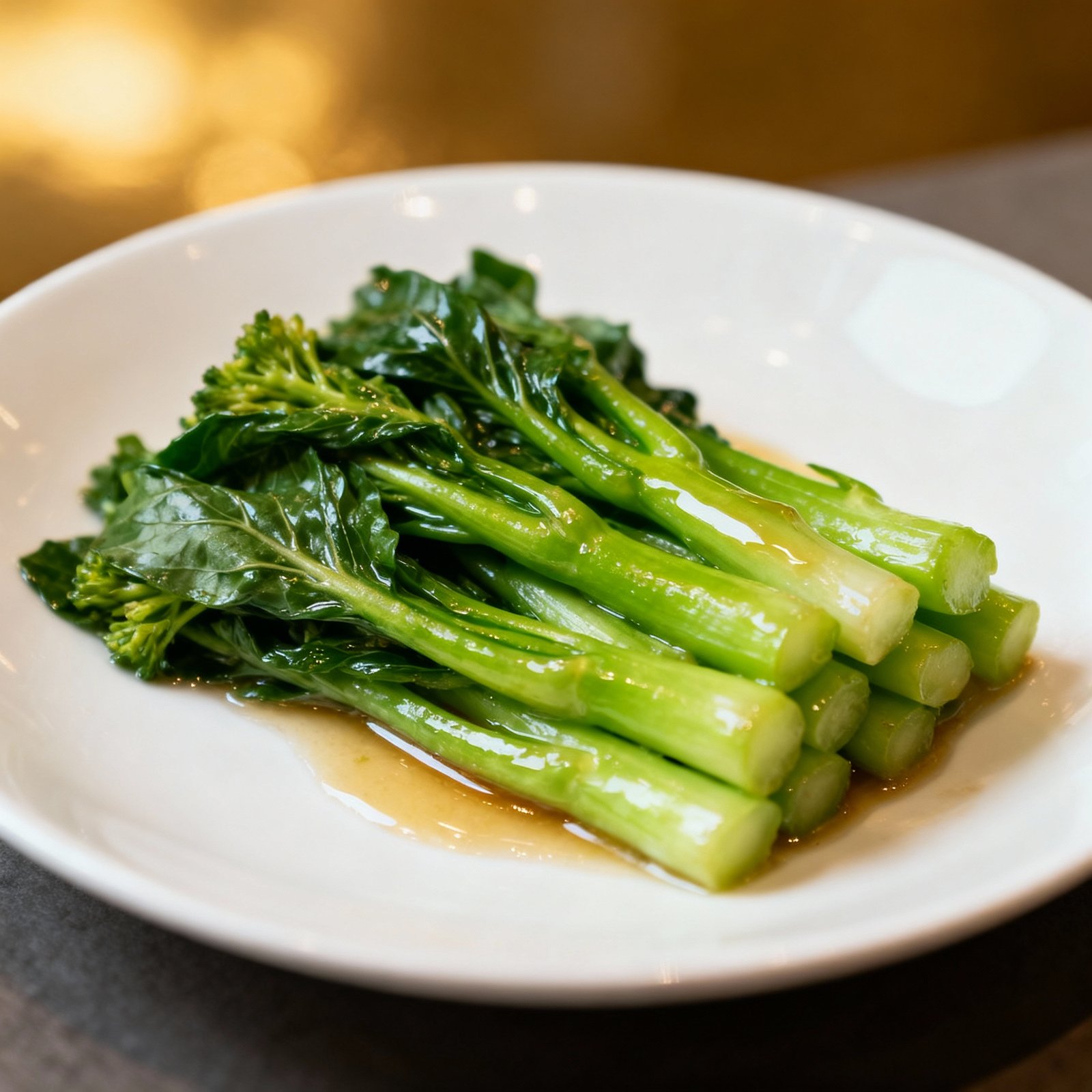
Gai lan, also known as Chinese broccoli, is a nutritional powerhouse and a staple in Asian cuisine. Its slightly bitter leaves and thick, crunchy stems offer a delightful contrast in texture and flavor. However, achieving that perfect balance – tender leaves and crisp-tender stems – can be tricky. This recipe unlocks the secrets to cooking gai lan that’s both delicious and easy to prepare, making it a weeknight favorite.
Why This Recipe Works
This recipe focuses on simplicity and technique to bring out the best in gai lan. Here’s why it works:
- Blanching: Briefly blanching the gai lan before stir-frying helps to pre-cook the stems, ensuring they become tender without overcooking the leaves. It also intensifies the vibrant green color.
- High Heat: Stir-frying over high heat is crucial for achieving that characteristic “wok hei” (breath of the wok) flavor and maintaining the vegetables’ crispness.
- Simple Sauce: A light and flavorful sauce made with soy sauce, oyster sauce (optional), and a touch of sesame oil complements the natural taste of the gai lan without overpowering it.
- Garlic and Ginger: Aromatics like garlic and ginger add depth and complexity to the dish, enhancing the overall flavor profile.
Ingredients
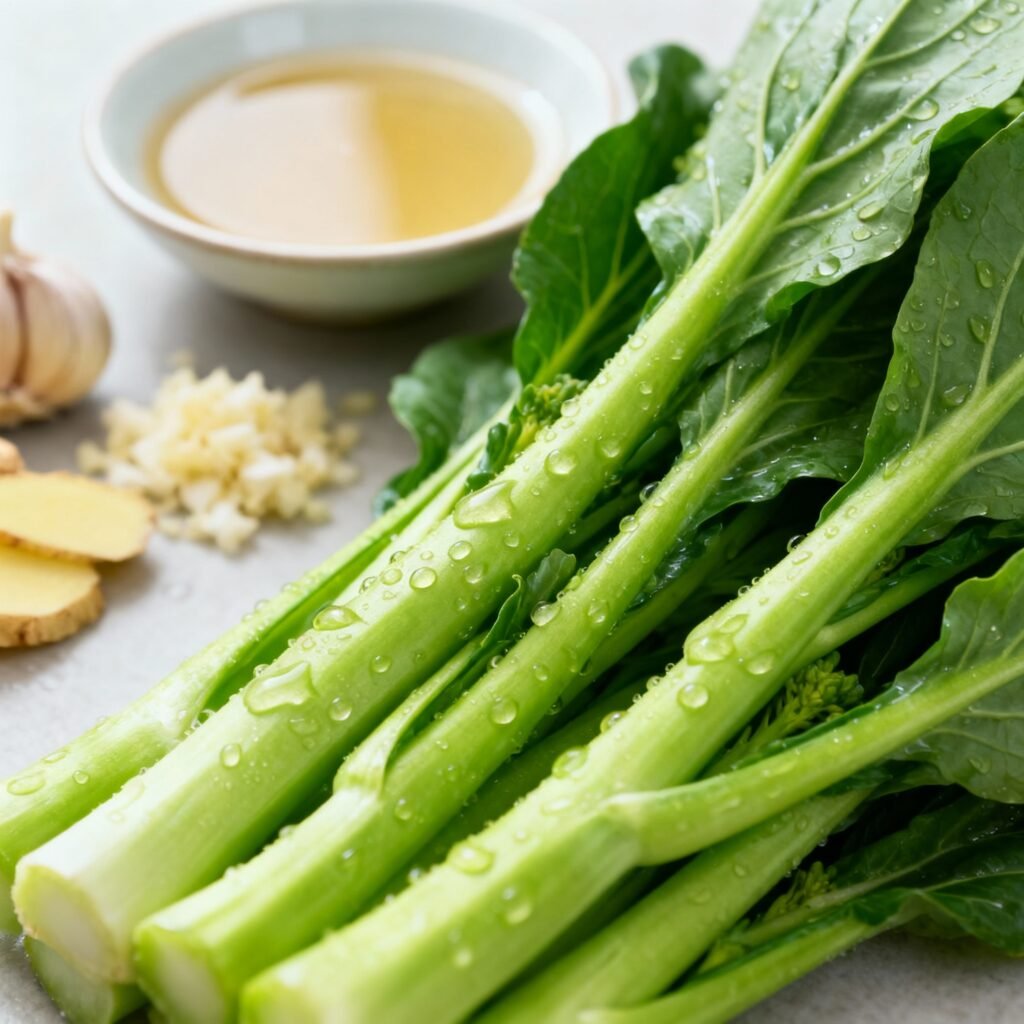
- 1 pound gai lan (Chinese broccoli), washed and trimmed
- 2 tablespoons vegetable oil (or peanut oil)
- 2 cloves garlic, minced
- 1 teaspoon ginger, minced
- 2 tablespoons soy sauce
- 1 tablespoon oyster sauce (optional, but recommended for a richer flavor)
- 1 teaspoon sesame oil
- 1/2 teaspoon sugar
- 1/4 cup water
- Optional: Red pepper flakes for a touch of heat
- Optional: Toasted sesame seeds for garnish
Instructions
- Prepare the Gai Lan: Wash the gai lan thoroughly. Trim the tough ends of the stems. If the stems are very thick, you can peel them slightly to help them cook more evenly. Cut the gai lan into 2-inch pieces, separating the leaves from the stems. This ensures the stems cook longer than the leaves.
- Blanch the Gai Lan: Bring a pot of water to a rolling boil. Add a pinch of salt. Add the gai lan stems to the boiling water and blanch for 1 minute. Then, add the leaves and blanch for another 30 seconds.
- Shock in Cold Water: Immediately drain the gai lan and plunge it into a bowl of ice water to stop the cooking process and preserve its vibrant green color. Drain well and set aside.
- Prepare the Sauce: In a small bowl, whisk together the soy sauce, oyster sauce (if using), sesame oil, sugar, and water. Set aside.
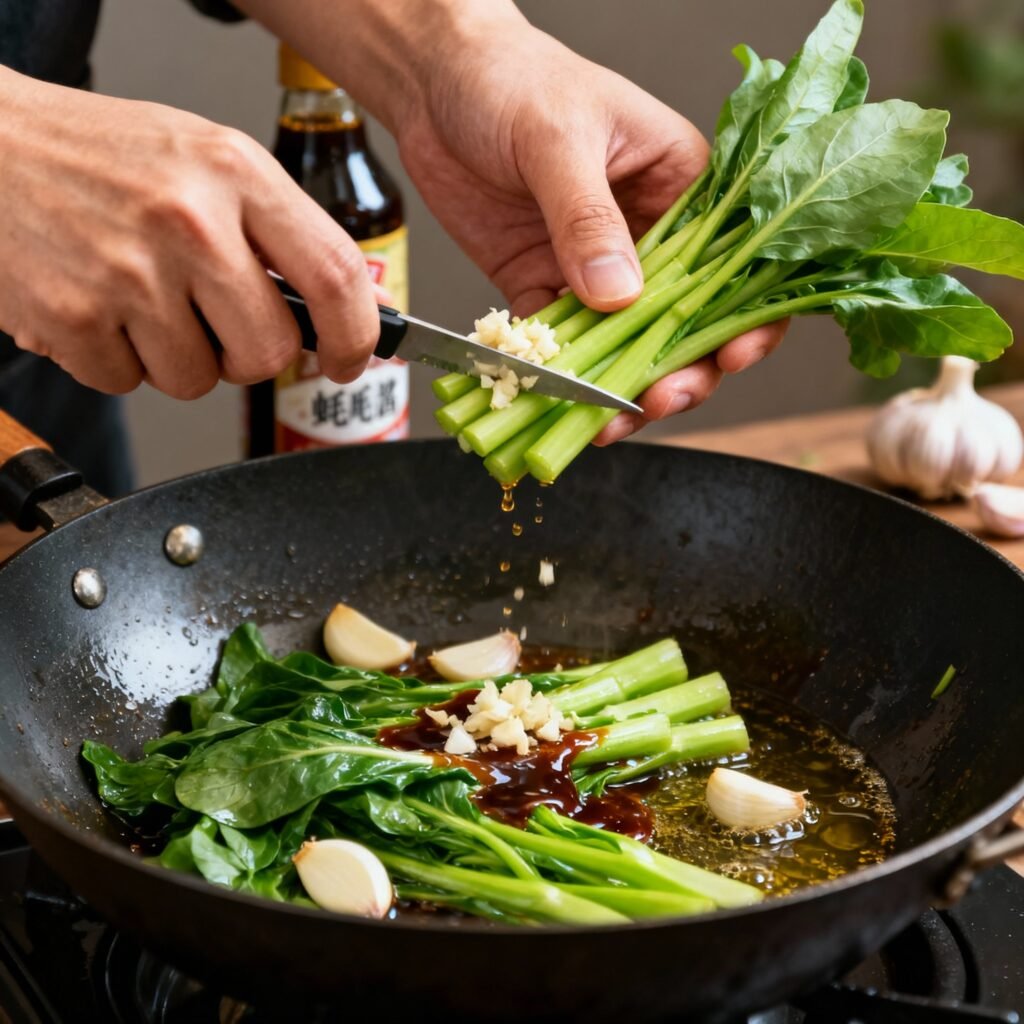
- Stir-Fry: Heat a wok or large skillet over high heat. Add the vegetable oil and swirl to coat the surface.
- Sauté Aromatics: Add the minced garlic and ginger to the hot oil and stir-fry for about 15 seconds, until fragrant. Be careful not to burn the garlic.
- Add Gai Lan: Add the blanched gai lan to the wok and stir-fry for 2-3 minutes, until heated through and slightly tender.
- Add Sauce: Pour the prepared sauce over the gai lan and stir-fry for another minute, until the sauce thickens slightly and coats the vegetables evenly.
- Serve: Remove from heat and transfer to a serving dish. Garnish with red pepper flakes (if using) and toasted sesame seeds (if using). Serve immediately.
Tips for Success
- Don’t Overcook: The key to perfect gai lan is to avoid overcooking it. The stems should be crisp-tender, and the leaves should be slightly wilted but still vibrant green.
- High Heat is Essential: Stir-frying requires high heat to achieve that characteristic “wok hei” flavor and prevent the vegetables from becoming soggy.
- Adjust Sauce to Taste: Feel free to adjust the amount of soy sauce, oyster sauce, and sugar to your liking. Taste the sauce before adding it to the gai lan and make any necessary adjustments.
- Prepare Ingredients in Advance: Having all your ingredients prepped and ready to go before you start cooking will make the stir-frying process much smoother and more efficient.
- Use Fresh Gai Lan: Choose gai lan with firm stems and vibrant green leaves for the best flavor and texture. Avoid gai lan with yellowing or wilted leaves.
- Stem Thickness Matters: If your gai lan stems are particularly thick, consider cutting them lengthwise into halves or quarters to ensure they cook evenly.
Storage Instructions
Leftover gai lan can be stored in an airtight container in the refrigerator for up to 2 days. Reheat gently in a wok or skillet over medium heat. Be aware that the vegetables may lose some of their crispness upon reheating.
FAQ
Q: Can I use other vegetables in this recipe?
A: Yes, you can substitute other leafy green vegetables like bok choy or choy sum for gai lan. You may need to adjust the cooking time depending on the vegetable you choose.
Q: I don’t have oyster sauce. Can I still make this recipe?
A: Yes, you can omit the oyster sauce. The dish will still be delicious with just soy sauce, sesame oil, and sugar. You might consider adding a touch more soy sauce to compensate for the missing umami flavor.
Q: Can I add protein to this dish?
A: Absolutely! Stir-fried gai lan pairs well with tofu, chicken, shrimp, or beef. Add your protein of choice to the wok after the garlic and ginger and cook until done before adding the gai lan.
Q: How do I know when the gai lan is cooked perfectly?
A: The stems should be crisp-tender, meaning they should be slightly firm but not hard. The leaves should be slightly wilted but still vibrant green. Avoid overcooking the gai lan, as it will become mushy.
Q: Can I steam the gai lan instead of blanching it?
A: Yes, steaming is a good alternative to blanching. Steam the gai lan for 3-5 minutes, or until the stems are crisp-tender. Then, proceed with the stir-frying instructions.
Conclusion
With its simple ingredients and straightforward instructions, this gai lan recipe is a guaranteed success. The blanching technique ensures perfectly cooked stems and vibrant green leaves, while the flavorful sauce elevates the dish to new heights. Whether you’re a seasoned cook or a beginner in the kitchen, you’ll be able to create a restaurant-quality gai lan dish in no time. So, grab a bunch of gai lan and get ready to experience the deliciousness of perfectly cooked Chinese broccoli!