Glass Candy Recipe: The Sparkling Treat That’s Easier Than You Think!
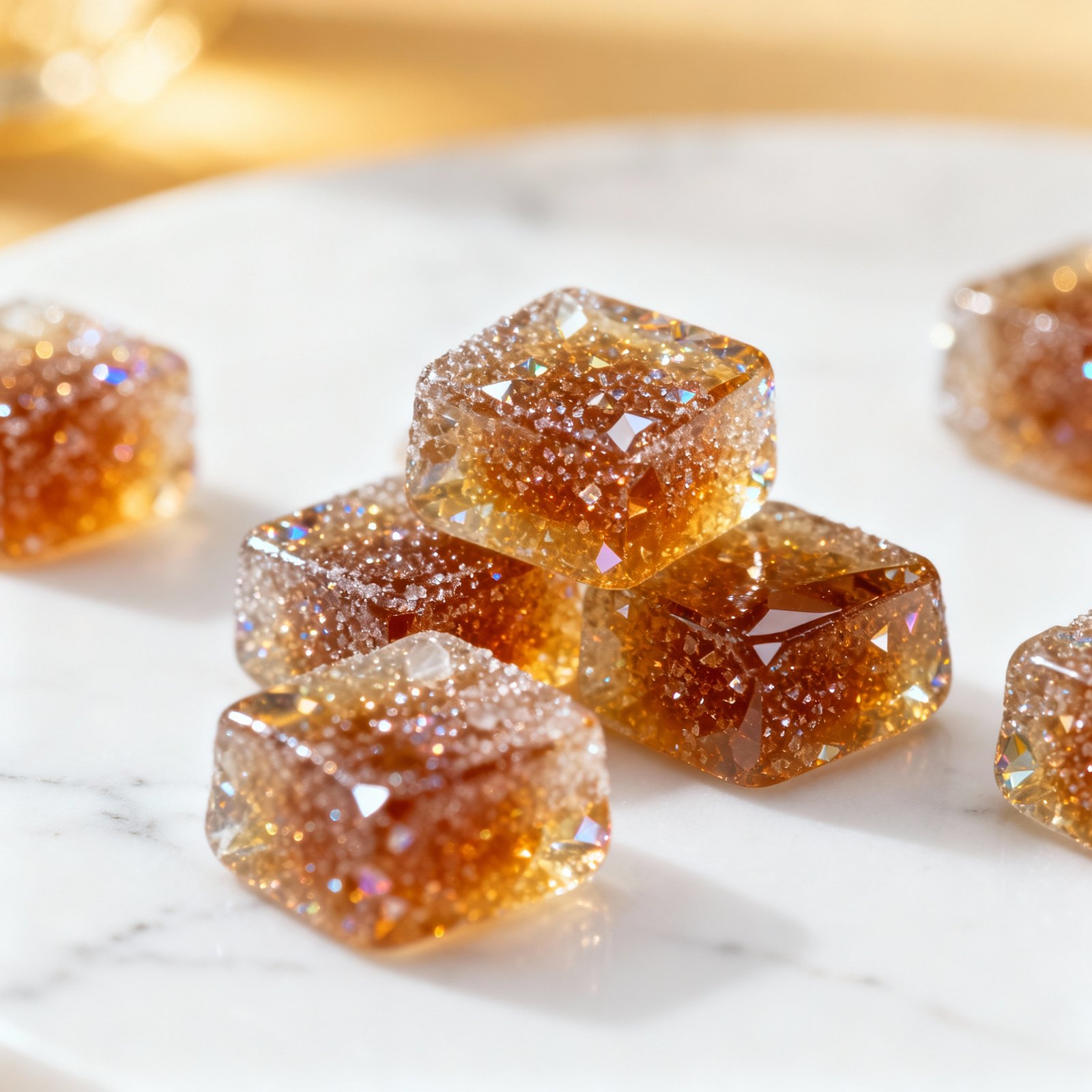
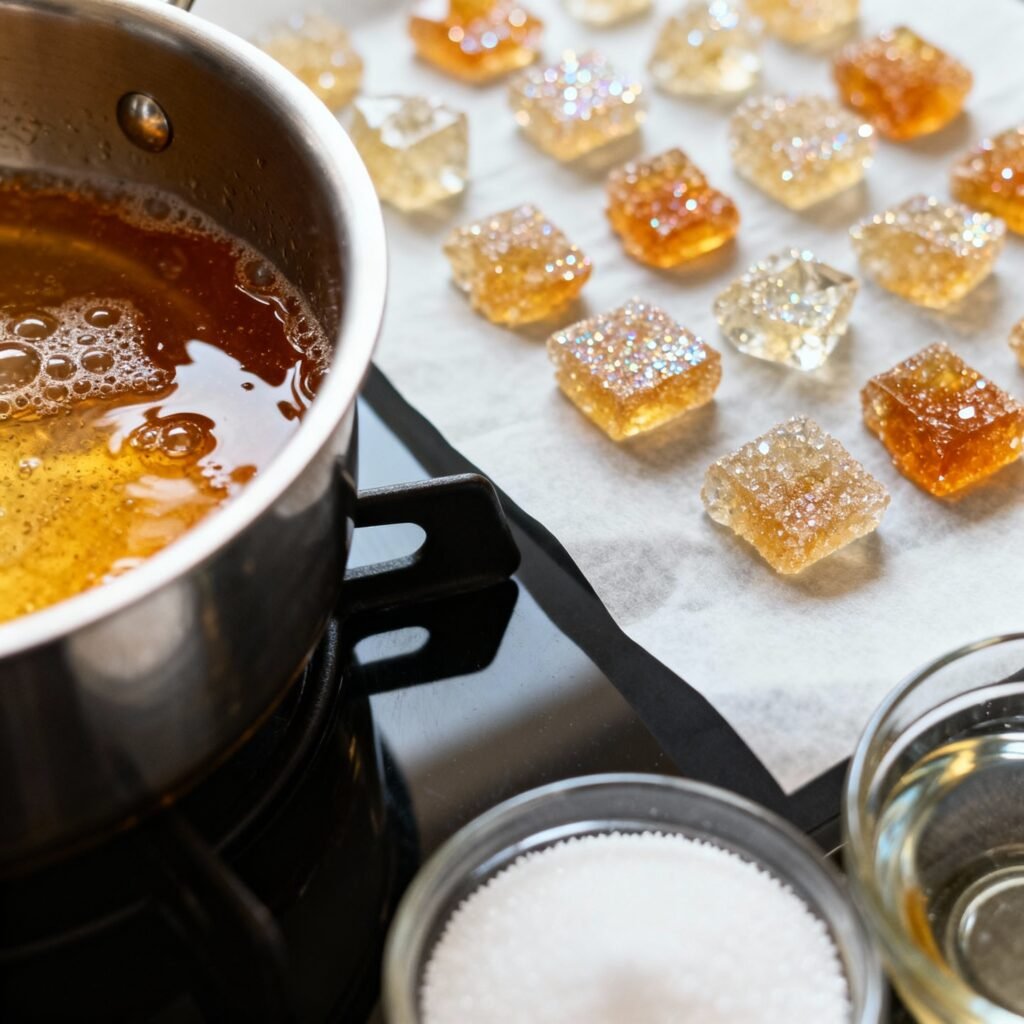
Glass candy, also known as hard candy or stained glass candy, is a beautiful and surprisingly simple confection to make at home. Imagine shards of shimmering, translucent sweetness, catching the light like miniature jewels. This recipe delivers exactly that, offering a delightful treat that’s perfect for holidays, parties, or simply a fun weekend project with the kids (with adult supervision, of course!). Forget complicated techniques and fancy equipment; this recipe uses readily available ingredients and straightforward instructions to guide you to candy-making success. Get ready to create edible art that’s as delicious as it is visually stunning!
Why This Recipe Works
This glass candy recipe is designed for ease and reliability. Here’s why it’s a winner:
- Simple Ingredients: We use everyday pantry staples – sugar, corn syrup, water, and flavoring – minimizing the barrier to entry.
- Clear Instructions: Each step is clearly explained, leaving no room for guesswork. We’ve broken down the process into manageable chunks to ensure even beginners can achieve fantastic results.
- Temperature is Key: We emphasize the importance of reaching the hard crack stage (300-310°F or 149-154°C). Using a candy thermometer is crucial for achieving that perfect, brittle texture.
- Flexibility with Flavor: The recipe is a blank canvas for your creativity. Experiment with different extracts, food colorings, and even edible glitter to create unique and personalized glass candy.
- Troubleshooting Tips: We’ve included common pitfalls and solutions to help you navigate any challenges that may arise during the candy-making process.
Ingredients
- 2 cups granulated sugar
- ⅔ cup light corn syrup
- ¾ cup water
- 1 teaspoon flavoring extract (such as vanilla, peppermint, lemon, or cinnamon)
- Food coloring (gel or liquid, optional)
- Powdered sugar or cooking spray (for greasing the pan)
Instructions
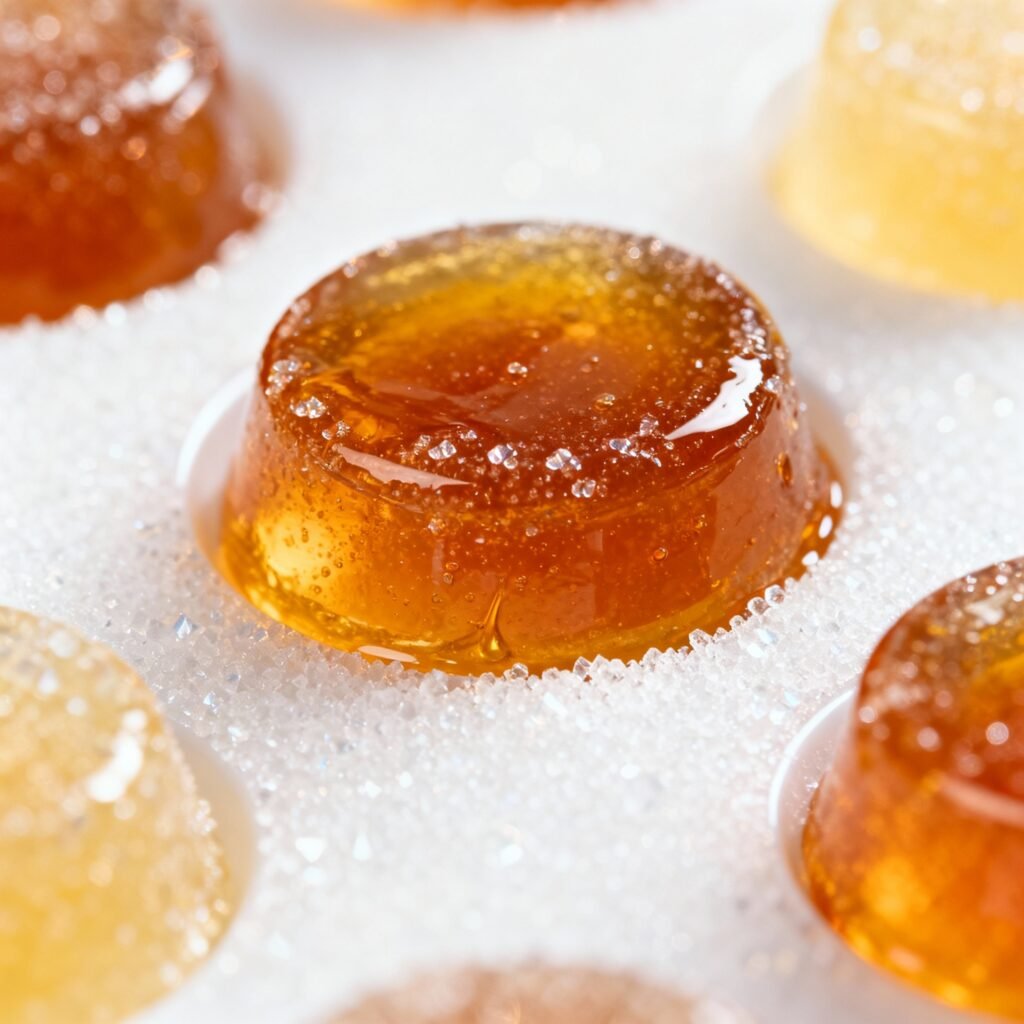
- Prepare Your Pan: Lightly grease a baking sheet (approximately 9×13 inches) with cooking spray or dust it generously with powdered sugar. This prevents the candy from sticking.
- Combine Ingredients: In a heavy-bottomed saucepan, combine the sugar, corn syrup, and water. Stir gently to combine.
- Cook the Mixture: Place the saucepan over medium-high heat. Bring the mixture to a boil, stirring occasionally at first. Once it starts boiling rapidly, stop stirring.
- Monitor the Temperature: Insert a candy thermometer into the mixture, ensuring it doesn’t touch the bottom of the pan. Continue cooking until the thermometer registers 300-310°F (149-154°C), the hard crack stage. This process can take 10-20 minutes, depending on your stove. Be patient and monitor the temperature closely.
- Remove from Heat: Once the candy reaches the hard crack stage, immediately remove the saucepan from the heat.
- Add Flavor and Color: Carefully stir in the flavoring extract and food coloring (if using). Be cautious as the mixture is extremely hot. Stir gently until the color is evenly distributed.
- Pour and Cool: Pour the hot candy mixture onto the prepared baking sheet. Spread it out evenly with a heat-resistant spatula or by tilting the pan.
- Cool Completely: Allow the candy to cool completely at room temperature. This usually takes about 30-60 minutes. Do not refrigerate, as this can cause the candy to become sticky.
- Break into Pieces: Once the candy is completely cool and hardened, carefully break it into shards or pieces. You can use a knife or simply crack it with your hands. Be careful as the edges can be sharp.
- Enjoy! Your homemade glass candy is now ready to enjoy!
Tips for Success
- Use a Candy Thermometer: This is the most crucial tool for successful glass candy. Don’t rely on visual cues alone.
- Don’t Stir Too Much: Stirring too much after the mixture starts boiling can cause sugar crystals to form, resulting in grainy candy.
- Heavy-Bottomed Pan: A heavy-bottomed saucepan will distribute heat evenly and prevent scorching.
- Work Quickly: Once the candy reaches the hard crack stage, you need to work quickly to add flavor and color and pour it onto the baking sheet before it hardens.
- Safety First: Hot sugar is extremely dangerous. Exercise caution and keep children away from the stovetop during the candy-making process.
- Flavor Combinations: Experiment with different flavor extracts and food coloring combinations. Peppermint with red food coloring is classic for Christmas, while lemon with yellow food coloring is perfect for spring.
- Edible Glitter: For an extra touch of sparkle, sprinkle edible glitter over the candy while it’s still warm.
- Troubleshooting: If your candy is too soft, it hasn’t reached the hard crack stage. If it’s too brittle, it may have been cooked slightly too long.
Storage Instructions
Store glass candy in an airtight container at room temperature. Avoid storing it in the refrigerator, as moisture can cause it to become sticky. Properly stored, glass candy can last for several weeks.
FAQ
Q: Can I use a different type of sugar?
A: Granulated sugar is recommended for this recipe. Other types of sugar may not produce the same results.
Q: Can I use honey instead of corn syrup?
A: While you can experiment, corn syrup helps prevent crystallization and contributes to the smooth texture of the candy. Using honey will alter the flavor and may affect the texture.
Q: My candy is cloudy. What did I do wrong?
A: Cloudiness can be caused by sugar crystals forming. This can happen if you stirred the mixture too much after it started boiling or if there were sugar crystals on the sides of the pan. Next time, try wiping down the sides of the pan with a wet brush to dissolve any crystals.
Q: My candy is sticking to the pan. What should I do?
A: Make sure you grease the pan thoroughly with cooking spray or dust it generously with powdered sugar before pouring the candy mixture.
Q: Can I make this recipe without a candy thermometer?
A: While it’s possible, it’s not recommended. A candy thermometer is the most reliable way to ensure the candy reaches the hard crack stage. Without one, it’s difficult to gauge the temperature accurately, which can lead to inconsistent results.
Conclusion
Making glass candy is a rewarding experience that allows you to create beautiful and delicious treats right in your own kitchen. With its simple ingredients, straightforward instructions, and endless possibilities for customization, this recipe is sure to become a favorite. So, gather your ingredients, grab your candy thermometer, and get ready to create some edible masterpieces! Happy candy-making!