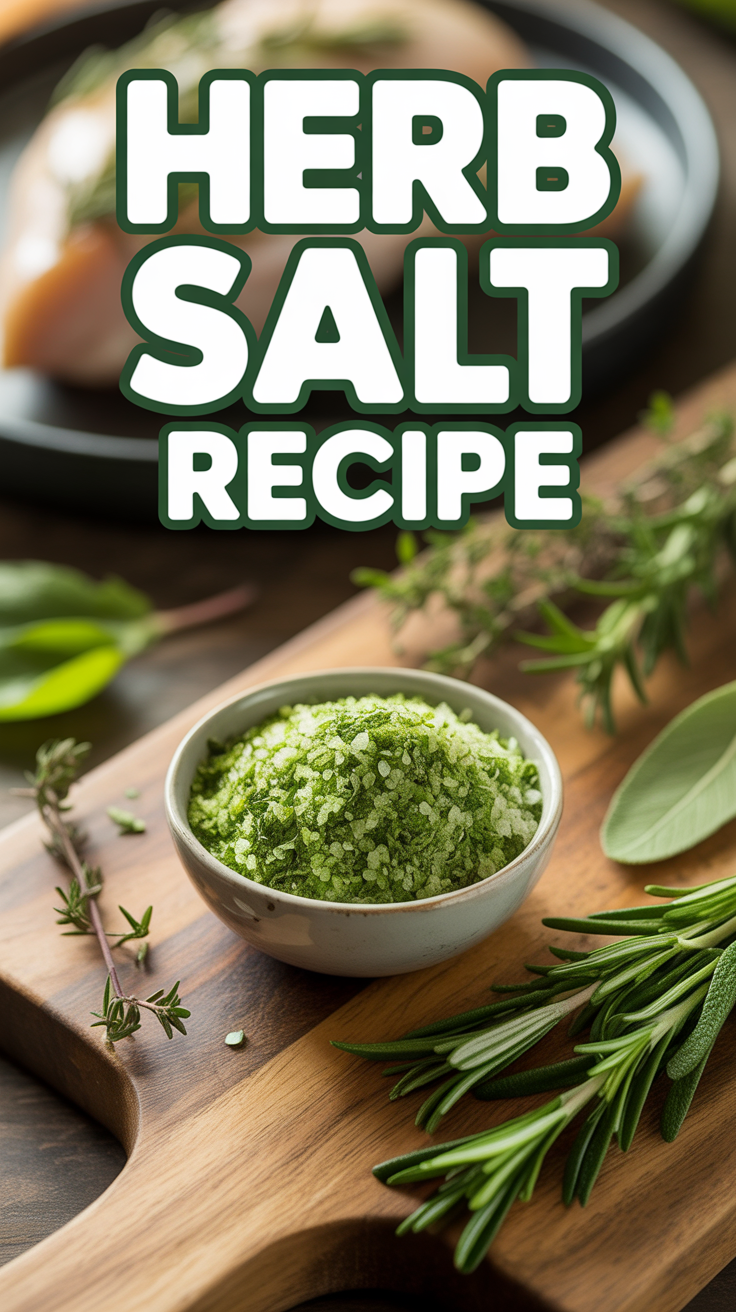
🌱 Herb Salt Recipe That Elevates Every Dish You Make
Imagine a culinary secret weapon, a simple blend crafted from the earth’s bounty, waiting patiently in your pantry to transform the mundane into the magnificent. This isn’t just salt; it’s an aromatic symphony, a whisper of the garden brought indoors, ready to awaken dormant flavors in everything it touches. We’re talking about homemade herb salt, a vibrant, fragrant concoction that will redefine your cooking and make every meal feel like a special occasion.
There’s an undeniable magic in creating something from scratch that not only tastes incredible but also carries the essence of your own kitchen. This herb salt recipe is more than just a seasoning; it’s an invitation to connect with your ingredients, to savor the simple pleasure of fresh herbs mingling with crystalline salt, and to infuse your culinary creations with a depth of flavor that store-bought alternatives simply can’t match. From the moment you begin to chop the herbs, releasing their intoxicating essential oils, you’ll feel a shift in the atmosphere – a culinary awakening that promises deliciousness.
Forget bland, one-note seasonings. Our herb salt is a flavor powerhouse, a vibrant tapestry of earthy rosemary, peppery thyme, pungent oregano, and bright parsley, all harmoniously blended with the finest sea salt. It’s a versatile hero, capable of turning a humble roasted chicken into a golden-skinned masterpiece, elevating a simple plate of scrambled eggs into a gourmet breakfast, and making roasted vegetables sing with fresh, herbaceous notes. Get ready to embark on a journey of sensory delight that will not only tantalize your taste buds but also simplify your cooking, offering a burst of ready-made flavor whenever inspiration strikes.
Why This Recipe Works
This herb salt recipe isn’t just easy; it’s brilliantly effective at delivering maximum flavor with minimal effort. Its genius lies in several key aspects that make it an indispensable staple in any kitchen.
- Unleashes Freshness: By combining fresh herbs with salt, we’re not just mixing ingredients; we’re creating a flavor fusion. The salt acts as a natural preservative, but more importantly, it draws out the aromatic oils and essences from the fresh herbs, intensifying their flavor profile and locking it into each glittering crystal. This results in a much more vibrant and complex taste than using dried herbs alone.
- Effortless Flavor Elevation: This recipe streamlines your cooking process. Instead of reaching for multiple herb jars and a salt shaker, you have a single, potent blend that delivers a balanced burst of savory, earthy, and bright notes. It’s the ultimate shortcut to gourmet flavor, allowing you to season dishes quickly and confidently, knowing you’re adding a well-rounded flavor foundation.
- Customization at Your Fingertips: While we provide a fantastic base recipe, the beauty of homemade herb salt is its adaptability. You are the chef, the artist! Want more rosemary? Go for it. Prefer a citrusy kick? Add lemon or orange zest. This flexibility ensures that your herb salt perfectly matches your personal taste preferences and culinary needs, making it truly yours.
- Economical and Sustainable: Making your own herb salt is surprisingly cost-effective, especially if you have an herb garden or buy herbs in bulk. It also helps reduce food waste by giving purpose to any leftover sprigs from other recipes. Plus, you’re in control of the ingredients, meaning no artificial additives, anti-caking agents, or questionable fillers – just pure, natural goodness.
- Long-Lasting Aromatic Power: When properly prepared and stored, this herb salt retains its potent aroma and flavor for months. The salt dehydrates the herbs slightly, preserving their essence without losing their vibrancy. This means you can make a batch and enjoy its culinary benefits for an extended period, always having a touch of fresh garden flavor at your fingertips.
Ingredients
Gathering your ingredients for this herb salt is an act of culinary anticipation. Choose the freshest, most fragrant herbs you can find, as their quality will shine through in the final product. The salt itself is equally important, providing the perfect canvas for the herbal symphony.
- 1 cup Coarse Sea Salt: We recommend a good quality coarse sea salt like Maldon, Celtic sea salt, or even a good quality kosher salt. The larger crystals are ideal for absorbing the herb oils and provide a satisfying texture. Avoid fine table salt, as it can make the mixture too dense and over-salt your food quickly.
- ½ cup Fresh Rosemary Leaves: Stripped from their woody stems, these needles contribute a wonderfully piney, earthy, and slightly peppery aroma.
- ¼ cup Fresh Thyme Leaves: Small but mighty, thyme adds a delicate, slightly minty, and earthy note that complements rosemary beautifully.
- ¼ cup Fresh Oregano Leaves: Pungent and robust, oregano brings a Mediterranean warmth and savory depth to the blend.
- ¼ cup Fresh Flat-Leaf Parsley: Known for its bright, clean, and slightly peppery flavor, parsley adds a crucial fresh green lift to the mix, balancing the earthier herbs.
- 2 tablespoons Fresh Sage Leaves (optional, but highly recommended for a deeper, more robust flavor): Sage offers a distinct, warm, and slightly peppery note, especially wonderful for poultry and root vegetables.
- 1 tablespoon Lemon Zest (from 1 organic lemon, optional): For a bright, citrusy counterpoint that cuts through richness and adds an invigorating aroma.
- 1 teaspoon Garlic Granules or Powder (optional): To introduce a subtle, savory allium backbone without the moisture of fresh garlic.
Instructions
Crafting your own herb salt is a wonderfully tactile and aromatic experience. Take your time with each step, savoring the fragrant transformation as the herbs and salt come together.
- Prepare Your Herbs with Care: Begin by thoroughly washing all your fresh herbs under cool running water. This removes any dirt or debris. The most critical step here is to dry them completely. Lay them out on a clean kitchen towel or paper towels and gently pat them until absolutely no moisture remains. Excess moisture is the enemy of shelf-stable herb salt, as it can lead to clumping or even mold. You can also use a salad spinner for efficiency, followed by a final pat-down.
- Strip and Separate: Once dry, carefully strip the leaves from the woody stems of the rosemary, thyme, and oregano. For parsley and sage, you can roughly chop the leaves, discarding any thick stems. Aim for just the tender, flavorful leaves.
- Finely Mince the Herbs: On a large cutting board, gather all your prepared herb leaves. Using a very sharp chef’s knife, begin to finely mince the herbs. The goal is a uniform, almost paste-like consistency, but without bruising them excessively. Continue chopping, gathering the herbs into a pile, and chopping again until they are very fine. The finer the chop, the more evenly the flavor will distribute throughout the salt, and the better the salt will absorb their essences. If using lemon zest, add it to the herbs and chop together to release its oils.
- Combine with Salt: In a medium-sized bowl, pour your coarse sea salt. Add the finely minced herbs (and lemon zest, if using) to the salt. If you’re including garlic granules or powder, add them now as well.
- Massage and Marry the Flavors: This is where the magic truly happens! Using your clean hands, gently but thoroughly massage the herbs into the salt. Rub the mixture between your palms, crushing the herbs slightly against the salt crystals. You’ll notice the salt crystals begin to take on the vibrant green hue of the herbs, and the air will fill with an intoxicating, fresh aroma. Continue this process for 3-5 minutes, ensuring every salt crystal is coated and infused with the herbal oils. The mixture should feel slightly damp, but not wet.
- Spread and Dry (Optional but Recommended for Longevity): For optimal preservation and to further meld the flavors, spread the herb salt mixture in a thin, even layer on a baking sheet lined with parchment paper. Leave it uncovered at room temperature in a dry spot for 12-24 hours. This allows any residual moisture to evaporate, further drying the herbs and preventing clumping, while intensifying the flavor as the salt continues to absorb the herbal essences.
- Store for Future Flavor: Once the herb salt is visibly dry and slightly crumbly (not sticky), transfer it to an airtight glass jar or container. Ensure the container is completely dry before filling. Label it with the date, and store it in a cool, dark pantry.
Tips for Success
Achieving the perfect, aromatic herb salt is simple when you keep a few key principles in mind. These tips will ensure your homemade blend is consistently vibrant, flavorful, and long-lasting.
- Absolute Dryness is Key: This cannot be stressed enough! Any residual moisture on your fresh herbs will not only cause your herb salt to clump but can also lead to mold growth, drastically shortening its shelf life. After washing, use a salad spinner, then spread them on paper towels or a clean kitchen towel and pat them completely dry. You can even let them air dry for an hour or two before chopping for extra assurance.
- Choose Quality Coarse Salt: The type of salt you use makes a significant difference. Coarse sea salt (like Maldon, Celtic, or a good quality kosher salt) is ideal because its larger crystals have more surface area to absorb the herb oils, and they also provide a pleasant texture. Fine table salt can make the mixture too dense and overpower your food with saltiness too quickly. Avoid iodized salt as its flavor can be metallic.
- Finely Mince, Don’t Puree: While you want the herbs to be very finely chopped for even distribution and maximum flavor release, avoid pureeing them in a food processor unless you are extremely careful. A food processor can over-process, releasing too much moisture and turning the mixture into a wet paste, which will not dry properly and can lead to spoilage. A sharp knife and a bit of patience will yield the best results – finely minced, but still discernible herb pieces.
- Experiment with Your Herb Blend: The recipe provides a classic, versatile blend, but don’t be afraid to make it your own! Consider adding other fresh herbs like dill for fish, chives for eggs, marjoram for a sweeter, more delicate note, or even a touch of finely ground dried chili flakes for a spicy kick. Think about what flavors you love and what dishes you typically cook.
- Consider a Longer Drying Time: While 12-24 hours is often sufficient, if you live in a humid climate or want to ensure maximum dryness for extended storage, you can leave the herb salt spread out for up to 48 hours. Stir it occasionally to expose all sides to the air. Alternatively, you can very gently dry it in a low oven (around 150°F / 65°C) for 30-60 minutes, stirring every 15 minutes, until it’s completely dry and crumbly. Just be careful not to cook the herbs, which would diminish their vibrant color and fresh flavor.
Storage Instructions
Proper storage is crucial to maintaining the vibrant flavor and extending the shelf life of your homemade herb salt. With a little care, your aromatic blend will remain potent and ready to use for months.
Once your herb salt has been thoroughly dried (either by air-drying or in a low oven) and is completely cool and crumbly, transfer it immediately to a clean, absolutely dry, airtight glass jar or container. Glass jars with tight-fitting lids are ideal as they prevent moisture and air from entering, which can degrade the flavor and texture of the salt over time. Store the sealed container in a cool, dark place, such as your pantry or a kitchen cupboard, away from direct sunlight, heat sources, and humidity. Avoid storing it near the stove, as the fluctuating temperatures and moisture can negatively impact its quality.
When stored correctly, your homemade herb salt can last for up to 6 months, and sometimes even longer. Over time, the vibrant green color of the herbs may fade slightly, but the flavor should remain robust. If you notice any signs of mold, an off smell, or significant clumping that doesn’t easily break apart, it’s best to discard the batch. To prevent clumping, you can occasionally give the jar a good shake, or if it does clump, simply break it up with a spoon or a small fork before use. Always ensure your measuring spoons are dry when scooping out the salt to avoid introducing any moisture into the jar.
FAQ
Can I use dried herbs instead of fresh ones for this recipe?
While fresh herbs are highly recommended for their vibrant flavor, moisture content, and the beautiful color they impart to the salt, you can certainly use dried herbs if fresh are unavailable. However, the ratio will need to be adjusted significantly. As dried herbs are much more concentrated in flavor, you would typically use about one-third of the amount of fresh herbs specified. For example, if the recipe calls for ½ cup fresh rosemary, you would use about 2-3 tablespoons of dried rosemary. The resulting herb salt will still be flavorful but will have a slightly different character and may lack the bright, fresh notes that only fresh herbs can provide. You also won’t need to worry as much about drying the mixture, as dried herbs contain very little moisture to begin with.
What are the best uses for homemade herb salt?
The beauty of herb salt lies in its incredible versatility! It can elevate almost any savory dish. Here are just a few ideas:
- Meats: Rub it onto chicken, turkey, pork, or beef before roasting, grilling, or pan-searing to create a beautiful, flavorful crust.
- Vegetables: Sprinkle it over roasted potatoes, carrots, asparagus, or any root vegetables. It’s also fantastic on grilled corn or sautéed greens.
- Eggs: A pinch over scrambled eggs, omelets, or fried eggs transforms a simple breakfast into something special.
- Bread: Mix it into softened butter for an irresistible herb butter, sprinkle it over focaccia before baking, or use it to season homemade breadsticks.
- Popcorn: Elevate your movie night snack with a generous sprinkle for an aromatic twist.
- Soups & Stews: Stir a teaspoon or two into your favorite homemade soups, stews, or broths for an instant depth of flavor.
- Salads: Use it to season salad dressings or sprinkle directly onto garden salads.
- Pasta: Toss with hot pasta and a drizzle of olive oil for a simple, flavorful meal.
Why did my herb salt clump together after storing it?
Clumping is a common occurrence with homemade herb salts, especially if there’s any residual moisture present in the herbs or if the salt is exposed to humidity. Even if the herbs feel dry to the touch, tiny pockets of moisture can remain. The salt, being hygroscopic, naturally attracts and absorbs moisture from the air, which can cause the crystals to stick together. To minimize clumping, ensure your herbs are absolutely bone-dry before mixing, and consider the optional extended air-drying time. Always store the salt in a truly airtight container in a cool, dark, and dry place. If it does clump, simply give the jar a good shake or use a spoon or fork to break up the lumps before using. It doesn’t affect the flavor, just the texture.
Can I add other spices or ingredients to my herb salt?
Absolutely! This recipe is a fantastic starting point for endless customization. Feel free to experiment with other spices and ingredients to tailor the herb salt to your palate. Consider adding a pinch of smoked paprika for a smoky depth, a dash of red pepper flakes for a subtle heat, or even a tiny amount of dried mushroom powder for an umami boost. Finely ground black pepper can also be a wonderful addition. Just remember to keep the added ingredients dry and finely ground to ensure they blend well and don’t introduce excess moisture. Always taste and adjust as you go to create your signature blend!
Conclusion
And there you have it: your very own jar of culinary gold, sparkling with the promise of extraordinary flavor. This homemade herb salt is more than just a seasoning; it’s a testament to the power of simple, fresh ingredients and the joy of creating something truly special in your own kitchen. From the moment you uncork that jar, a wave of fragrant herbs will greet you, hinting at the deliciousness to come. It’s a kitchen essential that will not only elevate your everyday meals but also inspire you to get more creative with your cooking.
Imagine the golden crust on your roasted chicken, the vibrant aroma from your sautéed vegetables, or the unexpectedly delicious kick in your morning eggs – all thanks to a handful of fresh herbs and a little bit of salt. This recipe invites you to slow down, engage your senses, and infuse your food with love and flavor. So go ahead, gather your herbs, feel the texture of the salt, and embark on this incredibly rewarding culinary adventure. Your taste buds, and your family, will thank you. Try making a batch of this herb salt today, and prepare to fall in love with cooking all over again!