Hog Maw Recipe: A Soulful Taste of Tradition
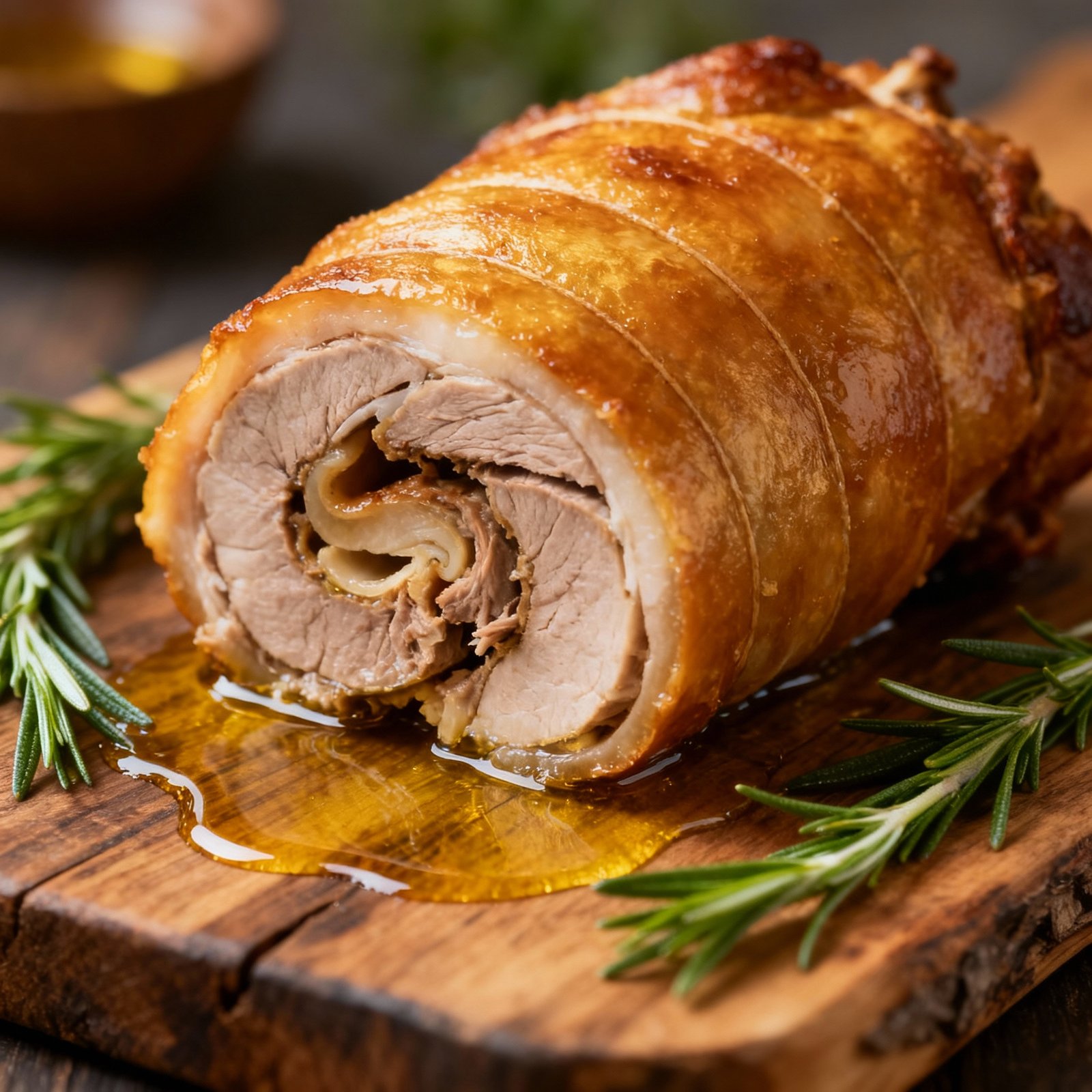
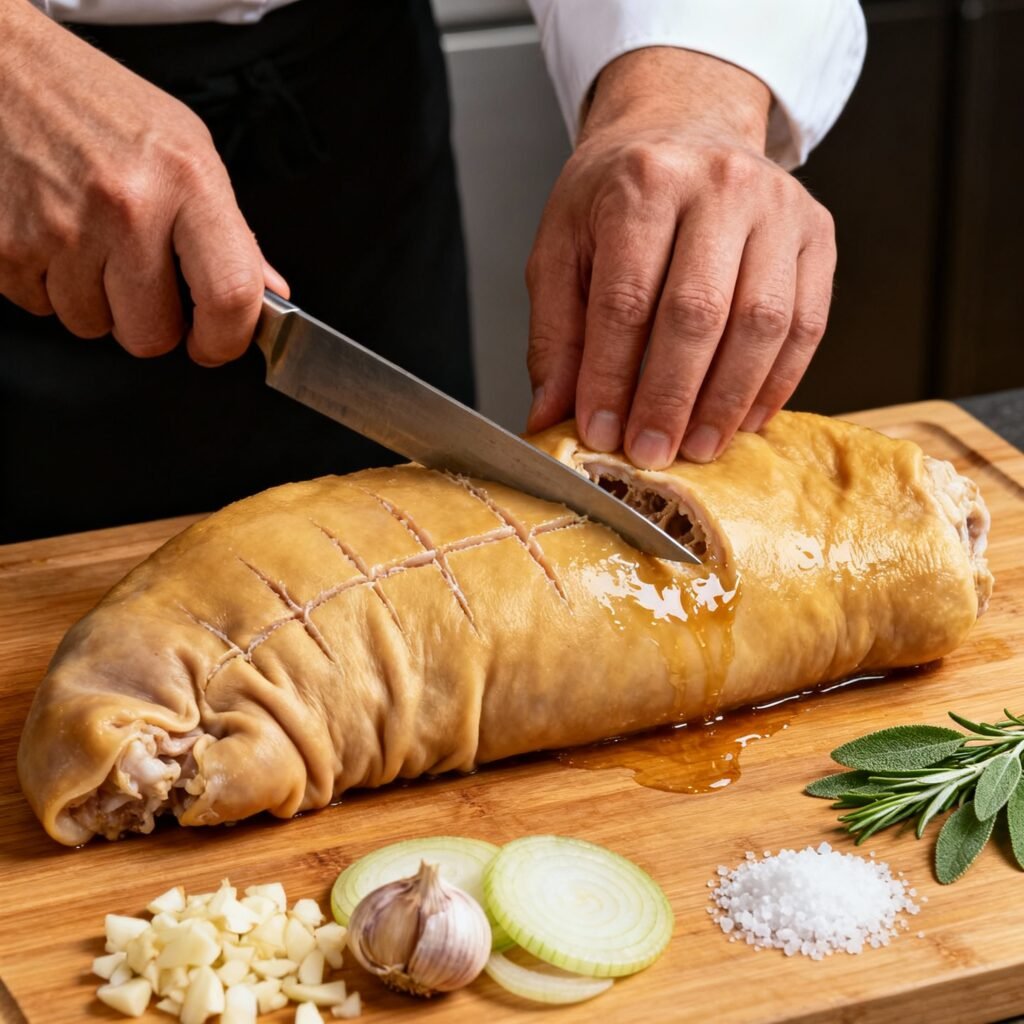
Hog maw. The name itself can be polarizing, but for those who grew up with it, hog maw represents more than just food. It’s a connection to family, a taste of heritage, and a testament to resourcefulness. This hearty, comforting dish, often enjoyed during the colder months, is essentially a pig’s stomach stuffed with a savory mixture of pork, vegetables, and seasonings. While it might not be the most glamorous ingredient, when prepared with care and attention, hog maw transforms into a culinary masterpiece that’s both deeply satisfying and surprisingly delicious.
If you’re new to hog maw, don’t let its humble origins deter you. This recipe provides a clear and approachable guide to preparing this classic dish, ensuring a flavorful and memorable experience. Whether you’re a seasoned cook or a curious beginner, get ready to embark on a culinary journey that celebrates tradition and transforms a simple ingredient into something truly special.
Why This Recipe Works
This recipe is designed for success, even for those who are intimidated by the idea of cooking hog maw. Here’s why it works:
- Detailed Instructions: Every step is clearly explained, from cleaning the hog maw to stuffing and cooking it. No guesswork involved!
- Flavorful Filling: The filling is a carefully balanced blend of pork, vegetables, and seasonings that creates a rich and savory flavor profile.
- Emphasis on Cleaning: Thorough cleaning is crucial for hog maw, and this recipe provides specific instructions to ensure a clean and pleasant eating experience.
- Slow Cooking Method: Slow cooking allows the flavors to meld together beautifully and tenderizes the hog maw to perfection.
- Adaptability: The recipe is adaptable to your personal preferences. Feel free to adjust the seasonings or add other vegetables to customize the filling.
Ingredients
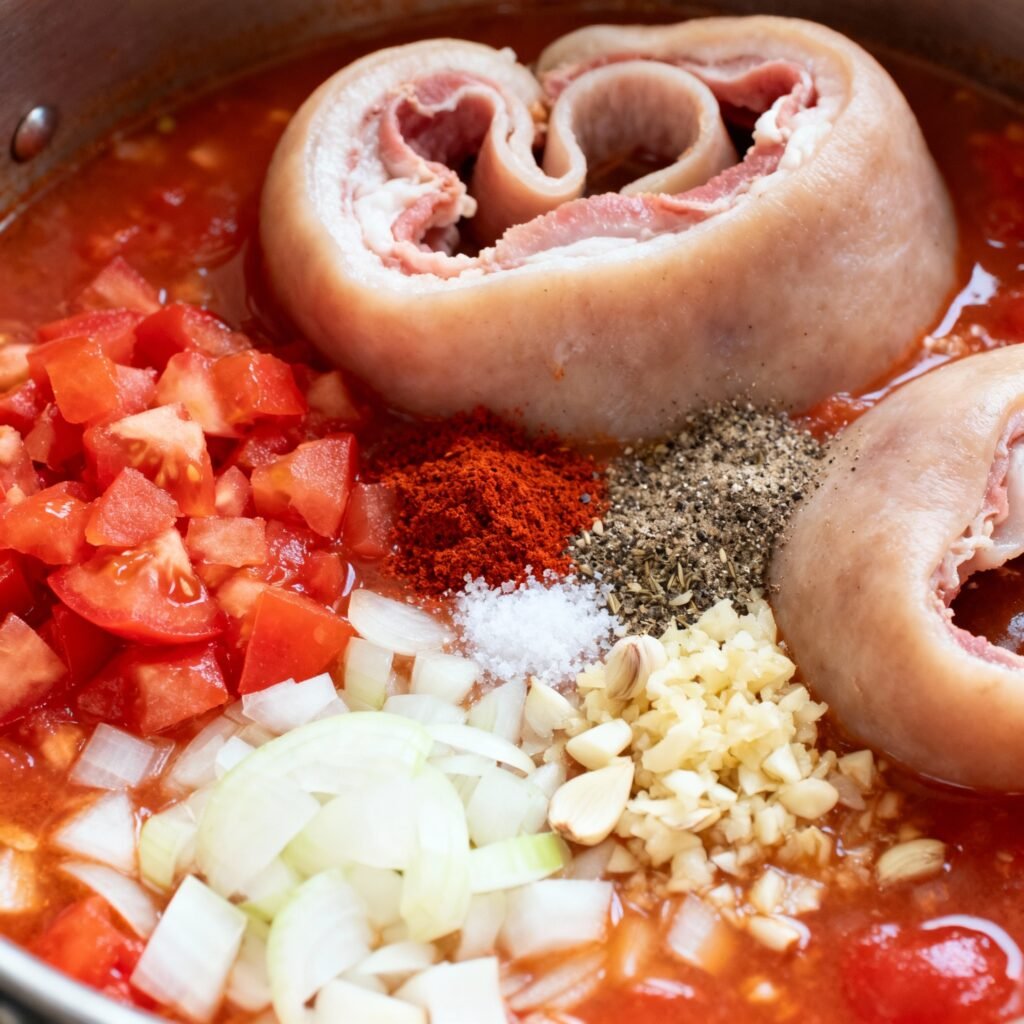
- 1 hog maw (approximately 3-5 pounds)
- 1 pound fresh pork shoulder, diced
- 1/2 pound smoked sausage, diced
- 1 large onion, chopped
- 2 celery stalks, chopped
- 1 green bell pepper, chopped
- 4 cloves garlic, minced
- 2 cups cooked rice (long grain or medium grain)
- 2 cups chicken broth
- 1 teaspoon dried thyme
- 1 teaspoon dried sage
- 1/2 teaspoon red pepper flakes (optional)
- Salt and black pepper to taste
- Water, for boiling
Instructions
- Clean the Hog Maw: This is the most crucial step. Rinse the hog maw thoroughly under cold running water, inside and out. Turn it inside out and scrape away any remaining fat or membranes with a sharp knife. Rinse again. Repeat this process several times until the hog maw is completely clean and free of any unpleasant odors. Some people soak the hog maw in salted water or vinegar water overnight to further cleanse it.
- Prepare the Filling: In a large bowl, combine the diced pork shoulder, smoked sausage, onion, celery, green bell pepper, and minced garlic.
- Season the Filling: Add the cooked rice, chicken broth, thyme, sage, red pepper flakes (if using), salt, and black pepper to the bowl. Mix well to combine all the ingredients.
- Stuff the Hog Maw: Carefully stuff the hog maw with the filling, leaving some room for expansion. Do not overstuff it, as it may burst during cooking.
- Secure the Hog Maw: Use kitchen twine to tie the opening of the hog maw securely. You can also use skewers to close it. This will prevent the filling from spilling out during cooking.
- Boil the Hog Maw: Place the stuffed hog maw in a large pot and cover it with cold water. Bring the water to a boil, then reduce the heat to a simmer.
- Simmer the Hog Maw: Simmer the hog maw for 3-4 hours, or until it is tender. Check the water level periodically and add more water if needed to keep the hog maw submerged.
- Check for Doneness: To check for doneness, pierce the hog maw with a fork. It should be easily pierced and feel tender.
- Remove and Slice: Carefully remove the hog maw from the pot and let it cool slightly. Remove the kitchen twine or skewers. Slice the hog maw into thick slices.
- Serve: Serve the sliced hog maw hot, with the cooking broth or your favorite side dishes. Some popular accompaniments include collard greens, cornbread, and hot sauce.
Tips for Success
- Don’t Skip the Cleaning: Proper cleaning is essential for removing any unpleasant flavors and odors. Take your time and be thorough.
- Don’t Overstuff: Overstuffing the hog maw can cause it to burst during cooking. Leave some room for the filling to expand.
- Simmer, Don’t Boil Vigorously: Simmering gently ensures that the hog maw cooks evenly and remains tender. A vigorous boil can make it tough.
- Adjust Seasonings to Taste: Feel free to adjust the seasonings in the filling to your personal preferences.
- Use Quality Ingredients: Using fresh, high-quality ingredients will result in a more flavorful and satisfying dish.
- Add Other Vegetables: Consider adding other vegetables to the filling, such as potatoes, carrots, or turnips.
Storage Instructions
Refrigerating: Leftover hog maw can be stored in the refrigerator for up to 3-4 days. Store it in an airtight container. Reheat gently in a saucepan or in the microwave.
Freezing: Hog maw can also be frozen for longer storage. Wrap the sliced hog maw tightly in plastic wrap and then place it in a freezer-safe bag or container. It can be frozen for up to 2-3 months. Thaw in the refrigerator overnight before reheating.
FAQ
Q: Where can I find hog maw?
A: Hog maw can be found at some butcher shops, especially those that specialize in pork products. You may also be able to find it at some Asian markets or specialty grocery stores. If you can’t find it locally, you may be able to order it online.
Q: Is hog maw the same as scrapple?
A: No, hog maw and scrapple are different dishes. Hog maw is a pig’s stomach stuffed with a mixture of pork, vegetables, and seasonings. Scrapple is a loaf made from pork scraps, cornmeal, and spices.
Q: Can I use a slow cooker to cook hog maw?
A: Yes, you can use a slow cooker to cook hog maw. Place the stuffed hog maw in the slow cooker and cover it with water. Cook on low for 6-8 hours, or until the hog maw is tender.
Q: What can I serve with hog maw?
A: Hog maw is often served with collard greens, cornbread, hot sauce, and other Southern-style side dishes. It’s also delicious with mashed potatoes or rice.
Q: Is hog maw healthy?
A: Hog maw is a relatively high-fat dish, so it’s best enjoyed in moderation. However, it also provides some protein and essential nutrients. It’s important to consider the overall nutritional content of your meal and balance it with other healthy choices.
Conclusion
Hog maw is more than just a recipe; it’s a journey into culinary history and a celebration of resourcefulness. This dish, often overlooked, offers a unique and satisfying flavor experience that connects us to generations past. While the preparation might seem daunting at first, this recipe breaks down the process into manageable steps, ensuring that anyone can create a delicious and authentic hog maw dish. So, gather your ingredients, embrace the tradition, and prepare to savor a truly soulful taste of history.