Jamaican Dumplings Recipe: The Secret to Fluffy Perfection
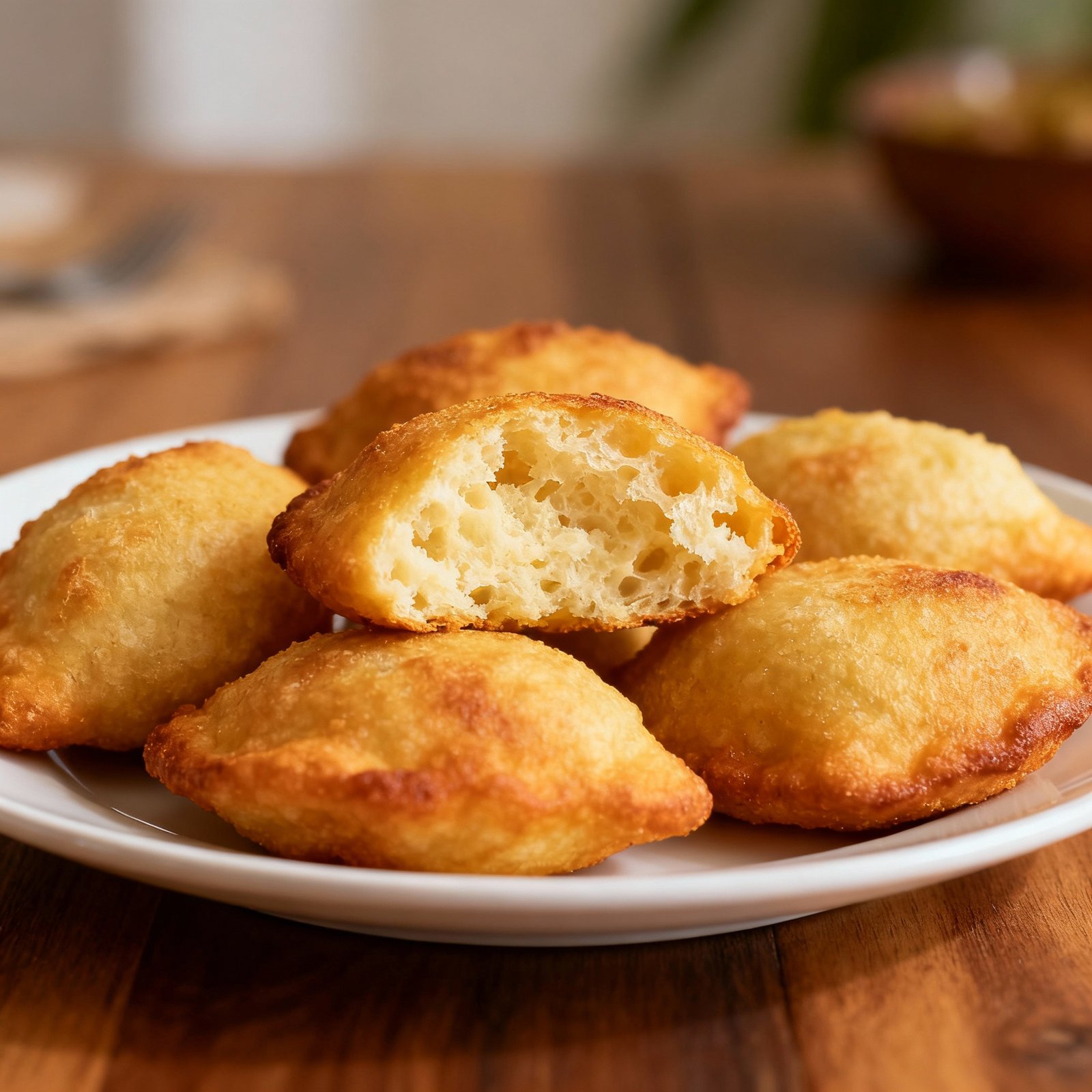
Jamaican dumplings are a cornerstone of Caribbean cuisine, a comforting and versatile staple enjoyed with everything from stewed meats and callaloo to fried fish and breakfast ackee and saltfish. These aren’t your typical, delicate dumplings; they’re hearty, substantial, and incredibly satisfying. This recipe delivers authentic Jamaican dumplings that are fluffy on the inside and slightly crisp on the outside, perfect for soaking up flavorful sauces or enjoying on their own. Get ready to experience a taste of Jamaica in your own kitchen!
Why This Recipe Works
This recipe focuses on the key elements that make Jamaican dumplings truly special:
- The Right Flour Blend: Using a combination of all-purpose flour and cornmeal creates a unique texture – the all-purpose provides structure and chewiness, while the cornmeal adds a subtle sweetness and a slightly grainy texture that’s characteristic of authentic Jamaican dumplings.
- The Importance of Cold Water: Cold water helps to prevent the gluten in the flour from overdeveloping, resulting in a tender dumpling. Warm water can lead to tough, chewy dumplings.
- Proper Kneading: Kneading the dough develops the gluten just enough to hold the dumplings together without making them dense. We’re aiming for a smooth, but not overly elastic, dough.
- The Boiling Method: Boiling in salted water allows the dumplings to cook evenly and develop a slightly crisp exterior.
Ingredients
- 2 cups all-purpose flour
- 1/2 cup yellow cornmeal
- 1 teaspoon salt
- 1 cup cold water (plus more if needed, added 1 tablespoon at a time)
- 1 tablespoon butter or vegetable oil (optional, for richness)
Instructions
- Combine Dry Ingredients: In a large bowl, whisk together the all-purpose flour, cornmeal, and salt. This ensures the salt is evenly distributed throughout the dough.
- Add Water Gradually: Gradually add the cold water to the dry ingredients, mixing with your hands or a wooden spoon until a shaggy dough forms. Start with ¾ cup of water and add more, one tablespoon at a time, until the dough just comes together. Be careful not to overwater the dough; it should be slightly sticky but not wet.
- Knead the Dough: Turn the dough out onto a lightly floured surface. Knead for about 5-7 minutes, or until the dough is smooth and elastic. The dough should be firm but pliable. If the dough is too sticky, add a little more flour, one tablespoon at a time. If the dough is too dry, add a little more water, one teaspoon at a time.
- Rest the Dough: Cover the dough with a clean kitchen towel or plastic wrap and let it rest for at least 15 minutes. This allows the gluten to relax, making the dumplings more tender.
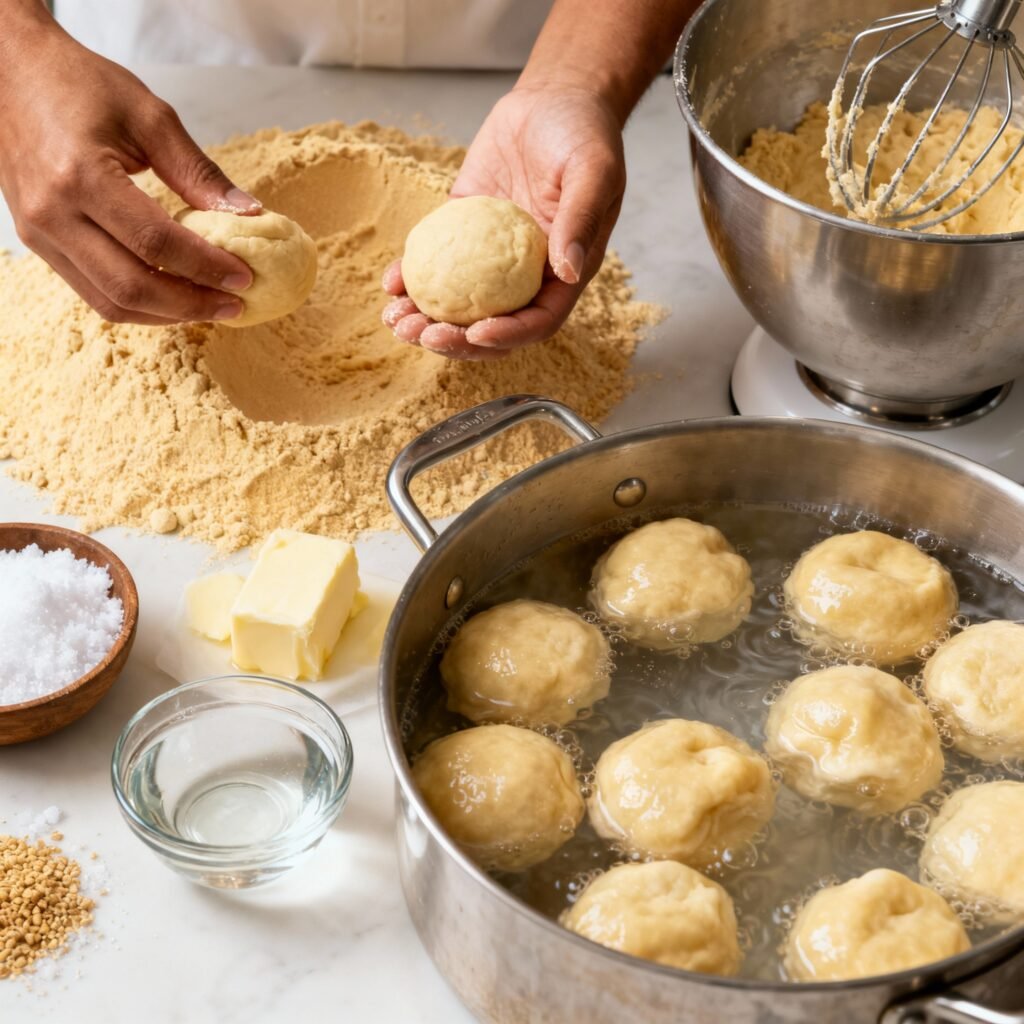
- Shape the Dumplings: Bring a large pot of salted water to a rolling boil. While the water is heating, divide the dough into 8-10 equal portions. Roll each portion into a ball, then flatten it slightly into a disk shape. You can also shape them into longer, more cylindrical shapes if you prefer.
- Boil the Dumplings: Carefully drop the dumplings into the boiling water. Be careful not to overcrowd the pot; work in batches if necessary.
- Cook the Dumplings: Once the dumplings float to the surface, reduce the heat to medium and cook for another 15-20 minutes, or until they are cooked through and slightly firm to the touch. You can test for doneness by cutting one open; the inside should be cooked through and not doughy.
- Drain and Serve: Remove the dumplings from the pot with a slotted spoon and drain them well. Serve hot with your favorite Jamaican dishes.
Tips for Success
- Don’t Overwork the Dough: Over-kneading will result in tough dumplings. Knead just until the dough is smooth and elastic.
- Use Cold Water: This is crucial for tender dumplings.
- Adjust Water as Needed: The amount of water needed may vary depending on the humidity and the type of flour you use. Add water gradually until the dough comes together.
- Don’t Overcrowd the Pot: Overcrowding the pot will lower the water temperature and cause the dumplings to stick together. Cook in batches if necessary.
- Experiment with Flavors: For a richer flavor, you can add a tablespoon of butter or vegetable oil to the dough. You can also add a pinch of sugar for a slightly sweeter taste.
Storage Instructions
Cooked Jamaican dumplings can be stored in an airtight container in the refrigerator for up to 3 days. To reheat, you can steam them, pan-fry them, or microwave them. Pan-frying will help to restore some of the crispness.
FAQ
Can I use self-rising flour?
No, self-rising flour is not recommended for this recipe. It will result in a different texture and may cause the dumplings to be too puffy.
Can I add spices to the dough?
Yes, you can add spices to the dough! A pinch of nutmeg, cinnamon, or allspice can add a warm and flavorful touch.
Can I freeze the dumplings?
Yes, you can freeze cooked Jamaican dumplings. Allow them to cool completely, then wrap them individually in plastic wrap or place them in a freezer bag. They can be stored in the freezer for up to 2 months. To reheat, thaw them overnight in the refrigerator and then steam, pan-fry, or microwave them.
Why are my dumplings tough?
Tough dumplings are usually caused by over-kneading the dough or using warm water. Be sure to use cold water and knead the dough just until it is smooth and elastic.
Can I make these gluten-free?
Yes, you can experiment with gluten-free flour blends. Look for a blend that is designed for baking and contains xanthan gum. The texture may be slightly different, but you can still enjoy delicious gluten-free Jamaican dumplings.
Conclusion
Making Jamaican dumplings from scratch is easier than you might think! With a few simple ingredients and these helpful tips, you can create delicious, authentic dumplings that will transport you to the sunny shores of Jamaica. Whether you’re serving them with a hearty stew or enjoying them as a satisfying snack, these dumplings are sure to become a family favorite. So, gather your ingredients, roll up your sleeves, and get ready to experience the taste of Jamaica!