Kimchi Jjigae Recipe: The Ultimate Comfort Food Stew
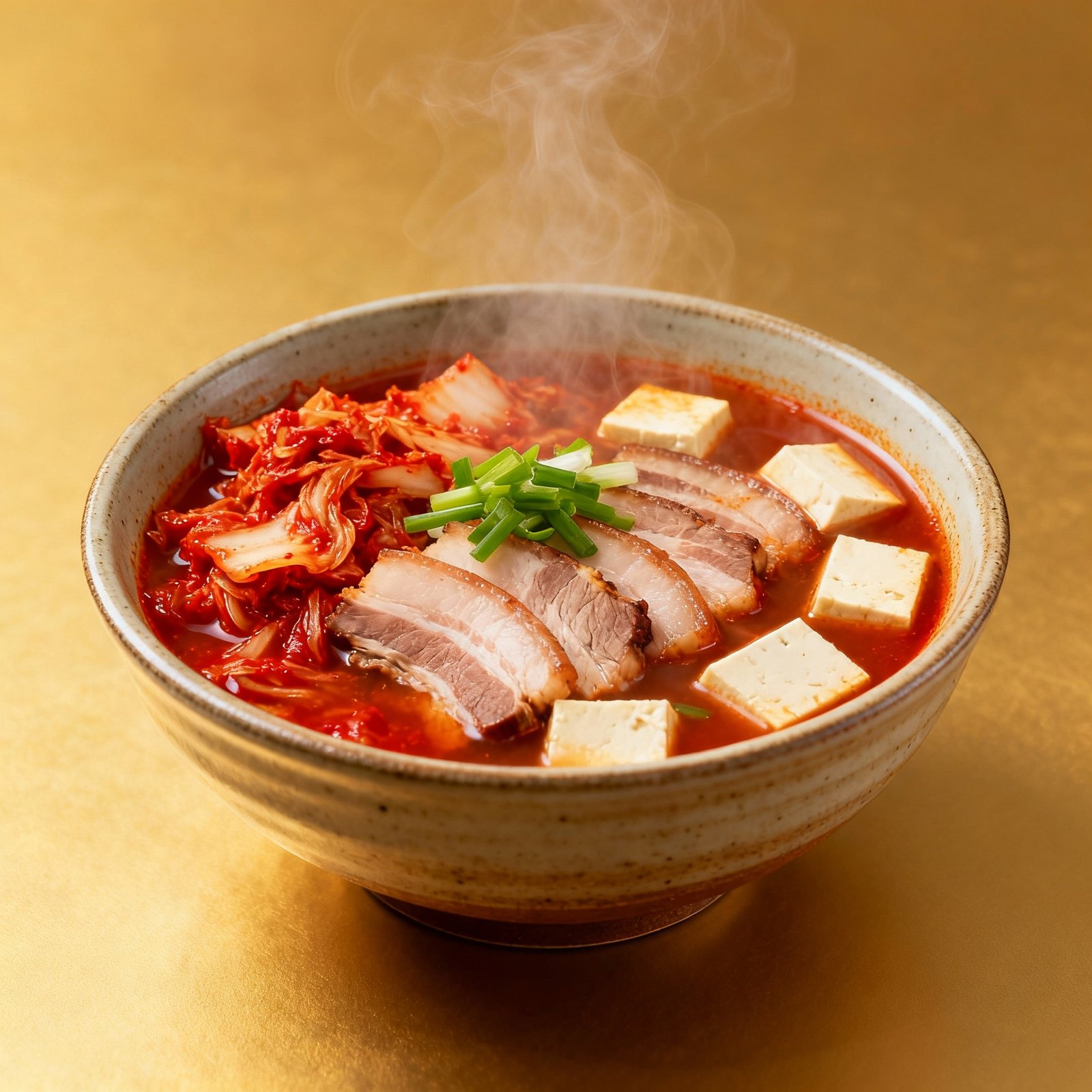
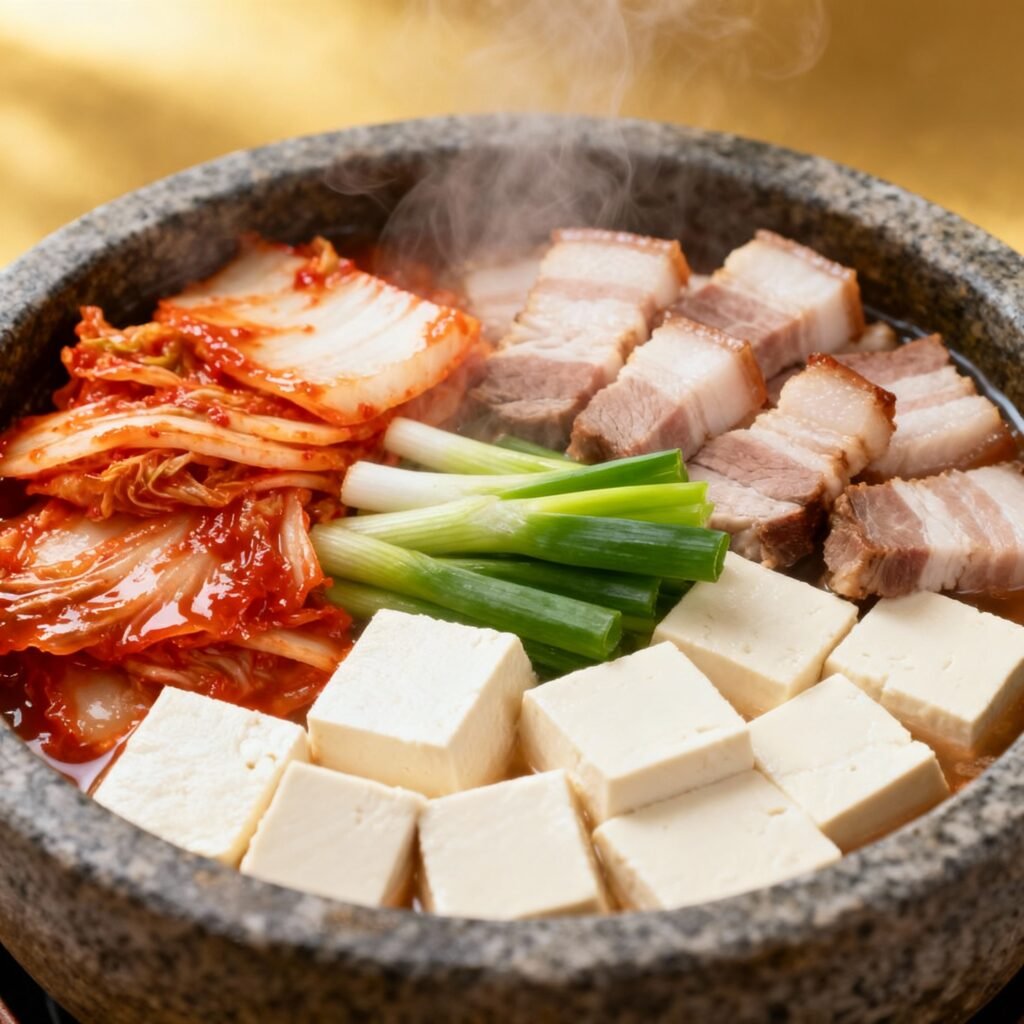
Kimchi jjigae, or kimchi stew, is a staple in Korean cuisine, and for good reason! This spicy, savory, and deeply flavorful stew is incredibly comforting, easy to make, and packed with gut-friendly probiotics thanks to the fermented kimchi. It’s the perfect dish for a chilly evening, a quick weeknight dinner, or anytime you’re craving a taste of Korea. This recipe delivers authentic flavors and a satisfyingly rich broth that will have you coming back for more.
Why This Recipe Works
This recipe focuses on building layers of flavor to create a truly exceptional kimchi jjigae. Here’s what makes it stand out:
- Using Aged Kimchi: The key to a great kimchi jjigae is using kimchi that’s well-fermented and sour. Older kimchi has a deeper, more complex flavor that infuses the entire stew.
- Pork Belly Power: Pork belly adds richness and depth to the broth, creating a savory foundation for the other ingredients. If you’re vegetarian or vegan, you can substitute with mushrooms or omit the pork entirely.
- Gochugaru (Korean Chili Powder): Gochugaru provides the signature spiciness and vibrant red color of kimchi jjigae. Using the right amount is crucial for achieving the perfect level of heat.
- Doenjang (Korean Soybean Paste): A touch of doenjang adds umami and complexity to the broth, balancing the sourness of the kimchi and the richness of the pork.
- Tofu Texture: Silken or firm tofu adds a creamy or chewy element to the stew, providing a satisfying contrast to the other textures.
Ingredients
- 1 tablespoon vegetable oil
- 4 ounces pork belly, sliced into 1/4-inch thick pieces (substitute with mushrooms for vegetarian/vegan option)
- 1 medium onion, thinly sliced
- 2 cloves garlic, minced
- 1 inch ginger, minced
- 1/2 cup well-fermented kimchi, chopped (the sourer, the better!)
- 1 tablespoon gochugaru (Korean chili powder), adjust to taste
- 1 teaspoon doenjang (Korean soybean paste)
- 4 cups chicken or vegetable broth
- 1 package (14-16 ounces) silken or firm tofu, drained and cubed
- 1/2 cup sliced scallions
- 1/4 cup kimchi juice (optional, for extra flavor)
- Salt and pepper to taste
- Cooked rice, for serving
Instructions
- Sauté the Pork (or Mushrooms): In a large pot or Dutch oven, heat the vegetable oil over medium heat. Add the pork belly (or mushrooms) and cook until browned on all sides, about 5-7 minutes. If using mushrooms, cook until softened and slightly browned.
- Build the Flavor Base: Add the sliced onion, minced garlic, and minced ginger to the pot. Cook until the onion is softened and translucent, about 3-5 minutes.
- Add the Kimchi and Spices: Stir in the chopped kimchi, gochugaru, and doenjang. Cook for 2-3 minutes, stirring constantly, to allow the flavors to meld together.
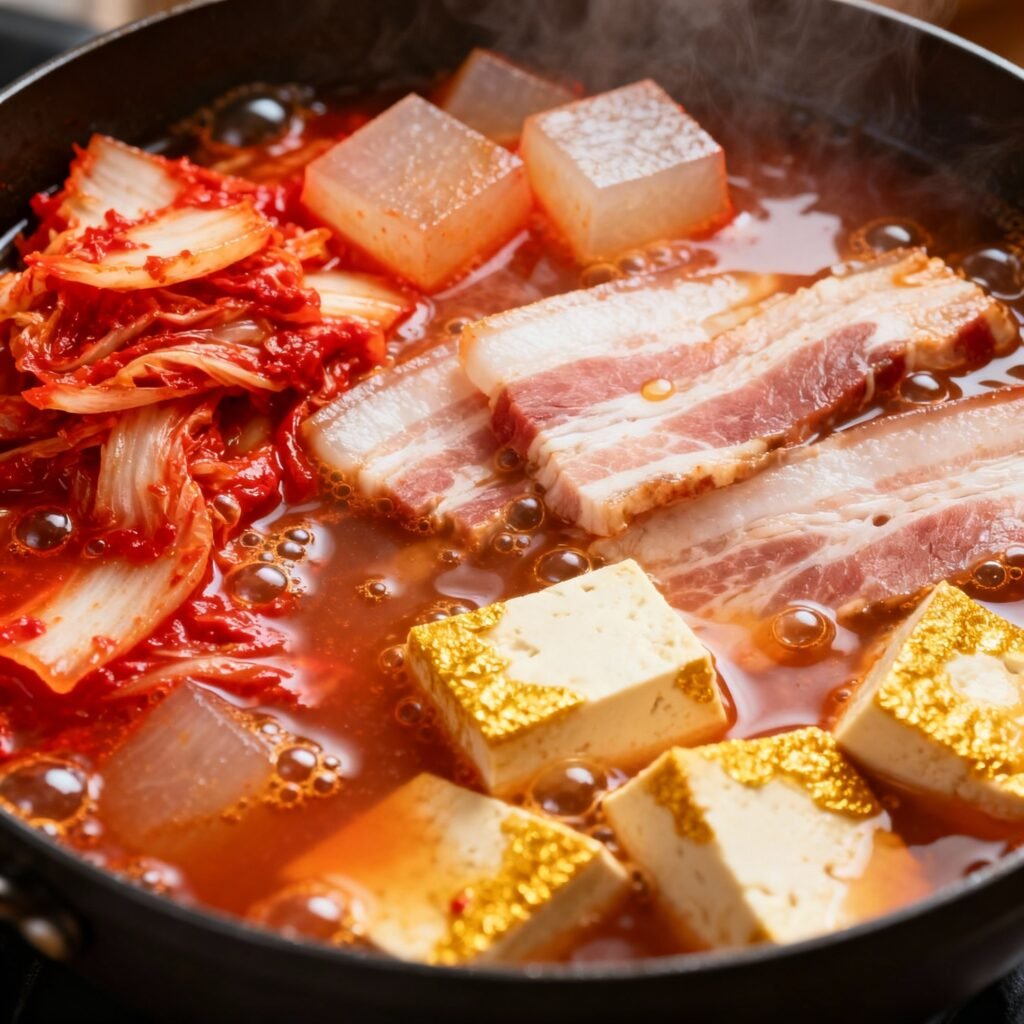
- Simmer the Stew: Pour in the chicken or vegetable broth and bring to a boil. Reduce the heat to low, cover, and simmer for at least 15 minutes, or up to 30 minutes, to allow the flavors to develop. The longer it simmers, the richer the flavor will be.
- Add the Tofu: Gently stir in the cubed tofu and simmer for another 5-7 minutes, until the tofu is heated through.
- Finish and Serve: Stir in the sliced scallions and kimchi juice (if using). Taste and adjust seasonings with salt and pepper as needed.
- Serve Hot: Ladle the kimchi jjigae into bowls and serve immediately with cooked rice.
Tips for Success
- Don’t Skimp on the Kimchi: The quality and age of your kimchi will significantly impact the flavor of the stew. Use well-fermented, sour kimchi for the best results.
- Adjust the Spice Level: Gochugaru can vary in heat, so start with a tablespoon and add more to taste. If you prefer a milder stew, reduce the amount of gochugaru.
- Customize with Your Favorite Ingredients: Kimchi jjigae is a versatile dish. Feel free to add other ingredients like enoki mushrooms, ramen noodles, or even a fried egg on top.
- Don’t Overcook the Tofu: Adding the tofu towards the end prevents it from becoming too soft and falling apart.
- Use Good Quality Broth: The broth is the foundation of the stew, so use a good quality chicken or vegetable broth for the best flavor. Homemade broth is always a great option!
Storage Instructions
Kimchi jjigae can be stored in an airtight container in the refrigerator for up to 3 days. The flavors will actually deepen and improve overnight! Reheat gently on the stovetop or in the microwave until heated through. You may need to add a splash of water or broth if the stew has thickened too much during storage.
FAQ
- Can I make this vegetarian or vegan? Yes! Simply substitute the pork belly with mushrooms (such as shiitake or oyster mushrooms) or omit it entirely. Ensure your doenjang is vegan, as some brands may contain fish sauce.
- Can I use fresh kimchi? While you can use fresh kimchi, the flavor won’t be as intense. If using fresh kimchi, consider adding a splash of rice vinegar or lemon juice to mimic the sourness of fermented kimchi.
- Where can I buy gochugaru and doenjang? You can find gochugaru and doenjang at most Asian grocery stores or online retailers.
- Can I freeze kimchi jjigae? While you can freeze kimchi jjigae, the texture of the tofu may change slightly. It’s best to consume it fresh or within a few days of making it.
- What if I don’t have chicken or vegetable broth? You can use water, but the flavor will be less rich. Consider adding a bouillon cube or some soy sauce to enhance the flavor.
Conclusion
Kimchi jjigae is a truly rewarding dish to make at home. With its bold flavors, comforting warmth, and simple preparation, it’s a guaranteed crowd-pleaser. So gather your ingredients, follow this recipe, and experience the deliciousness of authentic Korean cuisine. Enjoy!