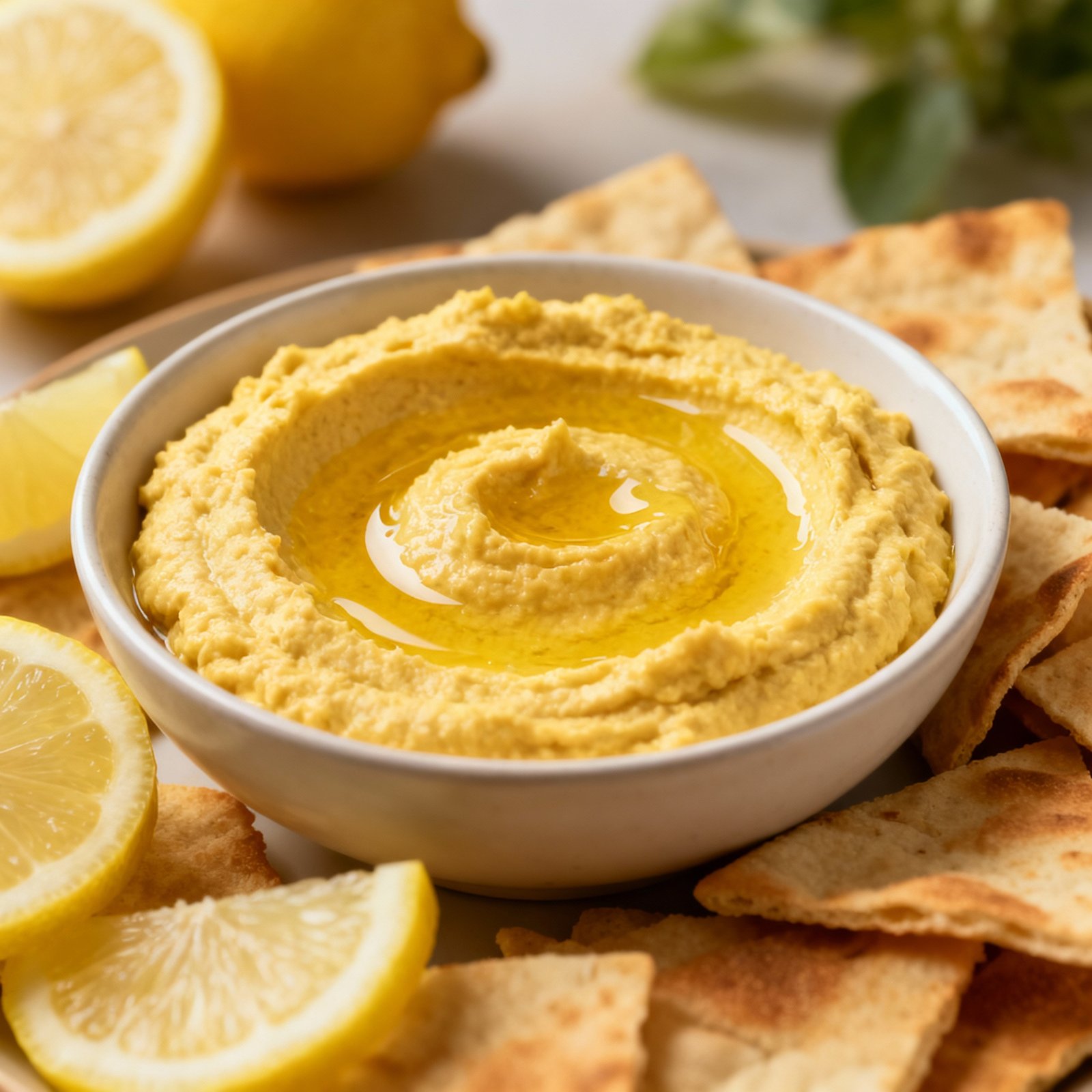
Lemon Hummus Recipe: Sunshine in Every Bite!
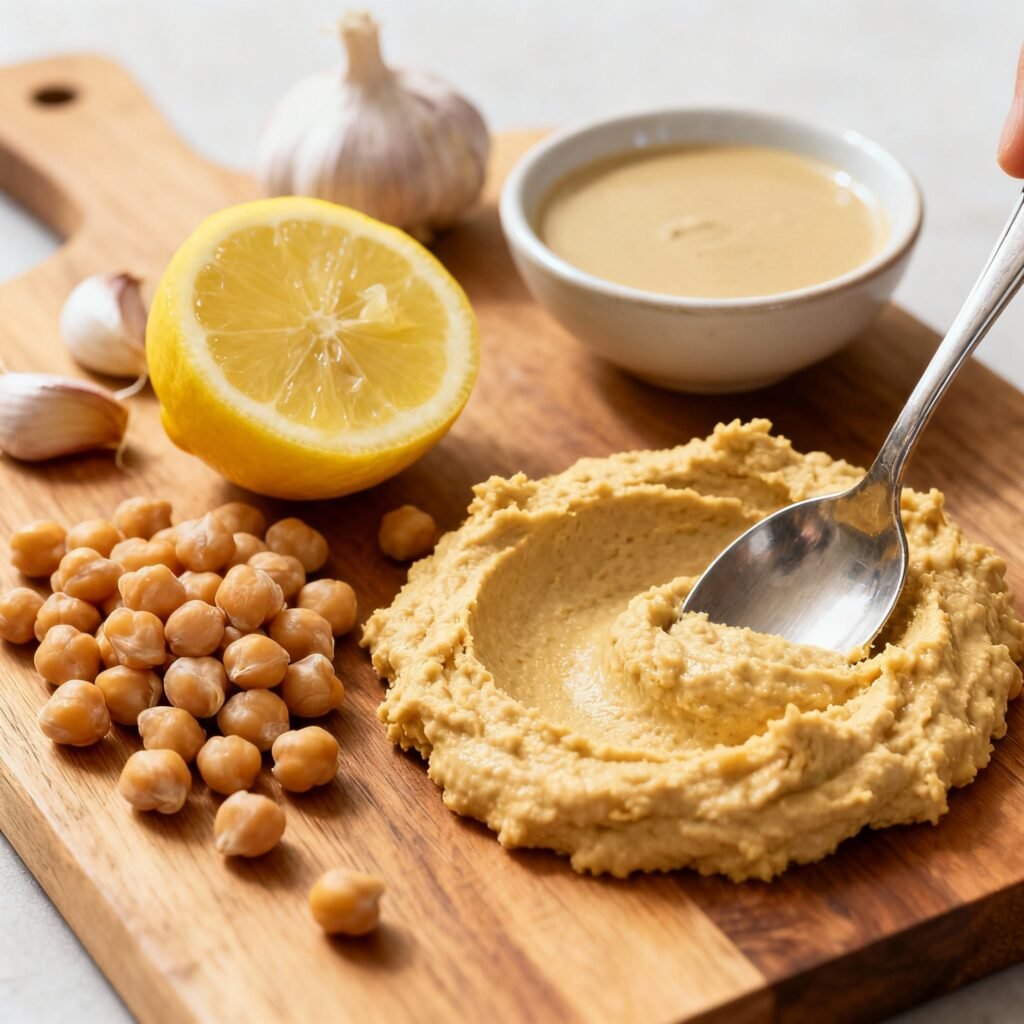
Hummus, that creamy, dreamy dip made from chickpeas, is a staple in many kitchens for good reason. It’s healthy, versatile, and incredibly delicious. But sometimes, you crave a little something extra, a burst of brightness to elevate your hummus experience. That’s where this Lemon Hummus recipe comes in! This isn’t your average hummus; we’re infusing it with the vibrant tang of fresh lemon juice and zest, creating a dip that’s both refreshing and deeply satisfying. Get ready to ditch the store-bought stuff because once you taste this homemade lemon hummus, you’ll never go back!
Why This Recipe Works
This recipe isn’t just about adding lemon; it’s about balancing the flavors perfectly to create a harmonious blend. Here’s why this recipe shines:
- Fresh Lemon Power: We use both lemon juice and zest to maximize the lemony flavor. The juice provides the tang, while the zest adds a fragrant, aromatic dimension.
- Tahini’s Importance: Good quality tahini is crucial for authentic hummus. It provides the necessary richness and nutty flavor that complements the chickpeas and lemon.
- The Right Chickpeas: Canned chickpeas are convenient, but for the smoothest hummus, we recommend cooking dried chickpeas. They have a superior texture and flavor. If using canned, rinsing them thoroughly is key.
- Ice Water Secret: Adding a bit of ice water during the blending process helps create a light and fluffy texture.
- Garlic Infusion: A clove of garlic adds a subtle kick, but we don’t want it to overpower the lemon. We use it sparingly and ensure it’s well-minced.
- Blending Technique: Patience is key! Blending for a few minutes allows the ingredients to emulsify properly, resulting in a smooth and creamy hummus.
Ingredients
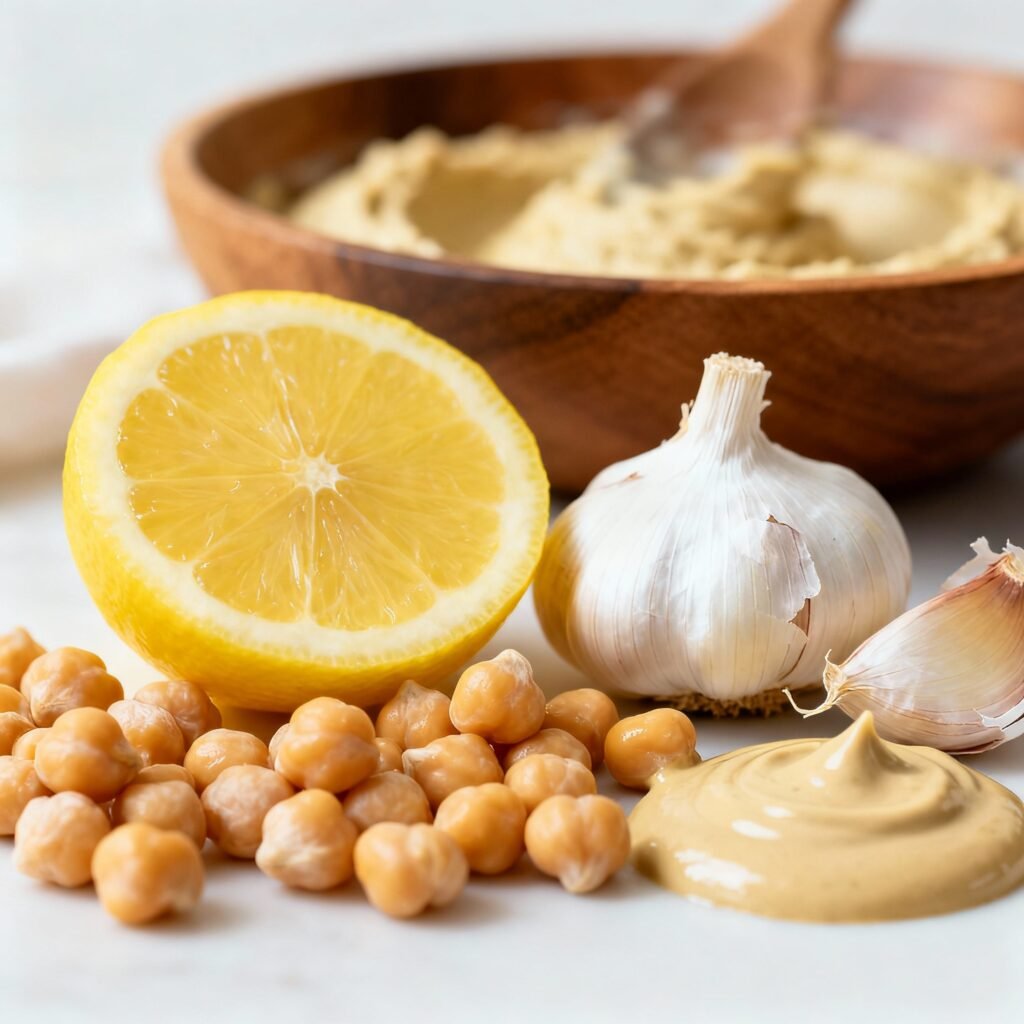
- 1 (15-ounce) can chickpeas, drained and rinsed thoroughly (or 1 ½ cups cooked dried chickpeas)
- ¼ cup tahini
- ¼ cup fresh lemon juice (from about 1-2 lemons), plus more to taste
- 1 tablespoon lemon zest (from about 1 lemon)
- 1 clove garlic, minced
- 2 tablespoons olive oil, plus more for drizzling
- 2-4 tablespoons ice water, or more as needed
- ½ teaspoon salt, or more to taste
- ¼ teaspoon ground cumin
- Pinch of paprika (optional, for garnish)
- Fresh parsley, chopped (optional, for garnish)
Instructions
- Prepare the Chickpeas (if using canned): Drain and rinse the canned chickpeas very well under cold water. Rub them vigorously between your hands to remove as many of the skins as possible. This helps create a smoother hummus.
- Combine Ingredients: In a food processor, combine the chickpeas, tahini, lemon juice, lemon zest, minced garlic, olive oil, salt, and cumin.
- Blend: Process the mixture for about 1-2 minutes, scraping down the sides of the bowl as needed, until it starts to become a thick paste.
- Add Ice Water: With the food processor running, slowly drizzle in 2 tablespoons of ice water. Continue to blend for another 1-2 minutes, scraping down the sides as needed.
- Adjust Consistency: If the hummus is still too thick, add another 1-2 tablespoons of ice water, one tablespoon at a time, until you reach your desired consistency. The hummus should be smooth, creamy, and easily spreadable.
- Taste and Adjust: Taste the hummus and adjust the seasonings as needed. You may want to add more lemon juice for a tangier flavor, more salt to enhance the overall taste, or a pinch more cumin for warmth.
- Serve: Transfer the hummus to a serving bowl. Drizzle with olive oil, sprinkle with paprika (if using), and garnish with fresh parsley (if using). Serve with pita bread, vegetables, crackers, or anything else you like!
Tips for Success
- Quality Tahini Matters: Invest in good quality tahini. The flavor will significantly impact the final result. Look for tahini that is smooth, creamy, and has a slightly nutty aroma.
- Don’t Skimp on the Lemon: The lemon is the star of this recipe, so don’t be afraid to use plenty of it. Taste as you go and adjust to your preference.
- Remove Chickpea Skins (Optional but Recommended): While not essential, removing the skins from the chickpeas will result in a smoother hummus. It takes a bit of extra time, but it’s worth it!
- Warm Chickpeas (Optional): Some people prefer to use slightly warmed chickpeas for a smoother texture. You can gently warm them in the microwave for a minute or two before blending.
- Use a High-Powered Food Processor: A high-powered food processor will make the blending process much easier and result in a smoother hummus.
- Be Patient: Blending the hummus for a few minutes is essential for achieving a creamy texture. Don’t rush the process!
- Taste, Taste, Taste!: The beauty of homemade hummus is that you can customize it to your liking. Taste as you go and adjust the seasonings until it’s perfect for you.
Storage Instructions
Store leftover lemon hummus in an airtight container in the refrigerator for up to 5 days. The hummus may thicken slightly as it sits, so you may need to add a tablespoon or two of water to restore its creamy consistency before serving. You can also freeze hummus for up to 2 months. Thaw it in the refrigerator overnight before serving, and again, you may need to add a little water to bring it back to its original texture.
FAQ
- Can I use dried chickpeas instead of canned? Absolutely! Cooking dried chickpeas from scratch will result in a richer, more flavorful hummus. Soak 1 cup of dried chickpeas overnight, then drain and rinse them. Cook them in a pot of water for about 1-1.5 hours, or until they are very tender. You’ll need about 1 ½ cups of cooked chickpeas for this recipe.
- Can I use bottled lemon juice? While fresh lemon juice is always best, you can use bottled lemon juice in a pinch. However, the flavor may not be as bright and vibrant.
- I don’t have tahini. Can I substitute something else? Tahini is a key ingredient in hummus, so it’s difficult to replicate the flavor and texture without it. If you absolutely can’t find tahini, you could try using cashew butter or almond butter, but the flavor will be different.
- My hummus is too thick. How can I thin it out? Add a tablespoon or two of ice water at a time, blending until you reach your desired consistency.
- My hummus is bitter. What went wrong? The bitterness could be due to a few things. First, make sure you’re using good quality tahini. Sometimes, cheaper tahini can be bitter. Second, too much garlic can also cause bitterness. Finally, make sure you’re using fresh lemon juice. Bottled lemon juice can sometimes have a bitter aftertaste.
Conclusion
This Lemon Hummus recipe is a delightful twist on a classic favorite. The bright and tangy lemon flavor elevates the creamy chickpeas to create a dip that’s perfect for snacking, entertaining, or adding a healthy boost to your meals. So, gather your ingredients, fire up your food processor, and get ready to experience sunshine in every bite! Enjoy!