🍋 Best Lemon Madeleines Recipe: Soft, Buttery & Foolproof
So, you’re craving something fancy, French, and buttery, but you’re currently wearing sweatpants and have zero intention of leaving the house? Same.
Listen, I get it. Sometimes you want a dessert that looks like you attended the Le Cordon Bleu, but honestly, you just want to whisk some stuff in a bowl and eat within the hour. Enter the humble, yet visually striking, madeleine.
A lot of people get intimidated by these little shell-shaped sponge cakes. They think there’s some dark wizardry involved in getting that signature “hump” on the back. But I’m here to tell you: it’s actually super easy. If you can melt butter and crack an egg without getting shells in the bowl (mostly), you can nail this lemon madeleines recipe.
Let’s get baking, because my tea is getting cold and these little cakes aren’t going to eat themselves. (Actually, they might, if I don’t get to them first).
Why This Recipe is Awesome
Okay, aside from the fact that these taste like literal sunshine trapped in a sponge cake, there are a few solid reasons why this specific recipe is going to become your new obsession.
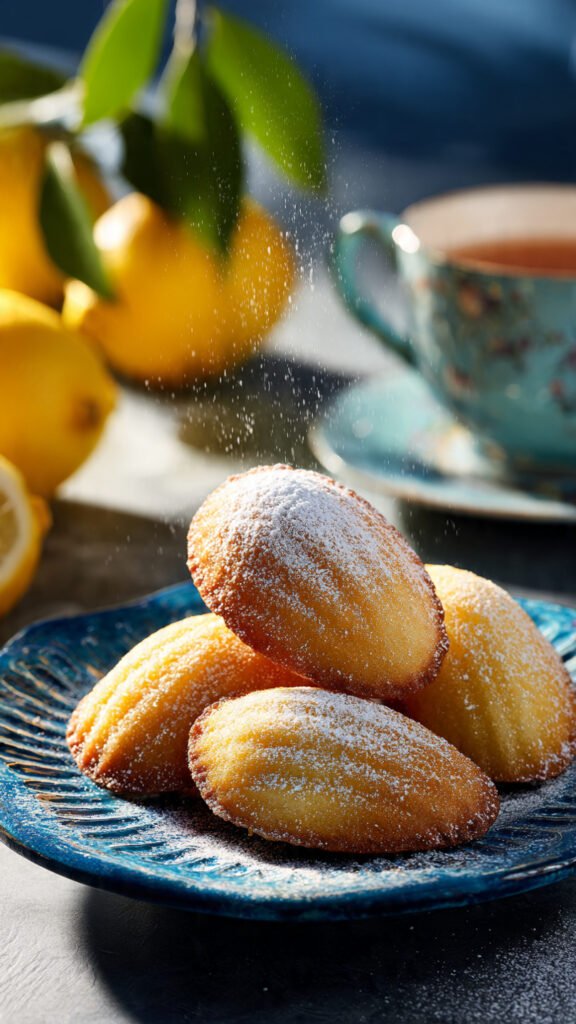
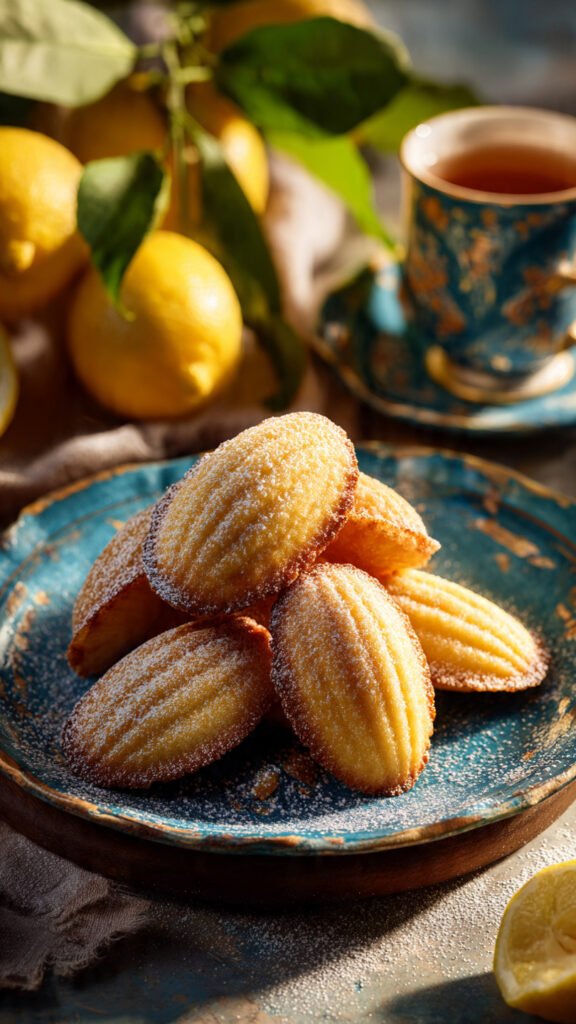
First off, the texture is elite. We aren’t making dry, crumbly biscuits here. We are aiming for a texture that is light, airy, and sponge-like, with crisped-up golden edges that provide the perfect crunch before you hit the soft center. It’s a textural rollercoaster, and you have a front-row seat.
Secondly, it’s idiot-proof. I’ve tested this. I’ve made these while distracted, while tired, and arguably while mildly dehydrated from too much coffee. They still work. The ratios in this recipe are designed to be forgiving. As long as you respect the “chill time” (more on that later—it’s non-negotiable, don’t fight me on this), the oven will do the heavy lifting for you.
The Science of the “Hump” (Because we’re nerds now): Let’s talk about the elephant in the room: The Hump. The “boss.” That little mound that rises in the center of the madeleine. Why is this recipe awesome? Because it guarantees the hump.
The secret isn’t magic; it’s thermal shock. By chilling the batter until it’s fridge-cold and then throwing it into a scorching hot oven, the blast of heat causes the water in the batter to turn to steam rapidly. This steam pushes the center of the cake up before the top crusts over. This recipe maximizes that reaction. You’re basically engineering a delicious explosion.
Lastly, the lemon flavor profile here is aggressive in the best way possible. We aren’t doing “hint of lemon.” We are doing “zest of two whole lemons plus a glaze.” It cuts through the richness of the butter so you can eat five of them without feeling heavy. It’s basically a fruit salad, right? (Don’t answer that).
Ingredients You’ll Need
Don’t panic. You probably have all of this in your pantry right now. If not, a quick store run is worth it.
- All-Purpose Flour: Just standard plain flour. No need for fancy cake flour here; we want enough protein structure to hold the shape.
- Baking Powder: The muscle. This gives us the lift. Ensure it’s not expired (if it’s been in the back of your cupboard since 2018, throw it out, please).
- Salt: To balance the sweet. A tiny pinch makes the lemon pop.
- Sugar: White granulated sugar. It creates that crisp outer shell we all know and love.
- Lemon Zest: You need fresh lemons. Do not—I repeat, do not—use bottled lemon juice for this part. You need the oils from the skin. We are using the zest of 2 whole lemons because we aren’t scared of flavor.
- Eggs: Large, room temperature. Why room temp? They whisk better and incorporate more air. Cold eggs are the enemy of fluffiness.
- Unsalted Butter: We are using a lot of it. Melted and slightly cooled. Use unsalted so we can control the sodium levels (and so we can add sea salt later if we’re feeling fancy).
- Vanilla Extract: Just a splash. It rounds out the sharp citrus notes.
- Honey (The Secret Weapon): Just a tablespoon. Honey holds onto moisture, keeping these madeleines soft for days (if they last that long).
For the Glaze (Optional but recommended):
- Powdered Sugar (Icing Sugar)
- Fresh Lemon Juice
Step-by-Step Instructions
Ready to make magic? Let’s do this. Follow these steps, and don’t skip the resting period!
1. The “Massage” Technique Grab a small bowl. Put your granulated sugar and your lemon zest in there. Now, using your clean fingers, rub the zest into the sugar.
- Why? The abrasive sugar crystals tear open the lemon zest cells, releasing the essential oils. Your kitchen will smell like a citrus grove, and the sugar will turn a pale yellow. This is how you get deep flavor, not just surface flavor.
2. Dry Goods Duty In a separate bowl, whisk together the flour, baking powder, and salt.
- Give it a good whisk to aerate it and ensure there are no clumps of baking powder. Nobody wants to bite into a pocket of pure raising agent. That’s a vibe killer.
3. Whip It Good In a large mixing bowl (or stand mixer), crack your eggs and add the honey and your lemon-infused sugar.
- Beat this mixture on high speed. We are looking for the “Ribbon Stage.” This means when you lift the whisk, the batter falls back down in a thick trail that sits on the surface for a few seconds before sinking. This takes about 5–7 minutes by hand (great workout) or 3 minutes with an electric mixer. Do not skimp on this! This air is crucial for the sponge texture.
4. The Gentle Fold Sift half of your flour mixture into the egg mixture. Use a spatula to gently fold it in.
- Technique: Cut down the middle, scrape the bottom, and fold over. Be gentle. We just spent 5 minutes whipping air into those eggs; don’t knock it all out by stirring like a maniac. Add the second half of the flour and repeat until just combined.
5. Butter Me Up Take a small scoop of your batter and mix it into your melted (and cooled!) butter.
- Pro Tip: This is called “tempering.” It brings the butter and batter to a similar density, making it easier to fold the butter into the main bowl without deflating everything.
- Pour this butter mixture into the main bowl and fold gently until smooth and glossy. Stop as soon as the butter streaks disappear.
6. The Big Chill (IMPERATIVE STEP) Cover the bowl with plastic wrap. Press the plastic directly onto the surface of the batter so a skin doesn’t form.
- Put it in the fridge for at least 1 hour. 2 hours is better. Overnight is legendary.
- Why? This relaxes the gluten (tender cake) and chills the butter (helps the hump rise). If you skip this, you will have flat, sad pancakes. Don’t say I didn’t warn you.
7. Prep and Bake Preheat your oven to 400°F (200°C). Yes, high heat!
- Grease your madeleine pan generously with melted butter and dust with flour (tap out the excess). Even non-stick pans lie sometimes.
- Spoon a tablespoon of cold batter into the center of each mold. Do not spread it out. It will spread itself in the oven.
- Pop them in the oven.
- Turn the oven down to 375°F (190°C) immediately after putting them in.
- Bake for 10–12 minutes. Watch for the hump to rise and the edges to turn golden brown.
8. The Release Remove from the oven. immediately tip the pan upside down over a cooling rack and give it a sharp rap on the counter. They should pop right out.
- Glaze: Whisk powdered sugar and lemon juice until you have a runny glaze. Dip the warm madeleines or drizzle it over the top.
Common Mistakes to Avoid
Even the best of us mess up. Here is how to avoid the “Pinterest Fail” version of this recipe.
- The “Hot Butter” Disaster: If your melted butter is piping hot when you add it to the eggs, you will scramble the eggs. Unless you want lemon-flavored sugary scrambled eggs, let the butter cool until it’s tepid.
- Over-filling the Molds: The batter expands. A lot. If you fill the mold to the brim, you won’t get a shell; you will get a muffin-top situation that merges into one giant mega-cake. Fill them about 3/4 full.
- Peeking in the Oven: I know you want to look. The smell is intoxicating. But opening the oven door releases the heat required for the thermal shock. Keep the door closed until at least the 9-minute mark.
- Skipping the Grease: “My pan is non-stick!” Lies. Madeleine pans have ridges. ridges love to hold onto cake. Butter and flour that pan like your life depends on it.
- Eating Them Day 3: Madeleines are divas. They are best eaten within hours of baking. By day 3, they are dry sponges. If you must keep them, use an airtight container, but really, just eat them fresh.
Alternatives & Substitutions
Not feeling the lemon? Or maybe you’re missing an ingredient? I got you.
- Orange or Lime: Swap the lemon zest/juice 1:1 for orange (softer, sweeter) or lime (punchy, margarita vibes). Blood orange is also visually stunning if you want to be fancy.
- Chocolate Dipped: Skip the glaze. Melt some dark chocolate. Dip the scalloped end of the cooled madeleine into the chocolate. Let it set. Boom. Bakery quality.
- Brown Butter (Beurre Noisette): If you want to elevate this lemon madeleines recipe to god-tier status, brown the butter before cooling it. It adds a nutty, toffee aroma that pairs insanely well with lemon.
- Gluten-Free: You can swap the All-Purpose flour for a high-quality 1:1 Gluten-Free baking blend (like Bob’s Red Mill or King Arthur). They hold up surprisingly well because the eggs provide so much structure.
FYI: I haven’t tried this with egg substitutes (flax eggs, etc.). Madeleines rely heavily on egg protein for the lift, so proceed at your own risk there!
FAQ (Frequently Asked Questions)
1. Why didn’t my madeleines get the hump? Ah, the flat-line. Usually, this is because the batter wasn’t cold enough or the oven wasn’t hot enough. Remember: Thermal Shock is the key. Did you skip the fridge time? Be honest.
2. Do I really need a madeleine pan? Technically… no. You can bake this batter in a mini muffin tin. They will taste the same, but they won’t be madeleines. They will be lemon mini-muffins. Part of the joy is the shell shape!
3. Can I freeze the batter? Yes! This is a pro move. Pipe the batter into the molds, then freeze the whole pan. You can bake them straight from frozen (just add 1–2 minutes to the bake time). Fresh cookies on demand? Dangerous.
4. Why are my madeleines dry? You likely overbaked them. These little guys are small; 30 seconds can be the difference between moist and dry. Take them out when they are just springy to the touch.
5. Can I use margarine instead of butter? Well, technically yes, but why hurt your soul like that? Butter provides the flavor here. Margarine will make them oily and lack that creamy mouthfeel. Stick to the real dairy if you can.
6. How do I store them? Airtight container at room temperature. Do not put the baked cakes in the fridge; they will go stale faster than you can say “Bon Appétit.”

Final Thoughts
See? That wasn’t so scary. You’ve just navigated the science of emulsions, thermal shock, and gluten development, all while making something that tastes like a cloud.
This lemon madeleines recipe is one of those tricks you keep up your sleeve. It’s perfect for unexpected guests, “I’m sorry” gifts, or just a Tuesday afternoon when you need a pick-me-up. The smell of baking lemon and vanilla alone is enough to cure a bad mood.
So, grab your whisk, zest those lemons, and channel your inner French pastry chef. Now go impress someone—or yourself—with your new culinary skills. You’ve earned it!