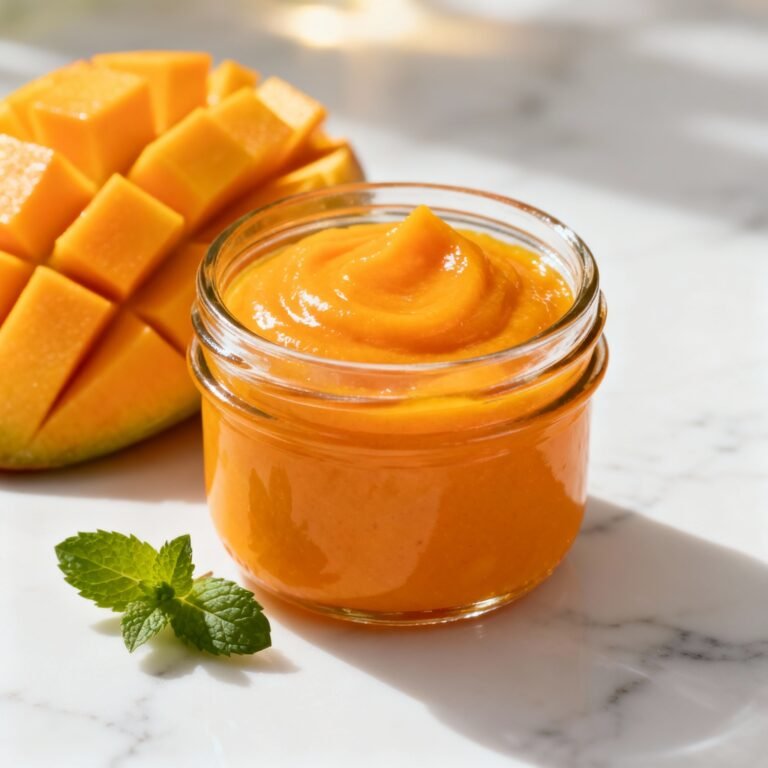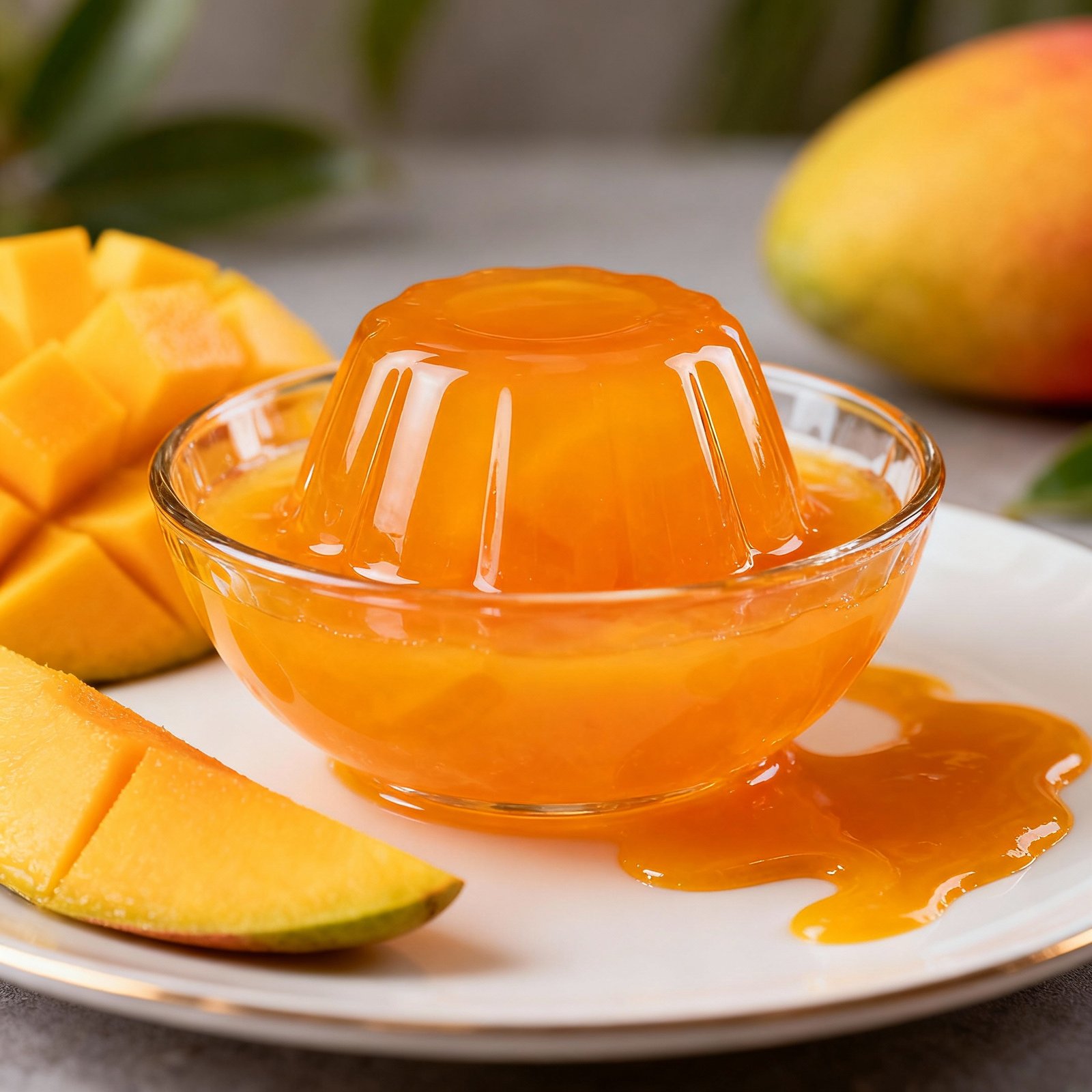
Mango Jelly Recipe: A Tropical Treat That’s Super Easy!
Craving a refreshing and delightful dessert that’s bursting with tropical flavor? Look no further! This mango jelly recipe is incredibly simple to make, requires minimal ingredients, and delivers a jiggly, vibrant treat that’s perfect for any occasion. Whether you’re looking for a light and fruity dessert to cool down on a hot summer day, a fun and easy project to do with kids, or simply a delicious way to enjoy the king of fruits, this recipe is guaranteed to be a winner. Get ready to experience the taste of sunshine in every spoonful!
Why This Recipe Works
This mango jelly recipe is a winner for several reasons:
- Simplicity: It only requires a handful of ingredients, most of which you probably already have in your pantry.
- Easy to Follow: The step-by-step instructions are clear and concise, making it virtually foolproof, even for beginner cooks.
- Customizable: You can easily adjust the sweetness and tartness to your preference. Feel free to use different types of mangoes for varying flavor profiles.
- Kid-Friendly: It’s a fun and engaging activity to do with children, allowing them to participate in the kitchen and learn about cooking.
- Impressive Presentation: The vibrant color and wobbly texture of the jelly make it a visually appealing dessert that’s sure to impress your guests.
- Perfect for Hot Weather: Served chilled, mango jelly is incredibly refreshing and provides a welcome respite from the heat.
- No Baking Required: This is a no-bake dessert, making it ideal for those who want to avoid turning on the oven.
Ingredients
- 2 ripe mangoes (about 500g): Choose mangoes that are fragrant and slightly soft to the touch. Alphonso or Ataulfo mangoes are excellent choices for their sweetness and flavor.
- 1/2 cup granulated sugar: Adjust the amount according to the sweetness of your mangoes and your personal preference.
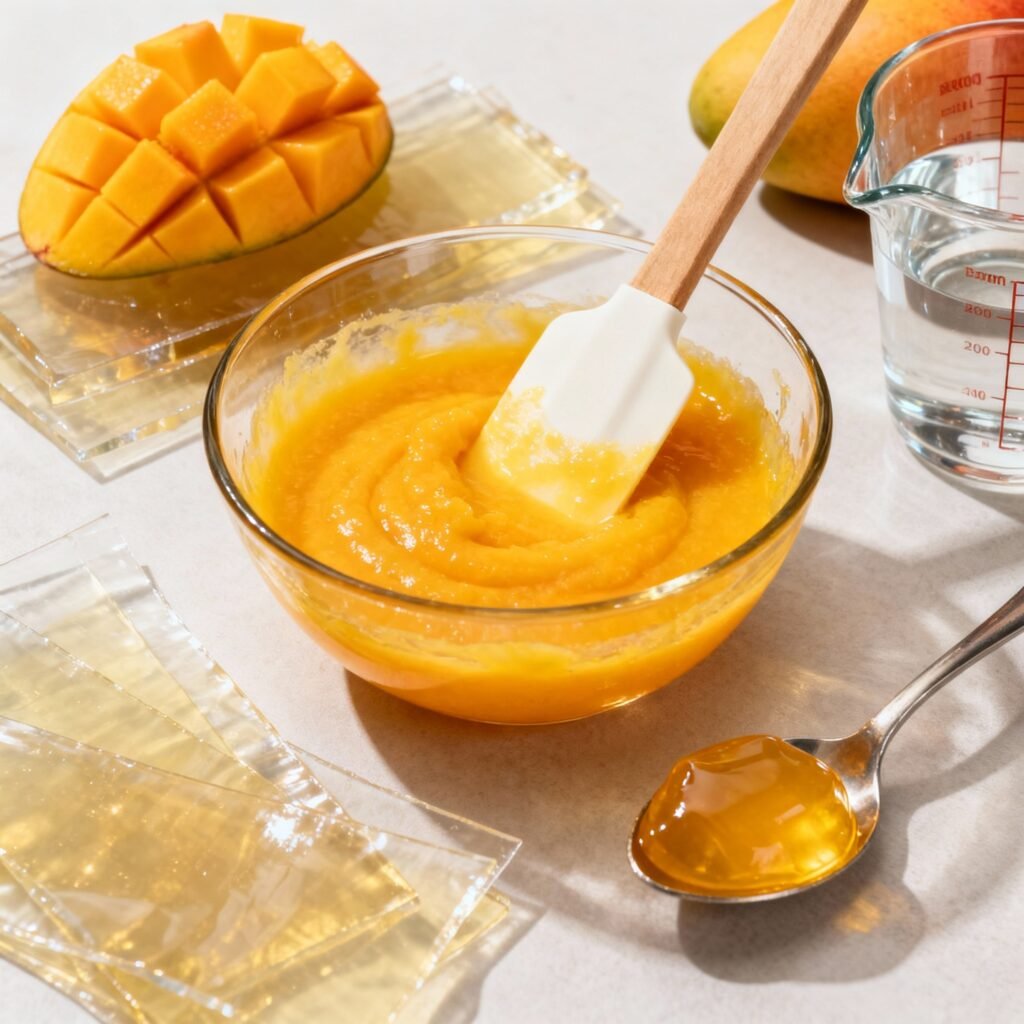
- 3 tablespoons gelatin powder: This is the key ingredient for setting the jelly. Use unflavored gelatin powder.
- 1/2 cup cold water: For blooming the gelatin.
- 2 cups hot water: To dissolve the bloomed gelatin.
- Optional: A squeeze of lime juice to enhance the flavor and add a touch of tartness.
- Optional: Fresh mango chunks for garnish.
Instructions
- Prepare the Mango Puree: Peel and chop the mangoes into chunks. Place the mango chunks in a blender or food processor and blend until smooth. Strain the puree through a fine-mesh sieve to remove any fibers. This step is optional but results in a smoother jelly.
- Bloom the Gelatin: In a small bowl, sprinkle the gelatin powder over the cold water. Let it sit for 5-10 minutes until the gelatin has softened and formed a sponge-like consistency. This process is called blooming and is essential for proper gelatin activation.
- Dissolve the Gelatin: Pour the hot water into a larger bowl. Add the bloomed gelatin to the hot water and stir continuously until the gelatin is completely dissolved. Make sure there are no lumps.
- Combine the Ingredients: Add the mango puree and sugar to the bowl with the dissolved gelatin. Stir well until the sugar is completely dissolved and all ingredients are thoroughly combined. If using, add a squeeze of lime juice.
- Pour into Molds: Pour the mango jelly mixture into individual serving cups, small bowls, or a larger mold. If you’re using a large mold, lightly grease it with cooking spray to prevent the jelly from sticking.
- Chill to Set: Cover the molds with plastic wrap or lids to prevent a skin from forming on the surface. Refrigerate for at least 4-6 hours, or preferably overnight, until the jelly is completely set and firm.
- Unmold (Optional): If you used a large mold, carefully unmold the jelly by dipping the bottom of the mold in warm water for a few seconds. Loosen the edges with a knife and invert the mold onto a serving plate.
- Garnish and Serve: Garnish the mango jelly with fresh mango chunks, whipped cream, or a sprig of mint (optional). Serve chilled and enjoy!
Tips for Success
- Use Ripe Mangoes: The flavor of the jelly heavily relies on the quality of the mangoes. Choose ripe, fragrant mangoes for the best results.
- Strain the Puree: Straining the mango puree removes any fibers and ensures a smoother, more refined texture.
- Bloom the Gelatin Properly: Make sure the gelatin is fully bloomed before dissolving it in hot water. This ensures proper gelatin activation and prevents a grainy texture.
- Dissolve the Gelatin Completely: Stir the gelatin continuously in the hot water until it is completely dissolved. Undissolved gelatin can result in lumps in the final product.
- Adjust Sweetness to Taste: Taste the mango puree before adding sugar and adjust the amount accordingly. Some mangoes are naturally sweeter than others.
- Chill Thoroughly: Allow the jelly to chill for at least 4-6 hours, or preferably overnight, to ensure it is completely set and firm.
- Don’t Overheat the Gelatin: Avoid boiling the gelatin, as this can weaken its setting power.
- Experiment with Flavors: Try adding other fruits like pineapple or passion fruit to the mango puree for a more complex flavor profile.
- Use Different Molds: Get creative with your molds! Use silicone molds in fun shapes for a playful presentation.
Storage Instructions
Store leftover mango jelly in an airtight container in the refrigerator for up to 3-4 days. It’s best to consume it within this time frame for optimal flavor and texture. Do not freeze mango jelly, as it will alter the texture and make it watery upon thawing.
FAQ
Q: Can I use agar-agar instead of gelatin?
A: Yes, you can substitute agar-agar for gelatin. However, the ratio will be different. Generally, you’ll need about 1 teaspoon of agar-agar powder for every 1 tablespoon of gelatin. Agar-agar also requires boiling to activate its gelling properties.
Q: Can I use canned mango pulp instead of fresh mangoes?
A: Yes, you can use canned mango pulp. However, the flavor may not be as fresh as using fresh mangoes. Adjust the sugar accordingly, as canned mango pulp is often sweetened.
Q: My jelly didn’t set properly. What went wrong?
A: There could be several reasons why your jelly didn’t set. Make sure you used the correct amount of gelatin and that it was properly bloomed and dissolved. Also, ensure that you chilled the jelly for a sufficient amount of time. Adding too much liquid or acidic ingredients (like lime juice) can also interfere with the setting process.
Q: Can I add alcohol to the jelly?
A: Yes, you can add a small amount of alcohol, such as rum or vodka, to the jelly for an adult twist. However, be mindful that alcohol can inhibit the setting of the gelatin, so use it sparingly.
Q: Can I make this recipe vegan?
A: Yes, by substituting the gelatin with a vegan alternative like agar-agar or carrageenan. Follow the instructions on the package of your chosen vegan gelling agent for the correct ratio and preparation method.
Conclusion
This mango jelly recipe is a delightful and easy way to enjoy the taste of summer all year round. With its simple ingredients, straightforward instructions, and customizable flavor profile, it’s a dessert that’s sure to please everyone. So, grab some ripe mangoes, follow these steps, and get ready to indulge in a jiggly, fruity treat that’s as fun to make as it is to eat! Enjoy!