Maple Candy Recipe: The Sweetest Taste of New England
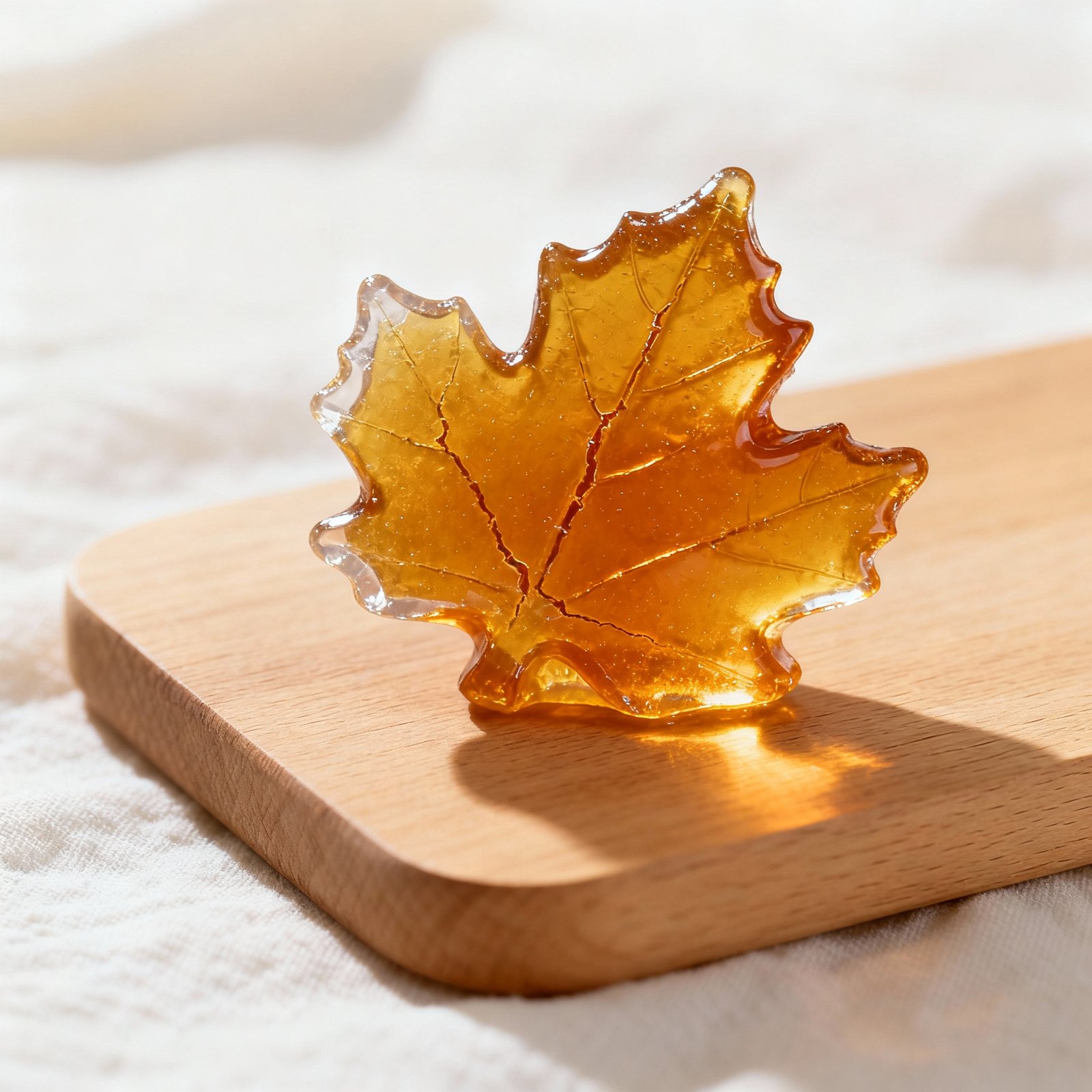
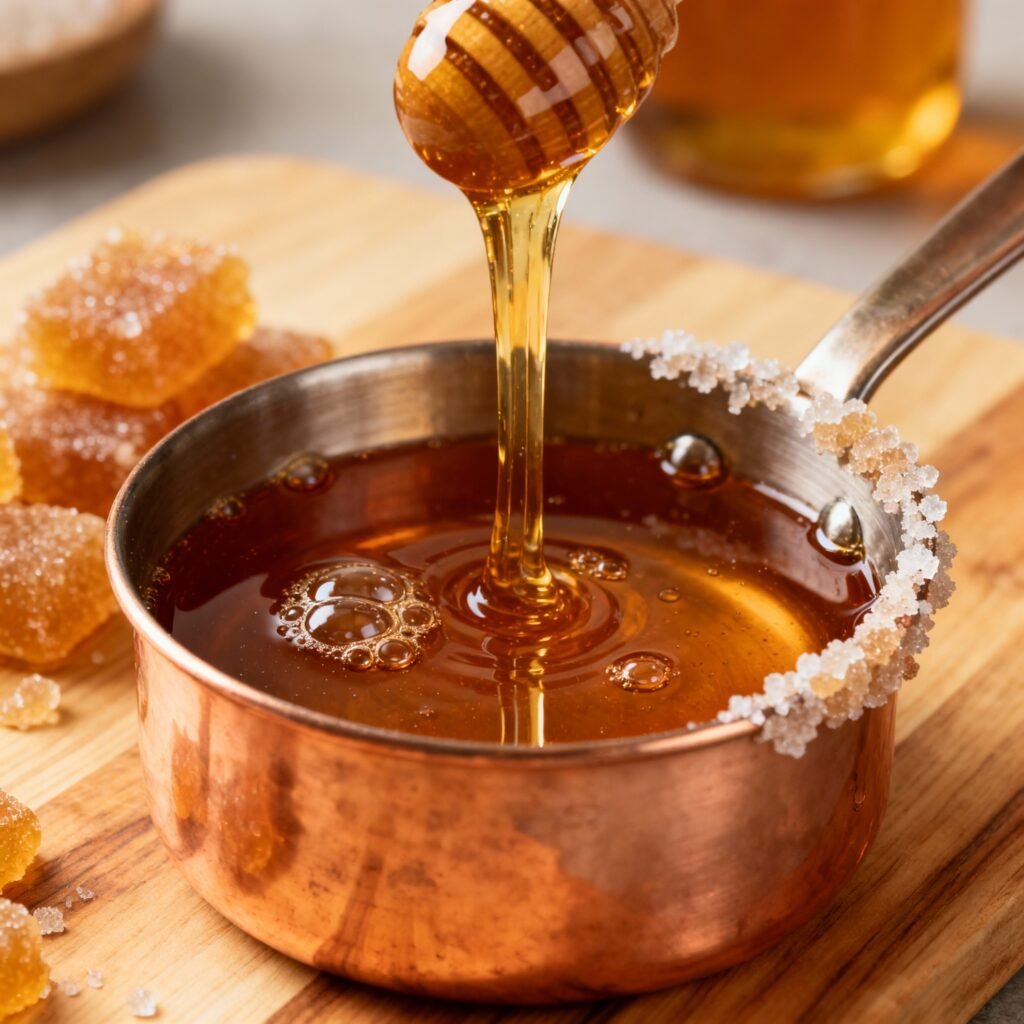
Imagine biting into a perfectly formed piece of maple candy – its texture smooth, its flavor a concentrated burst of pure maple syrup. It’s a taste that evokes crisp autumn days, crackling fireplaces, and the simple pleasures of nature. Making maple candy at home might seem intimidating, but with the right recipe and a little patience, you can easily create this delightful treat in your own kitchen. This recipe is designed to be foolproof, guiding you through each step to achieve that melt-in-your-mouth perfection.
Why This Recipe Works
Many maple candy recipes fail because they don’t emphasize the importance of temperature control. This recipe prioritizes accuracy by using a candy thermometer to ensure the syrup reaches the precise “soft ball” stage. This stage is crucial for achieving the right consistency – firm enough to hold its shape, yet soft enough to melt in your mouth. We also incorporate a simple stirring technique and cooling process that further contributes to the smooth, creamy texture you crave. We also focus on using 100% pure maple syrup, which is essential for achieving the authentic, rich maple flavor that makes this candy so special. No artificial flavors or substitutes here! The result is a candy that captures the essence of maple syrup in a delightful, bite-sized form.
Ingredients
- 1 cup (240ml) 100% Pure Maple Syrup: Grade A Dark Color Robust Taste or Grade B (now labeled Grade A Very Dark Color Strong Taste) are recommended for the most intense maple flavor. Lighter grades will work, but the flavor will be more subtle.
- 1 tablespoon unsalted butter: This adds a touch of richness and helps prevent the candy from becoming grainy.
- Optional: 1/4 teaspoon vanilla extract: Enhances the maple flavor, but is entirely optional.
Instructions
- Prepare Your Mold: Lightly grease a candy mold, silicone mold, or a baking sheet lined with parchment paper. Having this ready before you start cooking the syrup is crucial.
- Combine Ingredients: In a heavy-bottomed saucepan, combine the maple syrup and butter. The heavy bottom will help prevent scorching.
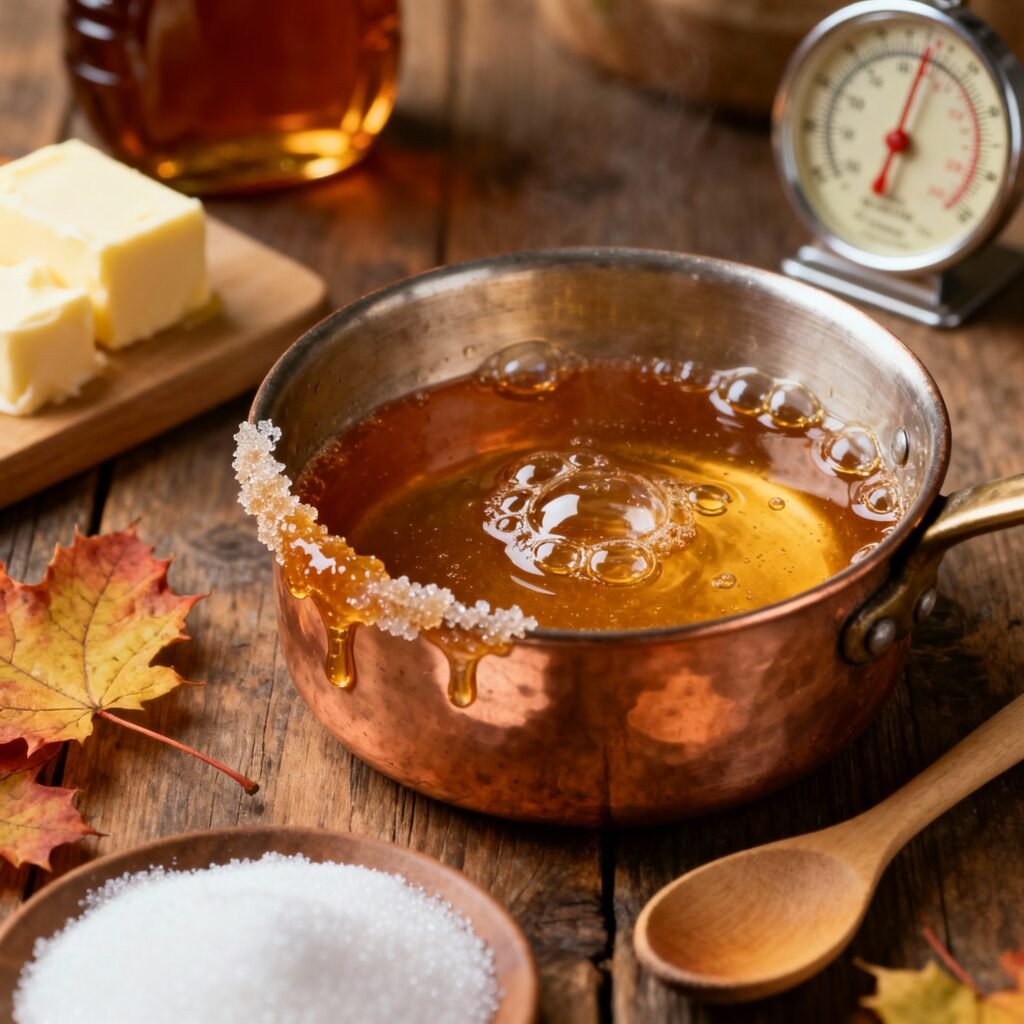
- Cook the Syrup: Place the saucepan over medium heat. Attach a candy thermometer to the side of the pan, making sure it doesn’t touch the bottom. Bring the syrup to a boil, stirring occasionally to prevent sticking.
- Monitor the Temperature: Continue to cook the syrup, without stirring, until the candy thermometer registers 235-240°F (113-116°C), which is the “soft ball” stage. This can take anywhere from 10-20 minutes, depending on your stove and the humidity.
- Remove from Heat: Once the syrup reaches the correct temperature, immediately remove the saucepan from the heat.
- Cool Slightly: Allow the syrup to cool slightly in the saucepan for about 2-3 minutes. This helps prevent the candy from crystallizing too quickly.
- Add Vanilla (Optional): If using, stir in the vanilla extract.
- Stir and Crystallize: Now comes the crucial part. Using a wooden spoon or heat-resistant spatula, begin to stir the syrup gently and continuously. You’ll notice the syrup starts to thicken and become cloudy. This process can take 5-10 minutes. The goal is to encourage small sugar crystals to form, resulting in a smooth texture. Be patient and keep stirring! You’ll see the glossiness fade and the mixture will start to look like fudge.
- Pour into Molds: Once the syrup has thickened considerably and is starting to lose its shine, quickly pour it into your prepared molds or onto the parchment-lined baking sheet. If using a baking sheet, spread the syrup into an even layer.
- Cool Completely: Let the candy cool completely at room temperature until it is firm. This can take several hours. Do not refrigerate, as this can cause the candy to become sticky.
- Remove from Molds (or Break into Pieces): Once the candy is firm, gently remove it from the molds. If you used a baking sheet, break the candy into bite-sized pieces.
- Enjoy! Now you can savor your homemade maple candy.
Tips for Success
- Use a Reliable Candy Thermometer: Accuracy is key! Test your thermometer in boiling water to ensure it’s calibrated correctly. Water boils at 212°F (100°C) at sea level. Adjust for altitude if necessary.
- Don’t Stir Too Much During Cooking: Stirring too frequently while the syrup is boiling can introduce sugar crystals prematurely, leading to grainy candy. Only stir occasionally to prevent sticking.
- Be Patient with the Stirring Process: The stirring process after removing the syrup from the heat is crucial for achieving a smooth texture. Don’t rush it! Keep stirring gently and consistently until the syrup thickens and loses its shine.
- Adjust for Humidity: On humid days, you may need to cook the syrup to a slightly higher temperature (around 242°F/117°C) to compensate for the extra moisture in the air.
- Don’t Scrape the Bottom of the Pan: Avoid scraping the bottom of the saucepan while stirring, as this can dislodge any crystallized sugar and lead to grainy candy.
- Clean Sugar Crystals: If you see sugar crystals forming on the sides of the pot while cooking, use a wet pastry brush to wash them down. This helps prevent premature crystallization.
- Consider a Double Boiler: For more even heating and reduced risk of scorching, you can use a double boiler. However, this will increase the cooking time.
Storage Instructions
Store maple candy in an airtight container at room temperature. Avoid storing it in the refrigerator, as this can cause it to become sticky. Properly stored, maple candy will last for several weeks.
FAQ
- Why is my maple candy grainy? Grainy maple candy is usually caused by premature crystallization of the sugar. This can be due to stirring too much while the syrup is boiling, not stirring enough after removing it from the heat, or using a thermometer that isn’t accurate.
- Why is my maple candy sticky? Sticky maple candy can be caused by not cooking the syrup to a high enough temperature or storing it in a humid environment.
- Can I use sugar instead of maple syrup? No, this recipe is specifically designed for 100% pure maple syrup. Sugar will not produce the same flavor or texture.
- Can I add nuts or other flavorings? Yes, you can add chopped nuts, spices like cinnamon, or extracts to the syrup after removing it from the heat.
- What if I don’t have a candy thermometer? While a candy thermometer is highly recommended for accuracy, you can test the syrup by dropping a small amount into a bowl of ice water. If it forms a soft, pliable ball, it’s reached the “soft ball” stage. However, this method is less precise.
Conclusion
Making maple candy at home is a rewarding experience that allows you to enjoy the pure, sweet taste of maple syrup in a delightful and convenient form. By following this recipe carefully and paying attention to the tips provided, you can create perfectly smooth and creamy maple candy that will impress your friends and family. So gather your ingredients, grab your candy thermometer, and get ready to indulge in the sweetest taste of New England!