Melon Pan Recipe: The Crispy, Sweet Delight You Can Bake at Home!
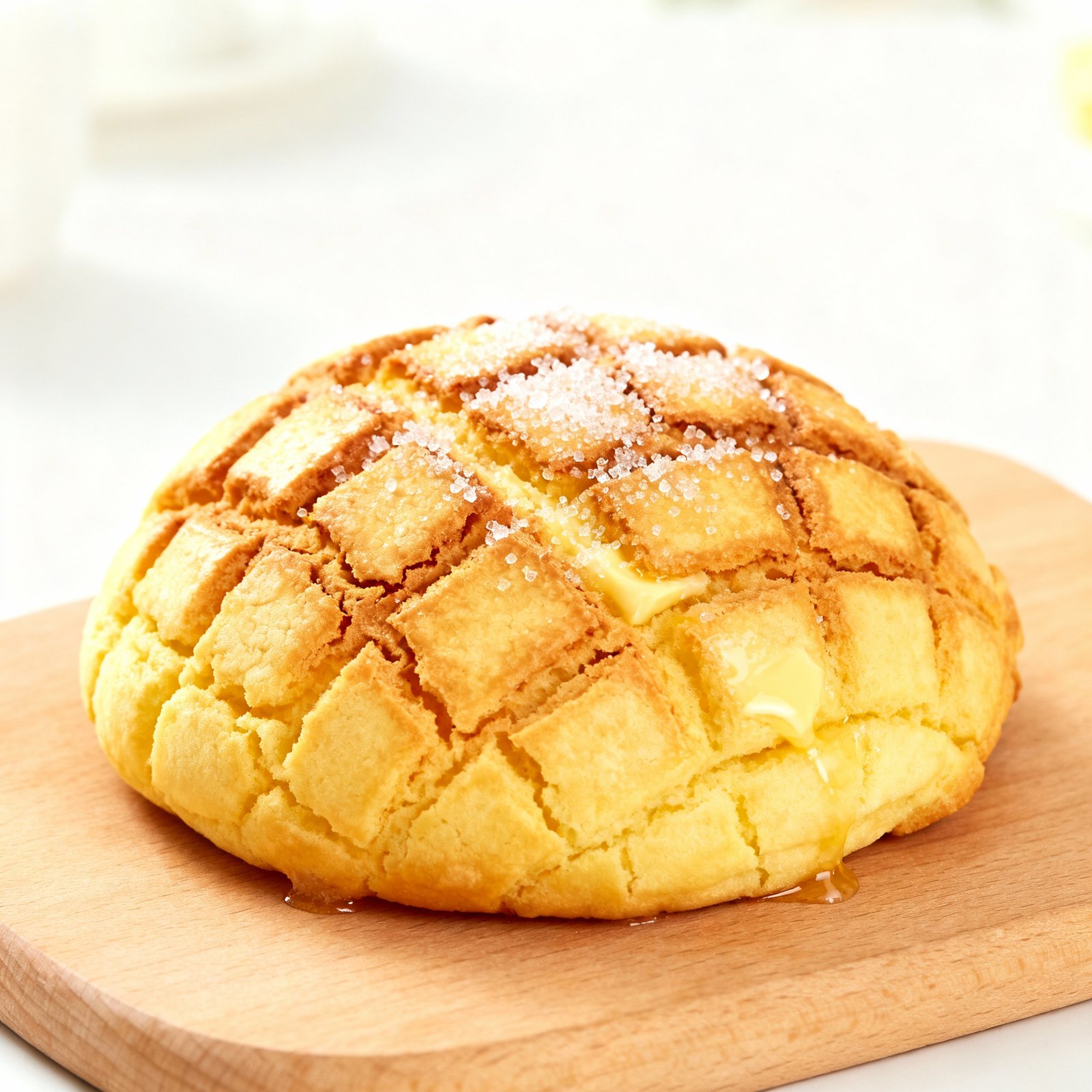
Melon pan, or melon bread, is a beloved Japanese sweet bread that’s instantly recognizable by its signature cross-hatched, cookie-like topping. Imagine sinking your teeth into a soft, fluffy bread base, contrasted by a crunchy, subtly sweet exterior that melts in your mouth. While it doesn’t actually taste like melon (though some variations do!), the criss-cross pattern resembles the rind of a cantaloupe, giving it its charming name. For years, this treat seemed like a distant dream, only attainable through a trip to Japan or a lucky find at a specialized bakery. But what if you could bake these at home, filling your kitchen with that irresistible aroma and enjoying fresh, homemade melon pan whenever the craving strikes? This recipe makes it possible!
Why This Recipe Works
This recipe is carefully crafted to deliver authentic melon pan flavor and texture. Here’s what makes it so successful:
- The Bread Dough: We use a tangzhong method (also known as water roux) to create an incredibly soft and moist bread. Tangzhong involves cooking a portion of the flour and liquid together before adding it to the rest of the dough. This gelatinizes the starch, allowing the flour to absorb more water and resulting in a softer, longer-lasting bread.
- The Cookie Crust: The cookie dough is made with a balanced ratio of butter, sugar, and flour to achieve that perfect crispiness. A touch of milk powder adds richness and depth of flavor.
- The Right Technique: We break down each step into clear, concise instructions, ensuring that even beginner bakers can achieve fantastic results. From kneading the dough to scoring the topping, we guide you through every stage of the process.
- Customizable Flavor: While this recipe is for classic melon pan, we also provide suggestions for adding melon extract or other flavorings to both the bread and the cookie topping, allowing you to create your own unique variations.
Ingredients
For the Tangzhong:
- 25g Bread Flour
- 125ml Water
For the Bread Dough:
- 300g Bread Flour
- 50g Granulated Sugar
- 5g Instant Dry Yeast
- 5g Salt
- 1 Large Egg
- 100ml Milk, lukewarm
- 50g Unsalted Butter, softened
- Tangzhong (prepared above)
For the Cookie Crust:
- 100g Unsalted Butter, softened
- 100g Granulated Sugar
- 1 Large Egg
- 200g All-Purpose Flour
- 15g Milk Powder (optional, but recommended)
- 1/4 tsp Baking Powder
- Pinch of Salt
- Optional: Melon Extract or Green Food Coloring
For the Finish:
- Granulated Sugar, for coating
Instructions
Making the Tangzhong:
- In a small saucepan, whisk together the bread flour and water until smooth.
- Cook over medium-low heat, stirring constantly, until the mixture thickens into a paste-like consistency. This should take about 2-3 minutes.
- Remove from heat and let cool completely.
Making the Bread Dough:
- In the bowl of a stand mixer fitted with a dough hook, combine the bread flour, sugar, yeast, and salt.
- Add the egg, lukewarm milk, and cooled tangzhong.
- Knead on low speed for 5 minutes, then increase the speed to medium and knead for another 8-10 minutes, or until the dough is smooth and elastic.
- Add the softened butter, a little at a time, kneading until fully incorporated. The dough should be soft and slightly tacky.
- Place the dough in a lightly oiled bowl, turning to coat. Cover with plastic wrap and let rise in a warm place for 1-1.5 hours, or until doubled in size.
Making the Cookie Crust:
- In a large bowl, cream together the softened butter and sugar until light and fluffy.
- Beat in the egg until well combined.
- In a separate bowl, whisk together the all-purpose flour, milk powder (if using), baking powder, and salt.
- Gradually add the dry ingredients to the wet ingredients, mixing until just combined. Be careful not to overmix.
- If using, add melon extract or green food coloring and mix until evenly distributed.
- Divide the cookie dough into 8 equal portions.
- Place each portion between two sheets of parchment paper and roll out into a thin circle, about 4 inches in diameter.
- Keep the cookie dough circles chilled in the refrigerator while you prepare the bread dough.
Assembling and Baking the Melon Pan:
- Punch down the risen bread dough and divide it into 8 equal portions.
- Shape each portion into a smooth ball.
- Remove the cookie dough circles from the refrigerator.
- Place a bread dough ball on top of a cookie dough circle. Gently stretch the cookie dough to cover about two-thirds of the bread dough ball.
- Invert the bread dough ball so that the cookie dough is on top. Gently press the cookie dough onto the bread dough, pleating the edges if necessary to make it fit.
- Dip the top of the melon pan in granulated sugar.
- Using a sharp knife or a melon pan cutter, score a cross-hatch pattern on the cookie crust. Be careful not to cut too deeply into the bread dough.
- Place the melon pan on a baking sheet lined with parchment paper.
- Let the melon pan rest for 15-20 minutes.
- Preheat oven to 350°F (175°C).
- Bake for 15-20 minutes, or until the cookie crust is golden brown and the bread is cooked through.
- Let cool slightly on a wire rack before serving.
Tips for Success
- Use High-Quality Ingredients: The quality of your ingredients will directly impact the flavor and texture of your melon pan. Use good quality butter, flour, and yeast for the best results.
- Don’t Overmix the Cookie Dough: Overmixing will develop the gluten in the flour, resulting in a tough cookie crust. Mix until just combined.
- Chill the Cookie Dough: Chilling the cookie dough makes it easier to handle and prevents it from spreading too much during baking.
- Be Gentle When Covering the Bread Dough: Avoid pressing too hard on the cookie dough, as this can deflate the bread dough.
- Don’t Overbake: Overbaking will result in a dry bread and a hard cookie crust. Bake until the cookie crust is golden brown and the bread is cooked through.
Storage Instructions
Melon pan is best enjoyed fresh, but it can be stored in an airtight container at room temperature for up to 2 days. To refresh, you can warm it slightly in the oven or microwave. You can also freeze the baked melon pan for up to 2 months. Thaw completely at room temperature before serving.
FAQ
Q: Can I use all-purpose flour instead of bread flour?
A: While bread flour is recommended for its higher gluten content, which contributes to a chewier texture, you can use all-purpose flour in a pinch. The bread will be slightly less chewy, but still delicious.
Q: Can I add melon extract to the bread dough?
A: Yes, you can add a teaspoon of melon extract to the bread dough for a more pronounced melon flavor. Reduce the amount of milk slightly to compensate for the added liquid.
Q: My cookie crust is cracking. What am I doing wrong?
A: Cracking can be caused by a few factors. Ensure your cookie dough isn’t too dry. Adding a touch more butter or egg can help. Also, make sure you’re not pressing too firmly when attaching the cookie dough to the bread. The bread expanding during baking can cause the crust to crack. Finally, ensure your oven temperature is accurate.
Q: Can I make these ahead of time?
A: You can prepare the bread dough and cookie dough separately ahead of time and store them in the refrigerator. However, it’s best to assemble and bake the melon pan on the same day for the freshest results.
Conclusion
With this recipe, you can now create bakery-worthy melon pan right in your own kitchen. The combination of the soft, fluffy bread and the crispy, sweet cookie crust is simply irresistible. So, gather your ingredients, follow our step-by-step instructions, and get ready to enjoy a taste of Japan! Happy baking!