Mint Leaves Recipe: From Garden to Glass (and Beyond!)
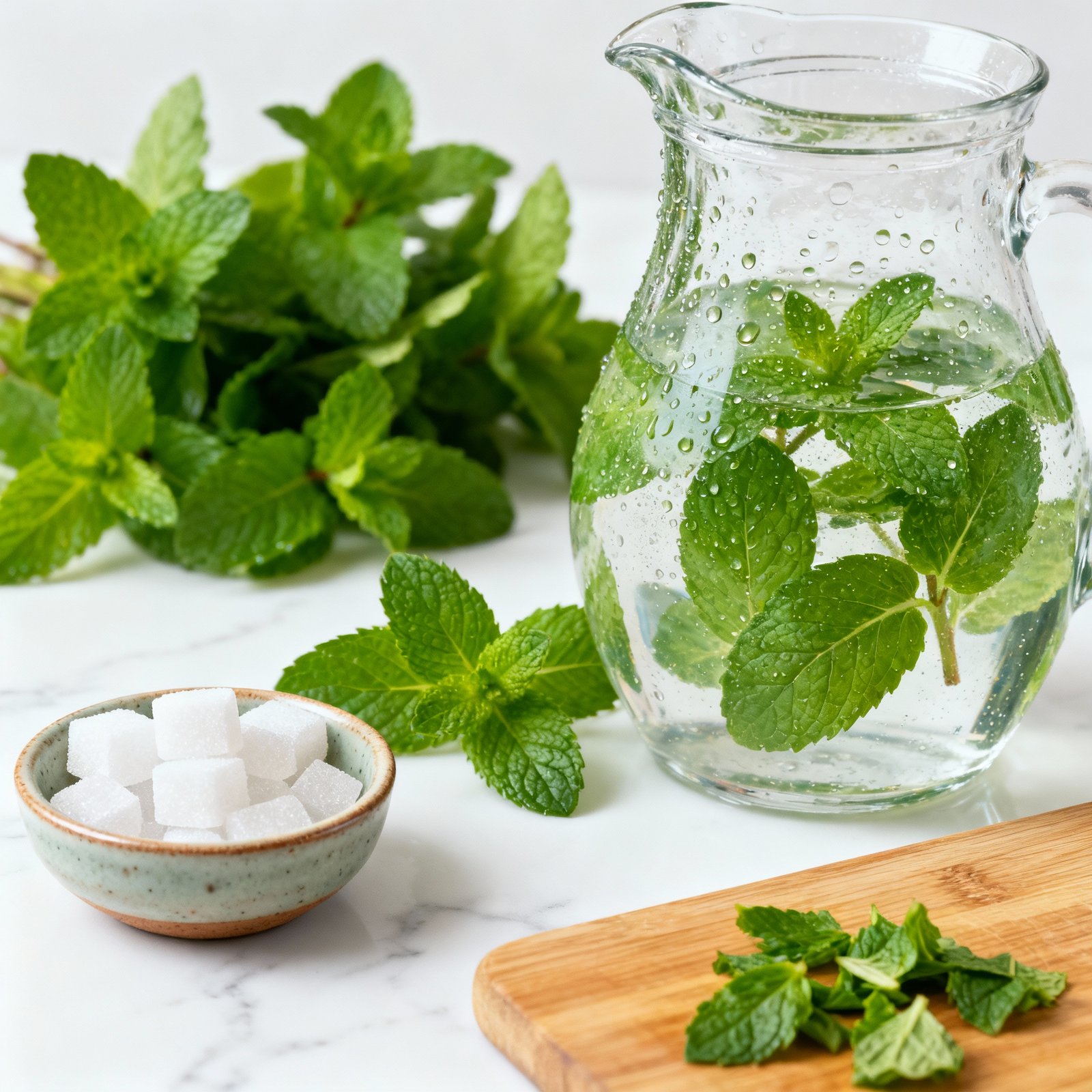
Mint. That vibrant, fragrant herb that instantly elevates everything it touches. Whether it’s the cool refreshment of a mojito on a hot summer day, the comforting warmth of mint tea on a chilly evening, or the zesty kick it adds to savory dishes, mint is a culinary chameleon. But beyond its well-known uses, this humble herb offers a world of flavor possibilities, waiting to be unlocked. This recipe isn’t just *one* recipe; it’s a collection of ideas, techniques, and inspiration to help you harness the full potential of fresh mint leaves. Get ready to explore the versatility of mint and discover how it can transform your cooking and beverages!
Why This Recipe Works
This isn’t just a single recipe, but rather a guide to using mint in various applications. We break down the core principles of working with fresh mint, ensuring you get the most flavor out of every leaf. Here’s why this approach works:
- Freshness is Key: We emphasize using fresh, vibrant mint leaves. Dried mint simply doesn’t compare in terms of flavor and aroma.
- Proper Preparation: We guide you through the best ways to wash, dry, and chop mint to preserve its delicate oils and prevent bruising.
- Versatile Applications: We offer suggestions for incorporating mint into drinks, salads, sauces, desserts, and even savory dishes, showcasing its adaptability.
- Flavor Pairing Guidance: We provide tips on complementary flavors that enhance mint’s natural characteristics, helping you create balanced and delicious combinations.
- Simple Techniques: The techniques outlined are easy to follow, even for novice cooks, making it accessible for everyone to enjoy the benefits of fresh mint.
Ingredients
The beauty of working with mint is its simplicity. You really only need one essential ingredient:
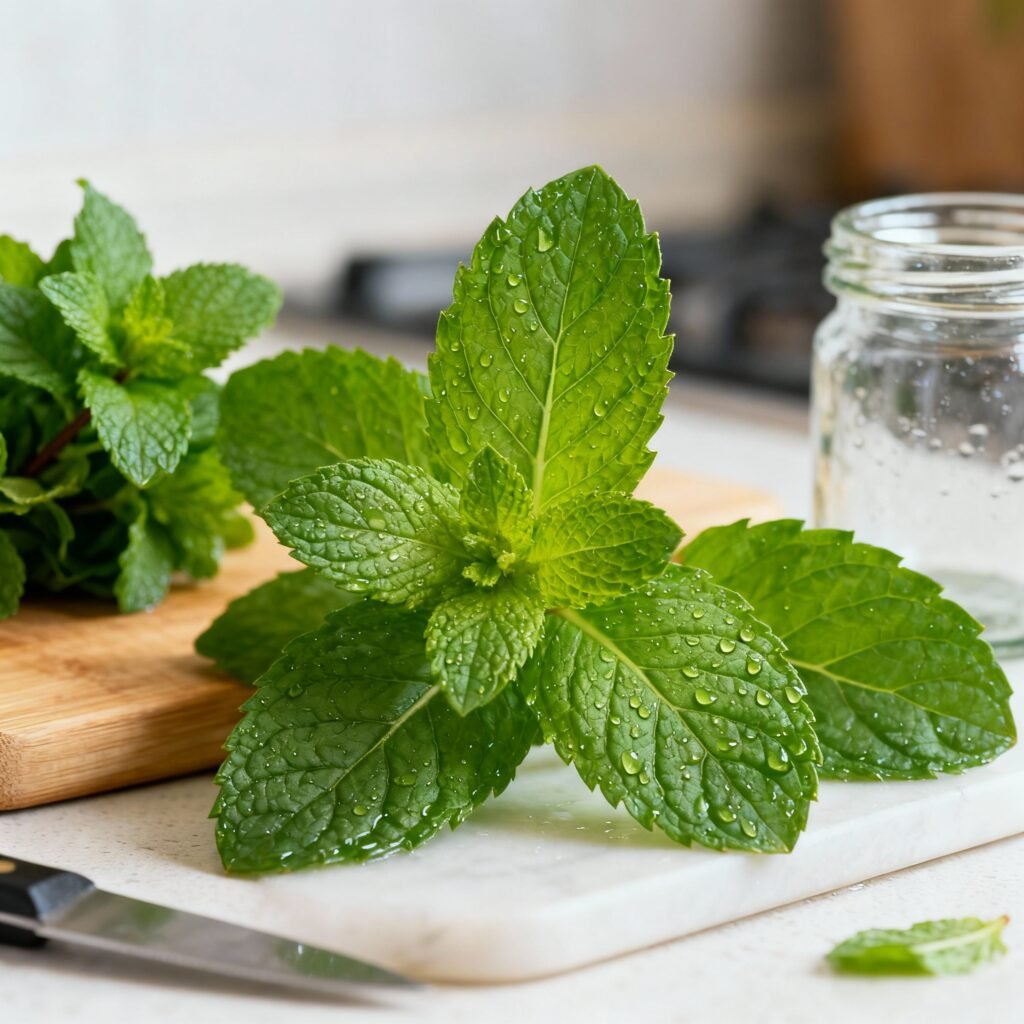
- Fresh Mint Leaves: The amount you need will vary depending on the specific application. A small bunch (about 1 cup loosely packed) is a good starting point. Look for bright green leaves with no signs of wilting or browning. Different varieties of mint (spearmint, peppermint, chocolate mint, etc.) offer slightly different flavor profiles, so experiment to find your favorite!
Beyond the mint itself, the other ingredients will depend on what you’re making. Here are some common complementary ingredients for various mint-infused creations:
For Drinks:
- Lime or Lemon Juice
- Sugar or Honey
- Water or Sparkling Water
- Rum (for Mojitos)
- Bourbon (for Mint Juleps)
- Tea (for Mint Tea)
For Salads:
- Cucumber
- Tomatoes
- Feta Cheese
- Watermelon
- Olive Oil
- Lemon Juice or Vinegar
For Sauces:
- Yogurt or Sour Cream
- Garlic
- Lemon Juice
- Olive Oil
- Salt and Pepper
For Desserts:
- Chocolate
- Berries (especially strawberries and raspberries)
- Cream or Ice Cream
- Sugar
Instructions
The core instruction for using fresh mint is the same regardless of the final dish:
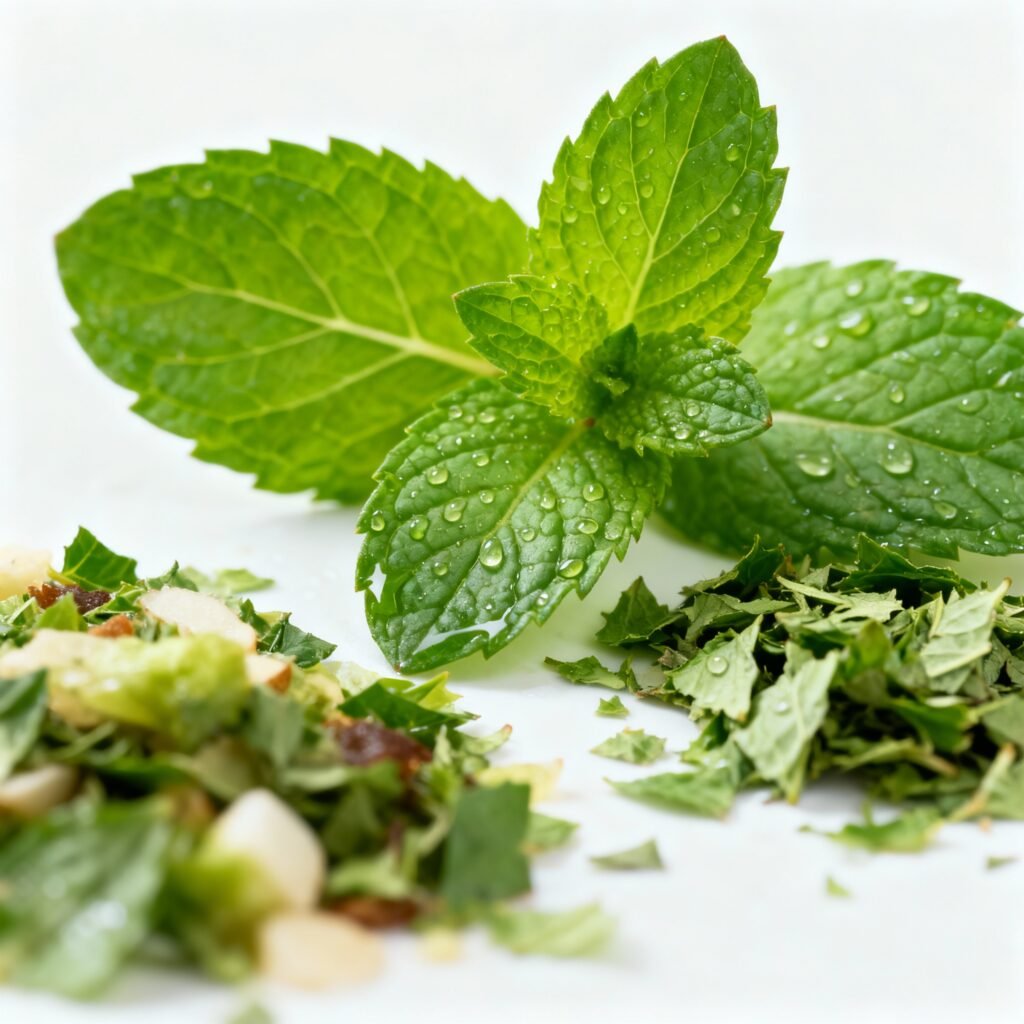
- Wash the Mint: Gently rinse the mint leaves under cold running water to remove any dirt or debris.
- Dry the Mint: Pat the mint leaves dry with a clean kitchen towel or use a salad spinner. Drying the leaves is crucial, especially for drinks and salads, to prevent a watery result.
- Prepare the Mint: How you prepare the mint depends on your recipe:
- Whole Leaves: For garnishes or infusing liquids (like tea), you can use whole leaves.
- Chopped Mint: For salads, sauces, and some desserts, finely chop the mint leaves. Use a sharp knife and avoid over-chopping, which can bruise the leaves and release bitter compounds.
- Muddled Mint: For drinks like mojitos, gently muddle the mint leaves with other ingredients to release their flavor and aroma. Avoid over-muddling, which can also lead to bitterness.
- Incorporate the Mint: Add the mint to your recipe according to the specific instructions. In general, it’s best to add mint towards the end of cooking or preparation to preserve its fresh flavor.
Specific Recipe Ideas:
Mint Tea:
- Bring water to a boil.
- Place a handful of fresh mint leaves in a mug.
- Pour the boiling water over the mint leaves.
- Let steep for 5-7 minutes.
- Strain the tea (optional).
- Add honey or sugar to taste (optional).
Mint Mojito:
- In a sturdy glass, gently muddle 6-8 mint leaves with 1 tablespoon of sugar and 1 ounce of lime juice.
- Add 2 ounces of white rum.
- Fill the glass with ice.
- Top with sparkling water.
- Garnish with a sprig of mint and a lime wedge.
Mint Yogurt Sauce:
- In a bowl, combine 1 cup of plain yogurt, 2 tablespoons of finely chopped fresh mint, 1 clove of minced garlic, 1 tablespoon of lemon juice, and salt and pepper to taste.
- Mix well and chill for at least 30 minutes to allow the flavors to meld.
Tips for Success
- Choose the Right Mint: Experiment with different varieties of mint to find your favorite flavor profile. Spearmint is the most common and versatile, while peppermint has a stronger, more intense flavor. Chocolate mint adds a unique twist to desserts.
- Don’t Over-Muddle: When making drinks like mojitos, be gentle when muddling the mint leaves. Over-muddling can release bitter compounds and ruin the flavor.
- Add Mint at the End: For cooked dishes, add mint towards the end of the cooking process to preserve its fresh flavor and aroma.
- Store Mint Properly: To keep fresh mint leaves fresh for longer, wrap them in a damp paper towel and store them in a plastic bag in the refrigerator. You can also place the stems in a glass of water, like you would with flowers.
- Grow Your Own: Mint is easy to grow, even in a small pot. Having fresh mint on hand is a great way to add flavor to your dishes and drinks. Be aware that mint can be invasive, so it’s best to grow it in a container.
Storage Instructions
Fresh mint leaves are best used immediately for optimal flavor. However, if you need to store them:
- Refrigerator: Wrap the mint leaves in a damp paper towel and store them in a plastic bag in the refrigerator for up to a week.
- Water Method: Place the stems of the mint leaves in a glass of water, like you would with flowers, and store them in the refrigerator for up to a week. Change the water every other day.
- Freezing: While freezing mint leaves will slightly alter their texture, it’s a good way to preserve them for longer periods. Chop the mint leaves and freeze them in ice cube trays with water or olive oil. You can then add the mint cubes to soups, sauces, or smoothies.
FAQ
Q: What’s the difference between spearmint and peppermint?
A: Spearmint has a milder, sweeter flavor, while peppermint has a stronger, more intense flavor with a cooling sensation due to its higher menthol content.
Q: Can I use dried mint instead of fresh mint?
A: While you can use dried mint in a pinch, fresh mint is always preferable for its superior flavor and aroma. If using dried mint, use about one-third of the amount called for in the recipe for fresh mint.
Q: How do I prevent mint from turning black?
A: Mint can turn black due to oxidation. To prevent this, avoid bruising the leaves and add an acidic ingredient like lemon juice or vinegar to the dish.
Q: Is mint good for you?
A: Yes! Mint has several health benefits. It can aid digestion, relieve nausea, and freshen breath. It also contains antioxidants and vitamins.
Conclusion
From refreshing beverages to flavorful sauces and delectable desserts, mint leaves offer a world of culinary possibilities. By understanding the simple techniques and flavor pairings outlined in this guide, you can unlock the full potential of this versatile herb and elevate your cooking to new heights. So, grab a bunch of fresh mint, experiment with different recipes, and discover your own favorite ways to enjoy this amazing ingredient. Happy minting!