Mochi Cake Recipe: The Chewy, Gooey Delight You Need to Try!
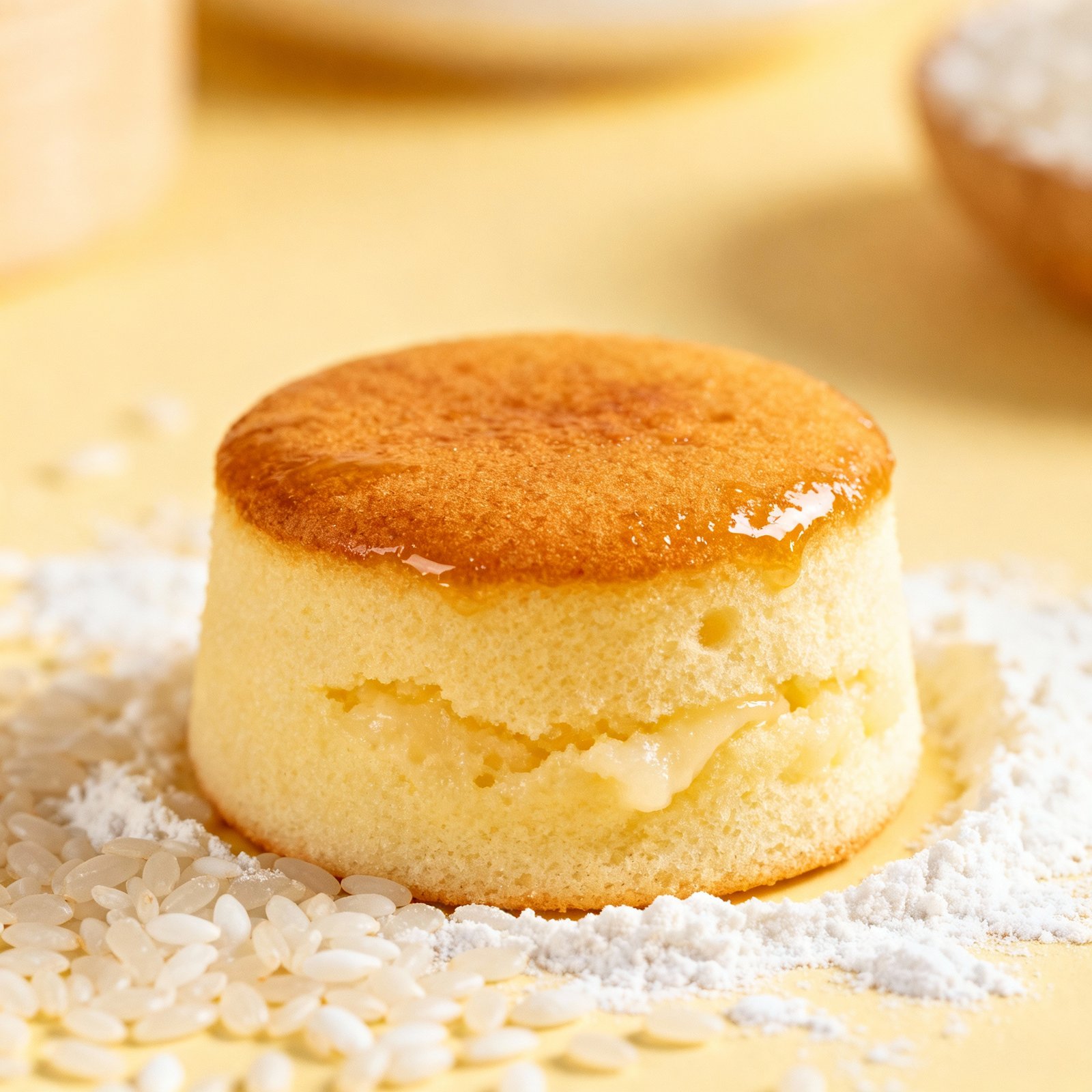
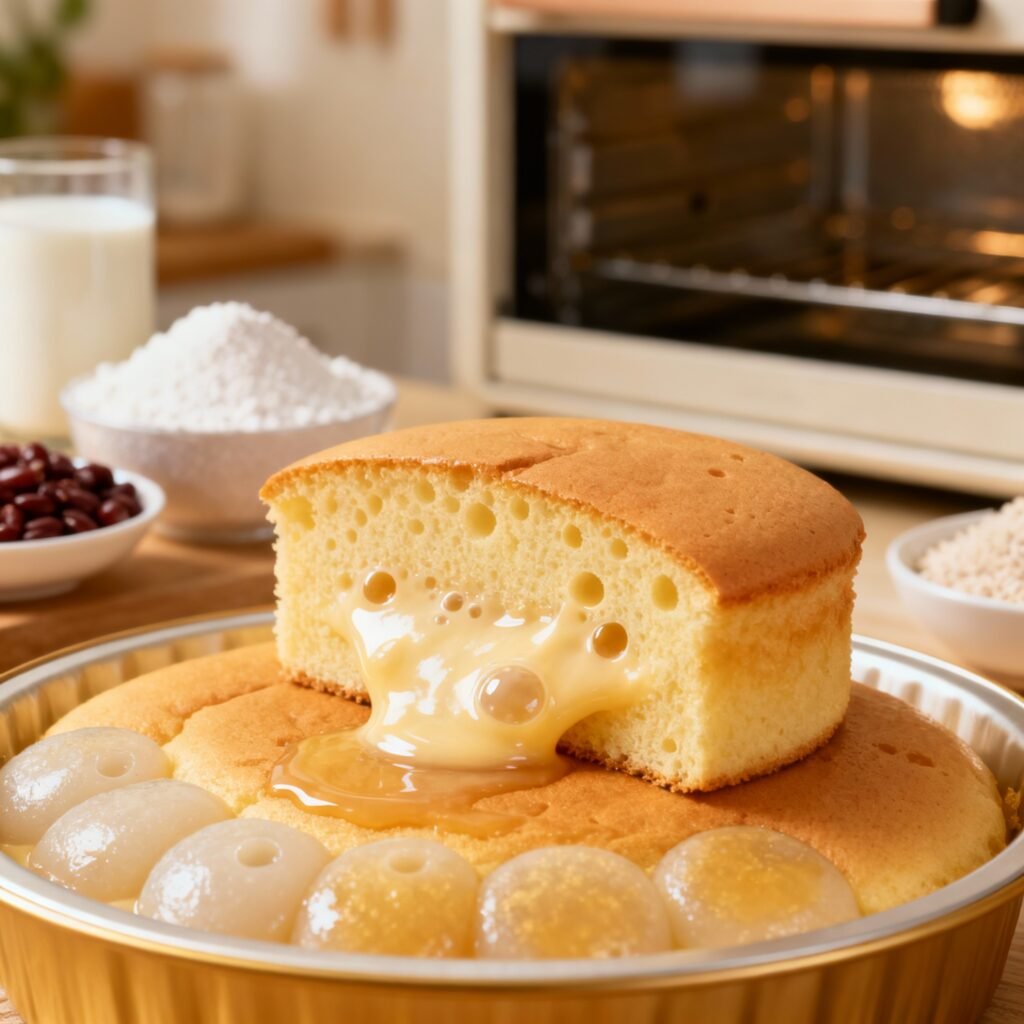
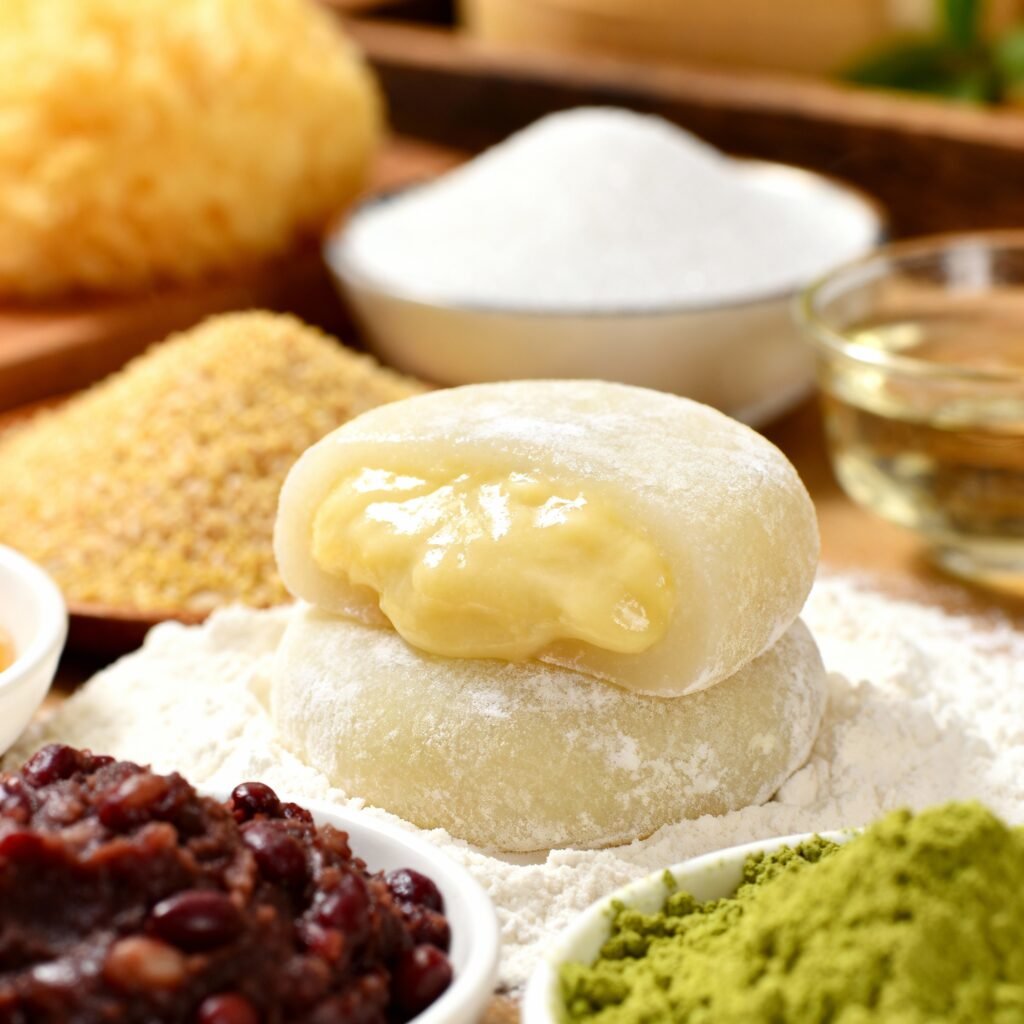
Have you ever experienced the perfect textural contrast in a dessert? That delightful chewiness that gives way to a soft, almost gooey center? If not, prepare to be amazed by this mochi cake recipe! This isn’t your average cake; it’s a unique and irresistible treat that blends the best of both worlds – the comforting familiarity of cake with the addictive texture of Japanese mochi. This recipe is surprisingly easy to make, requires minimal ingredients, and will undoubtedly become a new favorite in your baking repertoire. Get ready to impress your friends and family with this subtly sweet, utterly satisfying mochi cake!
Why This Recipe Works
This mochi cake recipe is a winner for several reasons:
- Glutinous Rice Flour is Key: The secret ingredient is glutinous rice flour (also known as sweet rice flour or mochiko). Unlike regular rice flour, glutinous rice flour contains a high starch content, which creates the signature chewy texture that defines mochi.
- Simple Ingredients, Big Flavor: The recipe relies on pantry staples, making it accessible and easy to whip up on a whim.
- Easy One-Bowl Method: Minimize cleanup with this straightforward one-bowl approach. Simply combine the ingredients, pour into a pan, and bake!
- Customizable: The base recipe is a blank canvas for flavor experimentation. Add extracts, fruits, or nuts to tailor the cake to your preferences.
- Perfect Texture: The balance of ingredients ensures a moist, chewy, and subtly sweet cake that’s addictive from the first bite.
Ingredients
- 2 cups Glutinous Rice Flour (Mochiko): The star of the show! Make sure it’s glutinous rice flour, not regular rice flour.
- 1 ½ cups Granulated Sugar: Provides sweetness and helps with browning.
- 1 teaspoon Baking Powder: Gives the cake a slight lift and airy texture.
- ½ teaspoon Salt: Enhances the sweetness and balances the flavors.
- 2 cups Milk (Whole or 2%): Adds moisture and richness. Coconut milk can also be used for a tropical twist.
- 4 large Eggs: Binds the ingredients together and contributes to the cake’s structure.
- ½ cup Unsalted Butter, Melted: Adds flavor, moisture, and a tender crumb.
- 1 teaspoon Vanilla Extract: Enhances the overall flavor profile.
- Optional Toppings: Sesame seeds, shredded coconut, or a dusting of powdered sugar.
Instructions
- Preheat and Prepare: Preheat your oven to 350°F (175°C). Grease and flour a 9×13 inch baking pan. Alternatively, you can line the pan with parchment paper, leaving an overhang for easy removal.
- Combine Dry Ingredients: In a large bowl, whisk together the glutinous rice flour, granulated sugar, baking powder, and salt. Make sure there are no lumps.
- Add Wet Ingredients: Add the milk, eggs, melted butter, and vanilla extract to the dry ingredients.
- Mix Until Smooth: Whisk until the batter is completely smooth and well combined. Be careful not to overmix. A few small lumps are okay, but ensure there are no large pockets of dry flour.
- Pour into Pan: Pour the batter into the prepared baking pan, spreading it evenly.
- Add Toppings (Optional): If desired, sprinkle the top of the batter with sesame seeds or shredded coconut.
- Bake: Bake for 50-60 minutes, or until a toothpick inserted into the center comes out clean. The top should be golden brown.
- Cool: Let the cake cool completely in the pan before cutting into squares. This allows the cake to set properly and develop its signature chewy texture.
- Serve: Dust with powdered sugar (optional) and serve. Enjoy the chewy goodness!
Tips for Success
- Use the Right Flour: Glutinous rice flour (mochiko) is essential for the chewy texture. Do not substitute with regular rice flour.
- Don’t Overmix: Overmixing can develop the gluten in the glutinous rice flour, resulting in a tougher cake. Mix until just combined.
- Properly Grease the Pan: Mochi cake can be sticky, so ensure the pan is thoroughly greased and floured, or lined with parchment paper.
- Cool Completely: Allow the cake to cool completely before cutting. This helps it set and prevents it from being too sticky.
- Experiment with Flavors: Add different extracts (almond, lemon), fruits (blueberries, raspberries), or nuts (chopped walnuts, pecans) to customize the flavor.
- Adjust Baking Time: Baking times may vary depending on your oven. Check the cake frequently towards the end of the baking time.
- For a Chewier Texture: Slightly underbaking the cake can result in an even chewier texture. However, ensure the center is still cooked through.
- Coconut Milk Variation: Substitute the milk with coconut milk for a richer, more tropical flavor.
- Brown Butter: For a nutty and deeper flavor, brown the butter before adding it to the batter. Be careful not to burn it.
Storage Instructions
Mochi cake is best enjoyed fresh, but it can be stored in an airtight container at room temperature for up to 2 days. To prevent it from drying out, you can also store it in the refrigerator for up to 5 days. However, refrigerating may slightly alter the texture, making it a bit firmer. To restore some of the chewiness, you can microwave individual slices for a few seconds before serving.
FAQ
- Can I make this recipe gluten-free? Yes! Glutinous rice flour is naturally gluten-free, despite its name.
- Can I use a different size pan? Yes, but you may need to adjust the baking time. A smaller pan will require a longer baking time, while a larger pan will require a shorter baking time.
- My cake is too sticky. What did I do wrong? This could be due to underbaking or using too much liquid. Ensure the cake is fully cooked before removing it from the oven.
- My cake is too dry. What did I do wrong? This could be due to overbaking or using too little liquid. Check the cake frequently towards the end of the baking time and adjust accordingly.
- Can I freeze mochi cake? Yes, you can freeze mochi cake. Wrap it tightly in plastic wrap and then in aluminum foil. It can be stored in the freezer for up to 2 months. Thaw overnight in the refrigerator before serving.
- Where can I find glutinous rice flour? Glutinous rice flour can be found in most Asian grocery stores or in the international aisle of some supermarkets. It is also available online.
Conclusion
This mochi cake recipe is a delightful departure from traditional cakes, offering a unique and satisfying textural experience. Its simplicity and customizable nature make it a perfect choice for both novice and experienced bakers. So, gather your ingredients, preheat your oven, and get ready to indulge in the chewy, gooey goodness of homemade mochi cake. You won’t be disappointed!