Filipino Food Recipe: Chicken Adobo Made Easy!
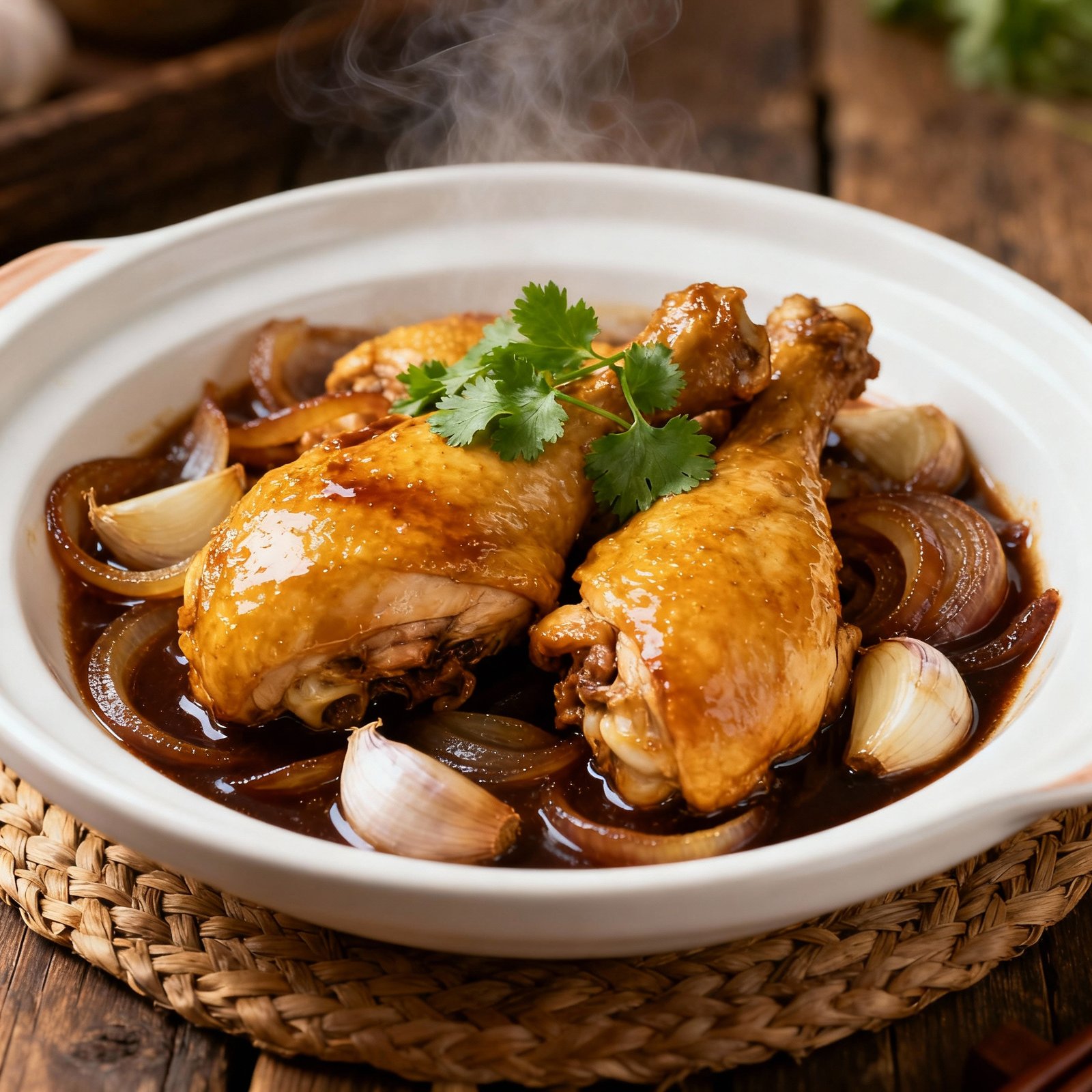
Craving the savory, tangy, and slightly sweet flavors of Filipino cuisine? Look no further! This recipe brings the classic Chicken Adobo, arguably the Philippines’ national dish, right to your kitchen. We’re taking the intimidation out of this beloved dish, providing you with a straightforward and delicious version that even beginners can master. Get ready to impress your family and friends with this authentic and comforting meal!
Why This Recipe Works
This Chicken Adobo recipe is designed for simplicity and maximum flavor. Here’s why it stands out:
- Balanced Flavors: We achieve the perfect balance of soy sauce, vinegar, garlic, and pepper, creating the signature adobo taste.
- Tender Chicken: The slow braising method ensures that the chicken becomes incredibly tender and infused with the rich sauce.
- Easy to Find Ingredients: All the ingredients are readily available in most supermarkets.
- Customizable: The recipe provides a solid foundation, allowing you to adjust the sweetness, tanginess, or spiciness to your preference.
- One-Pot Wonder: Minimal cleanup is always a win! This recipe is primarily cooked in one pot, making it convenient for weeknight dinners.
Ingredients
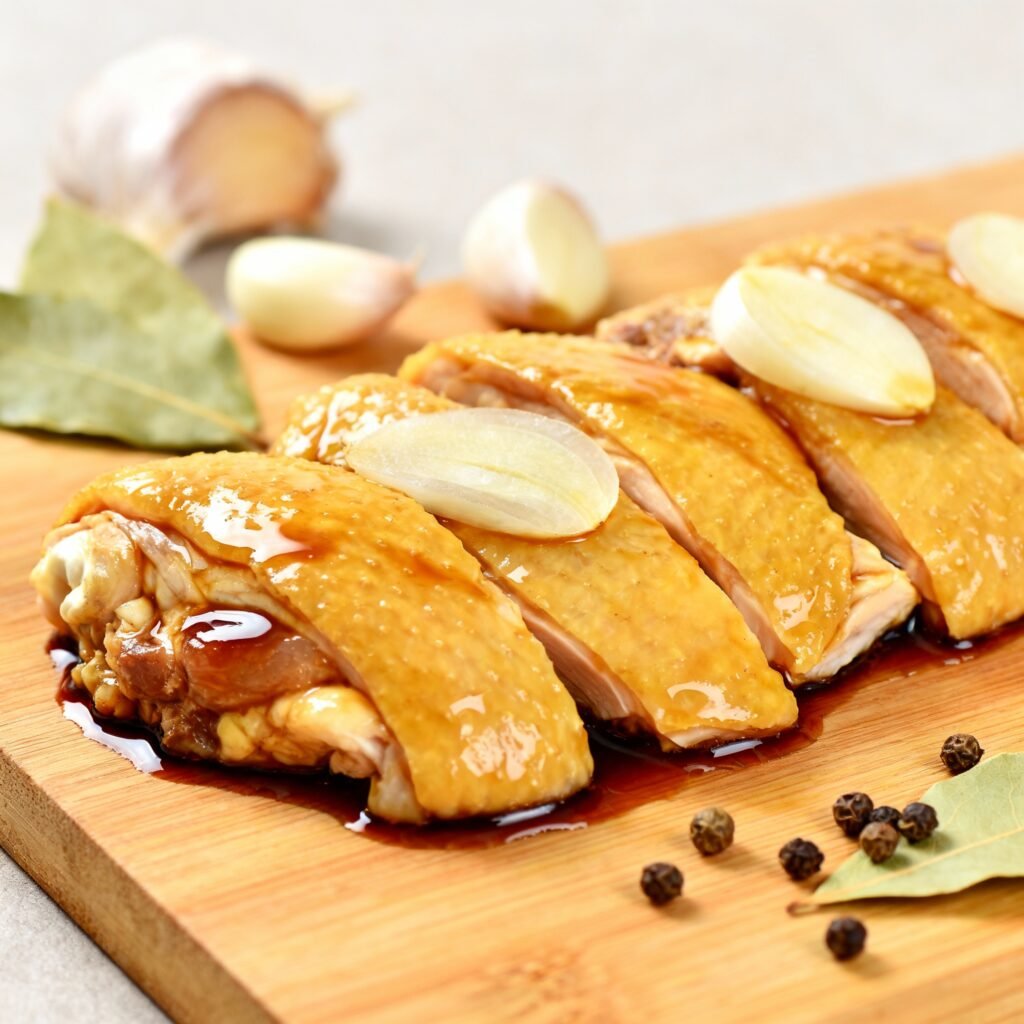
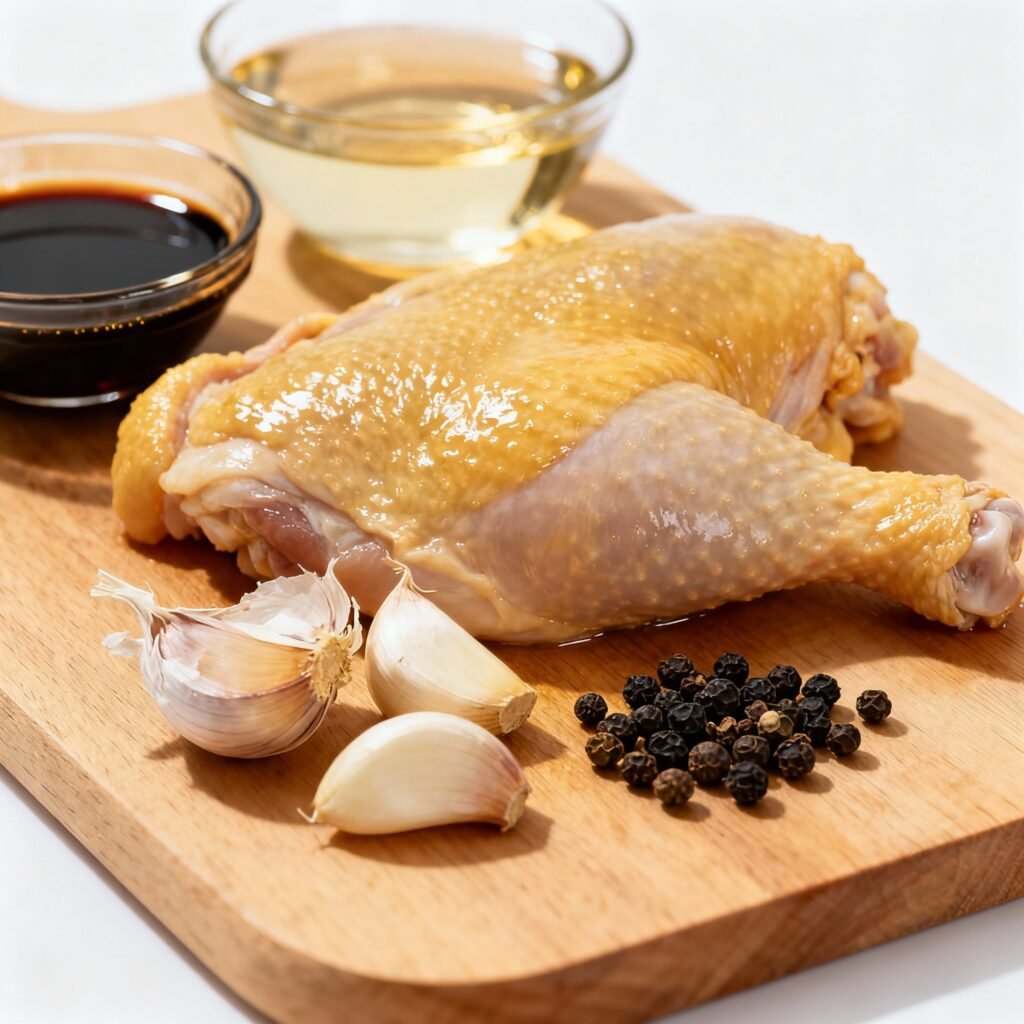
- 2 lbs Bone-in, skin-on chicken pieces (thighs and drumsticks are ideal for flavor and tenderness)
- 1/2 cup Soy sauce (preferably Filipino soy sauce like Silver Swan or Datu Puti)
- 1/4 cup White vinegar (or apple cider vinegar)
- 6-8 cloves Garlic, minced
- 1 tablespoon Black peppercorns, crushed
- 2 Bay leaves
- 1 tablespoon Brown sugar (optional, for a touch of sweetness)
- 1 cup Water
- 2 tablespoons Cooking oil (vegetable or canola oil)
- Salt to taste (use sparingly, as soy sauce is already salty)
- Optional: 1-2 Dried chilies, for heat
Instructions
- Sear the Chicken: Heat the cooking oil in a large pot or Dutch oven over medium-high heat. Add the chicken pieces and sear on all sides until golden brown. This step is crucial for developing flavor and adding richness to the sauce. Don’t overcrowd the pot; sear in batches if necessary. Remove the chicken from the pot and set aside.
- Sauté the Aromatics: In the same pot, add the minced garlic and sauté until fragrant, about 1 minute. Be careful not to burn the garlic.
- Add the Liquids and Seasonings: Pour in the soy sauce, vinegar, and water. Add the crushed black peppercorns, bay leaves, and brown sugar (if using). Stir to combine.
- Return the Chicken: Return the seared chicken to the pot, ensuring that the chicken pieces are mostly submerged in the liquid.
- Bring to a Simmer and Braise: Bring the mixture to a simmer, then reduce the heat to low, cover the pot, and let it simmer for at least 45 minutes to 1 hour, or until the chicken is very tender and easily pulls away from the bone. Turn the chicken pieces occasionally to ensure even cooking.
- Adjust the Sauce: After the chicken is cooked, remove the lid and increase the heat to medium. Let the sauce reduce and thicken to your desired consistency. This will intensify the flavors. Be careful not to burn the sauce.
- Season to Taste: Taste the sauce and adjust the seasoning as needed. Add a pinch of salt if necessary, but remember that soy sauce is already salty. You can also add a splash more vinegar for extra tanginess or a little more brown sugar for sweetness.
- Serve: Serve the Chicken Adobo hot with steamed rice. The sauce is delicious spooned over the rice.
Tips for Success
- Use Good Quality Soy Sauce: The flavor of the soy sauce significantly impacts the overall taste of the adobo. Opt for Filipino brands like Silver Swan or Datu Puti for a more authentic flavor.
- Don’t Skimp on the Garlic: Garlic is a key ingredient in adobo, so don’t be afraid to use a generous amount. Freshly minced garlic is always best.
- Don’t Overcook the Chicken: While you want the chicken to be tender, overcooking can make it dry. Check for doneness after 45 minutes and adjust the cooking time accordingly.
- Adjust the Vinegar: The amount of vinegar can be adjusted to your preference. If you prefer a less tangy adobo, start with a smaller amount and add more to taste.
- Let it Sit: Adobo often tastes even better the next day, as the flavors have had time to meld together.
- Experiment with Variations: Once you’ve mastered the basic recipe, feel free to experiment with variations. Some popular additions include potatoes, hard-boiled eggs, or even pineapple.
Storage Instructions
Leftover Chicken Adobo can be stored in an airtight container in the refrigerator for up to 3-4 days. Reheat gently on the stovetop or in the microwave until heated through. You can also freeze Chicken Adobo for longer storage. Thaw it overnight in the refrigerator before reheating.
FAQ
Q: Can I use chicken breast instead of thighs and drumsticks?
A: While you can use chicken breast, thighs and drumsticks are recommended because they are more flavorful and stay more moist during the braising process. If using chicken breast, reduce the cooking time to prevent it from drying out.
Q: Can I make this in a slow cooker?
A: Yes, you can adapt this recipe for a slow cooker. Sear the chicken as instructed, then transfer all the ingredients to the slow cooker. Cook on low for 6-8 hours or on high for 3-4 hours.
Q: What if I don’t have black peppercorns? Can I use ground pepper?
A: While crushed black peppercorns provide a more robust flavor, you can substitute with ground black pepper. Use about 1 teaspoon of ground pepper.
Q: Can I use rice vinegar instead of white vinegar?
A: Yes, rice vinegar is a suitable substitute for white vinegar. It will impart a slightly milder flavor.
Q: My adobo sauce is too thin. How can I thicken it?
A: Remove the chicken from the pot and continue simmering the sauce over medium heat until it reduces and thickens to your desired consistency. You can also create a slurry by mixing 1 tablespoon of cornstarch with 2 tablespoons of cold water, then whisking it into the simmering sauce.
Conclusion
Congratulations! You’ve just made a delicious and authentic Filipino Chicken Adobo. This recipe is a testament to the beauty of simple ingredients and straightforward cooking techniques. With its savory, tangy, and slightly sweet flavor profile, this dish is sure to become a family favorite. So, gather your ingredients, follow the steps, and enjoy the taste of the Philippines in your own home! Mabuhay! (Long live!)