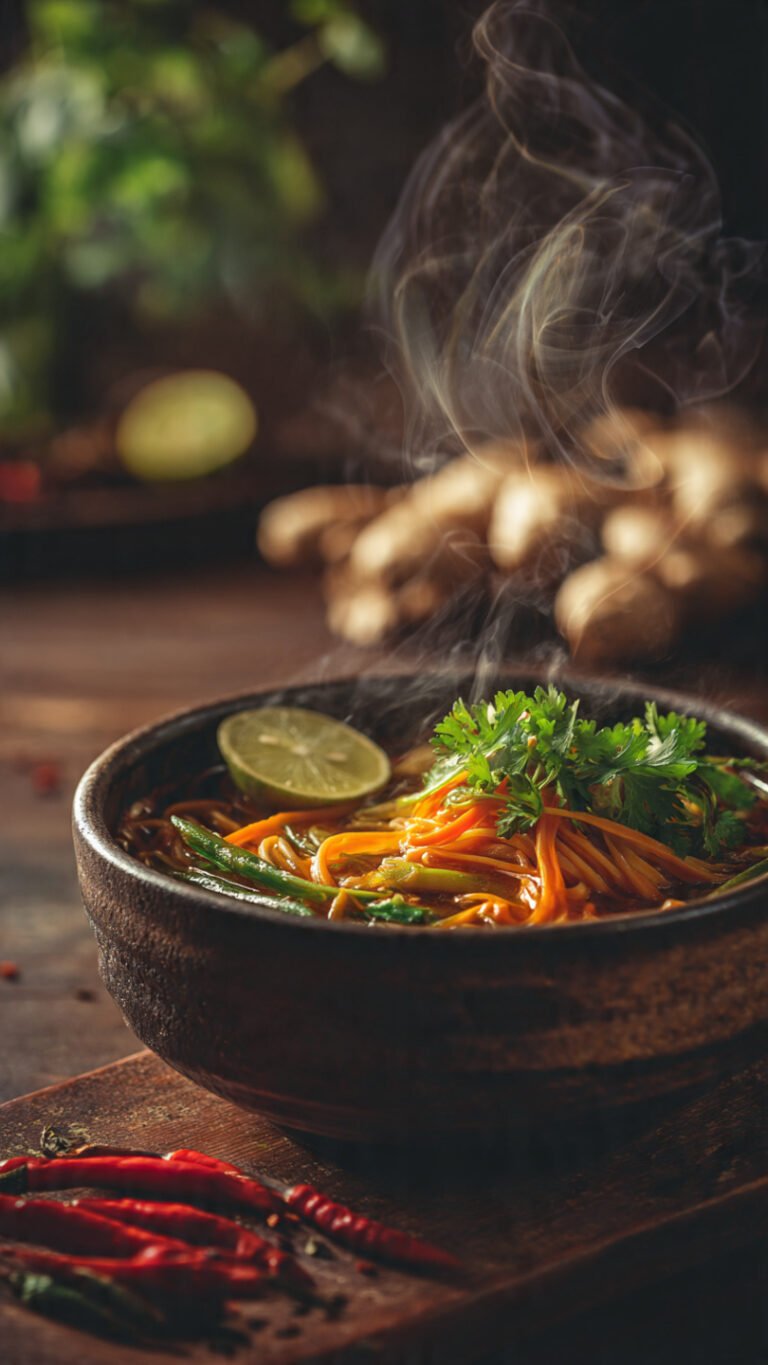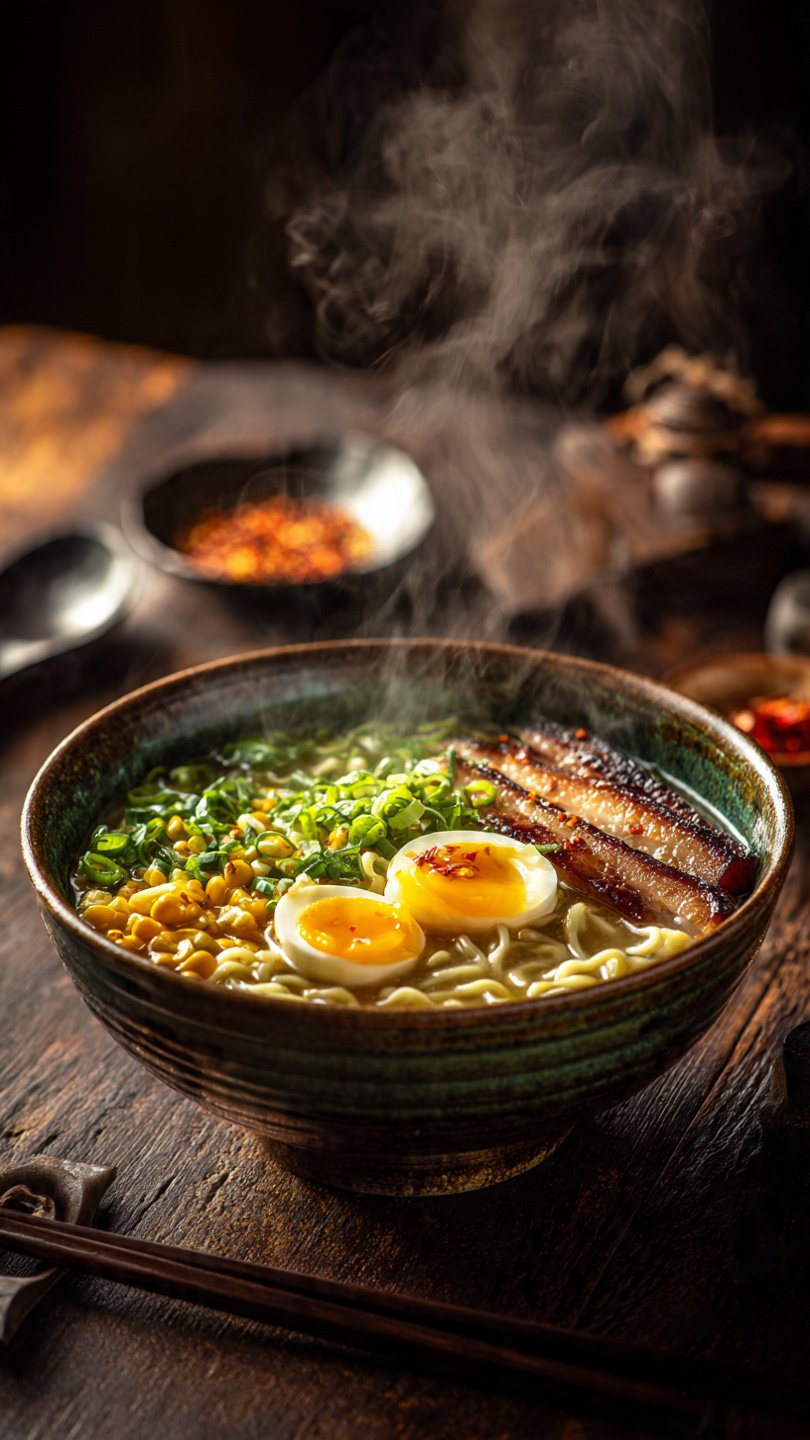
🍜 Easy Ramen Bowls Recipe (Better Than Takeout!)
So, you’re craving something tasty but you are way too lazy—or let’s say efficient—to spend forever in the kitchen, huh? Same.
We have all been there. It’s 6 PM, it’s raining (or you just wish it was so you could justify staying in sweatpants), and the craving for a salty, steaming, umami-packed bowl of noodles hits you like a freight train. You could order delivery, pay $25 for a bowl of soup, and wait an hour for it to arrive lukewarm. Or, you could channel your inner ramen master and whip up this incredible Ramen Bowls Recipe right in your own kitchen.
Forget those sad, dehydrated styrofoam cups from your college dorm days. We are graduating today. We are making the kind of ramen that makes you close your eyes and sigh after the first slurp. Let’s get into it.
Why This Recipe is Awesome
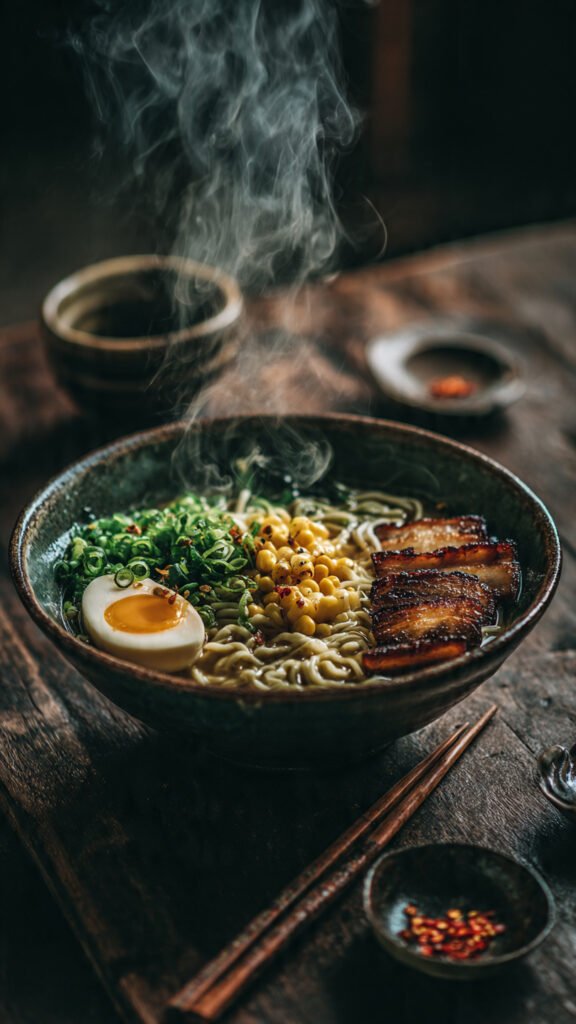
Look, I’m not going to lie to you and say this is “authentic” in the sense that we are boiling pork bones for 18 hours. Who has time for that? I certainly don’t, and I’m guessing since you’re on the internet looking for a recipe, you don’t either.
This recipe is the ultimate hack. It bridges the gap between “instant noodles” and “professional ramen shop.” Here is why it deserves a spot in your weekly rotation:
- The “Cheat” Broth: We are using a secret weapon (spoiler alert: it’s soy milk or heavy cream) to mimic that rich, creamy Tonkotsu consistency without the three-day boil. It sounds weird, but trust the process. It changes the mouthfeel from “watery soup” to “liquid gold.”
- It is Customizable AF: Don’t like pork? Use chicken. Vegetarian? Swap the broth. Hate mushrooms? Leave them in the dirt where they belong (just kidding, mushrooms are delicious, but you do you). This bowl is your canvas.
- The “Jammy” Egg: You know that perfectly soft-boiled egg with the custard-like yolk you get at restaurants? The one that makes you question your own cooking abilities? I’m going to teach you exactly how to nail it. It is idiot-proof, seriously. Even I didn’t mess it up the first time.
- Flavor Layering: Most home cooks make the mistake of just boiling broth and noodles. Ramen is about layers. We are building a Tare (seasoning base), an aromatic oil, a rich soup, and distinct toppings.
- It Saves Your Wallet: For the price of one restaurant bowl, you can make a vat of this stuff. Your bank account will thank you.
This isn’t just dinner; it’s a warm hug in a bowl. It’s the kind of meal that clears your sinuses and heals your soul after a long week.
Ingredients You’ll Need
We are breaking this down into four parts: The Broth, The Seasoning (Tare), The Noodles, and The Toppings. Don’t panic; it looks like a lot, but you probably have half of this in your pantry right now.
The “Liquid Gold” Broth Base
- Chicken or Pork Stock: 4 cups. Get the good stuff (low sodium). If you have homemade stock, congratulations on having your life together.
- Unsweetened Soy Milk or Heavy Cream: 1/2 cup. This is the secret. It emulsifies the broth and gives it that milky, rich look and creamy texture. Do not skip this unless you want sad, thin soup.
- Garlic: 3–4 cloves, minced. Measure with your heart. There is no such thing as too much garlic.
- Ginger: 1-inch knob, sliced or grated. Fresh is best. Powdered ginger is a crime here.
The Seasoning (The Flavor Bomb)
- Soy Sauce: 2 tablespoons.
- Miso Paste: 1 tablespoon. White (shiro) miso is sweeter and milder; Red (aka) miso is stronger. Use whatever you have, but white is generally safer for beginners.
- Mirin: 1 tablespoon. It adds a subtle sweetness/shine.
- Sesame Oil: 1 teaspoon. For that nutty aroma that screams “Asian cuisine.”
The Noodles
- Ramen Noodles: 2–3 packs. You can buy fresh ramen noodles in the refrigerated section of most grocery stores now. In a pinch? Buy the instant packs and throw away the flavor packet. (Or save it for popcorn seasoning, I won’t judge).
The Toppings (Pick and Choose)
- Eggs: 2 large eggs. Mandatory.
- Protein: Pork belly, leftover rotisserie chicken, tofu, or ground pork browned with chili oil.
- Green Onions (Scallions): A bunch, chopped finely.
- Nori (Seaweed): Dried sheets, cut into rectangles.
- Corn: Sweet corn kernels (frozen or canned). Don’t ask me why corn belongs in ramen, it just does.
- Chili Oil: For the brave souls who like heat.
Step-by-Step Instructions
Alright, apron on. Wash your hands. Let’s make magic happen.
Phase 1: The Perfect Jammy Egg
This is the most stressful part for people, but it’s actually pure science.
- Boil the Water: Get a pot of water to a rolling boil. There should be enough water to completely submerge the eggs.
- The Drop: Lower your eggs in gently (use a spoon, don’t drop them like a mic). Lower the heat slightly to a simmer so they don’t bounce around and crack.
- The Timer: Set a timer for exactly 6 minutes and 30 seconds. Not 6 minutes, not 7. Precision matters here.
- The Shock: While they boil, prepare a bowl of ice water. When the timer beeps, immediately scoop the eggs out and plunge them into the ice bath. This stops the cooking instantly.
- Peel: Once cool (about 5 mins), peel them carefully. Slice in half lengthwise right before serving to reveal that gooey, golden center.
Phase 2: The Aromatics & Broth
We are building the foundation of our ramen bowls recipe.
- Sauté Aromatics: In a large pot, heat a drizzle of oil over medium heat. Add your grated ginger and minced garlic. Sauté for about 1 minute until it smells amazing—but don’t burn the garlic, or it will taste bitter and sad.
- Add Liquids: Pour in your chicken (or pork) stock. Bring it to a simmer.
- The Secret Creaminess: Stir in your soy milk or heavy cream. Watch the color transform.
- Season It: Whisk in the miso paste, soy sauce, and mirin. Tip: Don’t just dump the miso in; put it in a ladle, add a little hot broth, and whisk it until smooth before dumping it into the big pot. This prevents salty miso clumps.
- Simmer: Let this simmer on low for about 10 minutes to let the flavors get to know each other. Taste it. Does it need more salt? Add soy sauce. More depth? Add a splash of fish sauce if you’re feeling adventurous.
Phase 3: The Noodles
- Cook Separately: Crucial Step! Do not cook the noodles directly in your broth. Starch from the noodles will thicken the soup too much and make it gloopy.
- Boil: Boil a separate pot of water. Cook noodles according to package instructions (usually 2–3 minutes for fresh).
- Drain: Drain them well. Shake that colander like you mean it.
Phase 4: The Grand Assembly
This is the fun part. Speed is key here because ramen waits for no one.
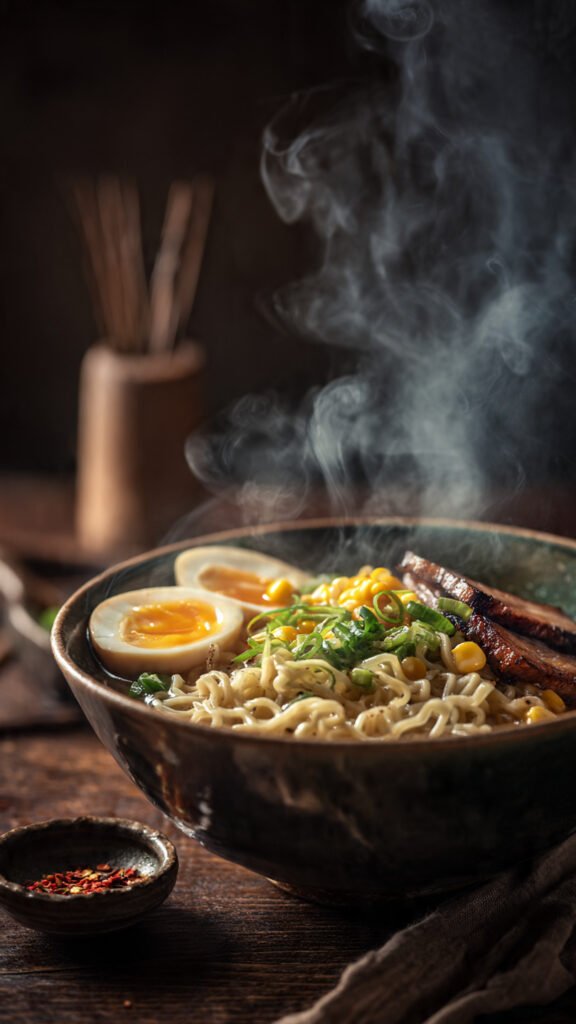
- Bowl Prep: Divide the noodles between two deep bowls.
- Broth: Ladle the piping hot broth over the noodles.
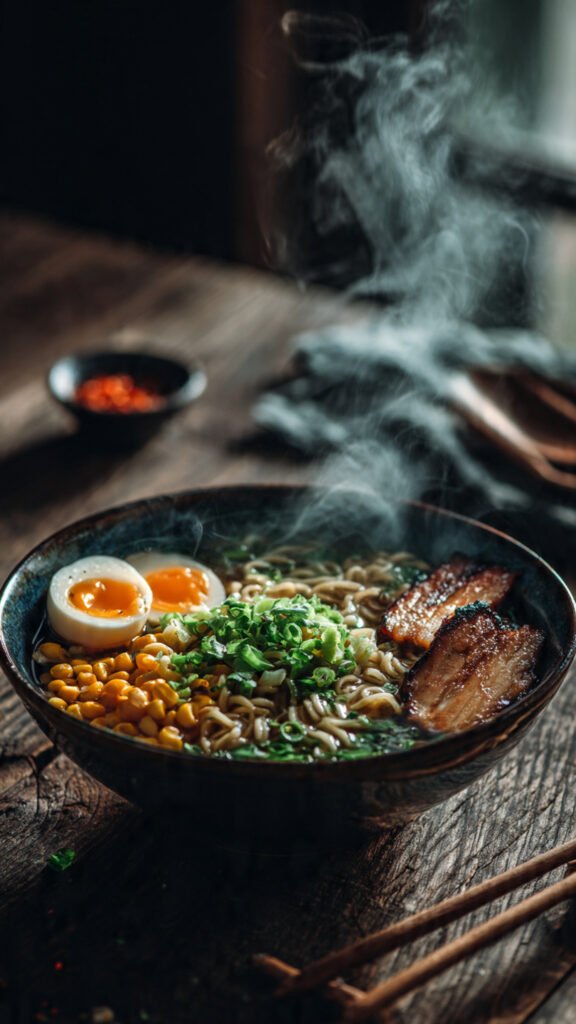
- Top It Off: Arrange your toppings artistically (or chaotically, I don’t know your life). Place the protein, the corn, the bamboo shoots, and the nori.
- The Crown Jewel: Place the two halves of your soft-boiled egg in the center.
- Garnish: Sprinkle generously with green onions and drizzle with sesame oil or chili oil.
Common Mistakes to Avoid
Listen, I want you to succeed. Avoid these rookie errors so you don’t end up with a sad bowl of disappointment.
- Thinking you don’t need to preheat the bowl: If you pour hot soup into a cold ceramic bowl, the soup gets cold fast. Rinse your serving bowls with hot water right before plating. It makes a huge difference.
- Overcooking the noodles: Mushy noodles are the enemy of joy. Cook them al dente. They will continue to cook slightly in the hot broth.
- Adding the miso to boiling water: If you boil miso too hard, you kill the probiotics and ruin the delicate flavor. Keep the soup at a gentle simmer, not a violent boil, once the miso is in.
- Skimping on the fat: Ramen isn’t health food (sorry). It relies on fat for flavor and mouthfeel. If your broth tastes “thin,” add a knob of butter or more sesame oil.
- Eating too slowly: Ramen has a short lifespan. It is meant to be slurped immediately while piping hot. Put your phone down, stop Instagramming it for five minutes, and eat!
Alternatives & Substitutions
Missing something? No sweat. Here is how to pivot.
- Vegetarian/Vegan: Swap the chicken stock for vegetable stock (look for a mushroom-based one for extra umami). Use soy milk for the creaminess, not dairy cream. Top with seared tofu or miso-glazed eggplant.
- Gluten-Free: Use gluten-free brown rice ramen noodles (Lotus Foods makes a great one) or even rice noodles (pho style). Ensure your soy sauce is Tamari (gluten-free).
- The “I have no Ramen Noodles” Hack: Okay, don’t yell at me, but you can use spaghetti. But wait! Add a tablespoon of baking soda to the boiling water when cooking the spaghetti. The alkalinity changes the texture of the pasta, making it springy and yellow—surprisingly similar to ramen. It’s a science experiment you can eat.
- Protein Swaps: Rotisserie chicken is the MVP of lazy cooking. Shred it and throw it in. Shrimp works great too—just poach them in the broth for 3 minutes.
FAQ (Frequently Asked Questions)
Q: Can I make this ahead of time for meal prep? A: Yes and no. You can make the broth and the marinated eggs ahead of time (up to 3 days). But do not store the noodles in the broth, or they will turn into a bloated, soggy sponge. Store components separately and assemble when you’re ready to eat.
Q: Can I use instant noodles for this recipe? A: Absolutely. Buy the cheap pack, toss the seasoning packet (it’s mostly salt anyway), and just use the noodle block. It’s a massive upgrade.
Q: My broth tastes boring. What did I do wrong? A: You likely didn’t use enough salt or fat. Asian cooking relies heavily on the balance of salt, sweet, and umami. Try adding a splash more soy sauce, a pinch of sugar, or even a dab of oyster sauce.
Q: Can I use margarine instead of butter/oil? A: Well, technically yes, but why hurt your soul like that? Use real butter or sesame oil. The flavor difference is palpable.
Q: How do I get the egg peel off without destroying the egg? A: The ice bath is non-negotiable. Also, older eggs peel better than fresh farm eggs. Crack the shell all over gently before starting to peel under running water.
Final Thoughts
And there you have it. A ramen bowls recipe that will trick your tastebuds (and your dinner guests) into thinking you attended culinary school in Tokyo.
Cooking doesn’t have to be serious, and it certainly doesn’t have to be perfect. The beauty of a ramen bowl is in the slurping, the steam hitting your face, and that moment of pure satisfaction when you realize you made something delicious with your own two hands.
So, put on your favorite playlist, chop some scallions, and treat yourself. Now go impress someone—or just yourself—with your new culinary skills. You’ve earned it!