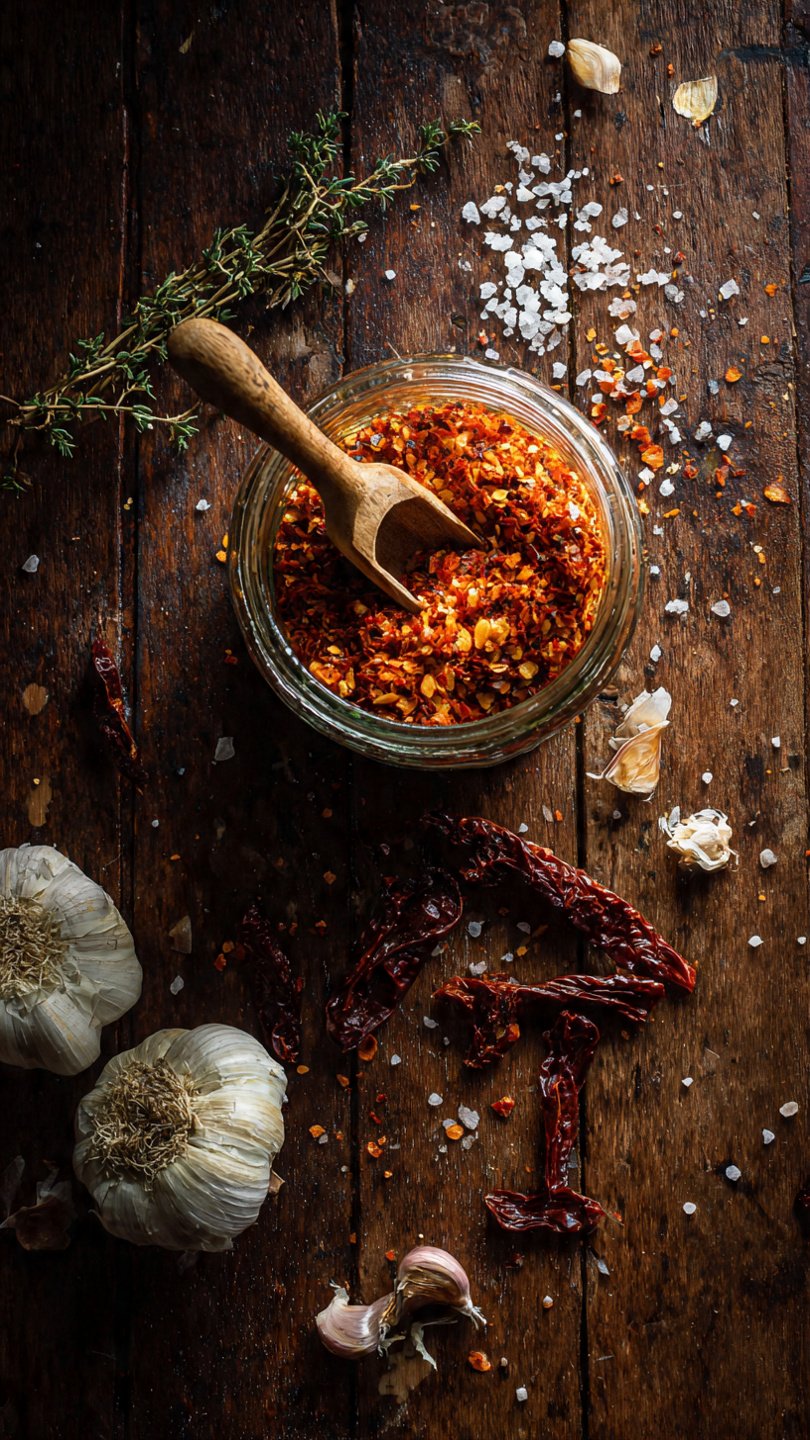
🍗 Best Rotisserie Seasoning Recipe: DIY Spice Blend
So you’re craving that golden, savory grocery store chicken but possess zero desire to put on real pants and leave the house? Same.
Look, we all know the allure of the “Bachelor’s Handbag”—that plastic-domed rotisserie chicken sitting under the heat lamps at the grocery store. It calls to us. It whispers promises of low-effort dinner. But let’s be real: sometimes that bird is a little dry, a little sad, and packed with sodium levels that would make a cardiologist weep.
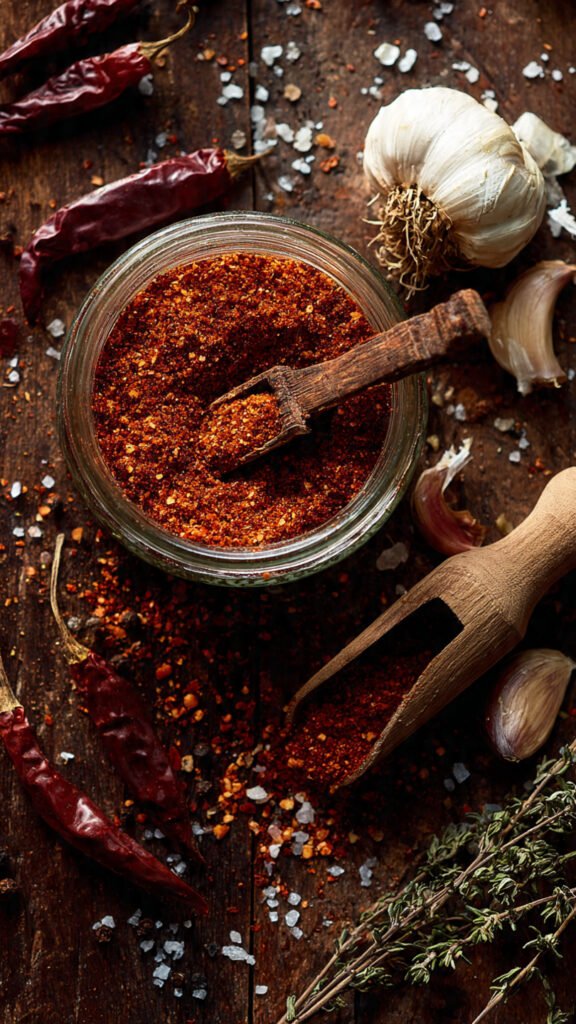
Enter this Rotisserie Seasoning Recipe. It’s the magic dust that turns a boring, pale chicken breast or a whole raw bird into a golden, crispy, flavor-bomb masterpiece. It’s about to become your pantry’s MVP. Let’s get into it.
Why This Recipe is Awesome
Okay, I know what you’re thinking. “It’s just spices mixed together, how awesome can it be?” Listen, doubting Thomas, this blend is a game-changer for a few very specific, science-backed reasons.
1. It’s the “Umami” Bomb Without the MSG Most commercial rotisserie chickens are injected with a saline solution and flavor enhancers. While delicious, they often leave you feeling puffy. This recipe mimics that deep, savory, mouth-watering flavor profile using smoked paprika and a specific balance of garlic and onion. It triggers the exact same “comfort food” receptors in your brain without the chemical aftertaste.
2. The “Fake” Roasting Effect Here is a little chef secret: Smoked Paprika. If you don’t have a fancy rotisserie spit spinning in your oven (who does?), this ingredient tricks your palate. It adds a wood-fired essence that convinces your tastebuds you spent hours slaving over an open flame, even if you just tossed a sheet pan in the oven at 400°F.
3. It’s Idiot-Proof (Seriously) I have burned toast. I have boiled water until the pot was dry. But I have never messed up this seasoning. It is incredibly forgiving. As long as you can operate a measuring spoon and a jar, you are qualified to make this.
4. It’s Not Just for Chicken While we call it “Rotisserie Seasoning,” that’s just its stage name. This stuff is liquid gold (well, powder gold) on roasted potatoes, pork chops, and even popcorn. FYI: Putting this on roasted chickpeas will change your snacking life forever.
5. You Control the Salt Store-bought blends are usually 60% cheap table salt because it’s a cheap filler. Here, we use Diamond Crystal or Morton’s Kosher salt, and we control the ratio. You get flavor first, salt second.
Ingredients You’ll Need
Raid your spice cabinet. You probably have most of these lurking in the back behind that jar of pumpkin spice you bought three years ago.
- Smoked Paprika: Non-negotiable. This provides the color and the smoky flavor. Do not use regular paprika unless you want sad, tasteless red dust.
- Kosher Salt: We want the coarse grains here. They create a better “crust” on the meat than fine table salt.
- Garlic Powder: The heavy hitter. Use the granulated kind if you can; it doesn’t clump as easily as the fine powder.
- Onion Powder: The sweet, savory partner to the garlic. It provides that “roasted” aromatic smell.
- Dried Thyme: This adds that herbal, earthiness that makes the kitchen smell like Thanksgiving.
- Black Pepper: Freshly cracked is best for texture, but pre-ground works if you’re feeling lazy.
- Cayenne Pepper: Just a pinch. It’s not about heat; it’s about waking up the other flavors. It provides a “background hum” of warmth.
- Brown Sugar (Optional but recommended): A tiny amount helps the skin caramelize and brown beautifully (thanks, Maillard reaction!).
Step-by-Step Instructions
Ready to feel like a spice alchemist? Let’s do this.
1. The Great Gathering Grab a small bowl or a jar. I prefer using a mason jar so I can just shake it up like a maraca and pretend I’m musical. Measure out:
- 4 tablespoons Smoked Paprika
- 3 tablespoons Kosher Salt
- 2 tablespoons Garlic Powder
- 2 tablespoons Onion Powder
- 1 tablespoon Dried Thyme
- 1 tablespoon Black Pepper
- 1 teaspoon Cayenne Pepper
- 1 tablespoon Brown Sugar (if using)
2. Whisk It Real Good If you are using a bowl, take a small whisk or a fork and mix vigorously. You want to break up any clumps, especially from the brown sugar or onion powder (which loves to turn into concrete in humid weather). Uniformity is key here—you don’t want one bite of pure garlic and one bite of pure cayenne.
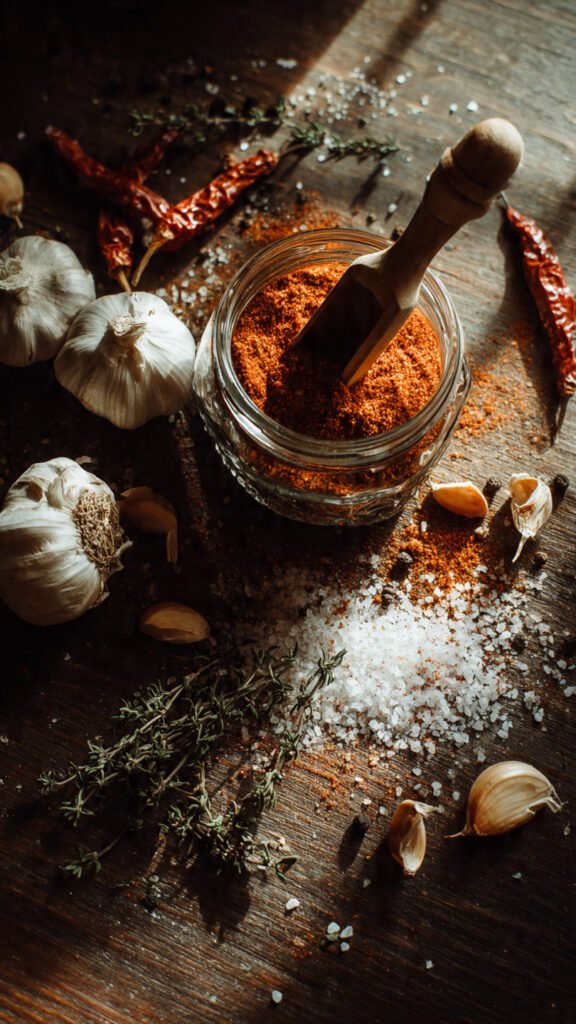
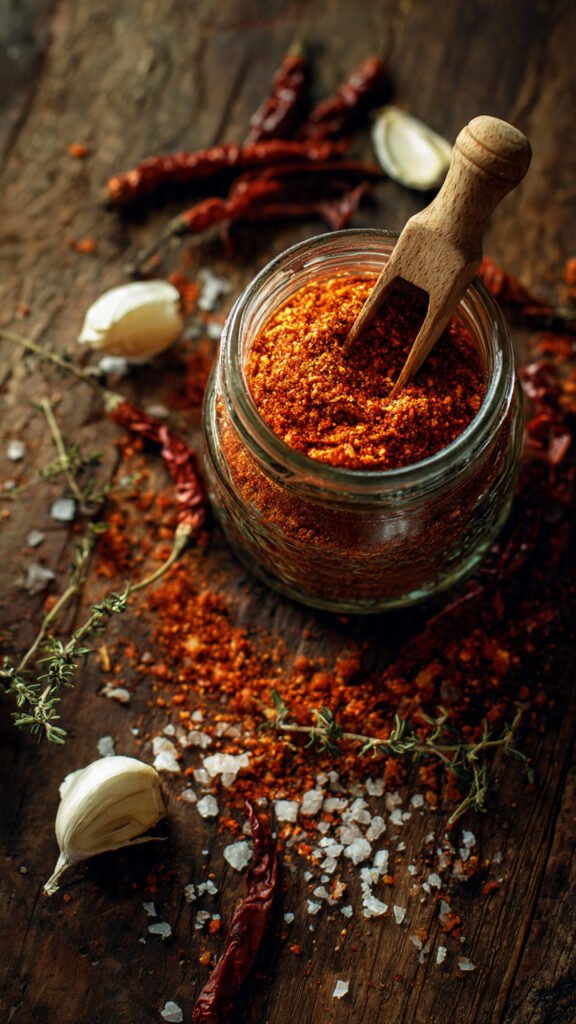
3. The Storage Strategy Transfer your mix into an airtight spice jar. Label it immediately. Do not tell yourself, “Oh, I’ll remember this is the rotisserie blend and not the taco seasoning.” You won’t. You will ruin a taco night. Label it.
4. How to Use It (The Application Science) This is the most important part.
- Pat It Dry: Before applying this to chicken (or any protein), pat the meat bone-dry with paper towels. Moisture is the enemy of crispy skin.
- The Oil Binder: Rub a little olive oil or avocado oil on the meat first. This acts as the glue.
- Rub, Don’t Sprinkle: Generously coat the meat. Use your hands to actually rub the spices into the skin and flesh.
- Let It Sit: If you have time, let the seasoned meat sit for 30 minutes before cooking. This allows the salt to penetrate the meat (dry brining), making it juicy on the inside.
Common Mistakes to Avoid
Don’t be that person. Avoid these rookie errors to ensure culinary supremacy.
- Using “Old” Spices: If your paprika is from 2015, it’s basically red sawdust. Spices lose potency after 6-12 months. If it doesn’t smell strong when you open the jar, toss it.
- Skipping the Sugar on the Grill: If you are cooking over a high flame (grill), the brown sugar might char too quickly. If grilling, maybe skip the sugar. If oven-roasting? Keep the sugar.
- Using Table Salt 1:1: If you swap Kosher salt for Table salt, use half the amount. Table salt is much saltier by volume. If you don’t, you will preserve your tongue like a mummy.
- Forgetting to Shake: Spices settle. The heavy salt falls to the bottom, and the light herbs float to the top. Always give the jar a hearty shake before using.
Alternatives & Substitutions
Missing an ingredient? Don’t panic. Here is how to MacGyver this recipe.
- No Smoked Paprika? You can use Sweet Hungarian Paprika, but add a tiny drop of liquid smoke to your oil binder if you have it. If not, mix in a little chipotle powder for that smoky kick (but watch the heat!).
- Hate Thyme? Dried Rosemary or Dried Oregano are excellent stand-ins. Rosemary gives a more piney, woodsy flavor, while Oregano leans a bit more “Italian,” but both work beautifully with poultry.
- Watching Sugar? Skip the brown sugar. The paprika will still give you great color. You can swap it for a granulated monk fruit sweetener if you’re strict keto, but honestly, the amount per serving is negligible.
- Garlic/Onion Sensitivity? If you are low-FODMAP, use garlic-infused oil as your binder and skip the powders. Use more herbs to compensate for the flavor loss.
FAQ (Frequently Asked Questions)
1. Can I use this on things that aren’t chicken? Absolutely. It is incredible on roasted cauliflower, pork tenderloin, and even salmon. I once put it on buttered toast. I have no regrets.
2. How long does this store for? Technically, spices last for years. Flavor-wise? Use it within 6 months. Keep it in a cool, dark place (not right above your stove where the heat kills spices).
3. Why is my spice blend clumping up? Moisture is the enemy. Onion powder and brown sugar are hydrophilic (they love water). If you live in a humid place, throw one of those little silica gel packets into the jar to keep it flowy.
4. Is this spicy? With 1 teaspoon of cayenne spread across a whole batch? Barely. It’s a gentle warmth. If you are feeding toddlers who think ketchup is spicy, leave the cayenne out.
5. Can I use fresh herbs instead of dried? For a dry rub that you store in a jar? No. Fresh herbs contain water and will make your spice blend moldy in days. Only use fresh herbs if you are mixing a single-use wet marinade right now.
6. My chicken skin isn’t getting crispy. What did I do wrong? You probably didn’t dry the chicken enough, or your oven wasn’t hot enough. Crank that heat to 400°F or 425°F. IMO, low and slow is for ribs, not for crispy chicken skin.
7. Can I use this as a marinade? Yes! Mix 2 tablespoons of this seasoning with lemon juice and olive oil. Let your chicken swim in it for a few hours. Perfection.
Final Thoughts
There you have it. You are now the proud owner of a Rotisserie Seasoning Recipe that will make your kitchen smell better than a French bistro (or at least better than the deli counter at the supermarket).
Cooking doesn’t have to be complicated to be impressive. Sometimes, it’s just about having the right jar of magic dust in your cupboard. So go forth, roast a bird, roast some veggies, or just roast your friends for still buying pre-mixed spices.
Now go impress someone—or yourself—with your new culinary skills. You’ve earned it!