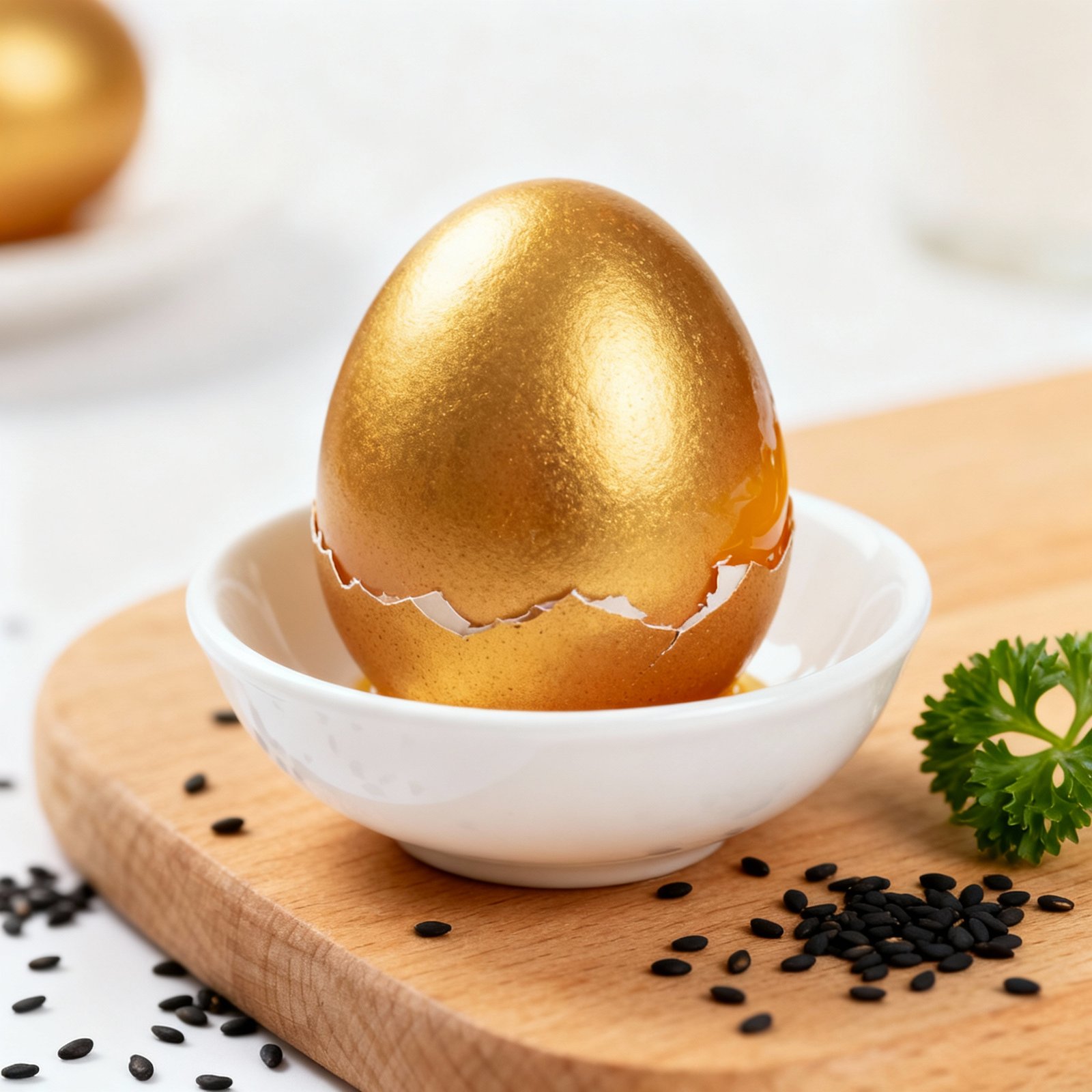
Salted Egg Recipe: The Foolproof Guide to Golden Goodness
Salted eggs, those intensely savory and vibrantly colored orbs, are a culinary treasure that adds a unique depth of flavor to any dish. Whether you’re craving the perfect accompaniment to congee, a salty kick in your stir-fries, or simply want to enjoy them on their own, mastering the art of making salted eggs at home is surprisingly simple. Forget the store-bought versions – this recipe guarantees a richer, creamier, and more satisfying experience. Get ready to embark on a delicious journey into the world of homemade salted eggs!
Why This Recipe Works
This recipe uses the water-salt brine method, a time-tested technique that consistently delivers perfectly salted eggs. The high concentration of salt draws moisture out of the egg, simultaneously preserving it and infusing it with that characteristic salty flavor. Here’s why this method excels:
- Consistent Salting: The brine ensures even distribution of salt throughout the egg, preventing pockets of overly salty or bland areas.
- Creamy Yolk: The slow salting process allows the yolk to transform into a rich, dense, and almost fudgy texture.
- Controlled Salinity: By adjusting the brining time, you can customize the saltiness to your preference.
- Simple Ingredients: You only need a few readily available ingredients – eggs, salt, and water!
- Long Shelf Life: Properly made salted eggs can last for weeks in the refrigerator.
Ingredients
- 12 fresh duck eggs (or chicken eggs, though duck eggs are traditionally preferred for their richer flavor and larger yolk)
- 2 cups coarse sea salt or kosher salt (avoid iodized salt)
- 6 cups water (filtered or tap water is fine)
- 1 tablespoon Shaoxing wine or rice wine (optional, but adds a subtle depth of flavor and helps preserve the eggs)
- Optional aromatics: peppercorns, star anise, bay leaves (for added flavor complexity)

Instructions
- Prepare the Eggs: Gently wash the duck eggs under cool running water to remove any dirt or debris. Pat them dry with a clean towel. Inspect each egg for cracks and discard any damaged ones.
- Make the Brine: In a large pot, combine the water and salt. Bring the mixture to a boil over medium-high heat, stirring constantly until the salt is completely dissolved.
- Add Aromatics (Optional): If using, add the peppercorns, star anise, and bay leaves to the boiling brine. Simmer for 5 minutes to infuse the brine with their flavors.
- Cool the Brine: Remove the pot from the heat and let the brine cool completely. This is crucial! Adding the eggs to hot brine will cook them.
- Add Wine (Optional): Once the brine is completely cool, stir in the Shaoxing wine or rice wine.
- Pack the Eggs: Place the eggs carefully in a large, clean glass jar or a non-reactive container (plastic is okay, but glass is preferred). Arrange them so they are snugly packed but not overcrowded.
- Pour the Brine: Pour the cooled brine over the eggs, ensuring they are completely submerged. If necessary, use a small plate or a ziplock bag filled with water to weigh down the eggs and keep them submerged. This is essential to prevent mold growth.
- Seal and Store: Cover the container tightly with a lid or plastic wrap. Store the container in a cool, dark place (such as the refrigerator) for 30-45 days, depending on your desired level of saltiness.
- Check for Salinity: After 30 days, remove one egg and boil it for about 10-12 minutes until cooked through. Crack it open and taste the yolk. If it’s not salty enough for your liking, return the remaining eggs to the brine and continue salting for another few days.
- Boil and Enjoy: Once the eggs have reached your desired saltiness, remove them from the brine and boil them for 10-12 minutes. This will cook the eggs and stop the salting process.
- Cool and Store: Let the boiled eggs cool completely before storing them in the refrigerator.
Tips for Success
- Use Fresh Eggs: The fresher the eggs, the better the quality of the salted eggs. Look for eggs with a clean, unblemished shell.
- Don’t Skimp on the Salt: Using enough salt is crucial for proper preservation and flavor development. Don’t be tempted to reduce the amount of salt in the recipe.
- Ensure Complete Submersion: Keeping the eggs completely submerged in the brine is vital to prevent spoilage. Use a weight to keep them down if necessary.
- Patience is Key: The salting process takes time. Don’t rush it! The longer the eggs brine, the saltier they will become.
- Adjust Salting Time: Experiment with the salting time to find your preferred level of saltiness. Start with 30 days and adjust as needed.
- Handle with Care: Be gentle when handling the eggs, especially when placing them in the brine. Cracks can lead to spoilage.
Storage Instructions
Boiled salted eggs can be stored in the refrigerator for up to 2 weeks. Keep them in an airtight container to prevent them from drying out. Uncooked salted eggs in the brine can be stored in the refrigerator for several months, but the flavor will continue to intensify over time. It’s best to boil them when you’re ready to use them.

FAQ
Q: Can I use chicken eggs instead of duck eggs?
A: Yes, you can use chicken eggs, but duck eggs are traditionally preferred for their richer flavor and larger, more vibrant yolk. Chicken eggs will still work, but the final product might be slightly less flavorful and the yolk might not be as creamy.
Q: My salted eggs are too salty! What can I do?
A: Unfortunately, there’s no way to “unsalt” eggs that are already too salty. Next time, try reducing the brining time or using a slightly lower concentration of salt in the brine.
Q: My salted eggs are not salty enough! What can I do?
A: If your eggs are not salty enough after the initial brining period, simply return them to the brine and continue salting for a few more days.
Q: Can I reuse the brine?
A: It’s not recommended to reuse the brine, as it may contain bacteria and impurities from the previous batch of eggs.
Q: How do I know when the salted eggs are cooked properly?
A: The salted eggs are cooked properly when the yolk is firm and slightly oily, and the white is firm and slightly salty.
Conclusion
Making your own salted eggs is a rewarding experience that allows you to control the flavor and quality of this delicious ingredient. With this foolproof recipe and helpful tips, you’ll be enjoying perfectly salted eggs in no time. So, gather your ingredients, follow the instructions, and get ready to savor the golden goodness of homemade salted eggs!