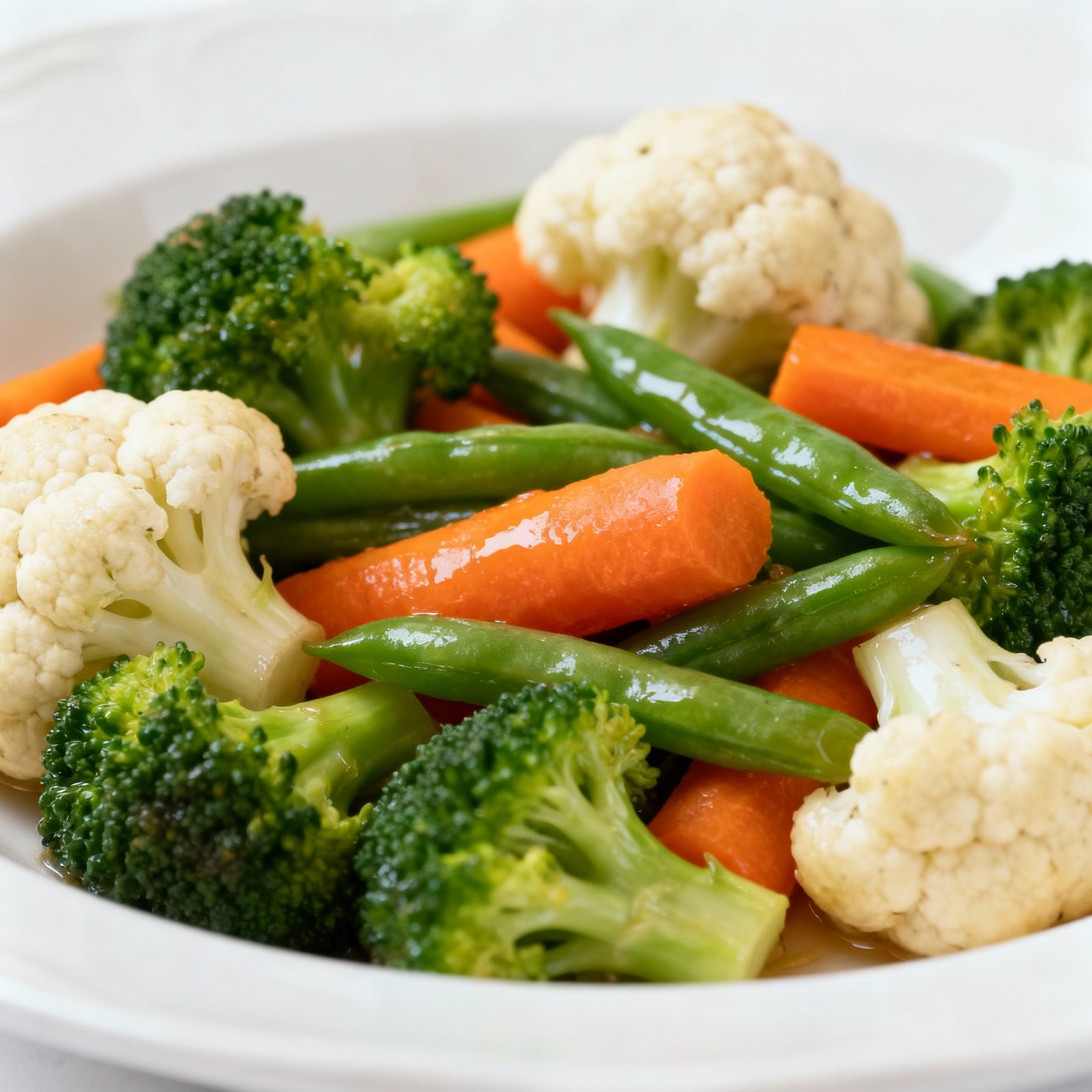
Steamed Veggies Recipe: The Easiest Path to Delicious & Nutritious
Are you looking for a simple, healthy, and delicious way to incorporate more vegetables into your diet? Look no further! Steamed vegetables are a culinary champion – quick to prepare, incredibly versatile, and packed with all the goodness nature intended. This recipe provides a foolproof method for perfectly steamed vegetables every single time, transforming even the most vegetable-averse into enthusiastic eaters. Forget mushy, bland steamed veggies of the past; we’re about to unlock the secrets to vibrant, flavorful, and texturally perfect results that will elevate your meals and nourish your body.
Why This Recipe Works
This recipe isn’t just about throwing vegetables into a pot and hoping for the best. It’s designed with specific techniques to ensure optimal results:
- Even Cooking: We’ll guide you on how to cut your vegetables for uniform size, guaranteeing they cook evenly and simultaneously, preventing some pieces from being overcooked while others remain underdone.
- Preserving Nutrients: Steaming is a gentle cooking method that minimizes nutrient loss compared to boiling or frying. This recipe emphasizes short cooking times to retain maximum vitamins and minerals.
- Flavor Enhancement: We’ll explore simple yet effective techniques to boost the flavor of your steamed vegetables, transforming them from bland to bursting with deliciousness. Think fresh herbs, zesty lemon, and a touch of high-quality salt and pepper.
- Versatility: This method isn’t limited to just one type of vegetable. We’ll discuss which vegetables work best for steaming and how to adjust cooking times accordingly, empowering you to create endless variations.
- Quick and Easy: From prep to plate, this recipe takes less than 20 minutes, making it perfect for busy weeknights or a quick and healthy side dish.
Ingredients
- Assorted Vegetables: Choose your favorites! Broccoli florets, carrot sticks, asparagus spears, green beans, bell pepper strips, zucchini slices, and snap peas all work beautifully. Aim for about 1 pound of vegetables.
- Water: 1 cup of water for the steaming process.
- Salt: To taste, for seasoning the water and the finished vegetables.
- Black Pepper: To taste, for seasoning the finished vegetables.
- Optional Flavor Enhancers:
- Fresh herbs (parsley, dill, thyme, chives)
- Lemon wedges or juice
- Garlic cloves (minced or whole)
- Olive oil or butter
- Red pepper flakes (for a touch of heat)
Instructions
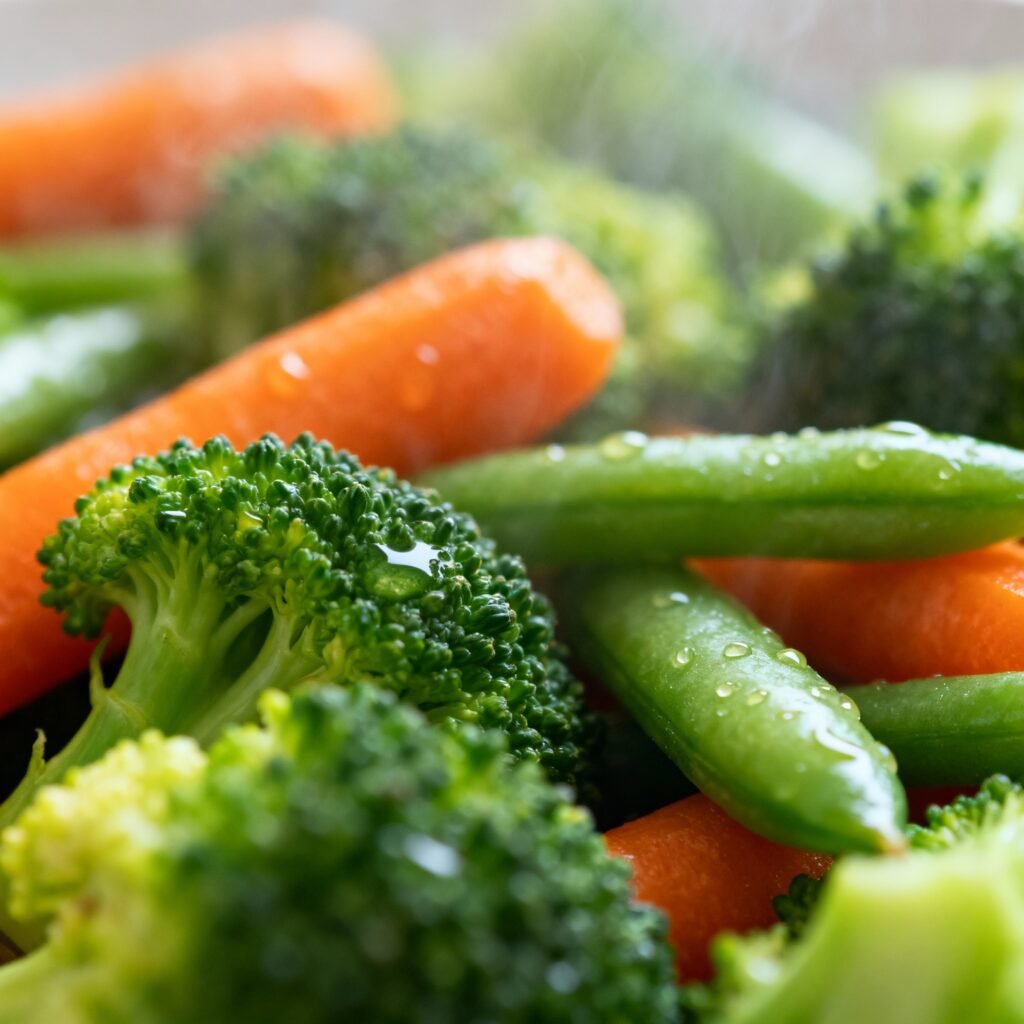
- Prepare the Vegetables: Wash and thoroughly dry your chosen vegetables. Cut them into uniform sizes. This is crucial for even cooking. For example, cut broccoli florets into similar sizes, slice carrots into sticks of equal thickness, and trim the ends of asparagus spears.
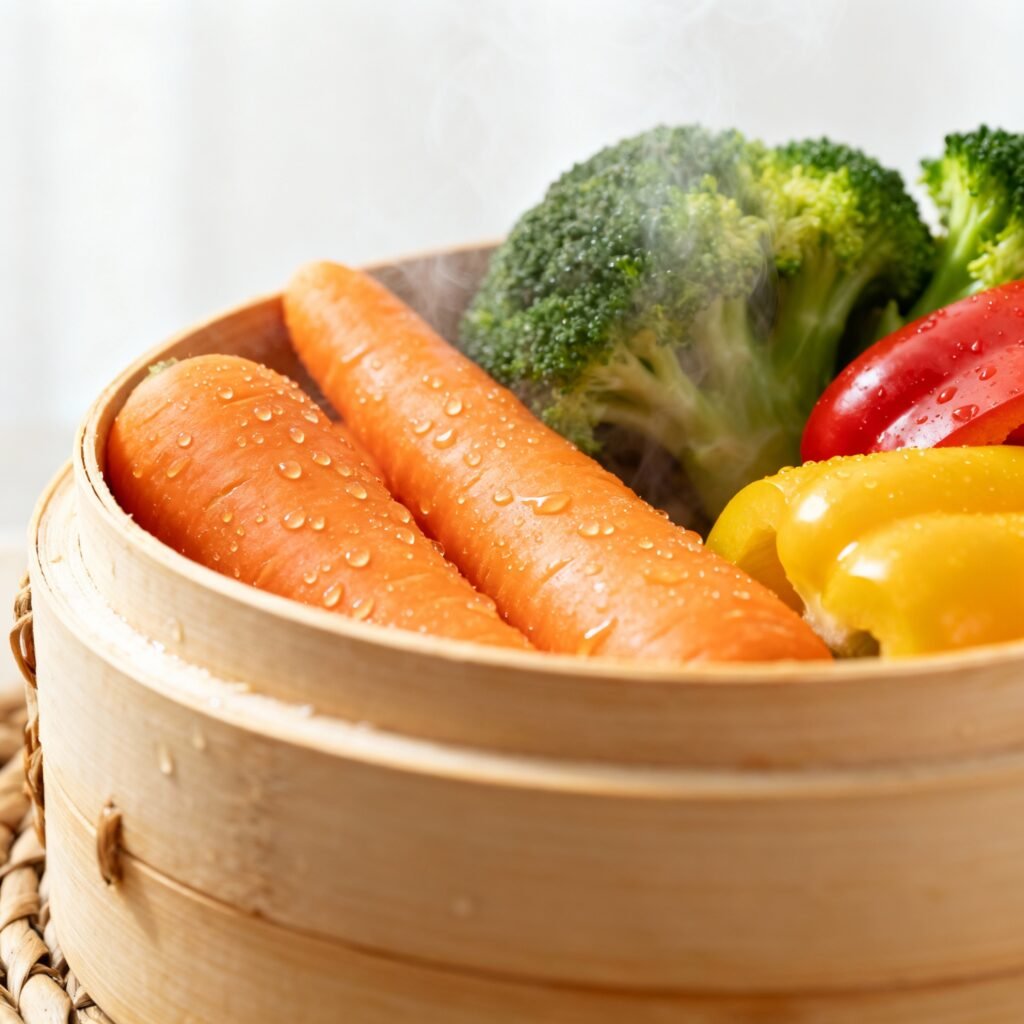
- Set Up the Steamer: In a pot or saucepan, add 1 cup of water. Place a steamer basket or insert inside the pot, ensuring the water level is below the bottom of the basket. You can also use a metal colander if you don’t have a steamer basket, making sure it fits snugly inside the pot and doesn’t touch the water.
- Add Vegetables to the Steamer: Arrange the prepared vegetables in a single layer in the steamer basket. Avoid overcrowding, as this can lead to uneven cooking. If you have a large quantity of vegetables, steam them in batches.
- Season the Water (Optional): For an extra layer of flavor, add a pinch of salt to the water in the pot. You can also add a clove or two of garlic for subtle infusion.
- Steam the Vegetables: Cover the pot with a tight-fitting lid. Bring the water to a boil over medium-high heat. Once boiling, reduce the heat to medium and steam for the appropriate time, depending on the vegetables you’re using. See the suggested steaming times below:
- Broccoli: 5-7 minutes
- Carrots: 6-8 minutes
- Asparagus: 3-5 minutes
- Green Beans: 5-7 minutes
- Bell Peppers: 4-6 minutes
- Zucchini: 3-5 minutes
- Snap Peas: 3-5 minutes
Start checking for doneness a minute or two before the suggested time. The vegetables should be tender-crisp – easily pierced with a fork but still retaining a slight bite.
- Check for Doneness: Carefully pierce the vegetables with a fork. If they are tender-crisp, they are done. If not, continue steaming for another minute or two, checking periodically.
- Season and Serve: Once the vegetables are steamed to your liking, carefully remove the steamer basket from the pot. Transfer the vegetables to a serving bowl. Season generously with salt and pepper. Add any optional flavor enhancers, such as fresh herbs, lemon juice, or a drizzle of olive oil. Toss gently to combine.
- Serve Immediately: Steamed vegetables are best served immediately while they are still warm and flavorful. Enjoy as a side dish or incorporate them into your favorite recipes.
Tips for Success
- Don’t Overcrowd the Steamer: Overcrowding leads to uneven cooking. Steam in batches if necessary.
- Use Fresh Vegetables: Fresh, high-quality vegetables will always taste the best.
- Adjust Cooking Times: Steaming times can vary depending on the size and type of vegetables, as well as the power of your stove. Use the suggested times as a guideline and adjust accordingly.
- Don’t Overcook: Overcooked steamed vegetables are mushy and unappetizing. Aim for tender-crisp.
- Experiment with Flavors: Don’t be afraid to get creative with seasonings and flavor enhancers. Fresh herbs, citrus, spices, and even a touch of butter or cheese can elevate your steamed vegetables to a whole new level.
- Use a Steamer Basket that fits Snugly: A good fit ensures the steam surrounds the vegetables effectively.
Storage Instructions
Leftover steamed vegetables can be stored in an airtight container in the refrigerator for up to 3 days. To reheat, you can steam them again for a minute or two, microwave them briefly, or stir-fry them in a pan with a little oil. Keep in mind that reheated steamed vegetables may be slightly softer than freshly steamed vegetables.
FAQ
- Can I steam frozen vegetables? Yes, you can! However, frozen vegetables may require slightly longer steaming times. Follow the package instructions for guidance.
- Can I use a microwave to steam vegetables? Yes, you can microwave vegetables in a microwave-safe dish with a small amount of water. Cover the dish with plastic wrap (pierced with a few holes) or a microwave-safe lid and cook until tender-crisp.
- What are some other vegetables I can steam? Consider adding beets, sweet potatoes (cubed), cauliflower florets, or even edamame to your steamed vegetable repertoire.
- How do I prevent my steamed vegetables from becoming bland? Generously season your vegetables with salt, pepper, and other flavor enhancers. Don’t be afraid to experiment!
- My vegetables are coming out mushy. What am I doing wrong? You are likely overcooking them. Reduce the steaming time and check for doneness frequently.
Conclusion
Steamed vegetables are a fantastic way to enjoy the natural goodness of fresh produce. With this simple recipe and a few helpful tips, you can create delicious and nutritious side dishes that will complement any meal. So, ditch the bland and embrace the vibrant flavors and textures of perfectly steamed vegetables. Happy cooking!