Summer Beer Recipe: Brew Your Own Sunshine!
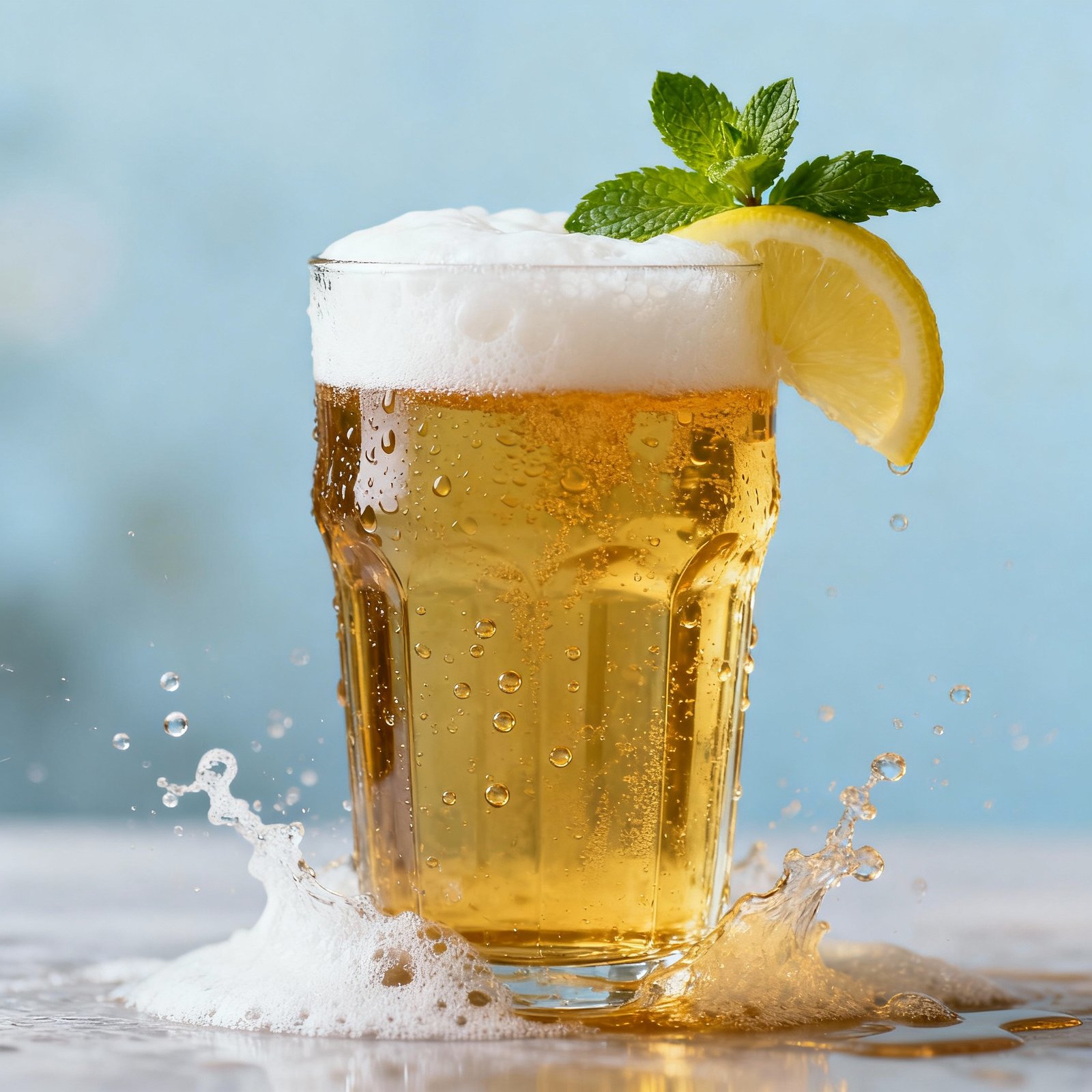
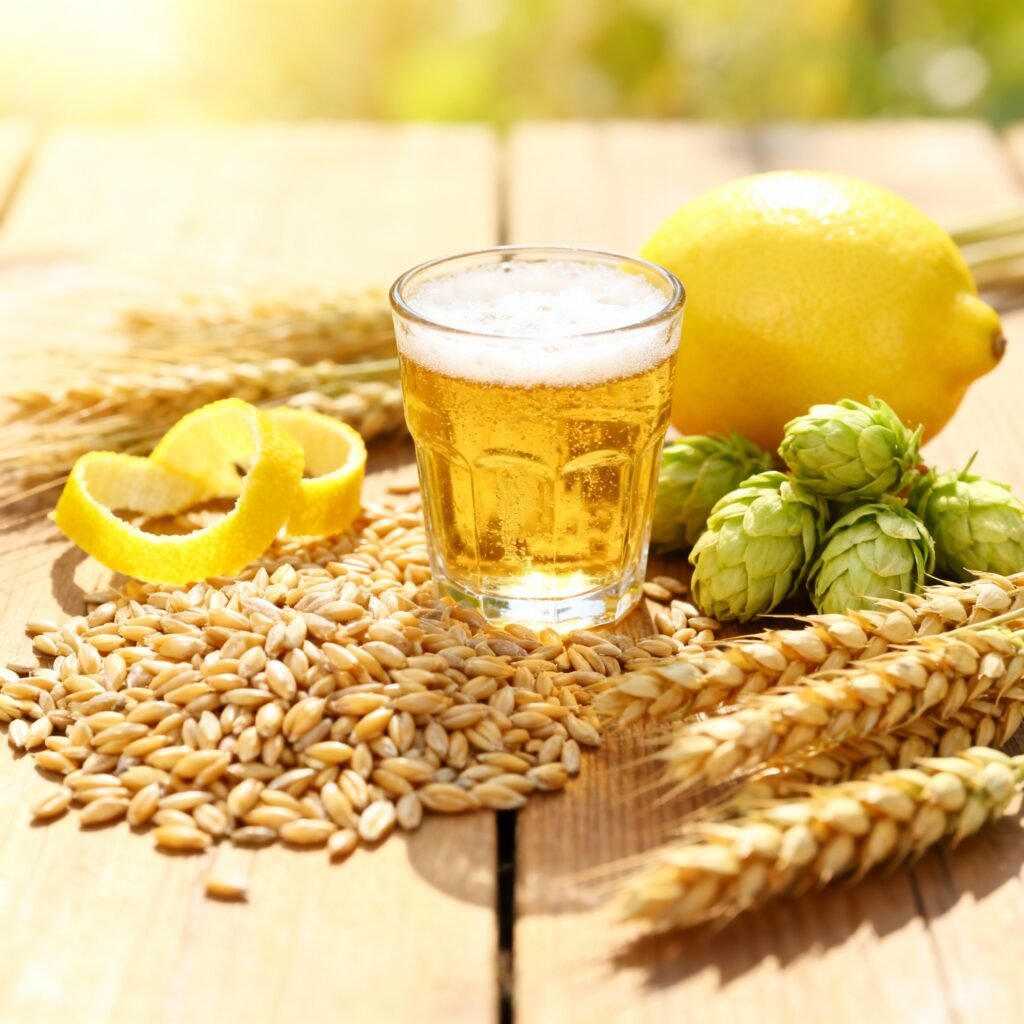
Summer is synonymous with sunshine, barbecues, and, of course, refreshing beer. But what if you could elevate your summer experience with a home-brewed beer tailored perfectly to the season? This recipe delivers a crisp, light, and incredibly drinkable beer that will be the star of your summer gatherings. Forget the mass-produced lagers; this is about crafting something special, something you can be proud of, and something that will have your friends begging for more. Get ready to dive into the world of homebrewing and create your own liquid sunshine!
Why This Recipe Works
This recipe is designed for simplicity and maximum refreshment. We’re focusing on a light-bodied beer with subtle hop aromas and a clean finish. The use of pale malt provides a neutral base, while the addition of wheat contributes to a slightly creamy mouthfeel and enhanced head retention. The judicious use of noble hops adds a touch of floral aroma without overpowering the beer’s drinkability. Fermenting at a cooler temperature with a clean-fermenting yeast strain ensures a crisp and refreshing final product. This recipe is also relatively forgiving for beginner brewers, making it a great starting point for your homebrewing journey.
Ingredients
- Malt:
- 6 lbs Pale Malt (2-Row)
- 1 lb Wheat Malt
- Hops:
- 0.5 oz Hallertau Mittelfrüh (60 min boil)
- 0.25 oz Hallertau Mittelfrüh (15 min boil)
- Yeast:
- Wyeast 1056 – American Ale™ or White Labs WLP001 – California Ale Yeast® (or a similar clean-fermenting ale yeast)
- Other:
- ¾ cup Corn Sugar (for priming)
- 5 gallons of filtered water
Instructions
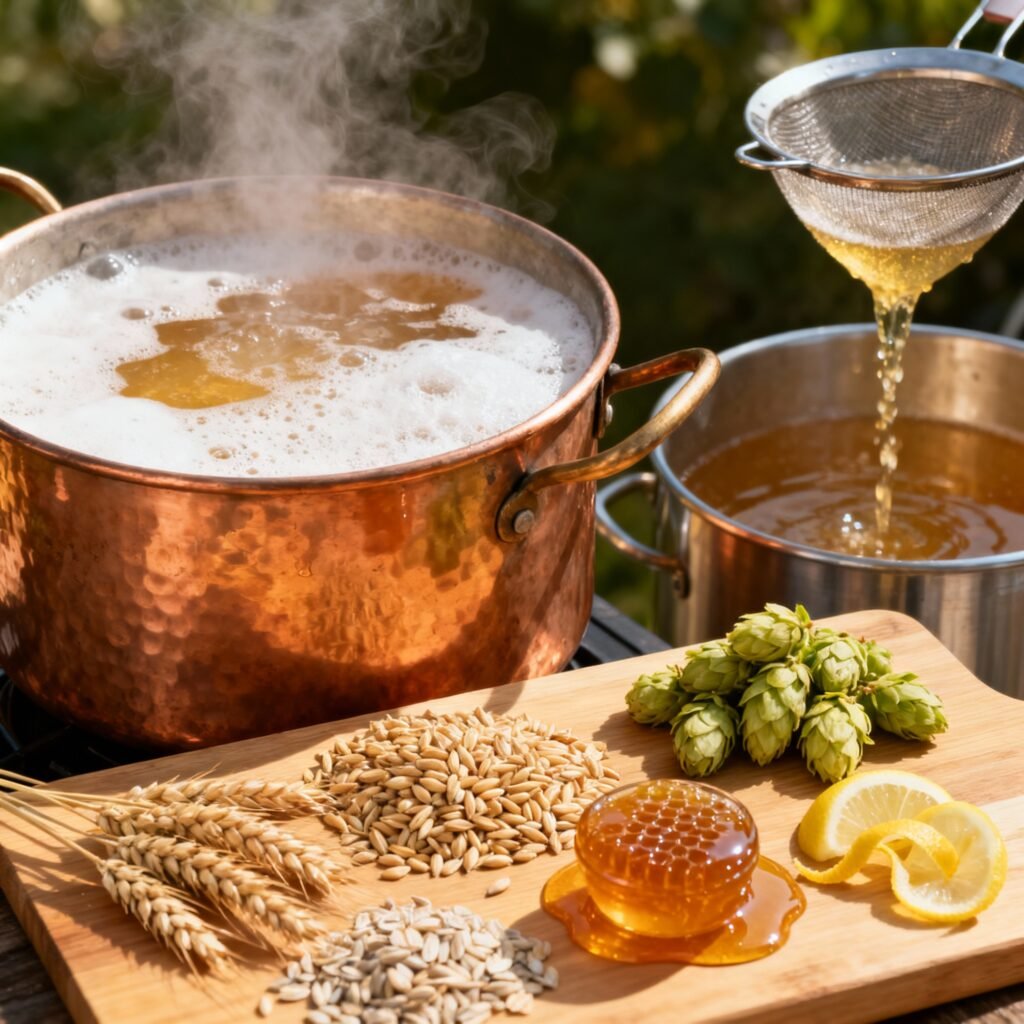
- Mash: Heat 2.5 gallons of water to 162°F. Mash in the grains and hold at 152°F for 60 minutes. This process converts the starches in the grains into fermentable sugars. Monitor the temperature closely and adjust as needed.
- Lauter: Slowly drain the sweet wort (sugar-rich liquid) from the mash tun, sparging (rinsing) with 4 gallons of water at 170°F to extract as much sugar as possible. This process separates the wort from the spent grains.
- Boil: Bring the wort to a rolling boil. Add 0.5 oz of Hallertau Mittelfrüh hops at the beginning of the 60-minute boil. This is your bittering addition.
- Hop Additions: Add 0.25 oz of Hallertau Mittelfrüh hops with 15 minutes remaining in the boil. This is your aroma addition.
- Cool: After the boil, rapidly cool the wort to 68°F using an immersion chiller or by placing the brew kettle in an ice bath. Rapid cooling is crucial to prevent off-flavors.
- Ferment: Transfer the cooled wort to a sanitized fermenter. Aerate the wort by shaking or using an aeration stone. Pitch the yeast.
- Fermentation: Ferment at a consistent temperature of 65°F for 1-2 weeks, or until fermentation is complete. Use an airlock to monitor fermentation activity.
- Secondary Fermentation (Optional): Transfer the beer to a secondary fermenter after primary fermentation is complete for further clarification. This step is optional but can improve the clarity of the beer.
- Bottle/Keg: After fermentation is complete, prime the beer with ¾ cup of corn sugar if bottling. If kegging, force carbonate to your desired level.
- Condition: Bottle condition for at least 2 weeks at room temperature (70°F) before refrigerating and enjoying. Kegged beer is ready to drink once carbonated.
Tips for Success
- Sanitation is Key: Thoroughly sanitize all equipment that comes into contact with the wort after the boil. This is crucial to prevent infections that can ruin your beer.
- Temperature Control: Maintaining consistent fermentation temperature is vital for a clean-tasting beer. Invest in a temperature controller if necessary.
- Water Chemistry: While not essential for beginners, understanding your water chemistry can significantly improve the quality of your beer. Consider using filtered water or adjusting your water profile.
- Patience is a Virtue: Don’t rush the fermentation or conditioning process. Allowing the beer to mature properly will result in a smoother, more flavorful final product.
- Take Good Notes: Keep a detailed record of each batch you brew, including ingredients, process, and tasting notes. This will help you improve your recipes and troubleshoot any issues.
Storage Instructions
Once bottled or kegged, store your beer in a cool, dark place. Bottles should be stored upright to prevent sediment from affecting the taste. Refrigerating the beer for at least a few hours before serving will enhance its crispness and refreshment. Properly stored beer can last for several months, but it’s best enjoyed fresh.
FAQ
- Can I use a different type of hops? Yes, you can substitute other noble hops like Saaz or Tettnang. Just be aware that the flavor profile will be slightly different.
- Can I use dry yeast instead of liquid yeast? Yes, you can use a dry ale yeast like Safale US-05. Rehydrate the yeast according to the manufacturer’s instructions before pitching.
- What if I don’t have an immersion chiller? You can use an ice bath to cool the wort, but it will take longer. Be sure to stir the wort occasionally to speed up the cooling process.
- How do I know when fermentation is complete? Use a hydrometer to measure the specific gravity of the beer. Fermentation is complete when the gravity remains stable for several days.
- My beer is cloudy. What can I do? Cold crashing (cooling the beer to near freezing for a few days) can help to clarify the beer. You can also use fining agents like gelatin or Irish moss.
Conclusion
Brewing your own summer beer is a rewarding experience that allows you to create a truly unique and refreshing beverage. This recipe provides a solid foundation for your homebrewing adventures. Don’t be afraid to experiment with different ingredients and techniques to create your own signature summer brew. So, gather your equipment, follow the instructions, and get ready to enjoy the taste of summer, brewed by you!